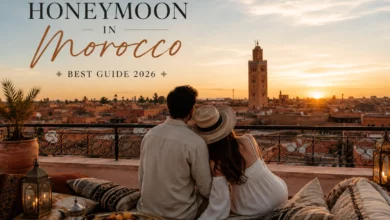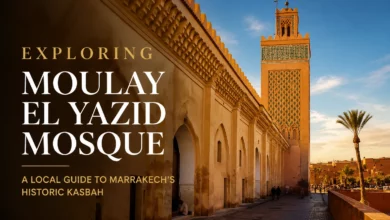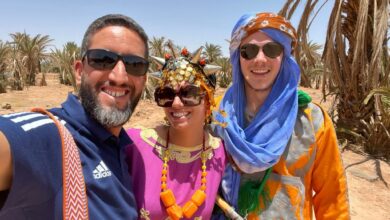
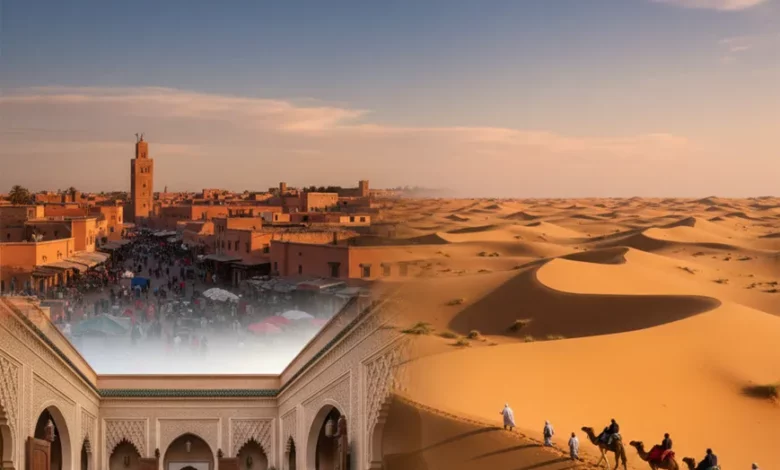
There’s something almost magical about the way Morocco captures the imagination of travelers. Picture yourself wandering through a labyrinth of narrow medina streets, the scent of exotic spices filling the air. Picture the golden dunes of the Sahara stretching infinitely beneath a star-filled sky. Picture turquoise waters along the Atlantic coast and snow-capped mountains rising majestically above traditional Berber villages.
Morocco isn’t just a travel destination—it’s a sensory awakening, a journey through centuries of history, and an escape to one of the world’s most culturally vibrant nations.
With a record 19.8 million visitors in 2025 alone—a 14% increase from the previous year—Morocco has solidified its position as one of Africa’s premier travel destinations. This isn’t surprising. The country offers an intoxicating blend of ancient imperial cities, breathtaking natural landscapes, warm hospitality, and experiences that feel genuinely transformative.
This guide covers everything you need to know to plan an unforgettable journey to Morocco—from the best times to visit and top destinations to practical travel tips and why guided tours offer unparalleled experiences.
Why Travel to Morocco?
Morocco stands apart from other North African destinations for reasons that go far deeper than Instagram-worthy blue cities and sprawling desert landscapes. The country represents a genuine crossroads of cultures where African, Arab, Mediterranean, and European influences coexist in remarkable harmony.
🏛️ Authentic Cultural Immersion
Morocco is one of the few major tourist destinations where you can experience genuine living history. The ancient medinas aren’t preserved museums—they’re vibrant, functioning cities where craftspeople maintain traditions passed down through generations.
🏔️ Unparalleled Geographical Diversity
Few countries compress such dramatic landscape variety into one destination. Within a single week, you can trek through snow-covered peaks, explore thriving desert ecosystems, wander seaside medinas, and navigate bustling imperial cities.
📚 Historical Significance
Morocco’s imperial cities contain centuries of Islamic and Moorish architecture, palaces, and universities. Walking these streets means stepping directly through the 9th, 10th, and 11th centuries.
💰 Exceptional Value for Money
Compared to European destinations offering similar cultural depth and natural beauty, Morocco remains remarkably affordable. Accommodation, food, and tours offer outstanding value.
❤️ Warm, Welcoming People
Moroccan hospitality is legendary. Tourism is vital to the country’s economy, and Moroccan people genuinely welcome visitors with authentic warmth and genuine interest.
🌍 Where Is Morocco Located
Strategically positioned at the crossroads of Africa and Europe, Morocco is easily accessible from North America and Europe, making it an ideal gateway to African exploration.
Best Time to Travel to Morocco
Timing your visit strategically makes an enormous difference in your Morocco experience. The country’s diverse geography means different regions have different optimal visiting windows.
🌸 Spring (Mar-May)
Best Overall Season
Daytime temperatures: 20-28°C (68-82°F). Perfect for all activities. Peak season with slightly more tourists.
🍂 Autumn (Sep-Nov)
Ideal for Fewer Crowds
Temperatures: 17-26°C (63-79°F). Shoulder season with exceptional weather and minimal visitors. Late September-October is perfect.
☀️ Summer (Jun-Aug)
Best for Beaches
Extreme heat inland (35°C+). Coastal areas like Essaouira remain comfortable. Avoid Sahara and mountains.
❄️ Winter (Dec-Feb)
Budget-Friendly Choice
Mild daytime temperatures (18-22°C). Significant price drops. Best for budget travelers and coastal exploration.
Special Note: Rainy season (November-February) brings occasional rainfall, particularly in northern regions. This shouldn’t deter travel but allows for flexibility with outdoor excursions.
Top Places to Visit in Morocco
Marrakech: The Red City
Marrakech is Morocco’s most famous destination, and rightfully so. This imperial city serves as the gateway for most visitors and offers an intoxicating blend of hectic medina energy, stunning gardens, and nearby adventure opportunities.
Jemaa el-Fnaa Square
The pulsing heart of Marrakech, this vast open square buzzes with electric energy. Snake charmers, fruit vendors, storytellers, and musicians create an atmosphere unlike anywhere else on Earth. The iconic Koutoubia Mosque overlooks the square with its distinctive minaret tower. While touristy, it’s genuinely fascinating—a place where Moroccan daily life and tourism intersect.
Bahia Palace
This 19th-century masterpiece spans over two acres and showcases some of Morocco’s finest Islamic and Moroccan architecture. The palace contains over 150 rooms, stables, a Koranic school, and a mosque. Walking through ornately decorated rooms with intricate zellige tilework, carved cedar, and painted plaster provides tangible insight into historical Moroccan royal life.
Madrasa Ben Youssef
Nestled in the heart of the old medina, this architectural treasure served as an Islamic university for over 500 years. The building displays stunning marble sculptures, intricate mosaics, and carved wood throughout its courtyards and corridors.
Jardin Majorelle
For something completely different from the medina’s sensory chaos, Jardin Majorelle offers a peaceful retreat. These exotic gardens, originally designed in the 1920s by French artist Jean Majorelle and later preserved by fashion designer Yves Saint Laurent, feature rows of cacti and tropical plants surrounding a striking electric-blue Cubist villa.
Marrakech Souks
The medina’s labyrinthine souks offer endless exploration. Enclosed by 19 kilometers of pink walls built around 1122, these markets remain as lively today as they were centuries ago. Shop for leather goods, spices, textiles, and traditional handicrafts while experiencing the genuine commerce of Moroccan daily life.
Fes: The Cultural Epicenter
Fes stands as Morocco’s spiritual and cultural heart. While less touristic than Marrakech, it offers deeper immersion into authentic Moroccan life and boasts some of the world’s most significant Islamic heritage sites.
Fes el-Bali (The Old Medina)
This UNESCO World Heritage site represents one of the world’s oldest and largest medinas, dating back to the 9th century. With over 9,000 narrow, winding alleys, the medina is entirely pedestrian and car-free—the largest such urban area globally. Walking these ancient streets feels like stepping directly into medieval times. You’ll encounter traditional craft workshops, spice vendors, tea houses, and countless discoveries around every corner.
Tanneries
Fes’s medieval leather tanneries are simultaneously fascinating and overwhelming. Leather workers use techniques unchanged for centuries, treating hides in vats of natural dyes. Visiting offers insight into traditional craftsmanship, though the smell is intense—bring mint or menthol rub.
Al-Qarawiyyin Mosque and University
Dating back to the 9th century, this is the world’s oldest continuously operating university. While non-Muslims cannot enter the main prayer hall, you can peek through open doorways to glimpse the interior courtyard and appreciate the architectural majesty.
Sahara Desert: The Essential Moroccan Experience
A Sahara Desert tour is virtually mandatory for Morocco visitors. The experience of vast dunes, nomadic culture, starlit nights, and the profound silence of the desert creates lifelong memories that no photograph can capture.
Erg Chebbi Dunes Near Merzouga
The most accessible Sahara experience features dunes rising 150 meters high with golden sand creating dramatic, ever-changing landscapes. The proximity to civilization makes Erg Chebbi ideal for first-time desert visitors.
Camel Trekking & Desert Camps
The classic Sahara experience involves riding camels into the dunes, ideally timing the ride to catch sunset or sunrise. Most tours include overnight stays in Berber desert camps featuring traditional dinners, drum circles around campfires, and sleeping under extraordinarily star-filled skies.
3-Day Classic Desert Tours
The standard itinerary from Marrakech spans three days covering dramatic landscape variety. Day one crosses the High Atlas via Tizi n’Tichka pass and visits Ait Benhaddou (a UNESCO World Heritage kasbah). Day two continues through Todra Gorges—spectacular limestone canyons with walls reaching 160 meters high. By day three, you’ve reached the Sahara for sunset camel trekking and overnight in a desert camp.
Chefchaouen: The Blue City
Nestled in the Rif Mountains of northern Morocco, Chefchaouen is instantly recognizable by its distinctive blue-painted buildings, narrow streets, and picturesque alleyways. This charming small town has become a major tourist draw while maintaining authentic character.
The Blue Medina & Uta al-Hamman Square
Wander steep, maze-like streets lined with blue-painted walls, staircases, and courtyards. The blue color likely originated with Jewish refugees fleeing the Spanish Inquisition. This central gathering spot buzzes with local life and is perfect for soaking in the atmosphere while sipping mint tea.
Talassemtane National Park
The mountains surrounding Chefchaouen offer excellent hiking through pristine nature, traditional Berber villages, and diverse flora and fauna including the Barbary macaque (found only in North Africa).
Atlas Mountains: Trekking Paradise
The High Atlas Mountains provide some of North Africa’s most spectacular and challenging trekking. The mountains are home to remote Berber villages, terraced agricultural valleys, and Africa’s highest peak.
Mount Toubkal
At 4,167 meters (13,665 feet), North Africa’s highest peak offers a challenging but achievable climb. Most visitors ascend in two days from the base village of Imlil, staying overnight in a mountain refuge. On clear days, the summit provides views stretching across the High Atlas range.
Three Valleys Trek
This accessible three-day route traverses stunning valleys filled with waterfalls, traditional Berber villages, and dramatic mountain scenery. The trek includes stays in local guesthouses and is suitable for hikers with moderate fitness levels.
Things to Do in Morocco
Beyond the major cities and natural wonders, Morocco offers countless experiences:
Explore Coastal Towns
Essaouira combines Atlantic beaches, fresh seafood, and artistic communities. The coastal breeze and relaxed atmosphere offer respite from inland heat.
Visit Ait Benhaddou
This UNESCO World Heritage kasbah (fortified village) captures pre-Saharan architecture and is often featured in films.
Experience Hammams
Traditional bathhouses are integral to Moroccan culture. Hammam visits offer relaxation and cultural insight.
Take Cooking Classes
Learning to prepare tagines, couscous, and other traditional dishes connects you directly to Moroccan culture.
Shop in Souks
Beyond major tourist medinas, souks in smaller towns offer authentic shopping without tourist pricing.
Attend Local Festivals
Morocco hosts numerous festivals celebrating music, culture, and traditions throughout the year.
Moroccan Culture & Traditions
Understanding Moroccan culture deepens travel experiences significantly.
Berber Heritage
The Berber people constitute a significant portion of Morocco’s population and maintain distinct cultural practices, languages, and traditions. Traveling to Berber villages—particularly in mountain and desert regions—offers insight into lifestyles that have persisted for centuries. Berber hospitality is remarkable, with families often welcoming visitors into homes for tea and conversation.
Islamic Traditions
Islam shapes Moroccan daily life, culture, and architecture. Respect for Islamic customs and sacred sites is essential. Dress modestly (particularly women), remove shoes when entering mosques (if allowed), and avoid eating or drinking in public during Ramadan fasting hours.
Moroccan Greetings and Social Customs
Moroccans value polite interaction. Basic French or Arabic greetings are appreciated. Greetings typically involve handshakes and sometimes hand-to-heart gestures. Bargaining in souks is expected but should be good-natured rather than aggressive.
Hospitality and Tea Culture
Moroccan hospitality extends beyond formal settings. When invited to someone’s home, shoes are removed, and you’ll be offered mint tea and dates. Accepting this hospitality graciously is important, as refusing can be seen as insulting.
Best Cultural Tours in Morocco
For immersive cultural experiences, professional cultural tours in Morocco connect you with local communities, traditional craftspeople, and authentic Berber villages. These guided experiences ensure respectful engagement with sacred sites and provide deeper understanding than independent exploration alone.
Food & Cuisine in Morocco
Moroccan cuisine is among the world’s most distinctive and flavorful. Dinner is typically the main meal, eaten late (around 8-9 PM), and dishes emphasize complex layering of flavors rather than heat.
🍲 Tagine
Morocco’s most iconic dish—slow-cooked stews in cone-shaped clay vessels. Traditional combinations include chicken with preserved lemons and olives, lamb with apricots and prunes, or fish tagines.
🍚 Couscous
Semolina-based grain steamed over broth. Represents celebration and family meals. Often accompanies stewed meat and vegetables in sauce. Typically reserved for Friday family gatherings.
🥐 Pastilla
A sweet and savory pastry combining shredded chicken, almonds, and dried fruits in crispy phyllo—an extraordinary blend of flavors.
🍲 Harira
Hearty tomato-based soup with lentils and chickpeas. Often eaten to break Ramadan fasts. A warming, comforting staple.
🍖 Mechoui
Slow-roasted lamb, typically reserved for special occasions and celebrations. Fall-apart tender with exceptional flavor.
🫖 Mint Tea
Far more than a beverage—represents hospitality and social connection. Strong green tea mixed with fresh mint and sugar, served in ornate glasses.
Where to Eat: Street food in major souks offers authentic, inexpensive meals. Established restaurants in riads (traditional houses converted to guesthouses) combine fine dining with cultural authenticity. Family-run eateries provide the most genuine culinary experiences.
Travel Tips for Morocco
💰 Money & Payments
- The Moroccan Dirham (MAD) is the official currency
- ATMs are widespread in cities for cash withdrawals
- Credit cards accepted in larger establishments but not in souks or small towns
- Exchange money at banks or ATMs rather than unofficial sources
- Bargaining is expected in souks but not in fixed-price shops or restaurants
🚗 Transportation
- Buses: Connect major cities affordably, though slower than trains
- Trains: Between major imperial cities are reliable and comfortable
- Grand Taxis: Shared minivans running fixed routes between cities—economical for groups
- Rental Cars: Provide flexibility for exploring at your own pace
- City Taxis: Agree on fares beforehand or insist on meter use
🏨 Accommodation
- Riads: Traditional Moroccan houses with interior courtyards offer authentic experiences at various price points
- Hotels: Range from budget to luxury options
- Desert Camps: Provide unique overnight experiences
- Guesthouses: In mountain villages offer cultural immersion
🗣️ Language
- Arabic and French are official languages
- English is spoken in tourist areas
- Learning basic French phrases or Arabic greetings is appreciated
- Guidebooks include useful phrases
⚕️ Health & Safety
- Travel insurance is recommended
- Tap water is generally safe in cities; bottled water is preferable
- Pharmacies are accessible for minor medical needs
- Practice standard travel precautions regarding valuables and situational awareness
👕 Dress Code
- Dress modestly, particularly in religious sites and smaller towns
- Women should cover shoulders, knees, and wear lightweight, breathable clothing
- Men should wear shirts and avoid shorts in formal settings
🌙 Ramadan Considerations
- Restaurants in tourist areas remain open during Ramadan
- Eating publicly during fasting hours is considered disrespectful
- Join locals in celebrating the festive evening atmosphere after sunset
Is Morocco Safe for Tourists?
Morocco is genuinely one of Africa’s safest destinations for tourism. The country’s tourism industry is vital to its economy, and authorities take visitor security seriously.
Overall Safety Assessment
Morocco is classified as “moderate risk” on global safety maps, positioning it as the safest destination in the MENA (Middle East and North Africa) region. The U.S. State Department rates Morocco as Level 2—”exercise increased caution”—the same category as many popular European destinations.
Crime Considerations
Morocco has low violent crime rates. The primary concerns are petty theft and occasional scams in crowded tourist areas:
- Watch valuables in busy medinas, souks, and beaches
- Avoid poorly lit areas at night
- Exercise caution with unofficial “guides” offering unsolicited services
- Keep aware of surroundings but avoid paranoia—millions visit safely
Terrorism
While terrorism is a global concern, Morocco has maintained an excellent security record. The country’s Global Terrorism Index score is lower than the United States and many European countries.
Women Travelers
Solo female travelers visit Morocco safely regularly. While street harassment and persistent shop vendors exist (particularly in medinas), respectful refusals and modest dress minimize unwanted attention. Many women report feeling safer in Morocco than in European capitals. Group travel or hiring guides provides additional comfort.
Practical Safety Tips
- ✓ Register with your embassy before travel
- ✓ Keep copies of important documents separate from originals
- ✓ Inform hotels or contacts of daily whereabouts
- ✓ Use licensed taxis or ride-sharing apps rather than flagging taxis
- ✓ Bargain respectfully—aggressive bargaining can create tension
Why Choose Guided Tours in Morocco
While independent travel is absolutely feasible in Morocco, guided tours offer compelling advantages that significantly enhance most travelers’ experiences.
🎓 Expert Local Knowledge
Professional guides possess deep knowledge of history, culture, practical navigation, and hidden gems inaccessible to independent travelers. Their insights transform visits into genuine learning experiences.
🤝 Cultural Bridge
Guides facilitate meaningful interactions with local communities. Visiting a Berber village with a guide results in authentic conversations and understanding impossible to achieve alone.
📋 Logistical Efficiency
Desert tours, mountain treks, and multi-region itineraries involve complex logistics. Professional operators handle all details, allowing you to focus entirely on experiences.
🗣️ Language Facilitation
Guides fluent in Arabic and French enable communication in remote areas and provide context for what you’re encountering.
🛡️ Safety Enhancement
Guides familiar with local conditions ensure routes are safe, weather conditions are properly managed, and unexpected situations are handled smoothly.
📸 Photography Opportunities
Experienced guides know optimal locations and timing for capturing stunning photos. They understand lighting conditions and hidden viewpoints.
⏱️ Time Optimization
Rather than figuring out logistics, guided tours ensure you maximize every moment with curated, efficient itineraries.
👥 Group Experience
Group tours create social connections with fellow travelers. Solo travelers particularly benefit from this community aspect.
Conclusion
Your Morocco Journey Awaits
Morocco represents one of Earth’s most complete travel experiences. In a single destination, you’ll encounter ancient civilizations, dramatic geography, warm cultures, extraordinary food, and transformative landscapes.
The record 19.8 million visitors in 2025 demonstrates that travelers worldwide have discovered what’s long been obvious to those familiar with Morocco—this is a destination that genuinely deserves its reputation.
Start planning your journey today. Whether this is your first international journey or your thirtieth country, Morocco awaits with open arms and unforgettable experiences. Explore guided tour options tailored to your travel style, book accommodations matching your comfort level, and prepare yourself for a destination that will transform how you see travel and human connection.
Morocco isn’t just a place you visit—it’s a place that stays with you.
Sources & References
- Morocco recorded 19.8 million tourist arrivals in 2025, generating $13 billion in revenues, with 14% growth from 2024
- Fes el-Bali is the oldest and largest inhabited medieval medina in the Arab world, dating to the 9th century
- Morocco maintains strong safety ratings with Global Terrorism Index scores lower than the United States
- Marrakech’s Bahia Palace and Madrasa Ben Youssef showcase exceptional Islamic and Moroccan architectural traditions
- Jardin Majorelle features exotic gardens and museums including collections of Berber arts and Yves Saint Laurent fashion
- Fes el-Bali UNESCO World Heritage site contains over 9,000 narrow pedestrian streets
- The Fes medina represents authentic functioning Moroccan commerce and craft traditions
- Erg Chebbi dunes near Merzouga reach 150 meters high with accessibility within 45 minutes of civilization
- Sahara Desert camel trekking includes overnight Berber camps with traditional dinners and stargazing
- Todra Gorges feature limestone canyons with walls reaching up to 160 meters high
- Chefchaouen’s blue coloring likely originated with Sephardic Jewish refugees, symbolizing sky or repelling mosquitoes
- Mount Toubkal summit at 4,167 meters offers views of the High Atlas range and Sahara Desert
- Three Valleys Trek provides accessible three-day mountain trekking suitable for moderate fitness levels
- Morocco is classified as “moderate risk” on global safety maps, positioning it as the safest MENA destination
- U.S. State Department rates Morocco as Level 2 “exercise increased caution,” comparable to many European destinations