⚡ Quick Answer
Is Morocco safe? Yes — absolutely and confidently. Morocco is one of the most welcoming, stable, and visitor-ready destinations in the world in 2026. The country welcomed over 17.4 million visitors in 2024, a record year, and arrivals have continued to grow strongly into 2025 and 2026 as Morocco accelerates infrastructure investment ahead of co-hosting the 2030 FIFA World Cup. All major Western governments confirm Morocco is safe to visit, with no advisory against travel to any tourist destination. Morocco’s professional security forces, dedicated tourist police, and deeply ingrained culture of hospitality make it one of the most visitor-friendly countries in Africa and the Mediterranean. The country’s robust strategic partnerships — including its close alliance with the United States — further confirm its position as a stable, allied, and thoroughly safe destination.
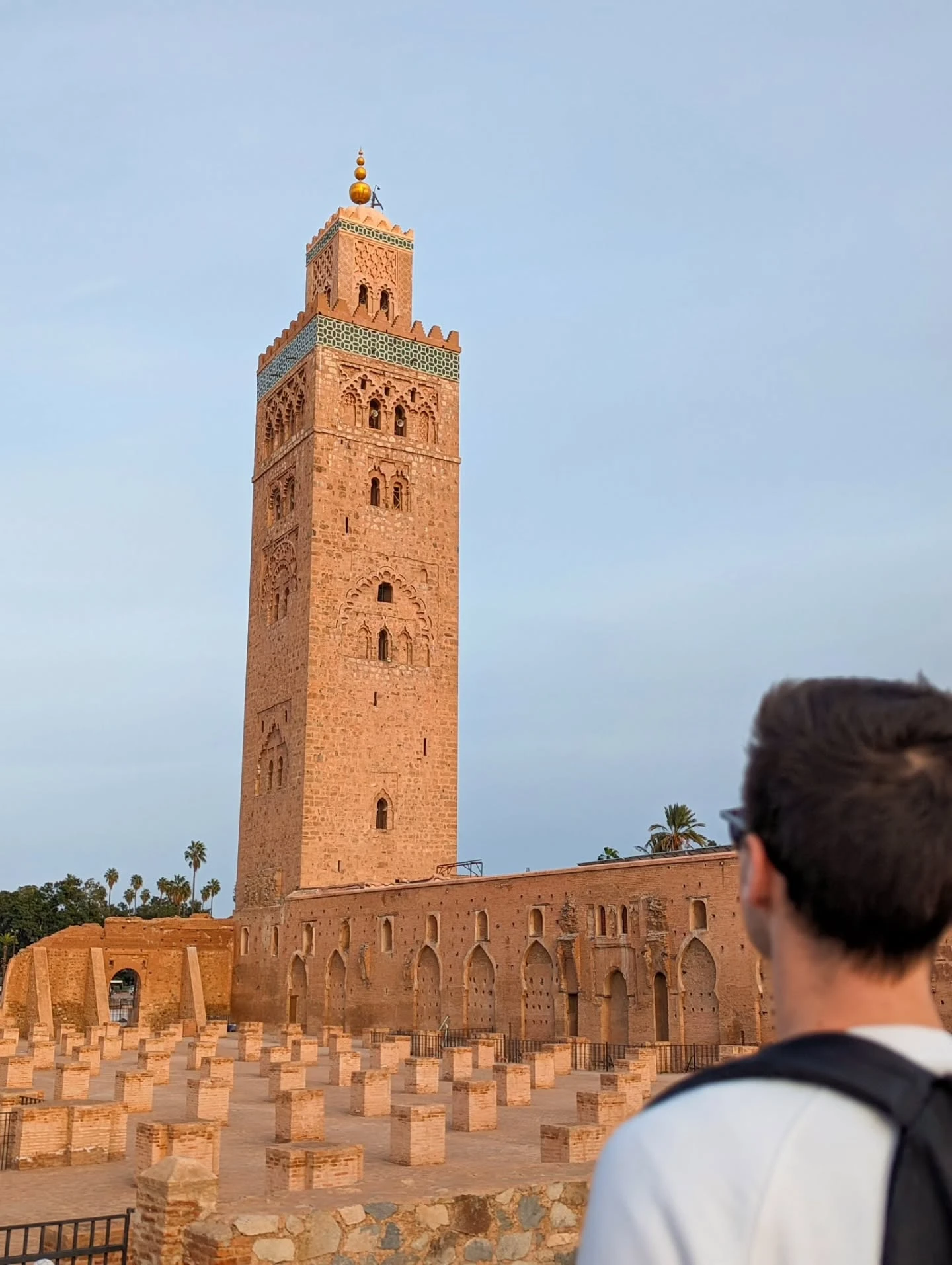

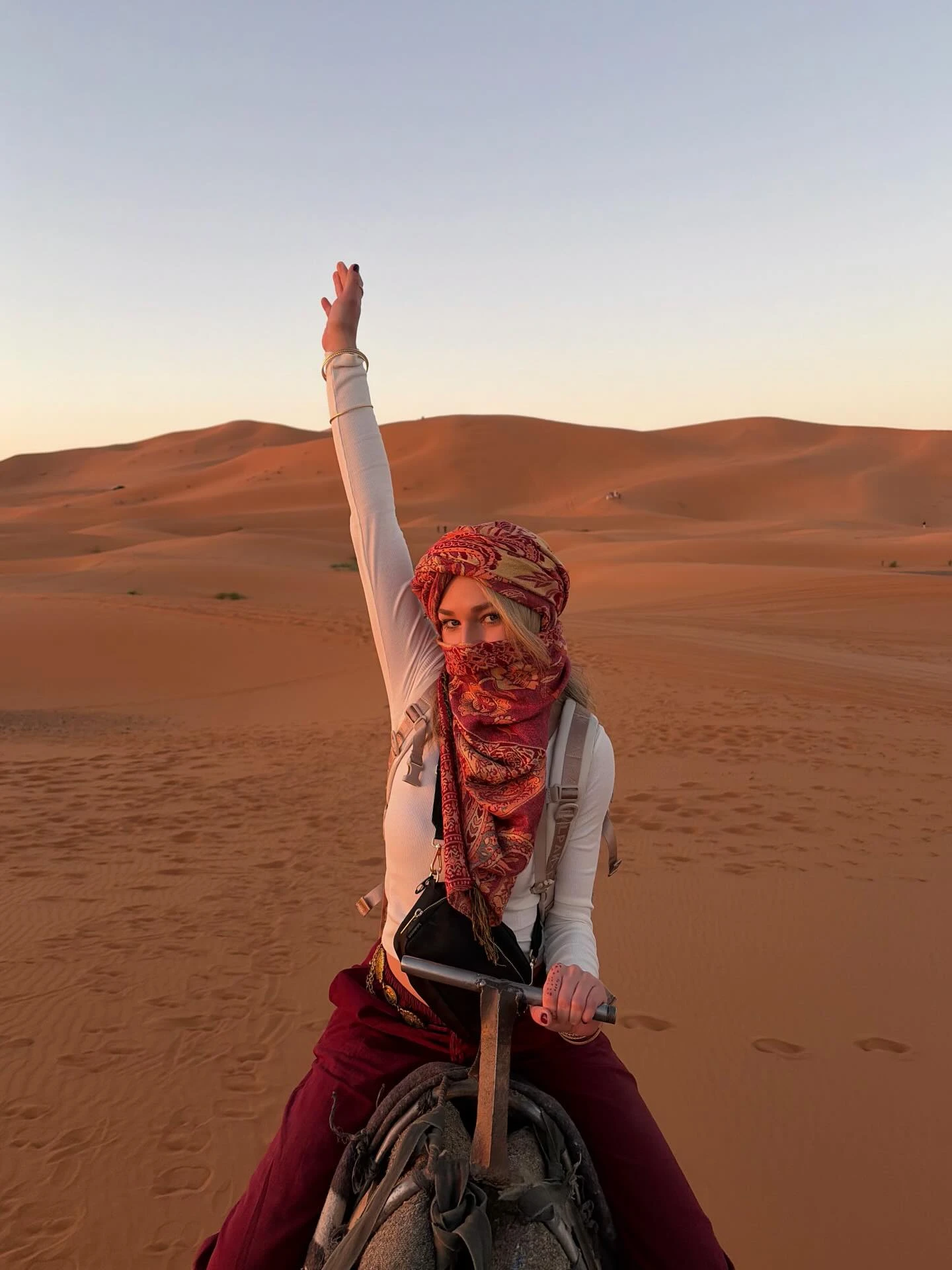
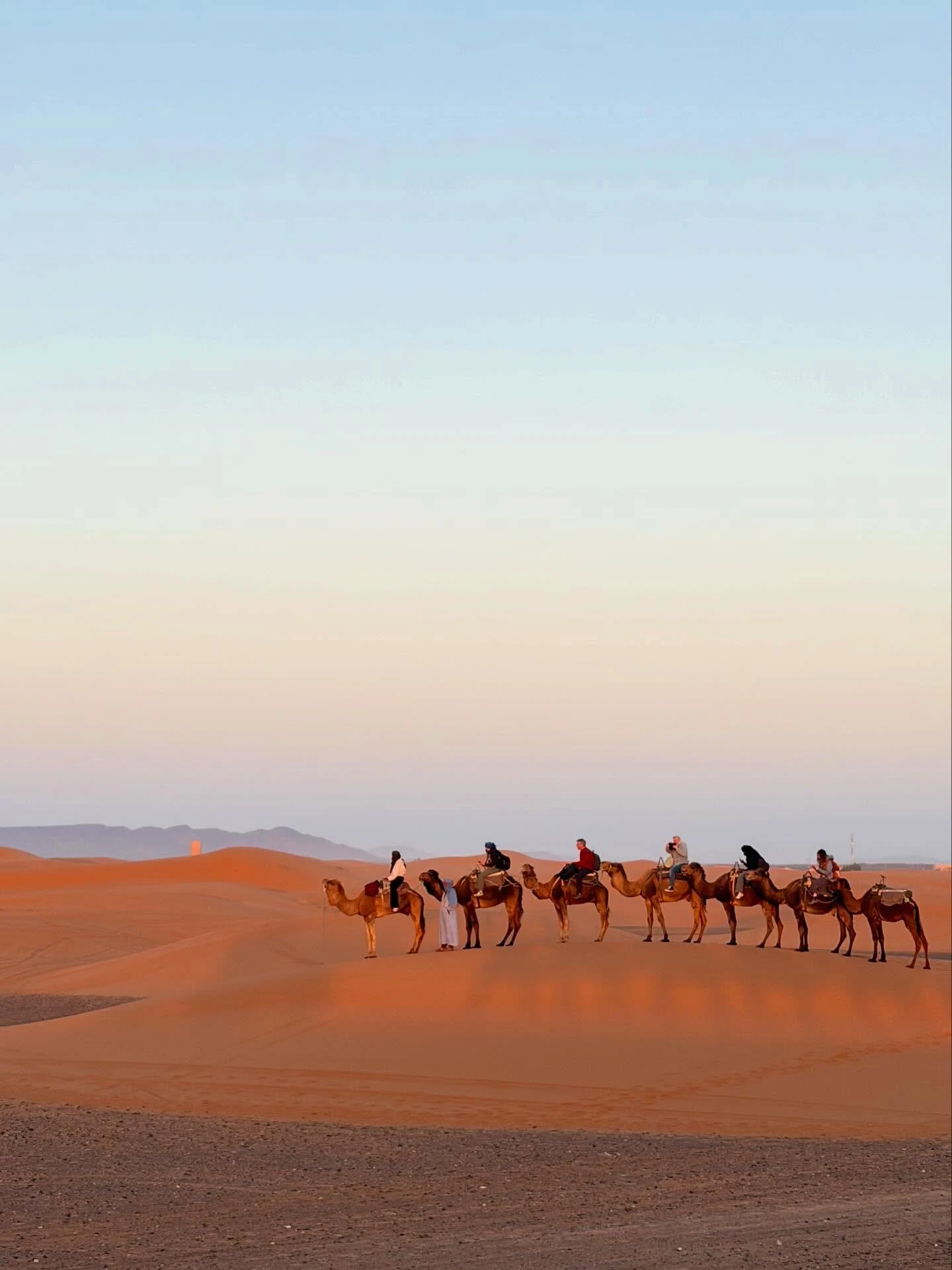
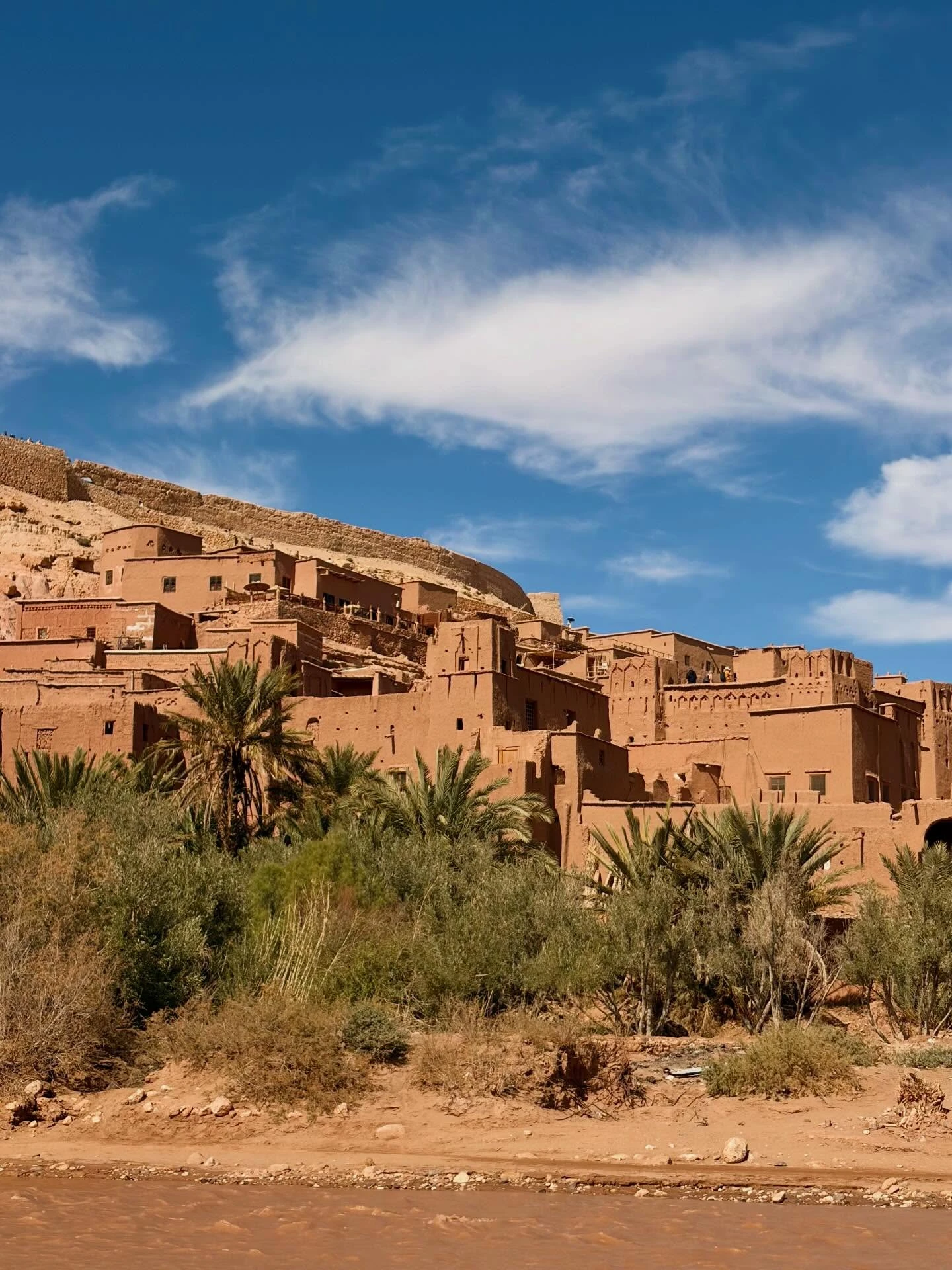
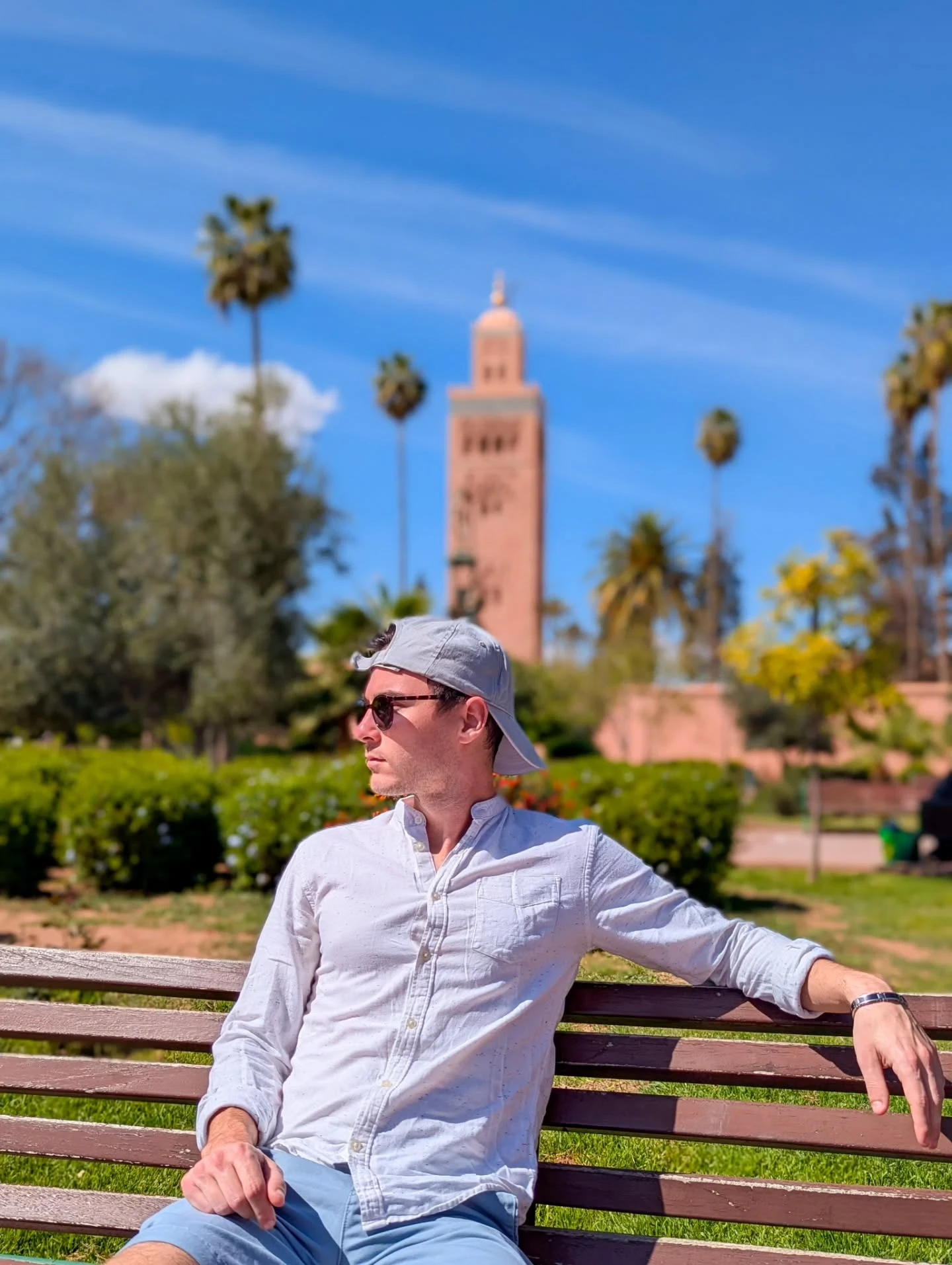
🌎 Is Morocco Safe to Visit Right Now? (May 2026)
This section reflects the current situation on the ground as of May 2026. All data is cross-referenced with official government advisories and verified by our team based in Marrakech and Casablanca.
Morocco is open, safe, and thriving for tourists right now
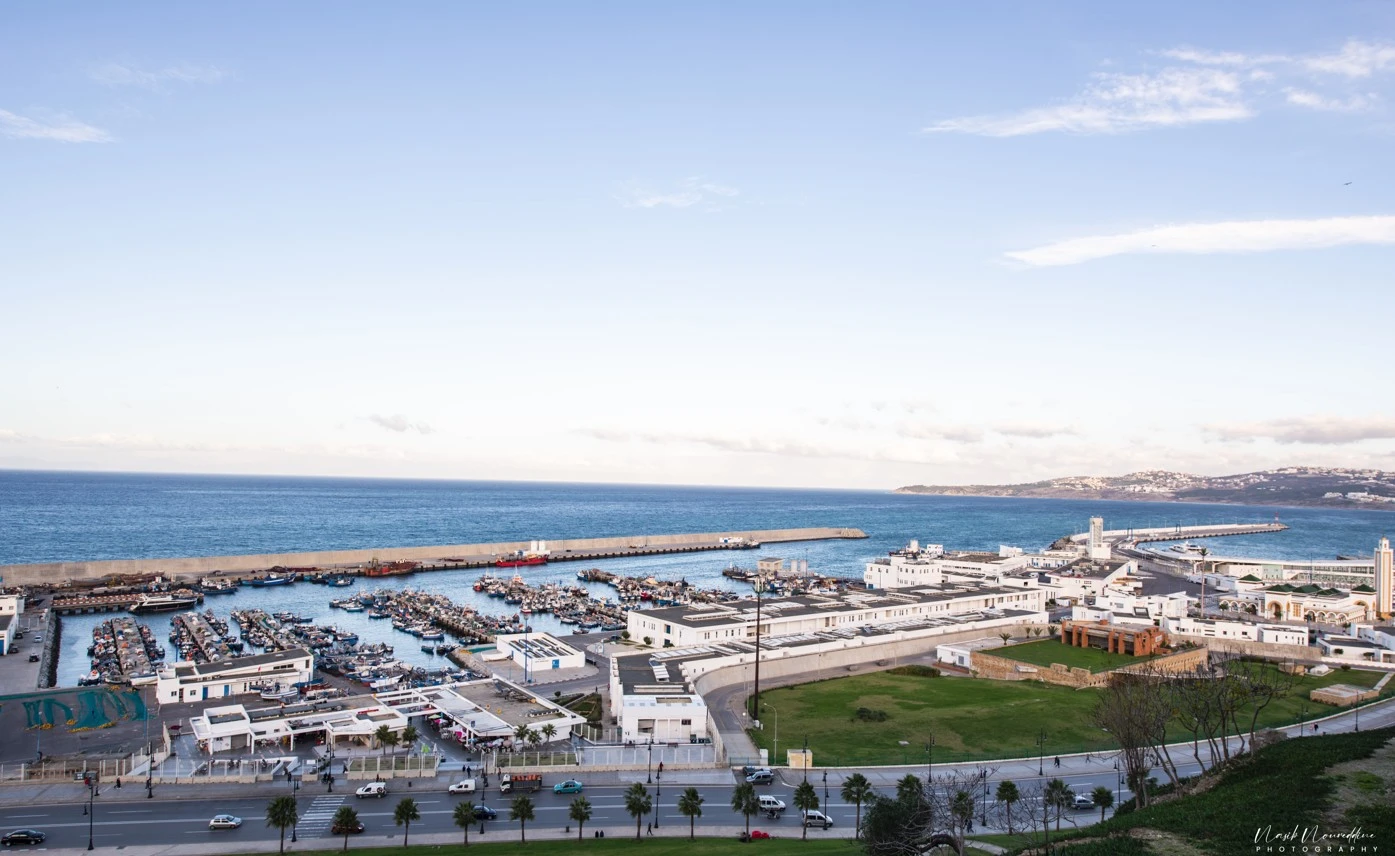
There are no active security incidents affecting tourist areas. All major cities — Marrakech, Fes, Casablanca, Chefchaouen, Tangier, and Agadir — are fully operational and welcoming visitors. Tourist police are deployed at higher levels than ever ahead of the 2030 FIFA World Cup preparations. The spring season (March–May) is considered the finest time to visit Morocco, with ideal temperatures and post-Ramadan energy across the country.
Morocco’s security forces have maintained an excellent track record of protecting visitors. The country has not experienced any major incident targeting tourists since 2011 — a 15-year record that speaks for itself. Morocco’s deep alliances with Western partners, especially the United States, further reinforce the country’s profile as one of the most stable and security-conscious nations in the entire Mediterranean and African region.
🌍 What Official Travel Advisories Say About Morocco in 2026
Every major Western government confirms that Morocco is safe to visit. None of them advise against travel to Morocco’s tourist destinations. Below is an honest, complete summary of what the advisories actually say — including the reassuring context that is often left out.
Sources verified May 2026: U.S. State Department · UK FCDO · Australian Smart Traveller
A critical point of context: the U.S. State Department’s Level 2 rating for Morocco was assigned alongside France, Germany, Italy, Spain, and the UK — all due to a generalized terrorism awareness posture across the region. Morocco is rated identically to Europe’s most popular tourist countries. There is no specific or imminent threat identified in Morocco. What all advisories agree on is that Moroccan security forces are professional, effective, and highly active in protecting visitors.
The U.S. Embassy in Rabat has specifically noted that Morocco’s dedicated, professional, and highly competent police and security professionals have taken robust actions to guard against terrorist attacks and continue to disrupt groups aspiring to attack Western-affiliated targets. This is a remarkably direct endorsement of Moroccan security capabilities from a Western government.
🇺🇸 The U.S.–Morocco Partnership: Why It Matters for Your Safety
Morocco is not merely considered safe — it is one of America’s most trusted strategic allies in the entire African and Mediterranean region. The depth of this partnership is a powerful, concrete indicator of how stable and security-conscious Morocco truly is. When assessing whether a country is safe to visit, few signals carry more weight than the posture of allied governments toward it.
One of America’s oldest and deepest alliances in the Arab world
Morocco holds a unique place in global diplomacy: it was the first nation in the world to recognize American independence in 1777, and the two countries share the world’s oldest unbroken treaty relationship, renewed and expanded continuously since 1786. This centuries-deep bond has translated into a modern strategic alliance of remarkable breadth — spanning defense, intelligence, counterterrorism, trade, and investment.
In 2004, Morocco became one of the very few Arab countries to sign a Free Trade Agreement (FTA) with the United States, cementing its status as a major non-NATO ally and preferred economic partner. The FTA reinforced Morocco’s institutional and economic stability — the same foundations that make it a safe, well-governed destination for international visitors.
The African Lion joint military exercises — held annually on Moroccan soil and involving thousands of U.S., Moroccan, and partner nation troops — represent one of the largest military cooperation exercises on the African continent. This level of integrated defense cooperation reflects the highest tier of trust between allied nations.
The practical significance for travelers is clear: a country that hosts annual joint military exercises with the United States, holds a Major Non-NATO Ally designation, and maintains the oldest bilateral treaty relationship with America is a country whose security institutions are thoroughly vetted, trusted, and integrated with the West’s most capable defense apparatus. This is not the profile of an unsafe destination — it is the profile of one of the world’s most stable and allied nations.
🏠 Official Moroccan Security & Tourism Authorities
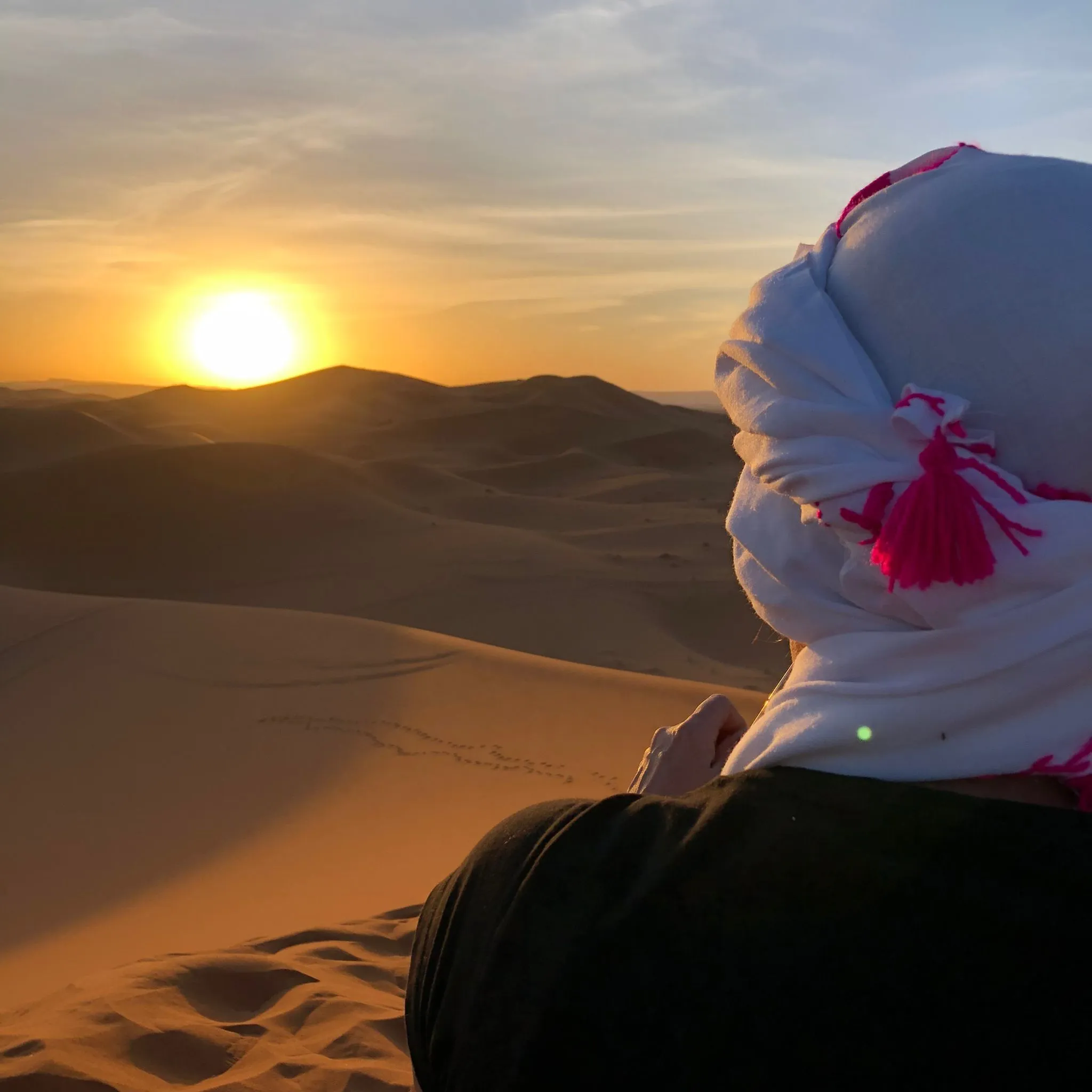
🗺️ Is Morocco Safe by Region: Every Major Destination
Morocco is a large and geographically diverse country. Every major tourist destination has an excellent safety record. The table below gives a clear at-a-glance overview of how safe Morocco is across all its key regions.
| Region / City | Safety Level | What to Expect |
|---|---|---|
| Marrakech | ✓ Safe | Morocco’s most visited city, fully tourist-friendly with strong police presence; stay aware in busy market areas |
| Fes (Fez) | ✓ Safe | Ancient medina is a UNESCO wonder and one of the world’s great travel experiences; book guides through official channels |
| Casablanca | ✓ Safe | Modern, cosmopolitan city with standard urban awareness; excellent transport and infrastructure |
| Chefchaouen | ✓ Very Safe | Consistently Morocco’s most relaxed and hassle-free town — outstanding for solo travelers and families |
| Sahara Desert (Merzouga) | ✓ Safe | One of Morocco’s most spectacular experiences; use licensed operators — infrastructure has improved significantly |
| Agadir | ✓ Very Safe | Morocco’s most resort-like city, popular with families and beach-seekers; very relaxed atmosphere |
| Tangier | ✓ Safe | Dramatically transformed in recent years into a vibrant, modern city; first-time visitors are regularly impressed |
| High Atlas Mountains | ✓ Safe | Magnificent trekking and Berber village experiences; verify trail conditions locally post-2023 earthquake recovery |
| Essaouira | ✓ Very Safe | Relaxed Atlantic coast UNESCO city loved for its art scene, windsurfing, and easygoing character |
| Western Sahara border zone | ⓘ Not a Tourist Destination | Remote frontier area, not part of any standard tourist itinerary; check advisories if visiting for specific purposes |
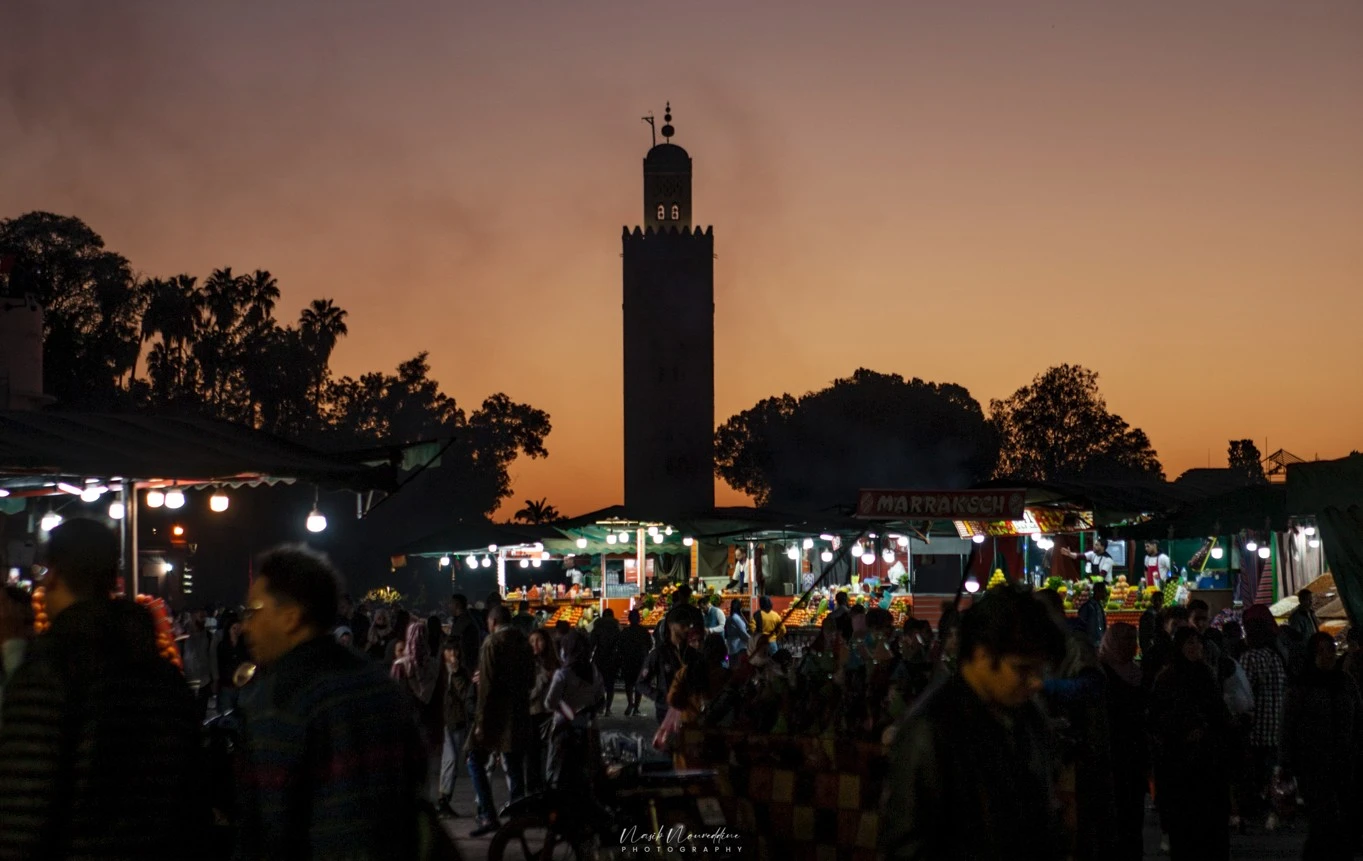
🏠 A Local Perspective: Living and Traveling in Morocco
Safety guides written from the outside can only tell you so much. Here is what the experience actually looks like from someone who lives it every day.
What tourists rarely hear — but should know
I want to be direct with you: Morocco is genuinely safe. Even as a Moroccan visiting tourist-heavy parts of Marrakech or Fes, the most I ever encounter is someone offering a service I didn’t ask for. A simple, confident “no thank you” ends the interaction immediately. Nobody follows you, nobody gets aggressive. This is commerce, not threat — and it is far less intense than what you experience in many tourist districts across Europe.
The one practical tip I give every visitor is to use taxis or Careem rather than crowded public buses. Petit taxis are inexpensive and direct, and the national train network (ONCF) is one of the best in Africa for intercity travel — punctual, air-conditioned, and affordable. This is a comfort recommendation as much as anything else. Read our full guide: Traveling by Train in Morocco →
Morocco has changed enormously over the past decade, and that change is overwhelmingly positive. The country is investing in its future as a world-class destination, and the hospitality that Moroccan culture places at its core is not a tourist industry construct — it is something deeply real. Visitors who come with open curiosity almost universally leave wanting to come back.
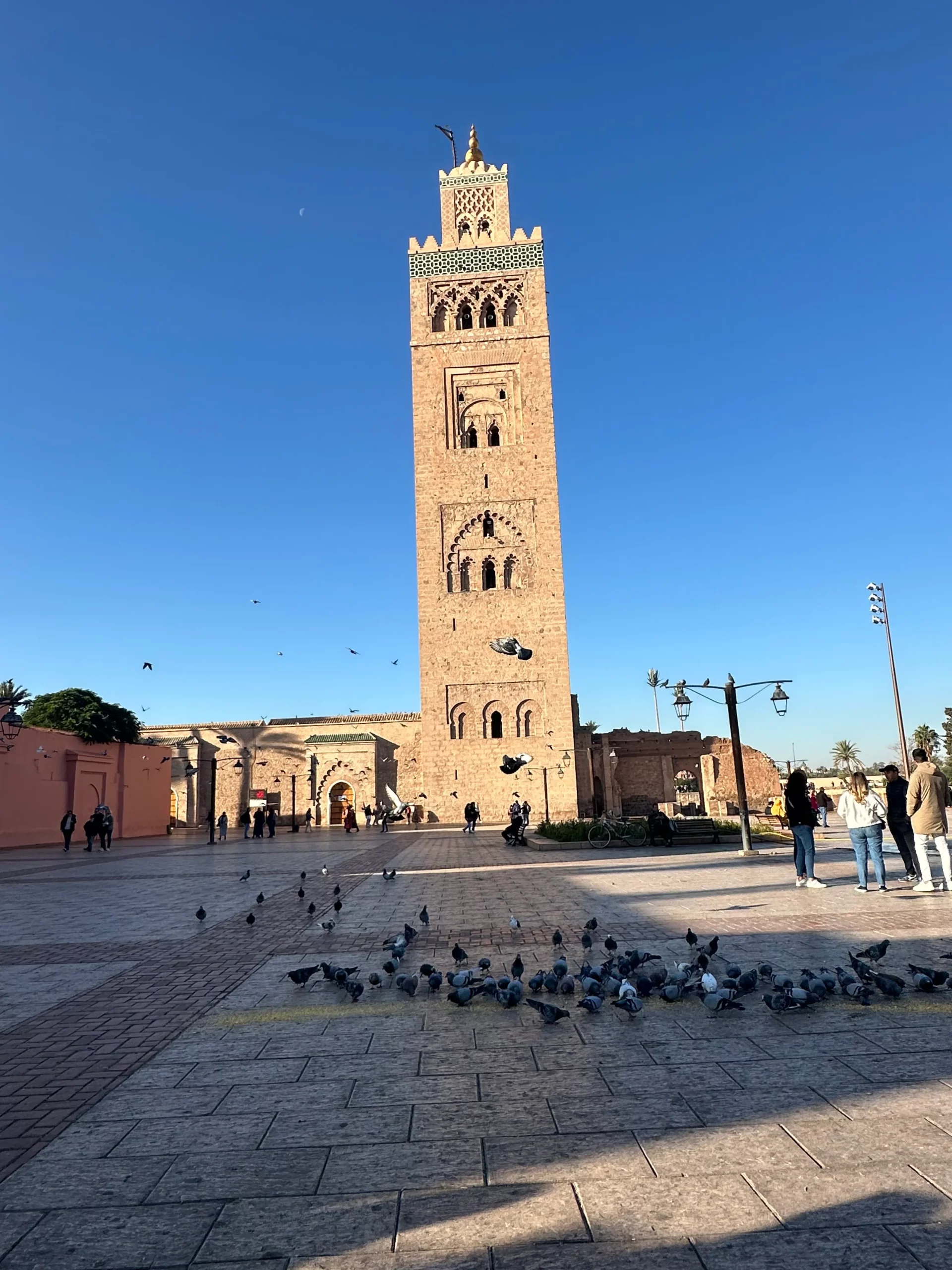
🎭 Common Tourist Situations & How to Navigate Them
The most common “challenges” in Morocco are not safety issues — they are commercial situations that tourists who know local customs handle with ease. Understanding them before you arrive removes all uncertainty.
1. Friendly Vendor Approaches
In busy tourist areas, vendors may approach you enthusiastically. A confident, cheerful “no thank you” or “la shukran” (Arabic) is all it takes. Most Moroccans are genuinely friendly and interactions are brief and non-threatening. Licensed guides help you navigate busy areas smoothly — book through your hotel or a recognized agency for the best experience.
2. Agreeing Prices in Advance
For services like henna, photos with animals, or market goods, it is good practice to confirm the price beforehand. This is true in any market-based economy and simply removes ambiguity. Always agree on a specific price before any service starts.
3. Mint Tea Hospitality
Shopkeepers across Morocco may offer you mint tea as a sign of genuine hospitality. This is a cultural tradition, and there is absolutely no obligation to buy anything. You are welcome to enjoy the tea and leave empty-handed — Moroccan hospitality is not transactional.
4. Using Official Taxis and Apps
Official petit taxis are inexpensive and identifiable by their beige color in most cities. Careem and inDriver are widely available across Morocco’s major cities. For intercity travel, the ONCF train network is excellent. Using these options means arriving relaxed and at a fair price every time.
5. Licensed Guides for Medinas
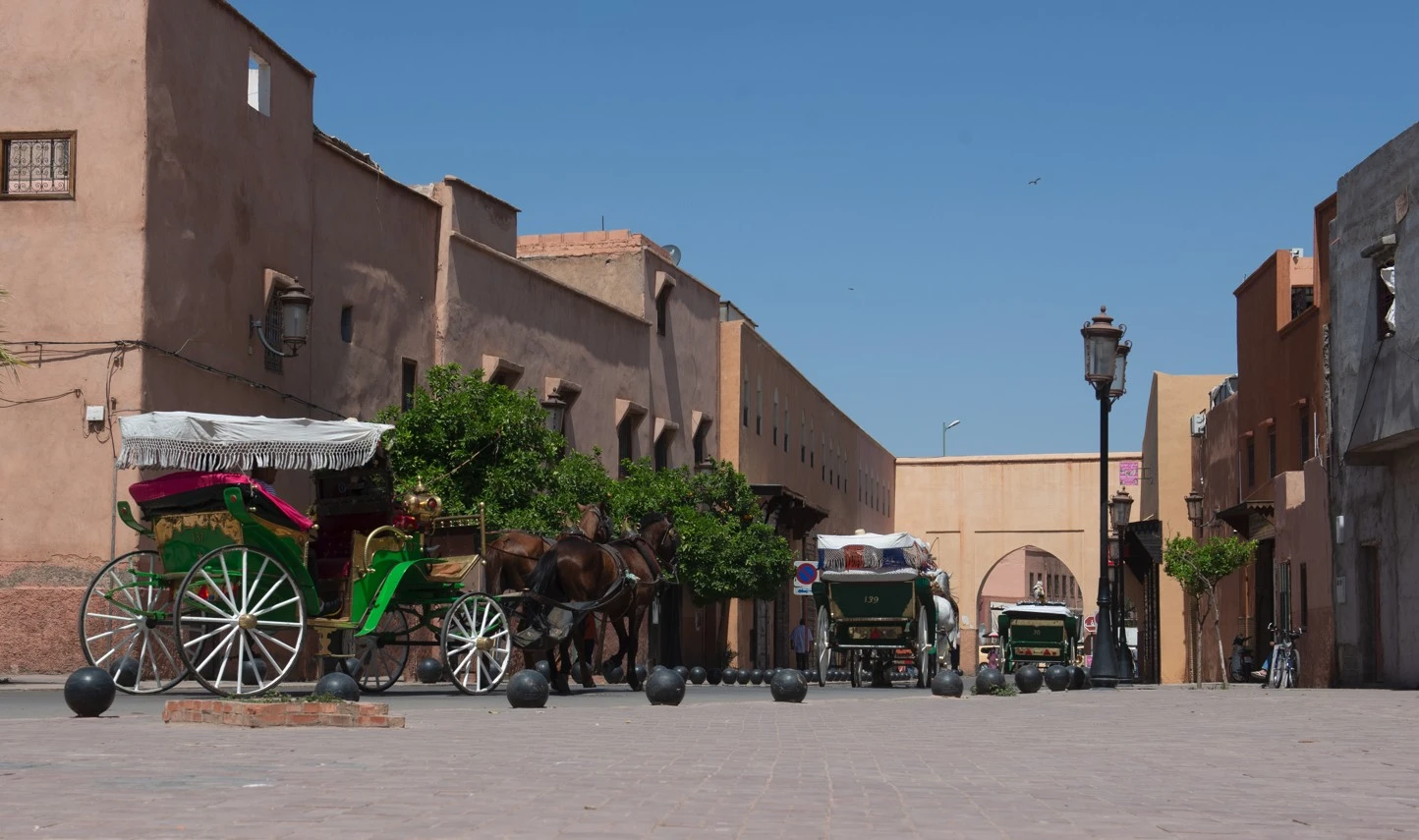
Morocco’s ancient medinas — particularly Fes and Marrakech — are extraordinary places that reward exploration. For the best experience, a licensed guide (identifiable by their official badge from the Ministry of Tourism) will unlock the depth of these places in ways that self-navigation simply cannot match. Your hotel can arrange this easily.
💬 Real Traveler Stories: What Visitors Say in 2025–2026
We reviewed recent threads from r/travel, r/Morocco, and r/solotravel to capture what visitors actually experienced. The picture is overwhelmingly positive.
👩 Is Morocco Safe for Solo Female Travelers?
Yes — Morocco is a popular and rewarding destination for solo female travelers. Hundreds of thousands of women travel Morocco solo every year and return with overwhelmingly positive experiences. The country’s culture places genuine importance on the wellbeing of guests.
- Dress modestly, especially in medinas and rural areas — a lightweight scarf is useful and culturally appreciated
- Walk with purpose and confidence; it projects ease and reduces unwanted attention
- Stay in well-reviewed riads with 24-hour reception — staff are an invaluable local resource and ally
- A simple “la shukran” (no thank you) or silence is the most effective response to persistent approaches
- Busy, lit medina streets and squares are lively and safe in the evenings — ideal for exploring
- Women-only and female-led tour groups exist and are a great option for extra camaraderie
- Tourist police are genuinely responsive — they are there for you, do not hesitate to approach them
- Chefchaouen and Agadir are widely regarded as the most relaxed cities for solo female travel
⚖️ Why 2026 Is a Great Year to Visit Morocco
✓ Reasons to Visit in 2026
- Outstanding value compared to Europe — your budget goes significantly further
- Extraordinary cultural and historical depth — four UNESCO-listed medinas
- World-class cuisine that surprises and delights nearly every visitor
- Remarkable landscape diversity: Sahara, Atlas, Atlantic coast, Rif mountains
- Genuine hospitality — Moroccan culture places guests in high regard
- Excellent flight connections, especially from Europe (under 3 hours)
- Al Boraq high-speed train connecting Casablanca to Tangier is world-class
- World Cup 2030 preparations have accelerated infrastructure at every level
- Tourism police presence is stronger and more professional than ever
- Spring season (March–May) offers perfect weather across the country
- Strong U.S.–Morocco alliance signals top-tier governance and stability
ⓘ Practical Things to Know
- Always confirm prices in medina markets before purchasing — standard practice
- Book licensed guides through your hotel or the Ministry of Tourism registry
- Only purchase alcohol from licensed hotels, restaurants, and shops
- Ramadan alters schedules and restaurant hours — plan meals accordingly
- July–August inland can be very hot — spring and autumn are ideal
- Drug possession carries severe legal penalties — zero tolerance
- LGBTQ+ visitors should be discreet in public spaces
- Use petit taxis or Careem rather than crowded public buses for comfort
🏥 Health & Practical Safety: What to Know
Morocco’s major cities have modern, well-equipped private clinics. Pharmacies (marked by a green crescent) are plentiful, well-stocked, and pharmacists frequently speak English and French. Here is a practical health checklist for travelers:
- No mandatory vaccinations are required to enter Morocco in 2026
- The CDC and UK TravelHealthPro recommend Hepatitis A & B, Typhoid, and Tetanus updates — consult your doctor 4–6 weeks before travel
- Ensure your MMR (measles) vaccination is current before traveling — a precaution recommended for any international travel in 2025–2026
- Avoid contact with stray animals and seek immediate medical attention after any bite or scratch — standard travel precaution globally
- Bottled water is inexpensive and widely available; also fine to use for brushing teeth in cities
- Traveler’s diarrhea is the most common complaint — pack oral rehydration sachets for comfort
- Travel insurance with medical coverage is strongly recommended — standard advice for any international trip
- Pharmacies are open late and can assist with most minor health concerns without an appointment
📋 Your Pre-Departure Safety Checklist
❓ Frequently Asked Questions About Safety in Morocco
Is Morocco safe to visit in 2026?
Yes, absolutely. Morocco is confirmed safe to visit by every major Western government in 2026. The U.S. State Department, UK FCDO, and Australian Smart Traveller all advise normal travel to Morocco with no warnings against visiting any tourist destination. Morocco’s dedicated tourist police, professional security forces, status as a U.S. Major Non-NATO Ally, and deep culture of hospitality make it one of the most welcoming destinations in Africa and the broader Mediterranean region. The country welcomed a record 17.4 million visitors in 2024, and that momentum has continued strongly into 2025 and 2026.
Is Morocco safe right now in May 2026?
Yes. As of May 2026, Morocco is fully open and welcoming tourists across all major destinations. There are no active incidents affecting tourist areas. The spring season (March–May) is one of the finest times to visit — ideal temperatures, beautiful landscapes, and a vibrant post-Ramadan energy. Morocco’s security presence has been enhanced as the country prepares for the 2030 FIFA World Cup, and its close strategic partnership with the United States continues to reinforce the country’s stability.
What is the relationship between the U.S. and Morocco, and why does it matter for safety?
The U.S.–Morocco relationship is one of the world’s oldest bilateral alliances — Morocco was the first nation to recognize American independence in 1777. Today, Morocco holds the designation of U.S. Major Non-NATO Ally, participates in annual African Lion joint military exercises with U.S. forces, and has maintained a free trade agreement with the United States since 2006. The U.S. also formally recognized Moroccan sovereignty over Western Sahara in 2020. This deep alliance is a concrete indicator of Morocco’s governance, stability, and security capabilities — all of which directly benefit tourists visiting the country.
Why does the U.S. State Department rate Morocco Level 2?
The Level 2 rating reflects a generalized regional terrorism awareness posture — not a specific threat to tourists in Morocco. Importantly, the U.S. State Department applied this same Level 2 rating to France, Germany, Italy, Spain, and the United Kingdom. Morocco is therefore rated identically to Europe’s most visited countries. The State Department also specifically praises Moroccan security forces for their professionalism and effectiveness in protecting visitors.
Is Morocco safe for solo female travelers?
Yes. Morocco is a popular and rewarding destination for solo female travelers. Hundreds of thousands of women travel Morocco solo each year with overwhelmingly positive experiences. Dressing modestly, walking with confidence, staying in well-reviewed riads, and exploring with a licensed guide in busy medinas are the key ingredients for a smooth, enjoyable trip. Chefchaouen and Agadir are particularly praised for their relaxed, hassle-free atmospheres.
What is the safest city in Morocco for tourists?
Agadir and Chefchaouen are consistently regarded as the most relaxed, hassle-free cities for tourists. Agadir is a modern beach resort city with a very international atmosphere and minimal medina pressure — excellent for families. Chefchaouen is a small, famously beautiful mountain town known for its calm character and stunning blue-painted old quarter. Both are ideal starting points for first-time visitors to Morocco.
Is Morocco safe for families with children?
Morocco is an excellent family destination. Moroccan culture genuinely loves children, and families consistently report being treated with exceptional warmth everywhere they go. Agadir — with its beaches, resort facilities, and relaxed atmosphere — is particularly popular with families. Marrakech offers a stimulating, colorful experience that children often love. The country’s food culture, accessibility, and range of activities make it a genuinely rewarding family adventure.
Do I need travel insurance for Morocco?
Travel insurance is strongly recommended as standard practice for any international trip, and Morocco is no exception. Comprehensive coverage including medical emergencies and trip cancellation gives you complete peace of mind. Private hospital care in Morocco is of good quality and, with insurance, straightforward to access. Both the U.S. State Department and FCDO recommend comprehensive travel insurance before any international travel.
Is Morocco safe after the 2023 earthquake?
Yes. Tourist infrastructure in Marrakech and all major cities recovered quickly after the September 2023 Al-Haouz earthquake. The earthquake primarily affected rural villages in a specific area of the High Atlas. If you plan to trek in the High Atlas, verify current trail conditions with local operators — some routes were rerouted during recovery — but the mountains remain a safe and magnificent destination with outstanding trekking experiences.
🌟 Final Verdict: Morocco Is Safe — Here’s Why 2026 Is the Right Time to Go
The answer is clear: Morocco is safe, welcoming, and more visitor-ready than at any point in its modern history. Every major government advisory confirms this. The country’s record tourism numbers, award-winning infrastructure improvements, enhanced security presence, and deeply ingrained culture of hospitality all point in the same direction.
The U.S.–Morocco strategic alliance — spanning the world’s oldest bilateral treaty, a free trade agreement, Major Non-NATO Ally status, and annual joint military exercises — places Morocco in an elite category of stability and Western partnership. This is not background detail; it is one of the most telling indicators of how safe and well-governed this country truly is.
The 2030 FIFA World Cup is accelerating every positive trend: better transport connections, improved tourist infrastructure, stronger police presence in key areas, and a government that understands Morocco’s international reputation as a premier destination is something worth protecting and building upon.
What Morocco offers is genuinely difficult to find elsewhere: ancient Islamic civilization, living Berber heritage, Saharan landscapes, Atlantic coastlines, and some of the world’s most extraordinary cuisine — all within a few hours of Europe. Spring 2026 is an ideal moment to discover it.
The question is not whether Morocco is safe. The question is which part of Morocco you want to discover first.
Ready to Plan Your Morocco Trip?
Connect directly with our licensed Moroccan tour guide — personalized itineraries, private tours, and honest local advice available 7 days a week.
Chat with Our Guide on WhatsAppLicensed Tour Guide · +212 671 437 971 · Replies within minutes