Marrakech isn’t just a destination — it’s a sensory awakening. The moment you step into this imperial Moroccan city, you’re transported into centuries of living history, vibrant culture, and authentic experiences that few places on Earth can rival. From the hypnotic call to prayer echoing across terracotta rooftops to the intoxicating scent of spices drifting through centuries-old souks, Marrakech casts a spell on every traveler who arrives here.
For those seeking the best things to do in Marrakech, the challenge isn’t finding attractions — it’s knowing which ones to prioritize. The true magic lies not only in famous landmarks, but in the stories behind them, the hidden corners where everyday life unfolds, and the connections you forge with those who call this city home.
🏙️ Jemaa el-Fnaa
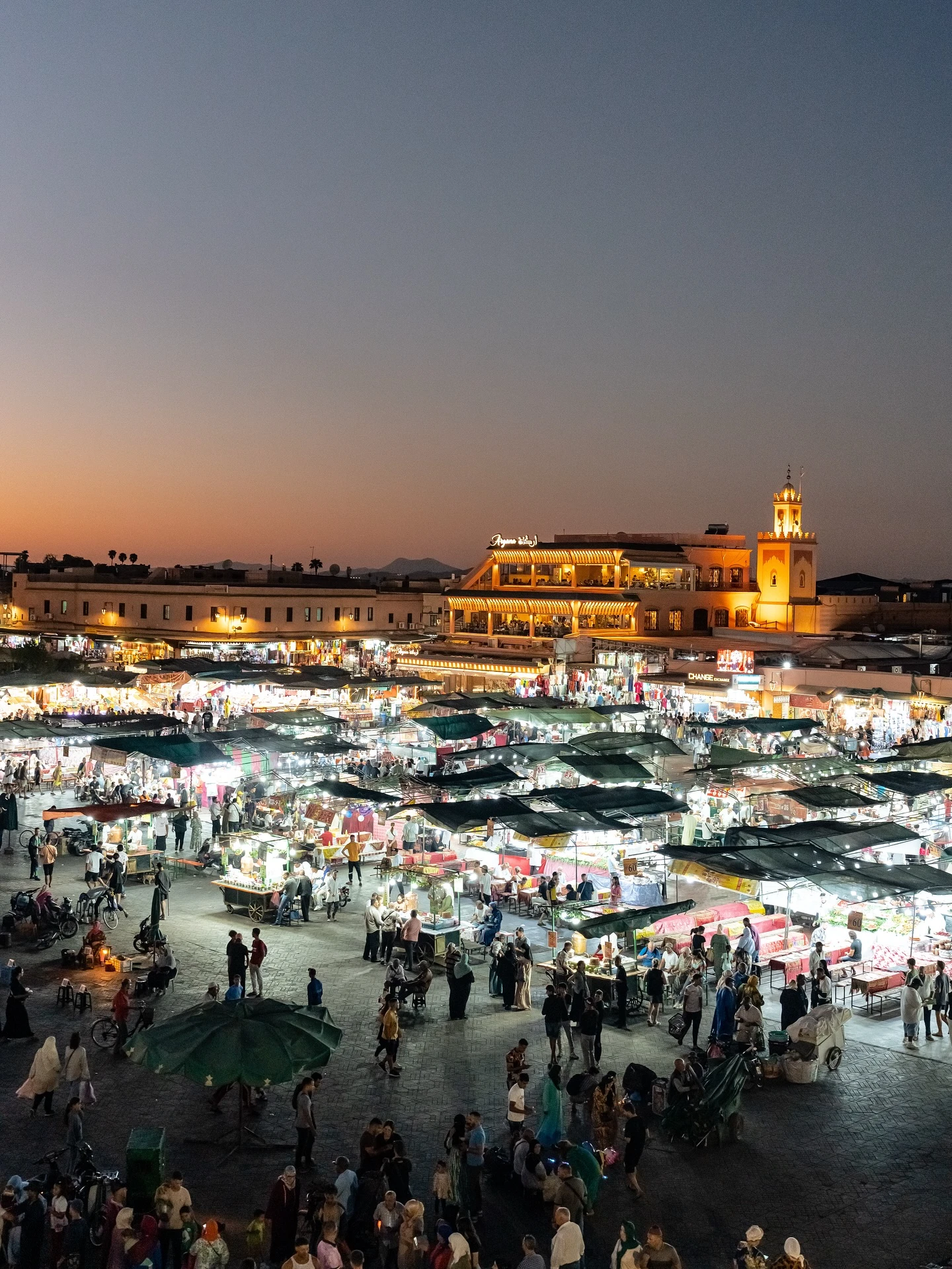
Jemaa el-Fnaa at dusk — UNESCO Masterpiece of Intangible Heritage since 2001
Every exploration of things to do in Marrakech begins here. Jemaa el-Fnaa is far more than a square — it’s a living theater where Morocco’s oral and performing traditions come alive in real time. Designated a UNESCO Masterpiece of Intangible Heritage in 2001, this legendary gathering place has captivated travelers since the 11th century.
During the day, vendors sell orange juice, freshly roasted nuts, and traditional crafts. But visit at sunset, and the square transforms completely. Food stalls ignite their grills releasing aromatic smoke, musicians strike up their instruments, snake charmers take their positions, and storytellers gather crowds with ancient tales told in Arabic and Darija. The energy is electric — this is where Marrakech reveals its true soul.
Arrive around 5:00 PM to watch the daytime markets wind down and evening energy build. Grab a café terrace seat, order fresh orange juice, and simply watch. The transformation is free and unforgettable. The square is well-policed and safe well into the night.
🛍️ The Medina & Traditional Souks
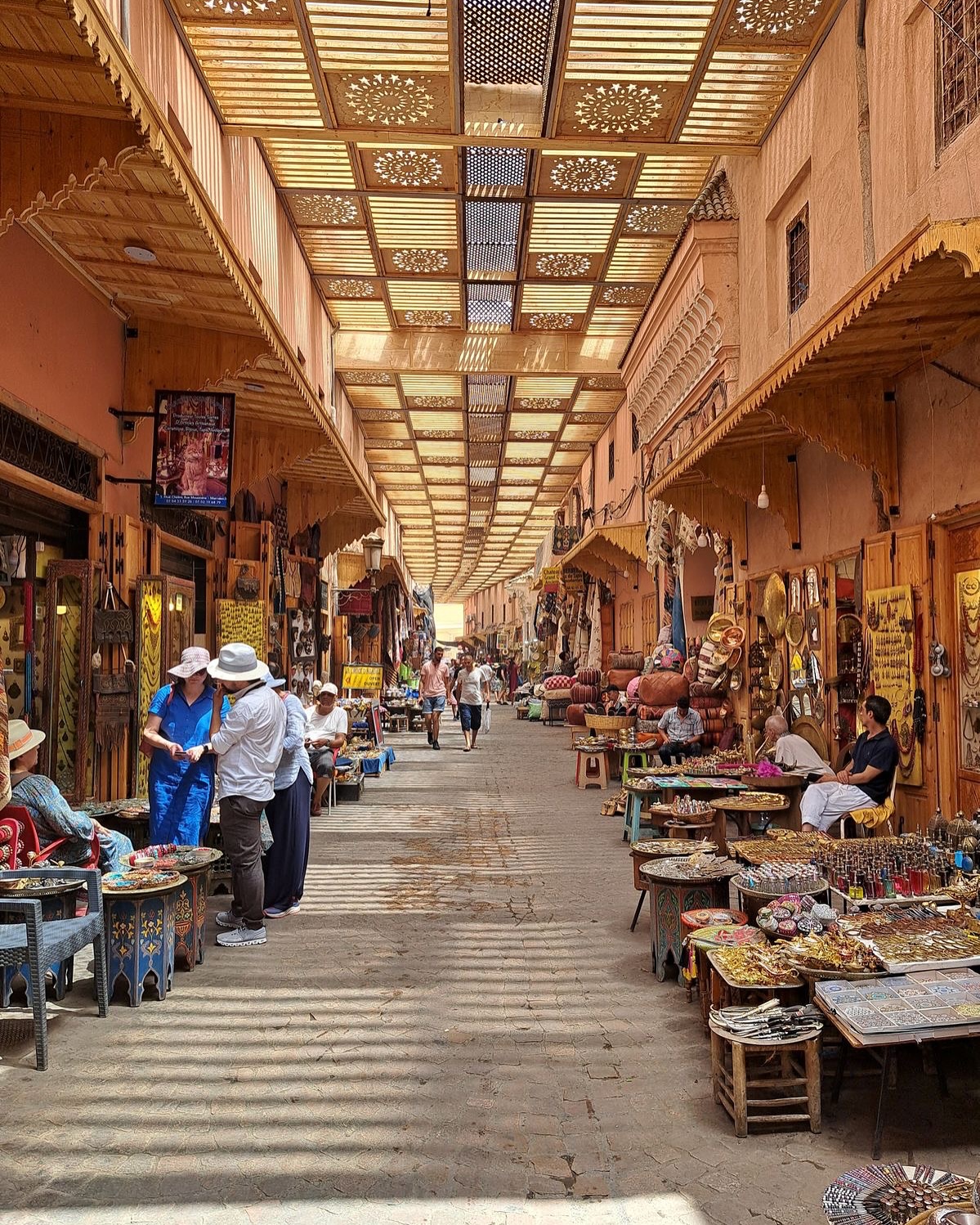
The labyrinthine souks of Marrakech’s UNESCO World Heritage medina
The medina — Marrakech’s UNESCO-listed old city — is a maze of narrow, covered alleyways where artisans have practiced their trades for generations. Navigating the traditional Marrakech souks is one of the most authentic experiences the city offers, and an essential item among the best things to do in Marrakech.
The Main Souks to Visit
Souk Semmarine is the medina’s main commercial artery, stretching from Jemaa el-Fnaa deep into the covered markets. Here you’ll find vibrant carpets, brass lanterns, traditional ceramics, and intricate silverware.
Souk el Attarine — The Spice Market
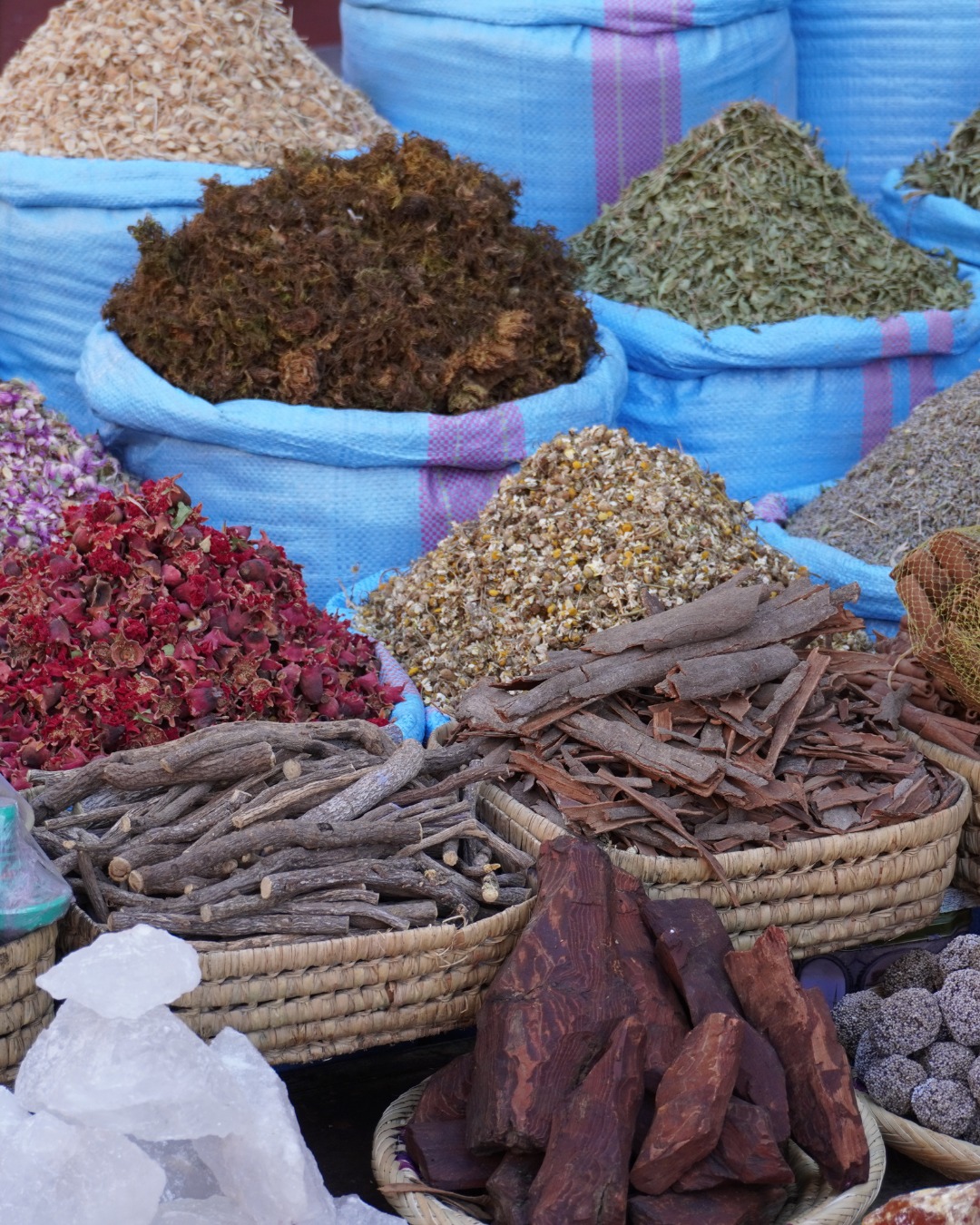
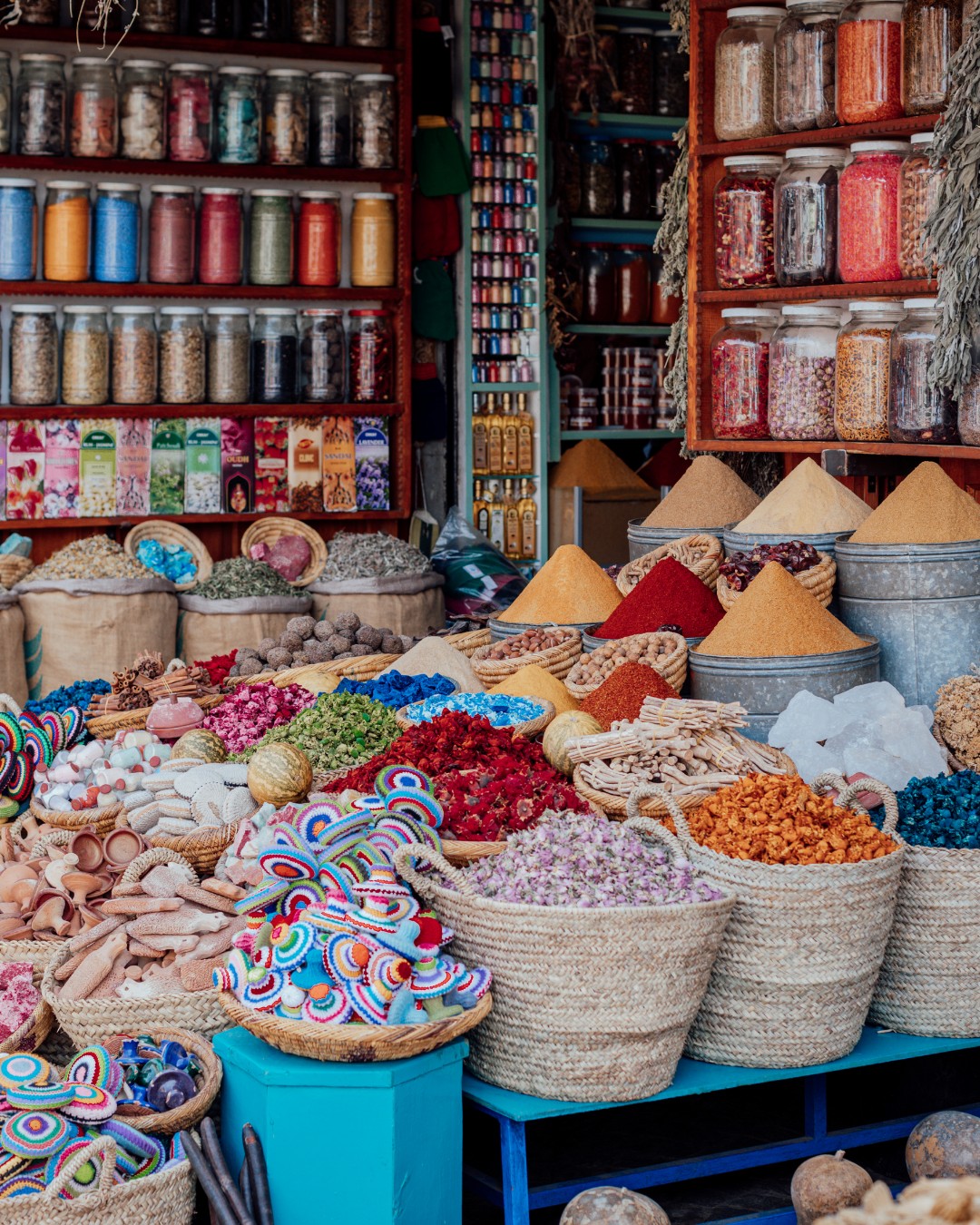
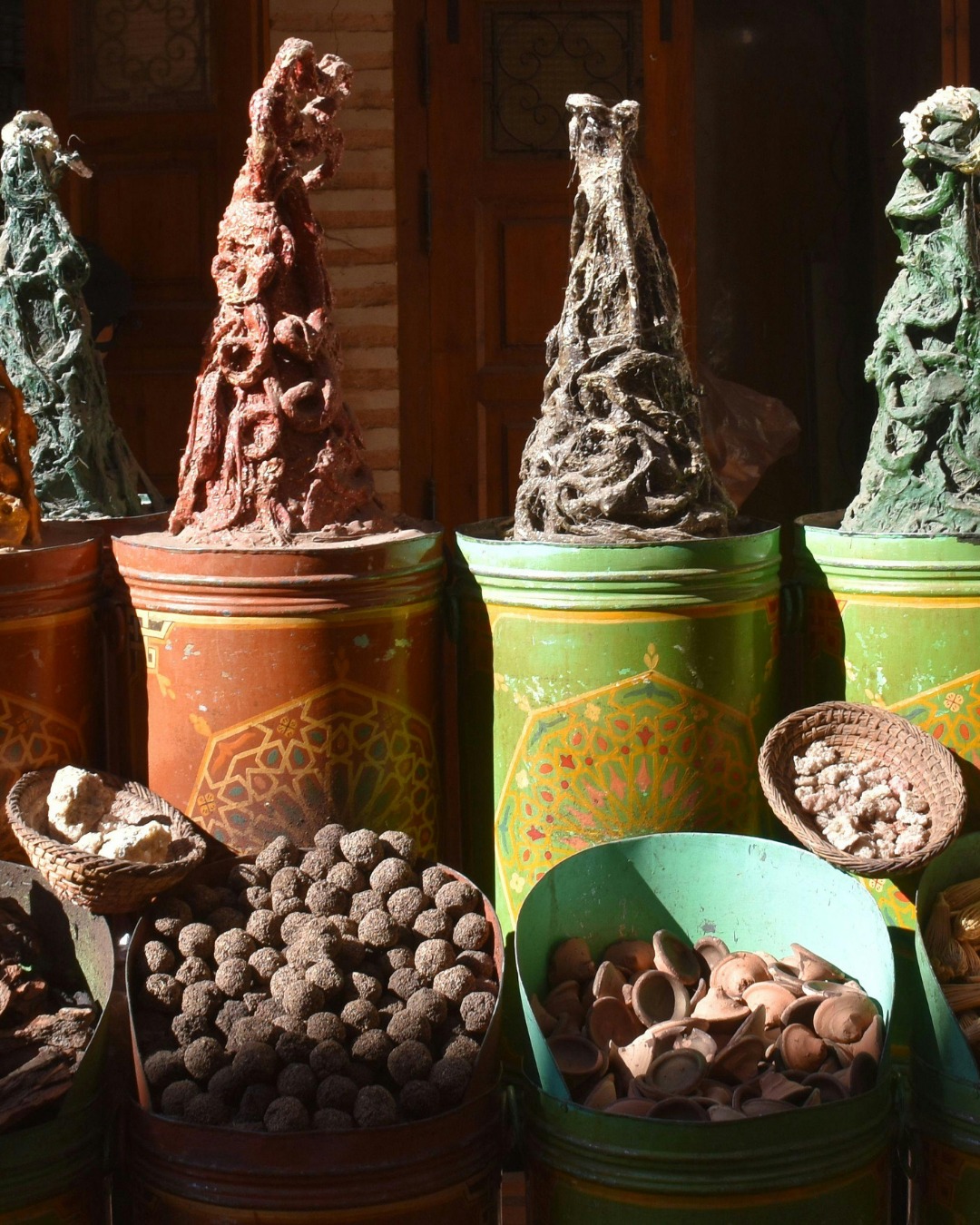
Souk el Attarine — where the air is perfumed with saffron, cumin, and Moroccan oils
Souk el Attarine is a feast for the senses: saffron, cumin, ras el hanout, argan oil, and orange blossom water fill the air. This is the best place to buy authentic Moroccan spices directly from the source.
Souk Teinturiers — The Dyers’ Quarter
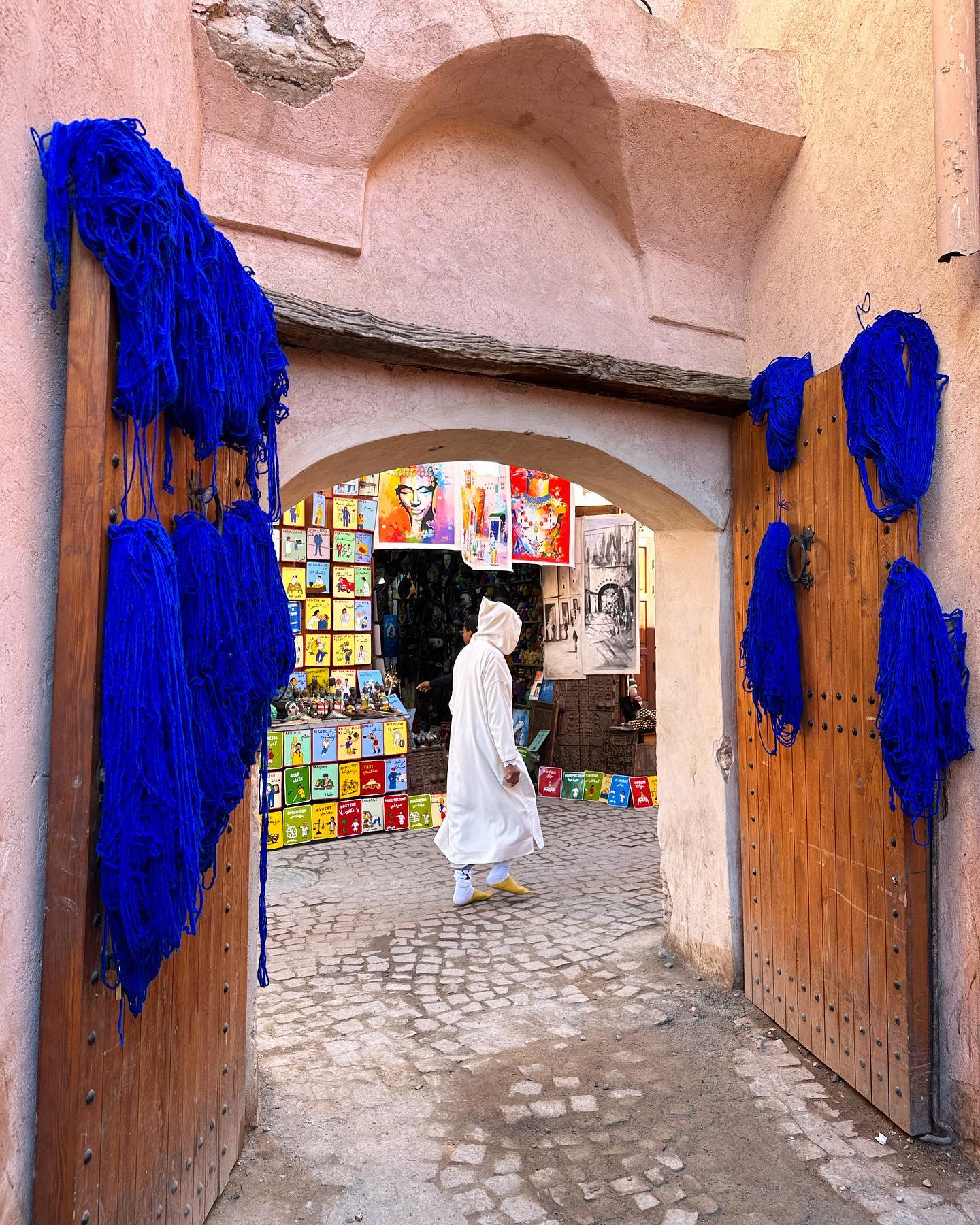
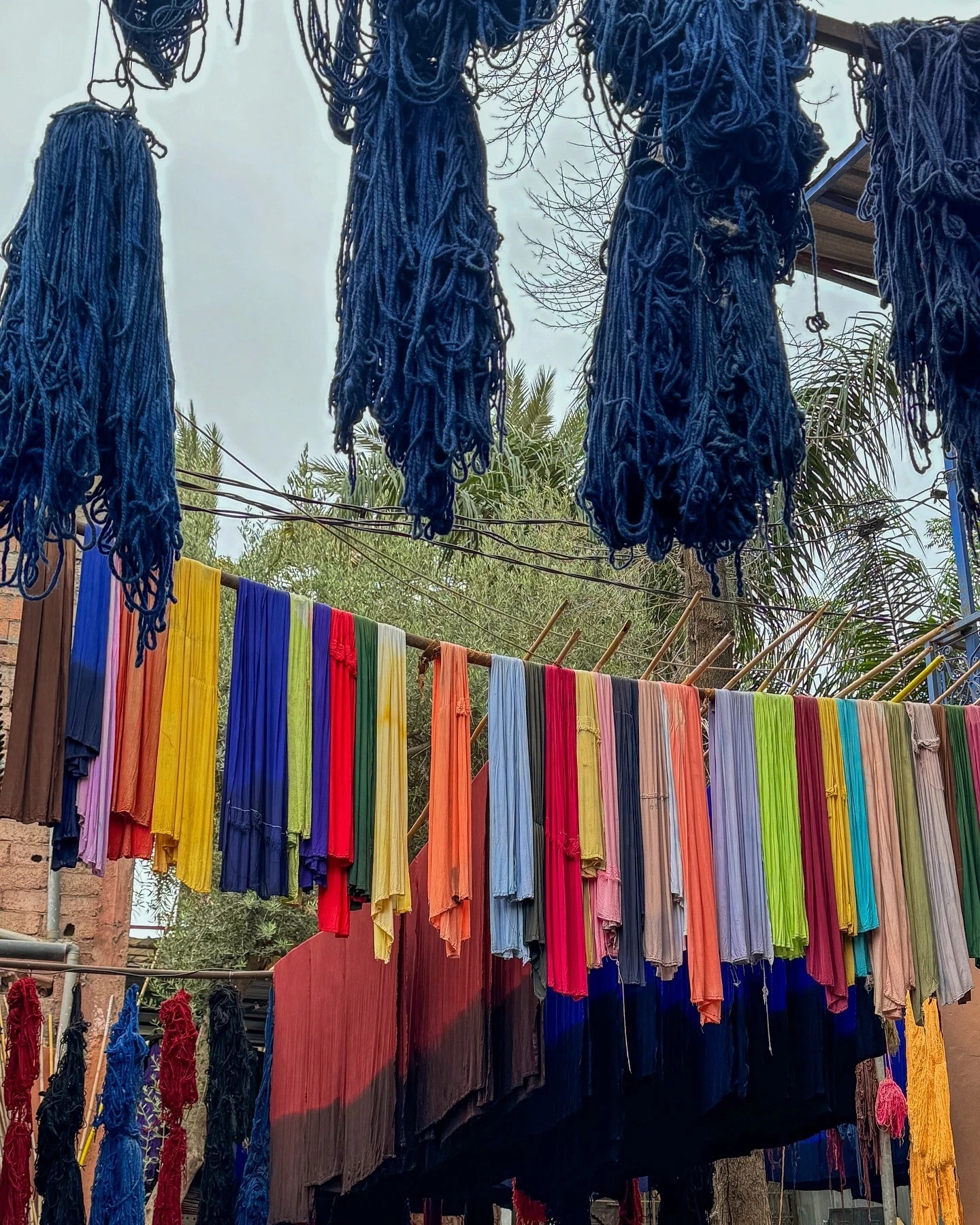
Souk Teinturiers — freshly dyed fabrics hanging like flags across narrow medina lanes
Souk Teinturiers is one of the medina’s most photogenic corners. Freshly dyed fabrics — vivid reds, saffron yellows, deep indigos — hang across narrow lanes like banners above the craftspeople below. Other essential souks include Souk Nejjarine for carved woodwork, and Souk Haddadine where blacksmiths craft metalwork in open workshops.
Haggling is expected and culturally respected — start at 60–70% of the asking price. Bring cash in Moroccan dirhams. Visit before noon for the best selection and fewer crowds. Best buys: handwoven rugs, leather babouches, argan oil, black soap, and artisan ceramics.
🌺 Majorelle Garden & Yves Saint Laurent Museum
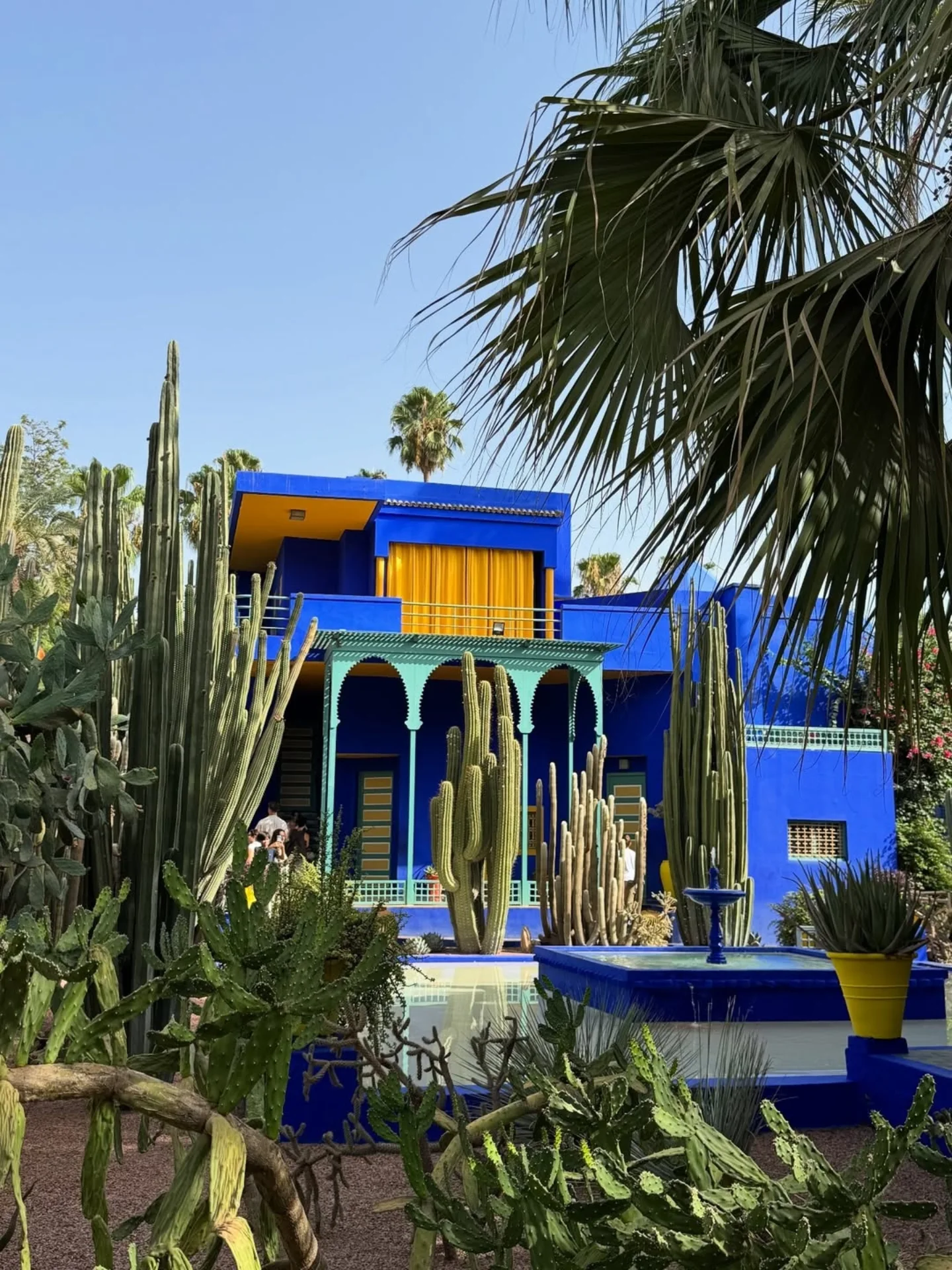
Jardin Majorelle — the cobalt-blue botanical paradise rescued by Yves Saint Laurent in 1980
One of Marrakech’s most iconic must-see attractions, Jardin Majorelle is a transcendent experience. Created by French artist Jacques Majorelle in the 1920s and rescued by fashion legend Yves Saint Laurent in 1980, this botanical paradise is famous for the brilliant Majorelle Blue — an intense ultramarine that defines its villa, fountains, and garden architecture.
Walking through the garden feels like stepping into a living painting. Exotic cacti, water lilies, bougainvillea, bamboo, and towering palms create varied microclimates. Hundreds of birds add birdsong to the sensory experience, and the central basin reflects the blue architecture in ever-shifting light.
| Info | Details |
|---|---|
| Opening Hours | Daily 8:00 AM – 6:30 PM (last entry 6:00 PM) |
| Admission | 70 MAD adults · Children under 12 free |
| Best Visit Time | 8:30–9:30 AM or after 4:00 PM |
| Combined Ticket | Garden + YSL Museum + Berber Museum (save time & money) |
Early morning offers soft light and small crowds — ideal for photography. The garden at sunset is equally spectacular. Purchase the combined ticket for the YSL Museum and Berber Museum to maximize your visit.
🏛️ Bahia Palace & Saadian Tombs
Bahia Palace
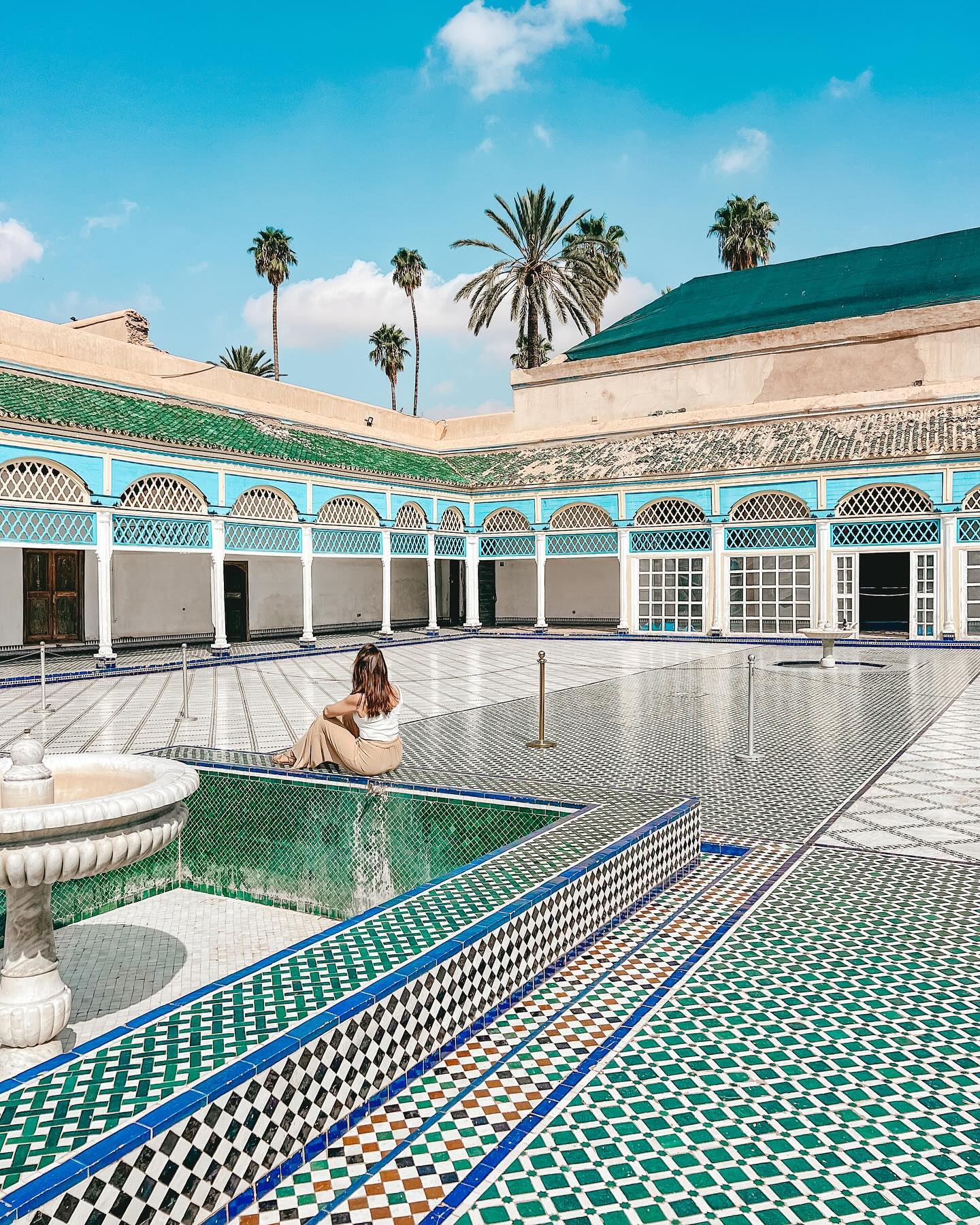
Bahia Palace — the “Brilliance” of 19th-century Moroccan palatial architecture
Built in the 19th century, Bahia Palace exemplifies the opulence and artisanal sophistication of Morocco’s golden age. The name means “brilliance” in Arabic — and brilliance is precisely what you find here. Spanning 2 acres, the palace features stunning stucco work, intricate zellige mosaics, carved cedar ceilings, and Italian marble floors.
The architectural highlight is the Grand Courtyard, a vast chamber decorated with geometric marble patterns and surrounded by carved wooden galleries. Every room showcases the exceptional craftsmanship of Moroccan artisans — from zaouak painted ceilings to zellij tilework.
| Info | Details |
|---|---|
| Opening Hours | Daily 9:00 AM – 5:00 PM |
| Admission | ~120 MAD (~11.99 EUR) |
| Tip | Book skip-the-line with a licensed local guide |
Saadian Tombs
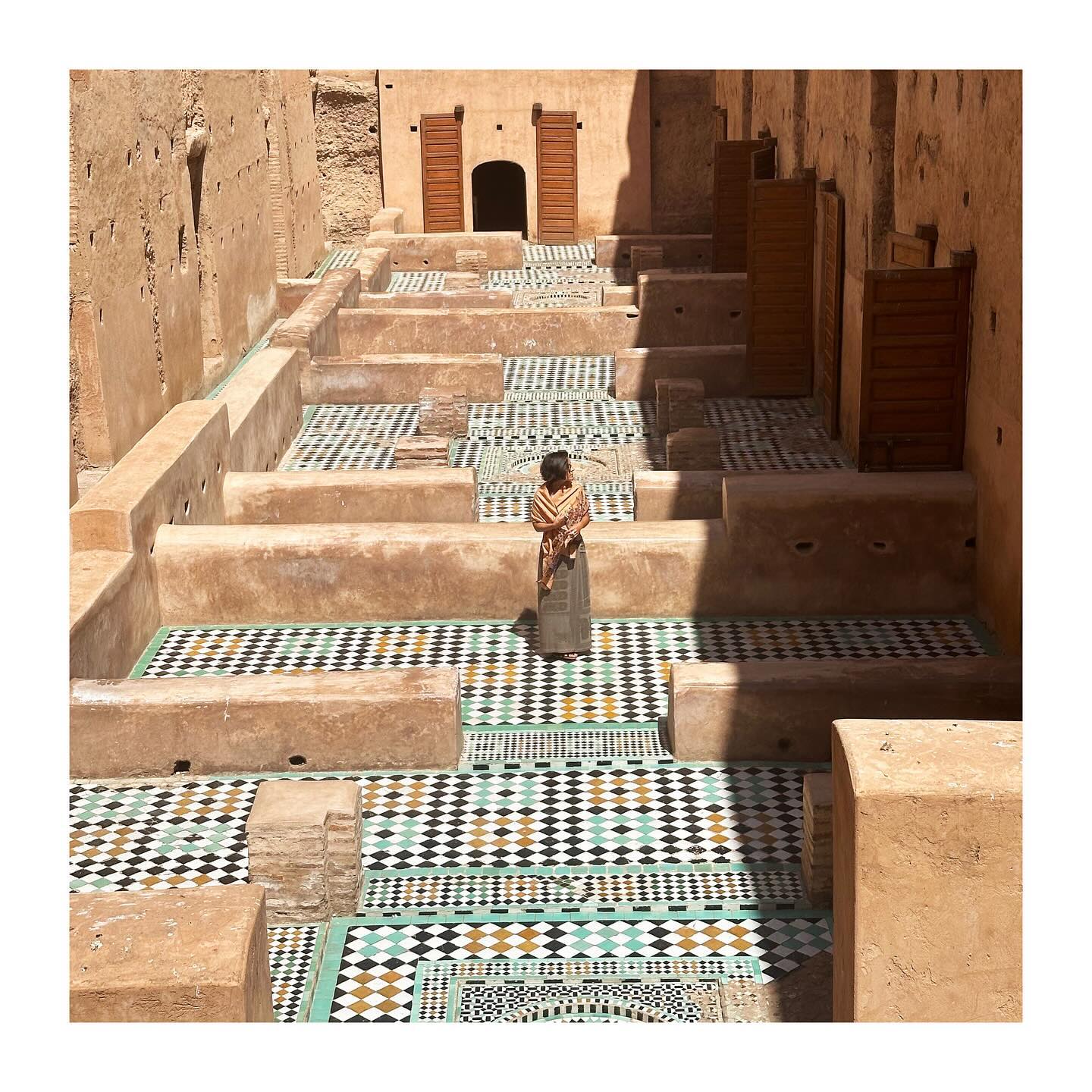
Saadian Tombs — sealed for 300 years and only rediscovered in 1917
Built in the 16th century by Sultan Ahmad al-Mansur, the Saadian Tombs were sealed for nearly three centuries and only rediscovered in 1917. The two main burial chambers are breathtaking: intricate stucco reliefs, colorful zellige floors, and carved cedar ceilings demonstrate the dynasty’s extraordinary wealth. Look up — the ceilings are as stunning as the walls.
Bahia Palace and the Saadian Tombs are close to each other — combine both in a single morning visit, then explore the medina in the afternoon. This avoids midday heat and lets you experience these sacred spaces when you’re most attentive.
📚 Ben Youssef Madrasa
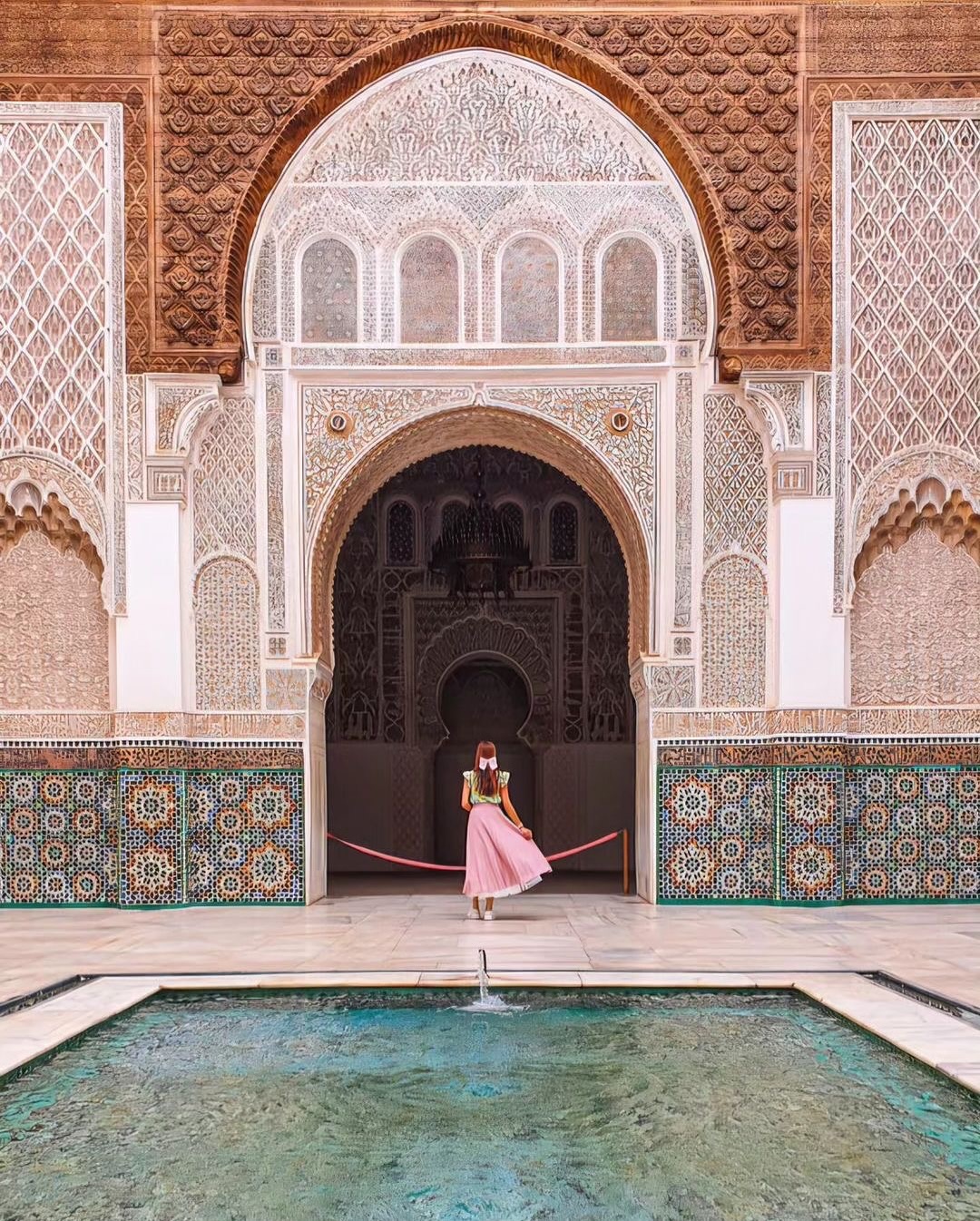
Ben Youssef Madrasa — once North Africa’s largest Islamic school, now a UNESCO masterpiece
Founded in the 14th century and expanded in the 16th century by Sultan Ahmad al-Mansur, Ben Youssef Madrasa was once North Africa’s largest Islamic learning institution. This fully UNESCO World Heritage-listed architectural gem reveals the intellectual and artistic sophistication of medieval Morocco.
The central courtyard — framed by three-tiered carved cedar galleries and zellige tilework — is one of the most serene spaces in Marrakech. Upper floors still contain original student dormitories. The mihrab chamber features exquisite ceiling work, while every surface demonstrates the reverence Islamic culture places on knowledge and spiritual devotion.
| Info | Details |
|---|---|
| Opening Hours | Daily 9:00 AM – 5:00 PM |
| Admission | ~100 MAD (~10 EUR) |
| Best Visit Time | Early morning for light and fewer crowds |
🕌 Koutoubia Mosque
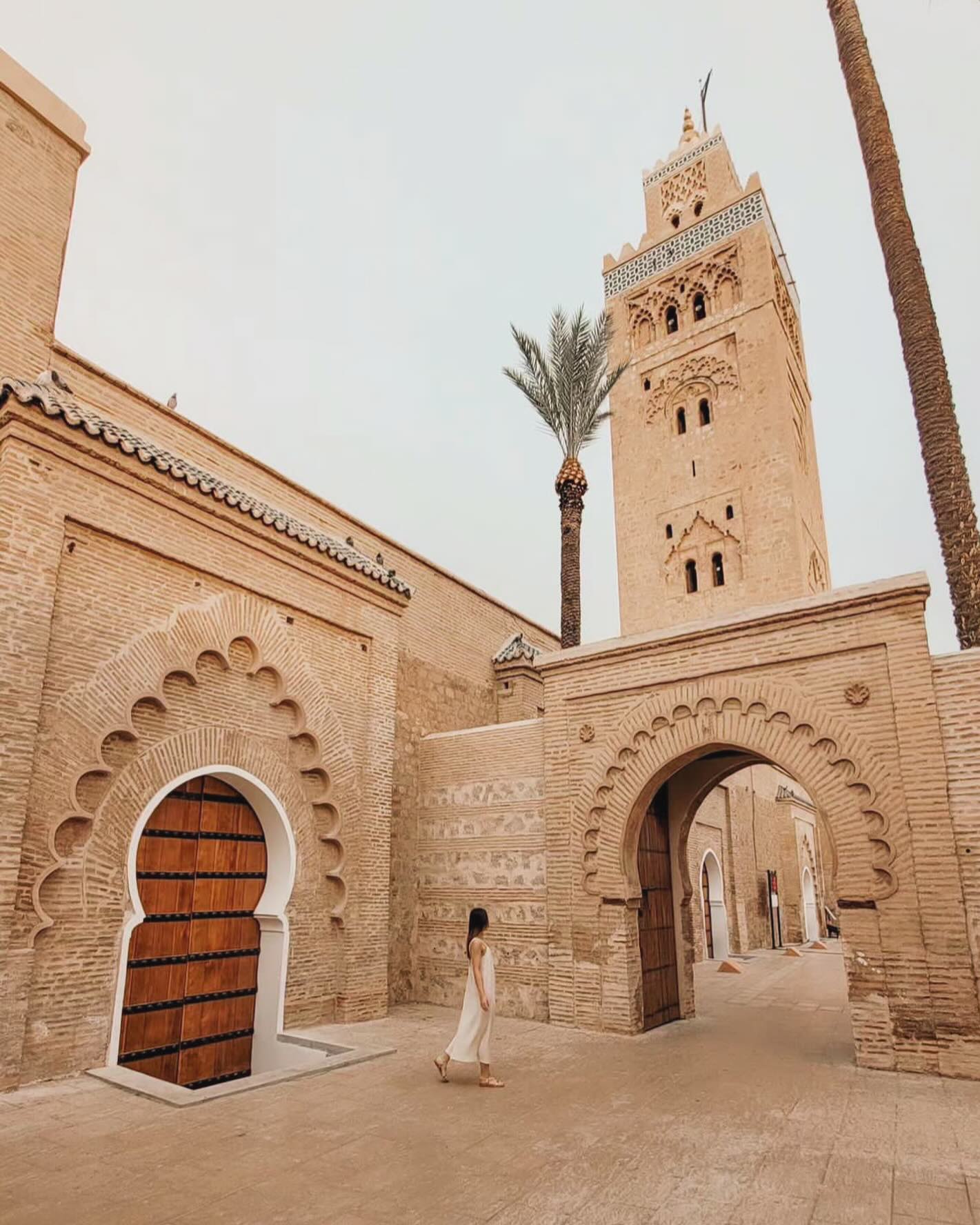
Koutoubia Mosque — 77 meters of Almohad grandeur, visible from across the city
Standing 77 meters tall, Koutoubia Mosque is Marrakech’s most recognizable landmark and the spiritual heart of the city. Built in the 12th century under Almohad Caliph Yaqub al-Mansur, its distinctive minaret inspired similar structures across the Islamic world, including the Giralda in Seville.
While non-Muslims cannot enter the prayer hall, the surrounding gardens offer peaceful, contemplative space. The mosque is best appreciated from Jemaa el-Fnaa square or a café terrace at sunset, when the minaret glows golden in the fading Saharan light.
🌿 Le Jardin Secret
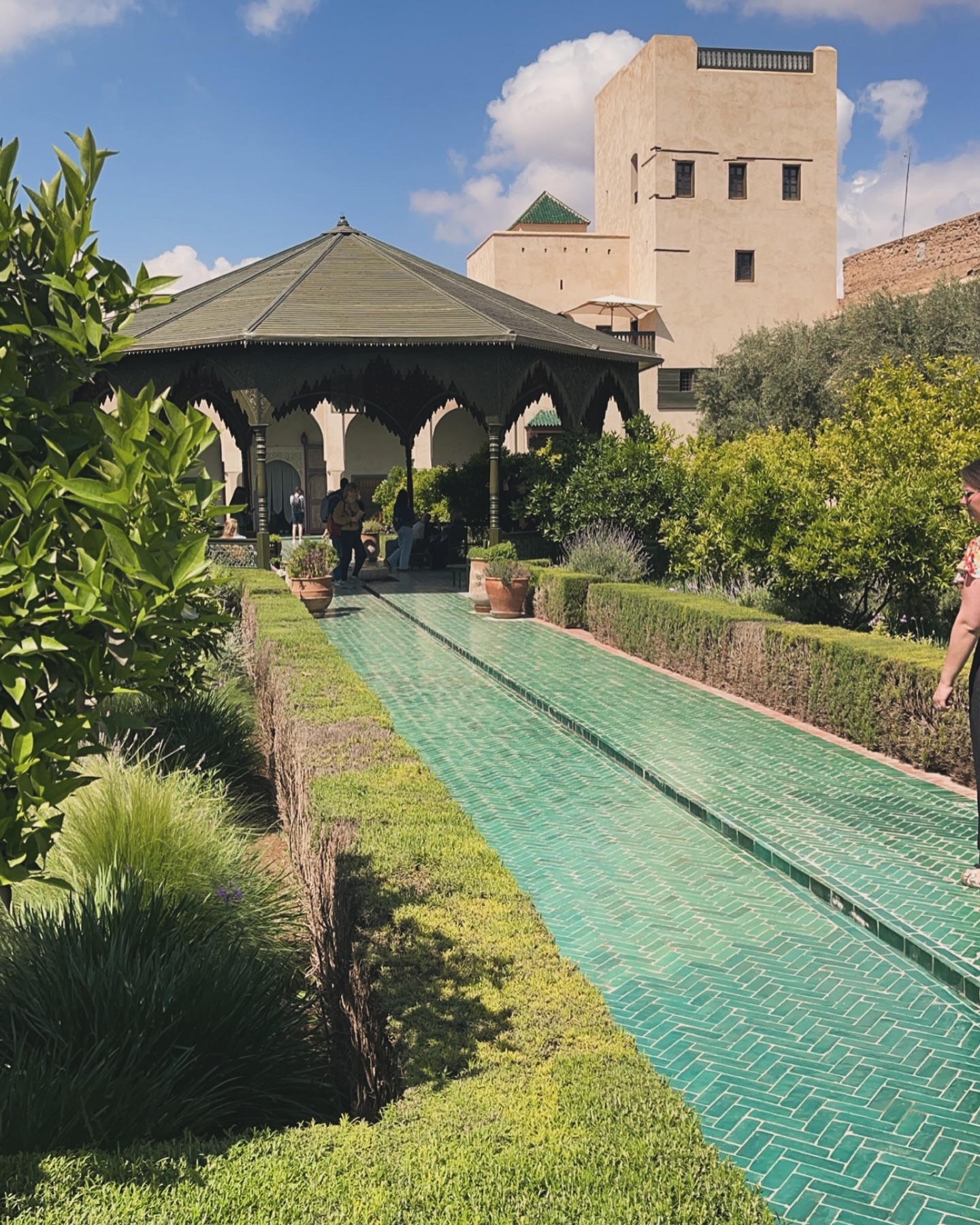
Le Jardin Secret — a serene oasis hidden within the medina’s bustling streets
Tucked discreetly into the medina, Le Jardin Secret is a meticulously restored historic palace garden offering genuine tranquility. Two distinct sections await: the Islamic Garden, with central water channels and classical geometric plantings, and the Andalusian Garden, rich with Mediterranean cypress, palm, and flowering shrubs. An ideal midday escape from the medina’s sensory intensity.
| Info | Details |
|---|---|
| Opening Hours | Daily 9:00 AM – 5:30 PM |
| Admission | ~80 MAD (~8 EUR) |
⛰️ Atlas Mountains & Ourika Valley
For those seeking the best things to do in Marrakech that extend beyond the city walls, the Atlas Mountains deliver unforgettable day trips. Located just 60 km away, these majestic peaks — including Mount Toubkal, North Africa’s highest summit at 4,167 m — offer dramatic hiking, jaw-dropping scenery, and immersive Berber village culture.
The most popular and accessible excursion is the Atlas Mountains & 5 Valleys Tour From Marrakech — a guided journey through five lush Berber valleys, past cascading rivers, traditional mud-brick villages, and terraced gardens clinging to mountain slopes.
Ourika Valley: Waterfalls & Berber Culture
The Ourika Valley, one hour from Marrakech, features seven waterfalls, Berber villages, argan oil cooperatives, and easy-to-moderate hiking suitable for all fitness levels. A typical day trip includes a visit to a women’s argan cooperative, a guided waterfall hike, and a traditional Berber lunch in a local home.
Mount Toubkal Trek
For experienced hikers, a 2-day Mount Toubkal ascent combines altitude, challenge, and reward. You’ll stay overnight in a mountain refuge, summit North Africa’s highest peak, and experience extraordinary Berber hospitality along the way.
Spring (April–May) and autumn (September–October) offer ideal conditions. Summer is intensely hot; winter brings spectacular snow to higher elevations. Always hire a licensed, Ministry of Tourism-approved guide for mountain excursions.
🌳 Menara Gardens
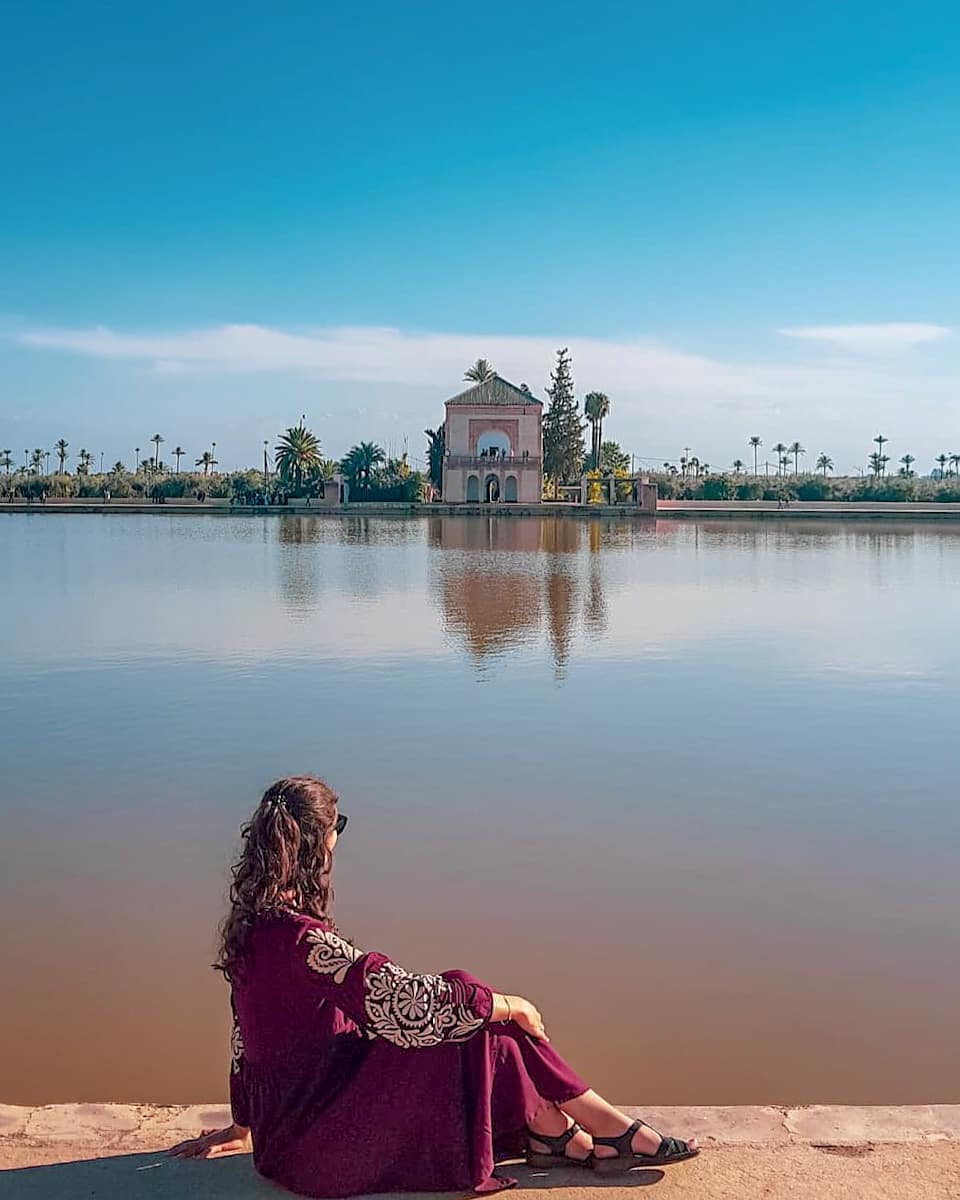
Menara Gardens — 100 hectares of olive orchards irrigated since the 12th century
Jardin Menara, covering over 100 hectares and a UNESCO World Heritage site since 1985, was built during the Almohad dynasty as part of an ingenious irrigation system drawing water from the Atlas Mountains through 30+ km of underground channels. Thousands of olive trees, date palms, cypress, and fruit trees create a true oasis.
The Menara Pavilion, with its iconic green-tiled pyramidal roof, frames perfectly against snow-capped Atlas peaks in winter — one of Marrakech’s most photographed views. Open daily from dawn to sunset; admission approximately 30 MAD.
Many travelers skip Menara in favor of Majorelle, but locals often prefer it for the peaceful, authentically unhurried atmosphere. Early morning and late afternoon offer the best photography light and cooler temperatures.
🍽️ Moroccan Gastronomy
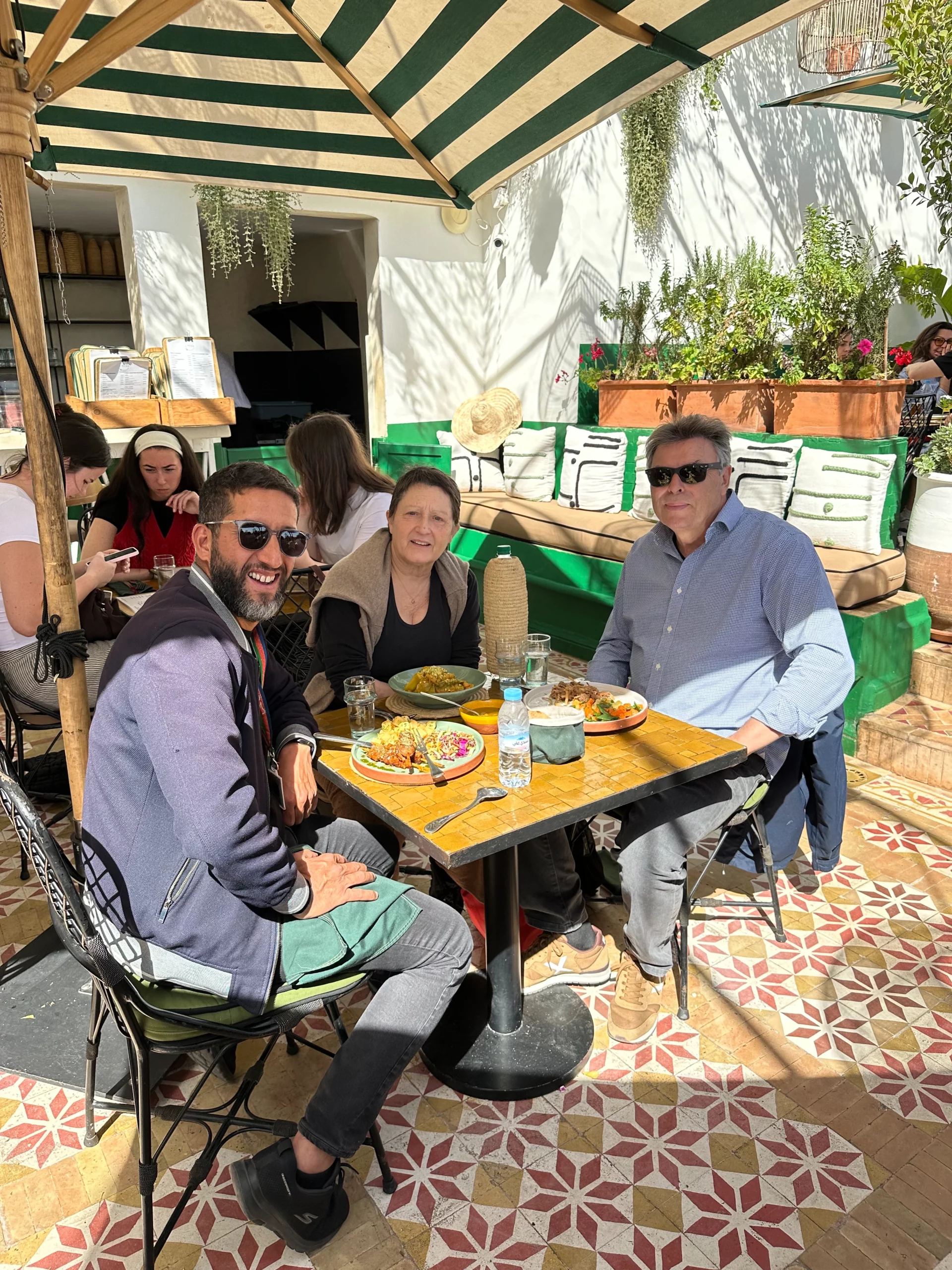
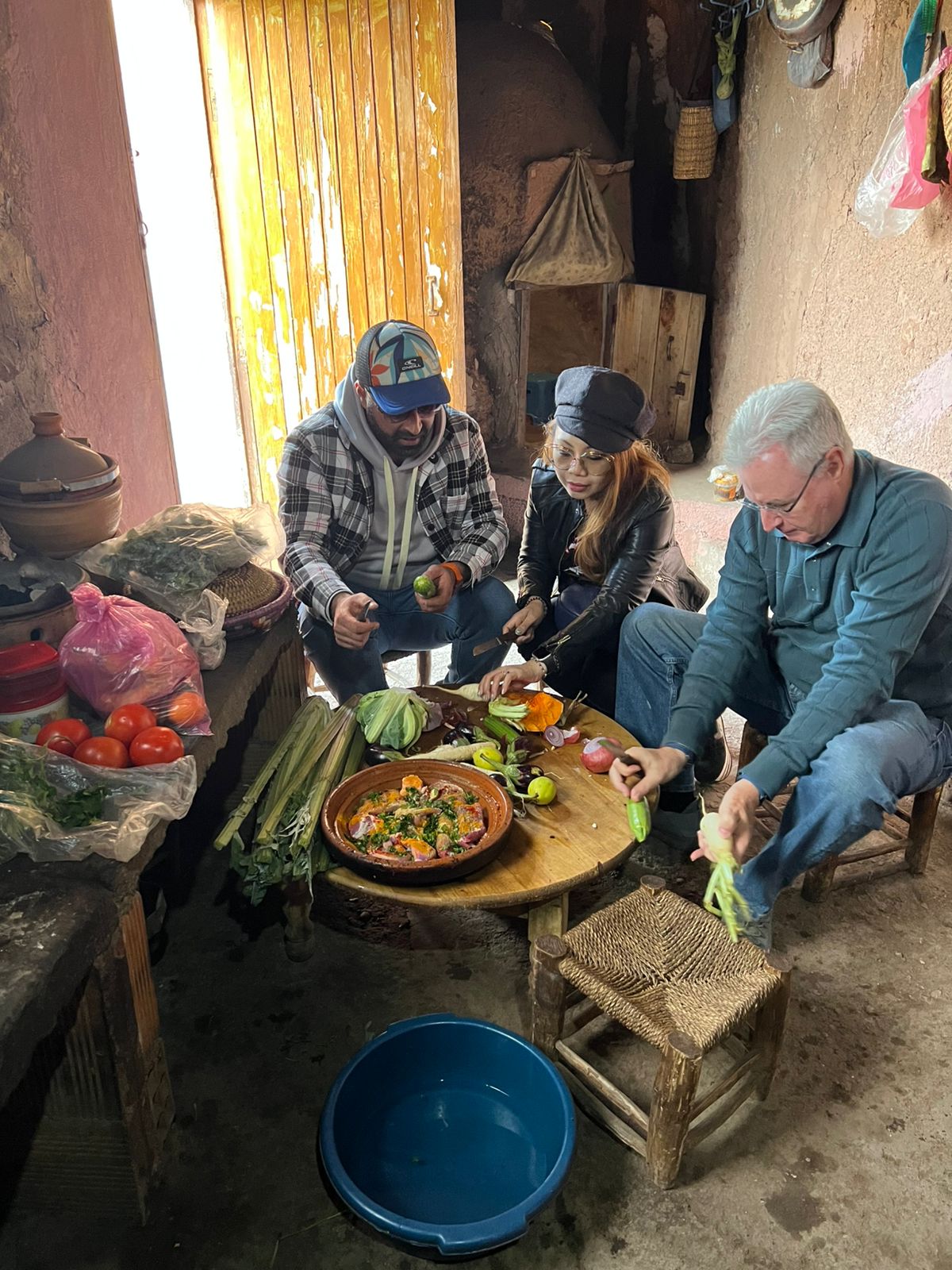
Moroccan cuisine — one of the world’s great culinary traditions, made from generations of knowledge
Food is culture made edible, and Moroccan cuisine ranks among the world’s great culinary traditions. Tasting your way through Marrakech is an essential item on any list of best things to do in the city.
The Evening Food Stalls of Jemaa el-Fnaa
When night descends on Jemaa el-Fnaa, more than 50 food stalls ignite their grills. The experience — the chaos, the fragrant smoke, the mingling of locals and visitors — is as essential as the food itself.
Tangia Marrakchia — The City’s Signature Dish
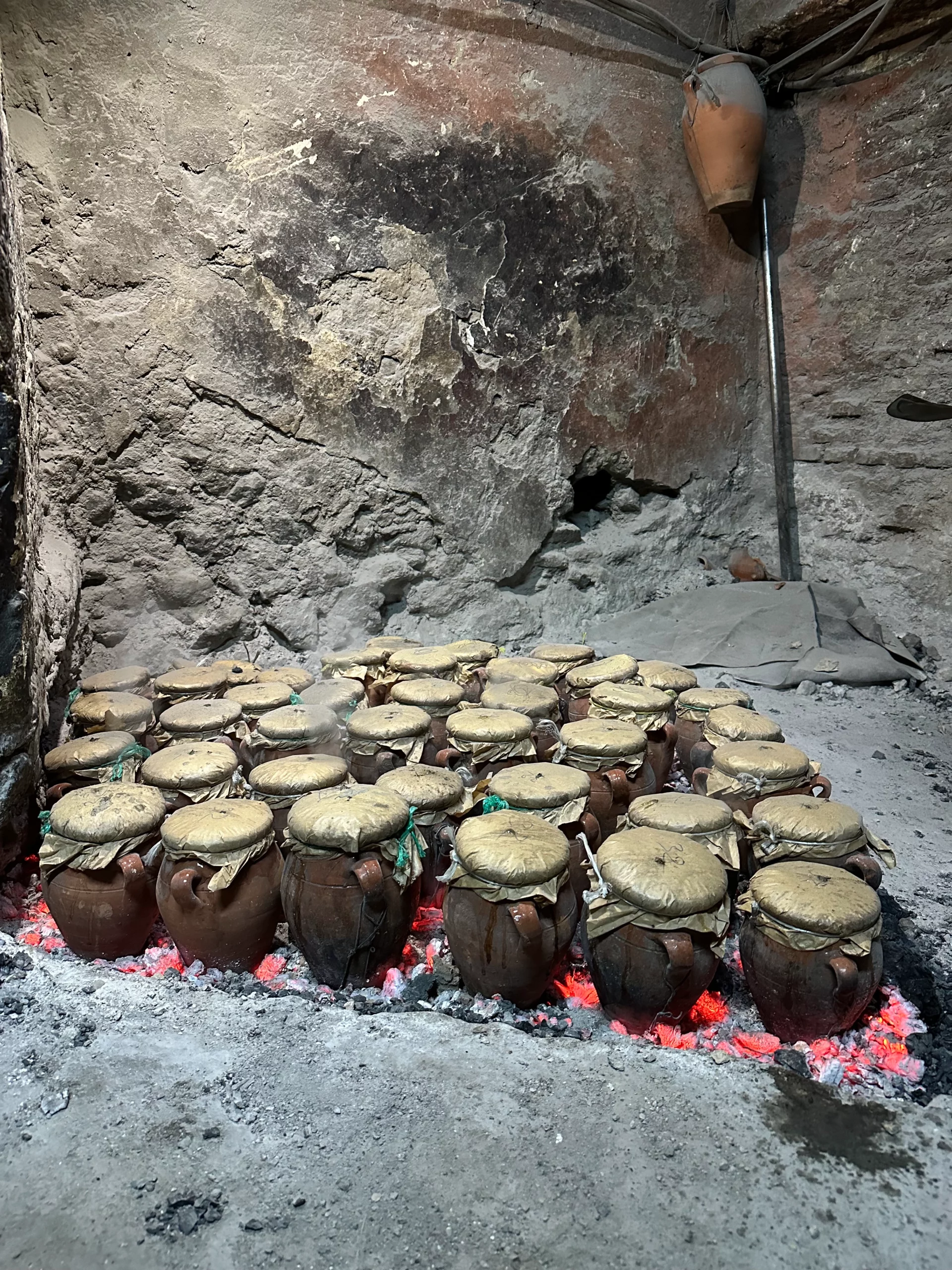
Tangia Marrakchia — slow-cooked in a clay urn buried in the embers of a traditional hammam furnace
Alongside tangia, look for harira (tomato-lentil-chickpea soup), grilled lamb and beef kebabs, sardine meatballs, sfenj (fried doughnuts), and seasonal fresh smoothies. Start with small tastings rather than committing to full plates — variety is the point.
Food Tours & Cooking Classes
Guided food tours take you through the medina’s backstreets, visiting hidden restaurants, traditional bakeries, olive markets, and spice vendors. Many riads also offer cooking classes where you shop the souks, then prepare traditional tagine, couscous, and pastilla in a home kitchen — a deeply intimate cultural experience.
Look for stalls with long queues — high turnover means fresher food. For a deeper culinary dive, book a 3–4 hour guided food tour with a licensed local guide who can navigate the medina’s backstreet gems.
💎 Hidden Gems & Authentic Local Experiences
Beyond the headline attractions, Marrakech rewards curious travelers with experiences that reveal how locals truly live.
Near Ben Youssef Madrasa, this historic riad — once a sanctuary for injured storks — now hosts rotating exhibitions of contemporary and traditional Moroccan art. Peaceful courtyard, beautifully decorated rooms, and a genuine connection to local cultural heritage. Entry is free.
Hidden in the medina’s backstreets, this riad-housed museum explores Morocco’s musical heritage through the centuries. Headphones let you listen to historical recordings spanning Gnawa, Andalusian, and Amazigh traditions. Admission: 40 MAD.
A beautifully curated collection of 19th and 20th-century photographs documenting Moroccan life and culture. The rooftop terrace offers one of the medina’s finest panoramic views — perfect for sunset photography.
A hammam (traditional Moroccan bathhouse) is where locals go weekly for cleansing and community. The ritual: warm water, a steam room, and vigorous full-body exfoliation with a kessa mitt. Hammam Mouassine near the souks is a good local option — 20–40 MAD. Go early morning for an authentic, uncrowded experience.
A government-run cooperative showcasing high-quality Moroccan crafts — textiles, leather, ceramics, metalwork — while letting you watch artisans at work. Fixed prices, no haggling pressure. Ideal for those who want authentic crafts without navigating the souk maze.
🏜️ Agafay Desert
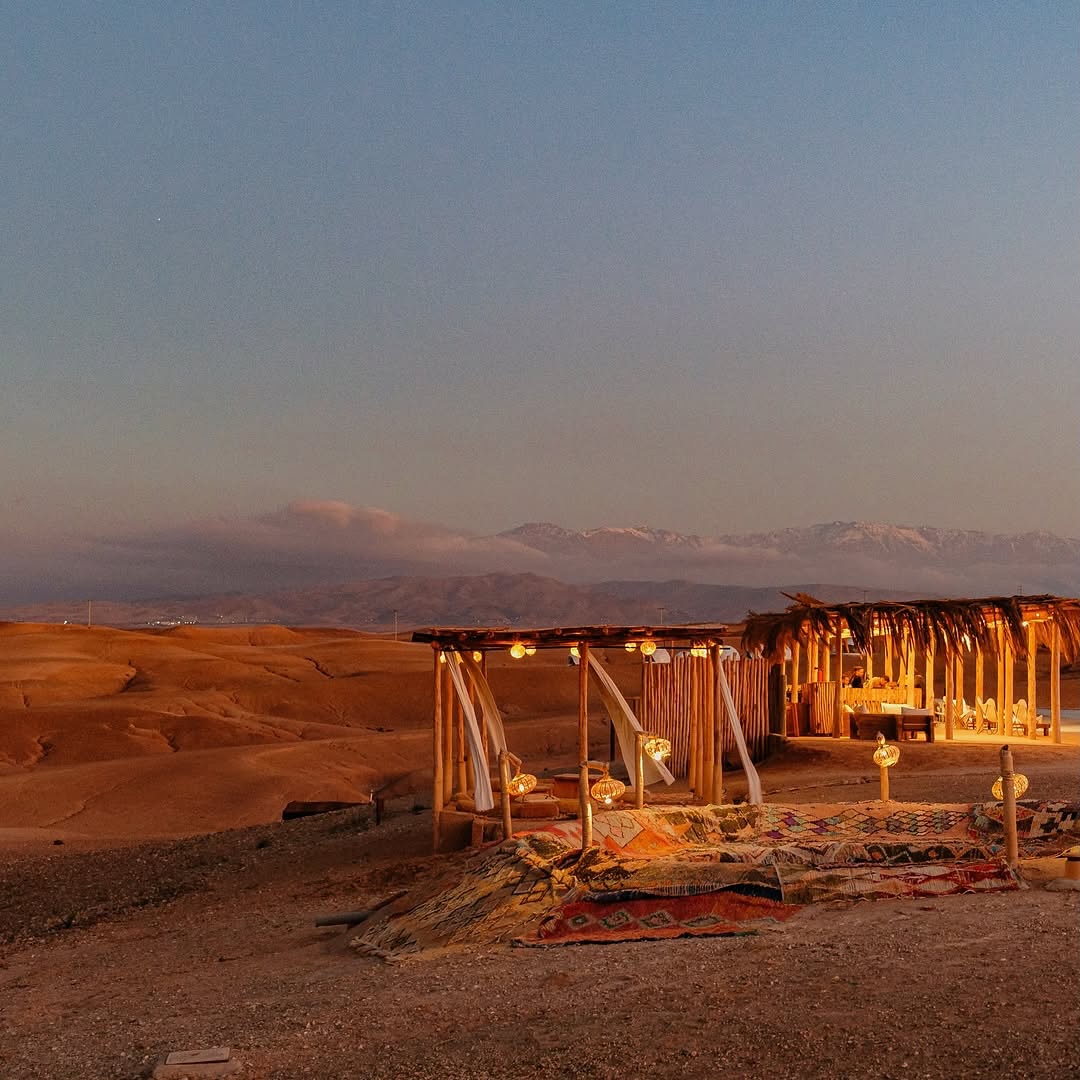
Agafay Desert — dramatic stone desert just 35 km from Marrakech, with Atlas Mountain backdrops
For Saharan atmosphere without a multi-day journey, the Agafay Desert — just 35–40 km from Marrakech — is a compelling choice. Unlike the famous sand dunes of Erg Chebbi, Agafay is a dramatic stone desert (reg) offering stark, cinematic landscapes, starlit nights, and authentic Berber hospitality.
Day excursions typically include camel or quad-bike rides, sunset views over the barren terrain framed by the Atlas Mountains, traditional Berber dinners around a campfire, and the option to stay overnight in luxury Bedouin-style camps. Explore all available Agafay Desert activities and tours for a complete picture of what this extraordinary landscape offers.
Agafay gives you the desert experience without 10+ hours of driving. Ideal for travelers with limited time who still want an authentic Saharan encounter — camel rides, campfires, stars, and silence.
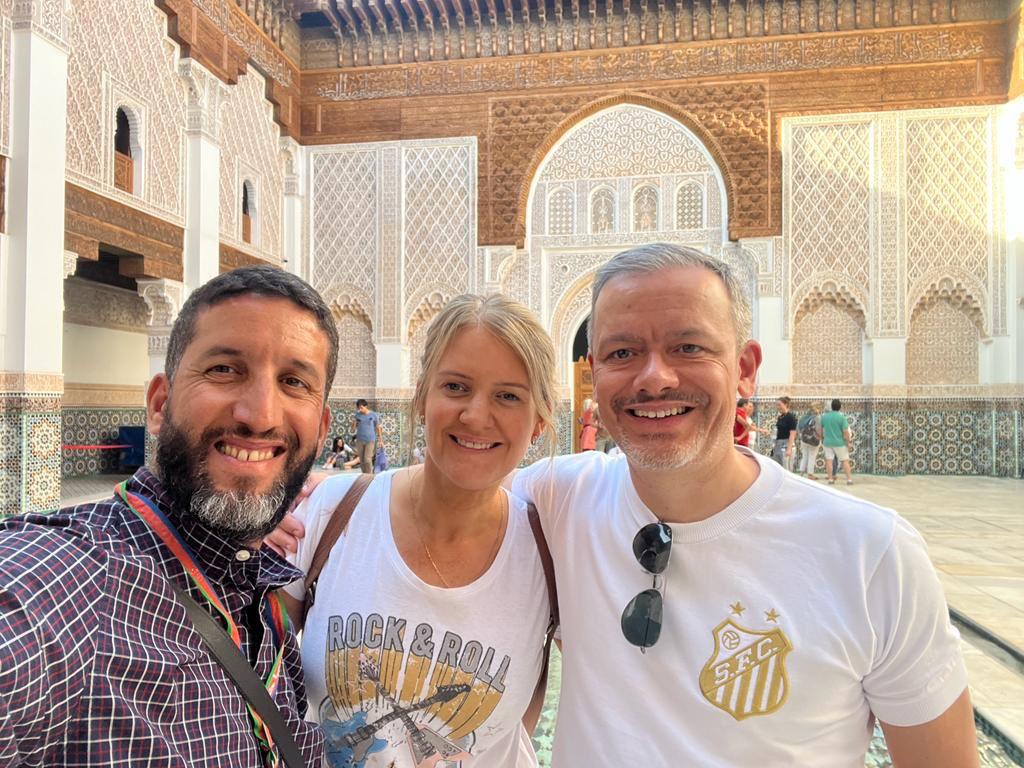
Explore Marrakech with a Licensed Local Guide
Mouhssine is a Ministry of Tourism-approved guide with deep expertise across Marrakech’s medina, historic monuments, Atlas Mountains, and surrounding regions. He offers fully private, customized tours — from souk navigation and historic palace visits to family meal experiences and mountain excursions — tailored entirely to your pace and interests.
Contact Mouhssine on WhatsApp👨🏫 Why a Licensed Local Guide Makes All the Difference
Guides who’ve grown up in Marrakech possess knowledge no guidebook can capture — the historical context, architectural details, and cultural meaning behind each site. Their storytelling transforms a visit into an educational journey.
Licensed guides have relationships with local families, restaurants, and artisans. They can arrange meals in real Moroccan homes, introductions to actual craftspeople, and experiences simply unavailable to independent travelers.
The medina’s maze confuses most visitors. A guide ensures you don’t waste time getting lost, bridges language barriers, and helps you navigate pricing and cultural nuances that prevent misunderstandings.
Guides know where to eat well without tourist markups, which purchases offer genuine value, and how to navigate pricing fairly. Private guides also tailor itineraries entirely to your interests and pace — no rigid group schedules.
⏰ Practical Travel Tips for Marrakech 2026
Best Time to Visit
Spring and autumn offer the ideal climate — 18–25°C (64–77°F), lush countryside, and clear skies. Summer exceeds 40°C/104°F; plan outdoor activities early morning and late evening. Winter brings mild days (12–18°C) and spectacular snow-dusted Atlas Mountain views. For a full seasonal breakdown, see our guide on the best time to visit Morocco.
What to Wear
👩 For Women
- Long skirts, maxi dresses, or loose pants
- Tops covering shoulders and neckline
- Lightweight scarf for religious sites
- Comfortable walking shoes (cobblestones)
👨 For Men
- Pants or longer shorts
- Shirts covering shoulders
- Avoid sleeveless tops
- Sturdy, comfortable walking shoes
🛡️ Safety Tips
- Jemaa el-Fnaa is safe late into the night
- Use official red petit taxis with meters
- Pickpockets in crowds — use a money belt
- Avoid unlit back alleys after dark
🤝 Cultural Etiquette
- Greet with “Salam” or “Bonjour”
- Ask permission before photographing people
- Use right hand for eating and greetings
- Reserve public affection for private spaces
Budget Reference 2026
| Category | Estimated Cost |
|---|---|
| Budget riad (per night) | 30–60 EUR |
| Mid-range riad (per night) | 60–150 EUR |
| Meal at local restaurant | 5–15 EUR |
| Major attraction entry | 10–15 EUR |
| Licensed guide (half-day) | 40–60 EUR |
| Street food (per item) | 1–3 EUR |
| Hammam (traditional) | 2–4 EUR |
Eat at busy stalls with high turnover. Avoid raw or undercooked meats. Drink bottled or filtered water. Peel your own fruits. Trust your instincts — if something doesn’t look fresh, skip it.
🎯 Marrakech Awaits Your Discovery
Marrakech is more than a tourist destination — it’s a living, breathing city where ancient traditions and contemporary life weave together seamlessly. Whether you spend three days or three weeks here, you’ll find experience layered upon experience: the spiritual grandeur of Koutoubia Mosque, the botanical perfection of Majorelle Garden, the sensory richness of the souks, the culinary adventure of Jemaa el-Fnaa, the majesty of the Atlas Mountains, and the genuine warmth of Moroccan hospitality.
The best things to do in Marrakech aren’t simply about checking boxes — they’re about allowing this remarkable city to move you. About watching sunset paint the medina gold, tasting dishes prepared from recipes passed through generations, laughing with locals over mint tea, and leaving with stories that will stay with you for years.
✨ Marrakech is calling. Answer it. ✨