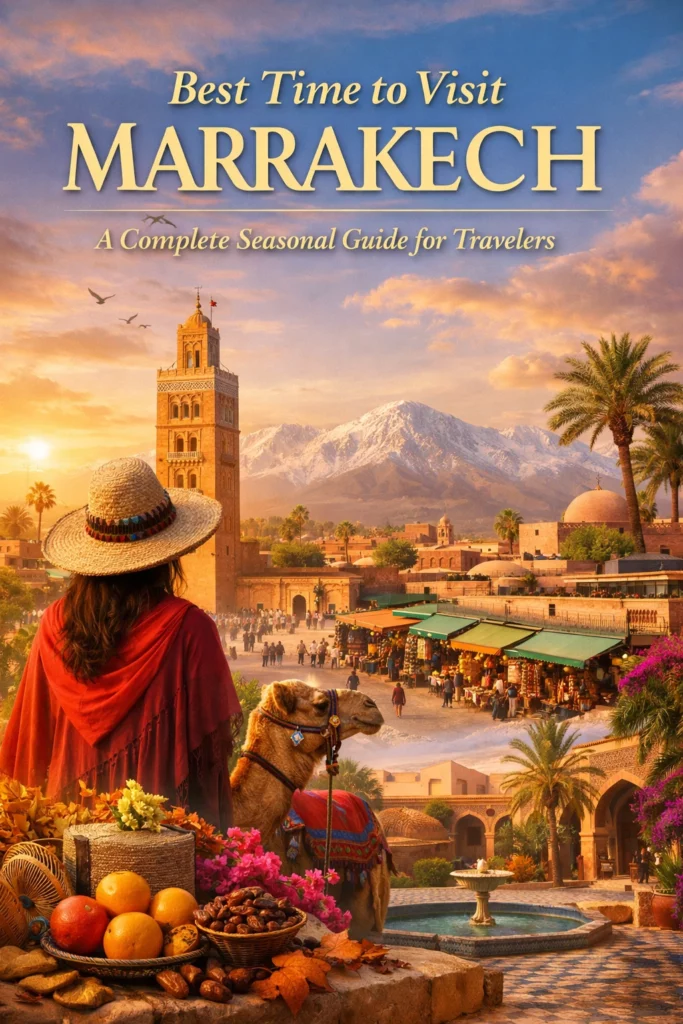
Best Time to
Visit Marrakech
Seasons, crowds, and the art of arriving at exactly the right moment in the Red City.
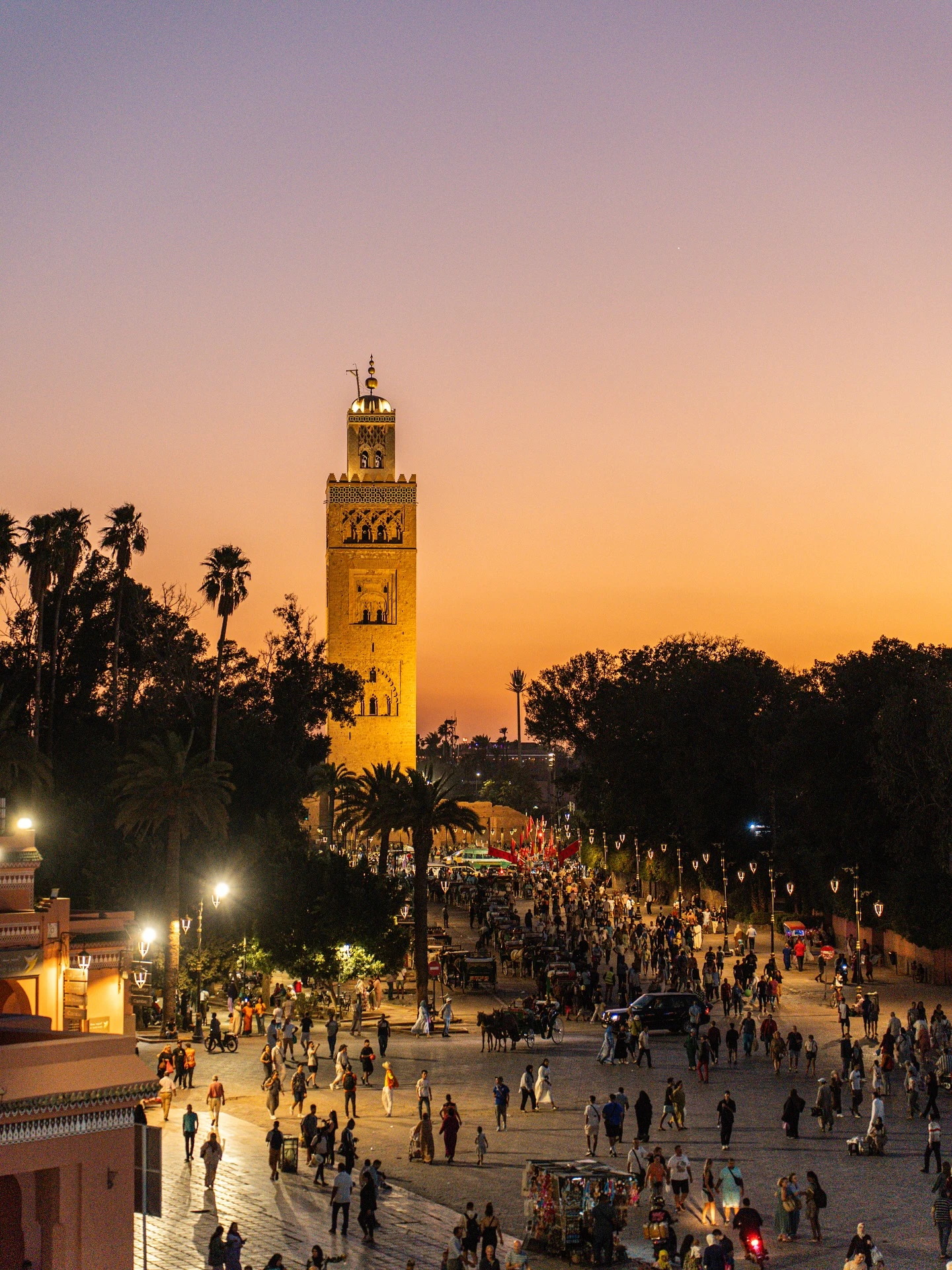
Spring (March–May) and Autumn (September–November) are the finest seasons — warm, luminous days with cool evenings, lively souks, and Marrakech at its most captivating.
The City of Terracotta & Light
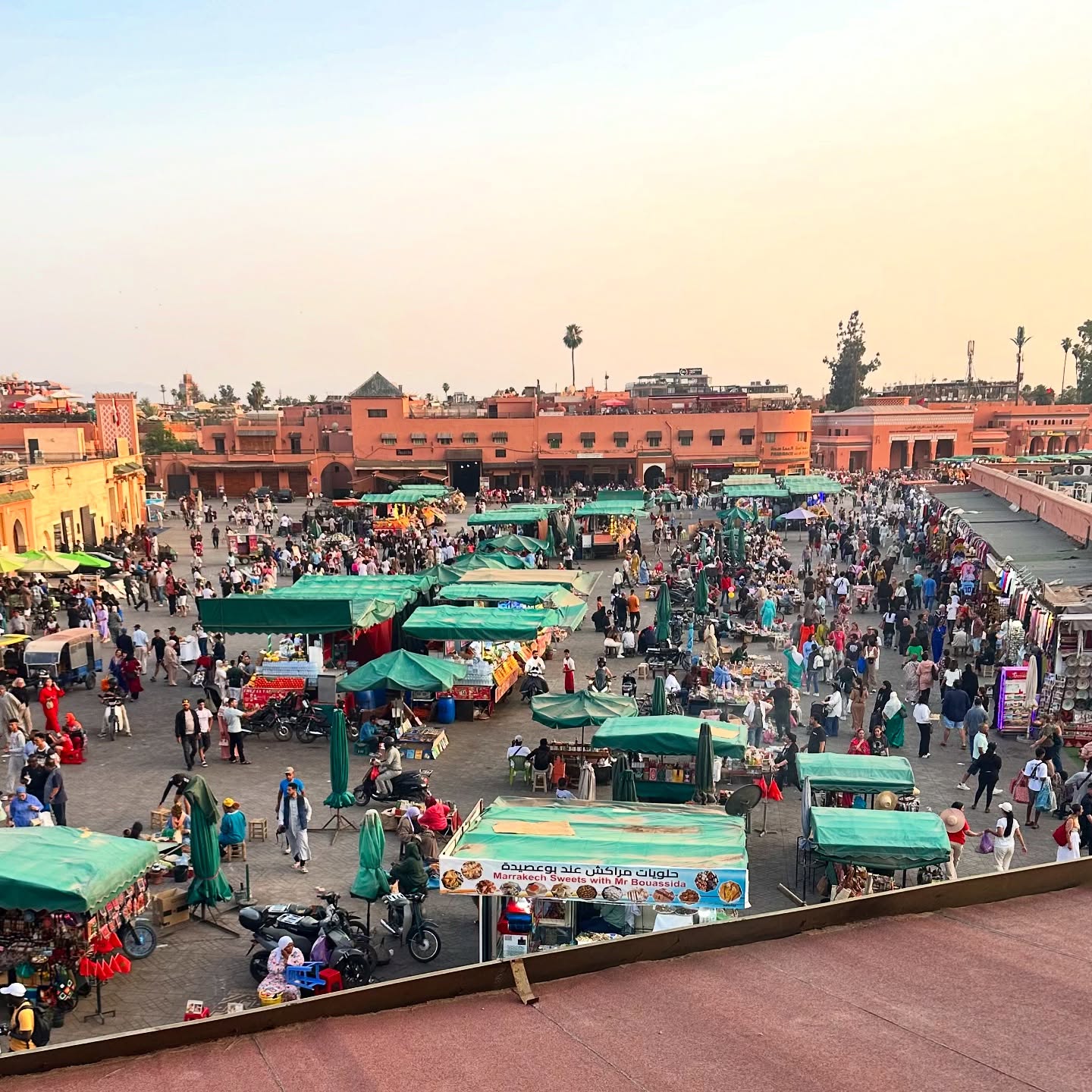
Marrakech is a city of contradictions: fierce summer heat and crisp winter evenings, narrow medina lanes and the wide-open theatre of Jemaa el-Fnaa, centuries-old riads Morocco has shaped into the world’s most intimate guesthouses, and vivid modern gardens. The season you choose will colour every detail of your stay.
This guide maps every month and season — weather feel, crowd levels, prices, and character — so you can arrive at exactly the right moment. Planning a broader Moroccan journey? Our full guide on the best time to visit Morocco pairs perfectly with this page for a wider picture across cities, mountains, and desert.
High season runs March to May and again September to November, when the climate is at its most seductive for sightseeing and rooftop dinners. Low season holds genuine value for heat-tolerant summer visitors or those who love a quieter, more local city in winter.
Marrakech Through the Year
Courtyards fill with orange blossom, palm trees glow vivid green, and days are warm without overwhelming the senses. First-timers, honeymooners, and Atlas day-trippers will find this season close to perfect.
Dry, dazzling, intensely hot by midday. Streets shimmer and riads retreat behind thick walls. The reward: languid pool mornings, attractive prices, and long lively evenings when the medina finally exhales.
Late summer warmth melts into golden October days made for souk wandering and rooftop dinners. September still runs hot; by November the city takes on a softer, more reflective mood ideal for photography.
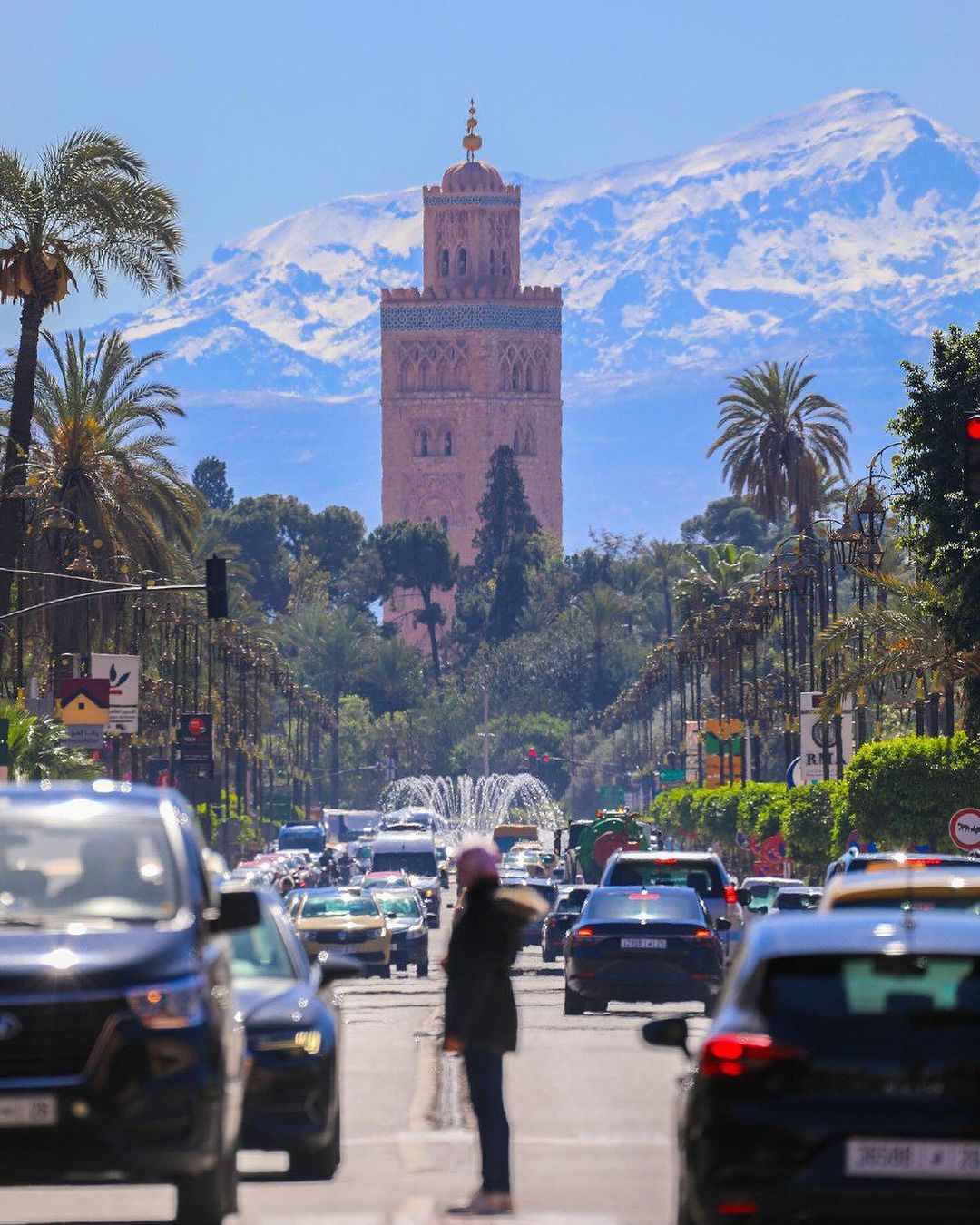
Bright, often mild days offset by genuinely cold evenings that invite hammam rituals, tiled fireplaces, and the warmth of mint tea in a candlelit riad. The medina breathes freely, and great accommodation is easier to find.
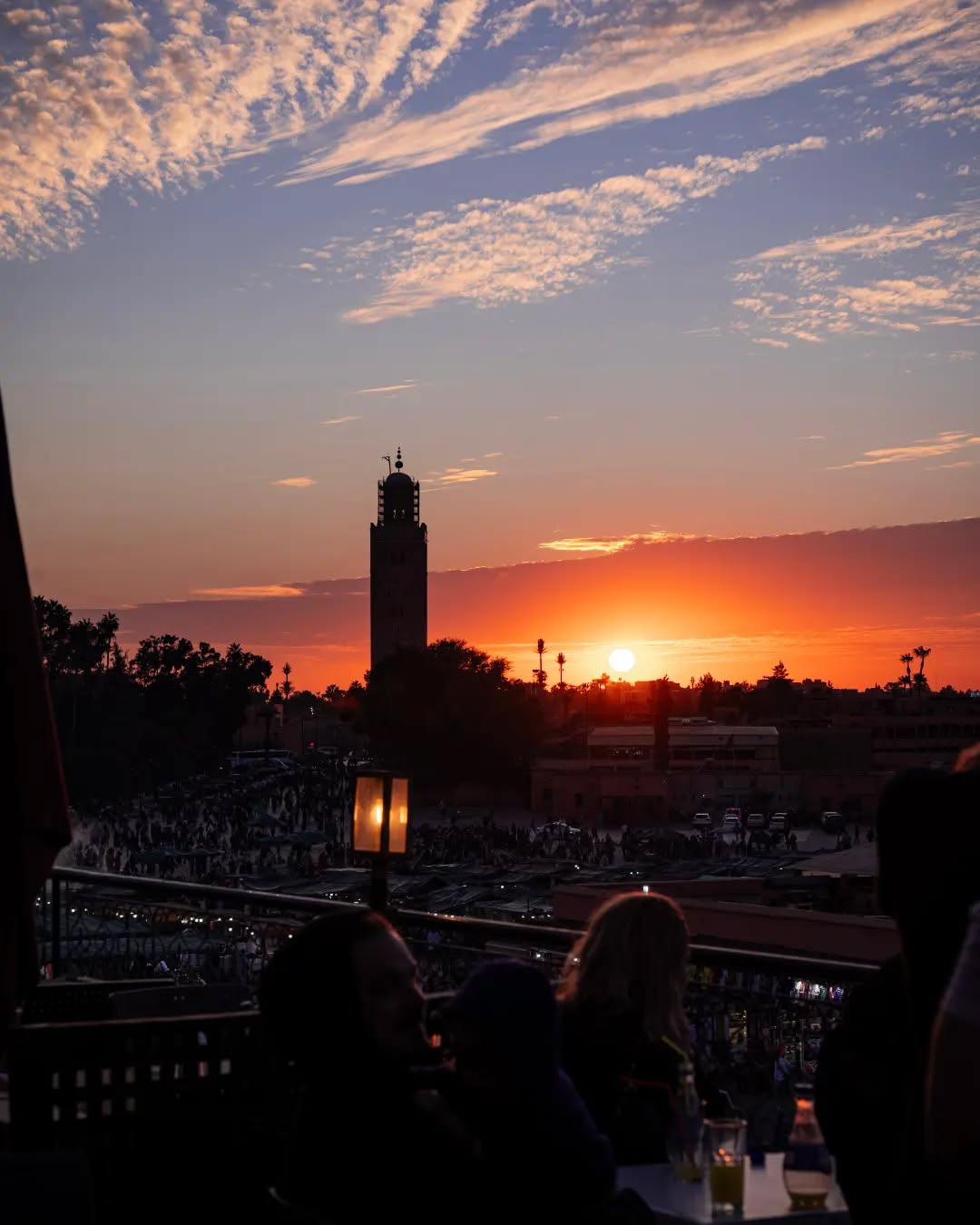
The key to enjoying Marrakech is pacing — mix souk wandering with slow courtyard breakfasts, rooftop sunsets, and at least one day where you do nothing but listen to the city from your riad.
Weather, Crowds & Prices
| Season | Weather feel | Crowd level | Price trend | Best for |
|---|---|---|---|---|
Spring (Mar–May) | Warm, luminous days; cool evenings | High — busiest season | Peak rates on riads and flights | First visits, couples, Atlas day trips |
Summer (Jun–Aug) | Very hot and dry; strong midday sun | Low to moderate | Best deals on accommodation | Budget travelers, pool stays, spas |
Autumn (Sep–Nov) | Hot in September, golden by October | High then easing in November | High early, moderating late | Photography, desert add-ons, culture |
Winter (Dec–Feb) | Mild days, cold nights; light showers | Low, except festive peaks | Good value outside Christmas | Hammams, cozy riads, calm medina |
A Calendar Snapshot
Use as a planning compass, not an exact forecast. Marrakech rarely disappoints in any month — the experience simply shifts.
Find Your Perfect Season
Heat-tolerant visitors in summer and flexible travelers in winter find the most attractive hotel rates and last-minute availability. Quieter streets are a bonus, not a compromise.
Warm evenings for rooftop dinners, ideal days for private guides, and boutique riads with blooming courtyards. Pair with a desert camp for clear, starlit nights.
Manageable heat for children and a good balance of sightseeing and rest. Summer is possible with strong shade, a pool, and a schedule built around mornings and evenings.
Longer hours in the souks without battling extreme temperatures. The medina reveals its deepest character when you have time to linger; light is at its most photogenic in spring and autumn.
Pro Tips for Every Season
- Plan major sightseeing early morning or from late afternoon — always, in any month.
- Choose riads with good ventilation; for summer, confirm air conditioning and pool access before booking.
- During Ramadan, check dining and attraction hours in advance; the city transforms beautifully at iftar.
- Pack one layer regardless of season — desert winds and altitude can surprise even in warm months.
Cultural Moments Worth Planning Around
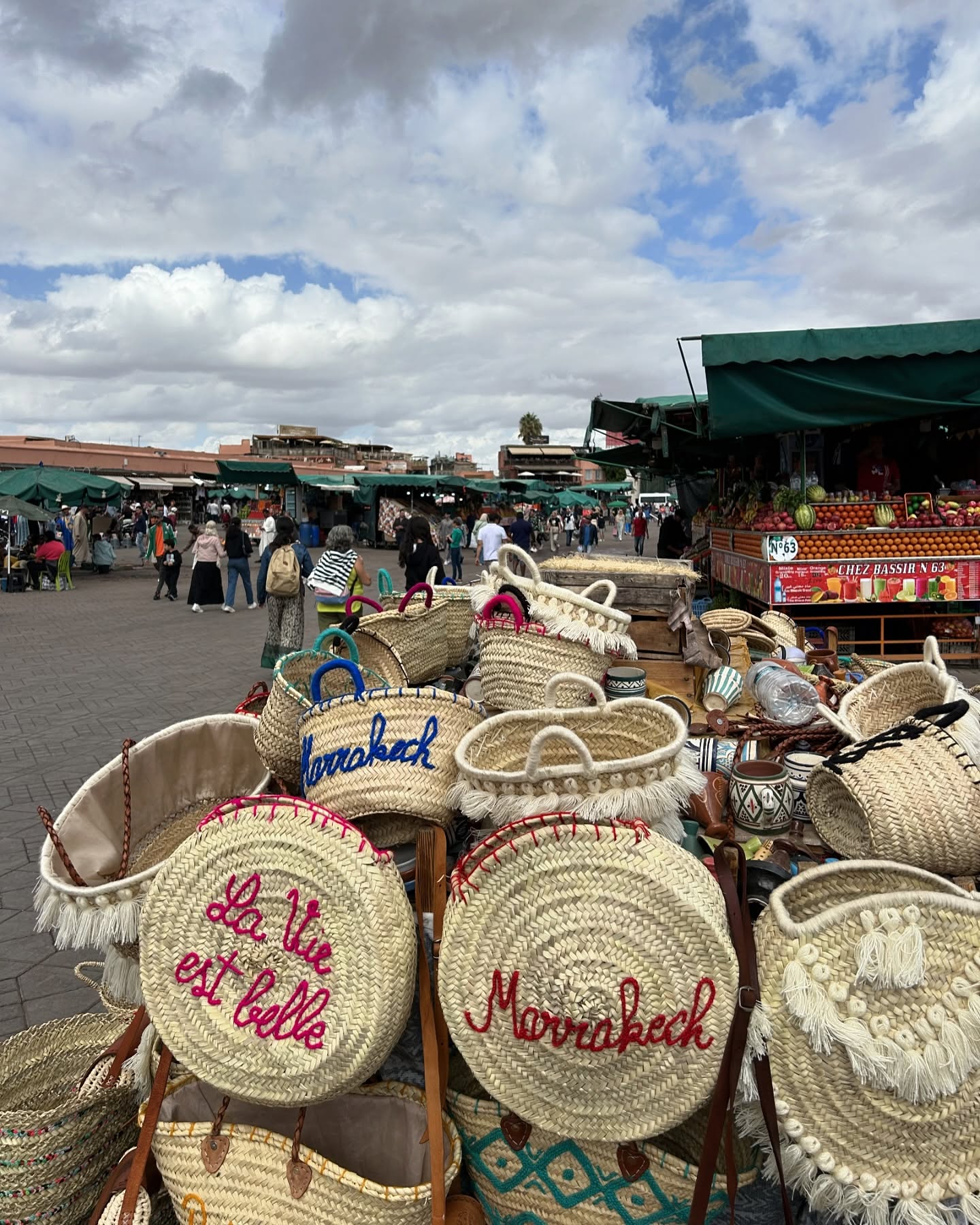
Marrakech’s calendar adds layers of meaning to any visit. Film premieres and outdoor screenings animate Jemaa el-Fnaa; contemporary dance festivals fill historic venues; religious dates including Ramadan and Eid reshape the city’s rhythm entirely.
Around major festivals, book well ahead and allow generous time for moving through the medina. During Ramadan in particular, the city reveals a slower, more devotional pace after sunset that many travelers find unexpectedly moving.
Questions & Answers
What is the single best time to visit Marrakech?
Spring (March–May) and Autumn (September–November) are consistently the finest seasons — warm but manageable temperatures, lively atmosphere, and ideal conditions for both city sightseeing and day trips. If forced to choose one month, October is often considered the crowning jewel of the Marrakech year.
Is Marrakech worth visiting in the summer heat?
Absolutely, if you adapt your rhythm. Choose a riad with a pool, plan walking for early morning and after 5pm, and treat the middle of the day as time for hammams, shaded cafés, and rest. The evenings in summer Marrakech are electric.
When is the cheapest time to visit Marrakech?
The most budget-friendly periods are the peak summer weeks (July–August) and winter stretches outside Christmas and New Year — when demand for accommodation and flights softens considerably.
Is winter a good time to visit Marrakech?
Winter is an underrated choice. Days are often mild enough for comfortable medina walks, evenings invite cozy riad dinners and hammam sessions, and the city feels more authentically itself — less touristy, more present. Pack layers and an open mind.
How many days should I spend in Marrakech?
Allow at least three full days: one for the medina and Jemaa el-Fnaa, one for palaces and gardens, and one for slower souk exploration or a half-day Atlas day trip. Add extra nights for the desert or mountains — both are transformative.
Ready to find your perfect season?
Chat directly with a licensed local guide and receive tailored ideas for Marrakech, the Atlas Mountains, and the Sahara — crafted around your exact dates, pace, and travel style.