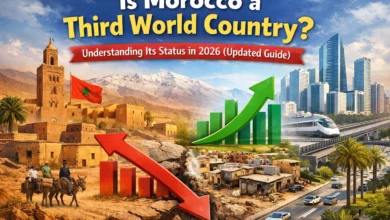
Things to Do in Morocco:
A Journey for Every Soul
From the incense-laced alleyways of Fes to the boundless silence of the Sahara — your definitive guide to things to do in Morocco, organised by experience, not just by city. Whether you have three days or three weeks, this guide helps you plan an authentic, well-paced Moroccan adventure.

The medina of Fes El Bali — the world’s largest car-free medieval city, and one of the most extraordinary things to do in Morocco.
“You book a flight to Morocco. You expect a holiday. What you get is a complete recalibration of your senses — and you return home wondering if you ever truly lived before.”
— Every first-time traveller to MoroccoThe honest truth about Morocco is this: it will overwhelm you. Not in the way that modern life overwhelms — with notifications and noise — but in the most ancient, exquisite way possible. The smell of cumin drifting from a market stall. The hammered copper gleaming under a shaft of medina sunlight. The sound of the Fajr call echoing across terracotta rooftops at dawn. Morocco arrives at all your senses simultaneously, and the trick — the beautiful trick — is simply to surrender to it.
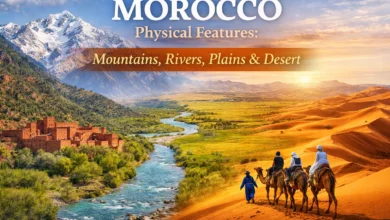
Understanding Morocco’s physical features — its snow-capped Atlas ranges, vast Saharan ergs, fertile Atlantic coastline, and 1,200-year-old medinas — helps you appreciate why the list of things to do in Morocco is so unusually varied for a single country. This is a civilisation layered over millennia: Berber, Phoenician, Roman, Arab, Andalusian, French, and something entirely its own.
Fes, Marrakesh, Meknes, and Rabat — each a world apart, each essential for understanding Morocco.
One of Earth’s last great silences, accessible by overnight 4WD from multiple Moroccan cities.
From surfer towns to windswept medinas — Morocco’s Atlantic and Mediterranean flanks offer endless variety.
Moroccan cuisine is UNESCO-recognised heritage — tagine, bastilla, harira, couscous and beyond.
The Cultural Heart: Things to Do in Fes El Bali
Imperial City · Founded 789 AD · UNESCO World Heritage
The World’s Largest Living Medieval City
Fes is not a city you navigate — it is a city that navigates you. The medina of Fes El Bali contains over 9,400 streets that fold into one another like the pages of an ancient manuscript, and getting thoroughly lost is not a risk — it is the entire point. Among all the things to do in Morocco, spending two full days inside Fes El Bali remains the single experience most likely to change you. Follow the sound of metal-beating artisans and you will find the copper souk. Follow the smell of tanned leather and you will arrive at the Chouara Tanneries — one of the oldest working tanneries on the planet, where hides are still dyed in stone vats using saffron, poppy, and mint by a method unchanged since the 11th century.
The Chouara Tanneries of Fes — unchanged for over a millennium, and one of Morocco’s most extraordinary sights.
The University of Al Quaraouiyine — founded in 859 AD — is widely considered the world’s oldest continuously operating university. The Bou Inania Madrasa nearby is arguably the finest example of Marinid-era architecture: its carved cedarwood, zellige tilework, and stucco filigree are a masterclass in Islamic sacred geometry.
Insider Tip
Hire a certified guide from the Fes medina association for your first morning — not to be led, but to calibrate your spatial instincts. After that, wander alone. The rooftop terraces above the tanneries are free to access when you browse the leather shops below; the view justifies the gentle sales pressure gracefully.
The Artisan Soul of Fes
Fes is where Moroccan craftsmanship reaches its apex. The city is organised into foundouqs — ancient caravanserai converted into craft workshops — where musicians hand-craft lutes, weavers produce silk-and-gold brocade for royal kaftans, and woodworkers carve arabesque patterns into cedarwood panels. Key souk categories: brass and copper (Souk Seffarine), textiles (Souk Attarine), and hand-painted ceramics near Bab Bou Jeloud. Souk shopping tips are essential here — opening prices are theatrical, not informational; counter at 30–40% and negotiate warmly.
The Red Pulse: Things to Do in Marrakesh
Imperial City · The Rose-Red City · UNESCO Medina
Beyond Jemaa el-Fna
Yes, Jemaa el-Fna is extraordinary. As dusk falls, the square transforms into one of the world’s great human spectacles: acrobats, Gnaoua musicians, snake charmers, storytellers, and food stalls producing clouds of grilled-meat smoke visible from the Koutoubia minaret. You must experience it. But Marrakesh rewards those who look beyond it.
The secret Marrakesh lives in its riads — inward-facing courtyard houses, invisible from the alley outside, that conceal extraordinary oases of tilework, orange blossom, and silence. The Maison de la Photographie in the medina houses over 10,000 photographs documenting Moroccan life from 1870 to 1950, offering a vital counter-narrative to the Instagram version of the city. The Bahia Palace, built for a 19th-century grand vizier, offers 8 hectares of painted ceilings and mosaic courtyards — allow two hours minimum, not the twenty minutes most visitors grant it.
Secret Gardens & Riad Life
- Le Jardin Secret — A restored 19th-century Islamic garden with an extraordinary tower view over the medina rooftops.
- Majorelle Garden & YSL Museum — Cobalt blue, cactus groves, and a surprisingly moving tribute to a designer who loved Morocco deeply.
- Agdal Gardens — A vast, largely tourist-free orchard south of the royal palace, beloved by locals for Friday picnics.
- Dar Bellarj — A converted stork hospital turned arts foundation; one of the medina’s most atmospheric cultural spaces.
The Hammam Experience
A traditional hammam is not a spa — it is a social institution. Book a hammam beldi (a local public hammam rather than a tourist version) for the full experience: steam, black olive soap (savon beldi), and an invigorating scrub with a kessa mitt. Budget £5–£15 for a public hammam; tourist spa versions run £30–£80.
The Blue Dream: Things to Do in Chefchaouen
Northern Morocco · Rif Mountain Town · 600 m altitude
Where the Walls Breathe Blue
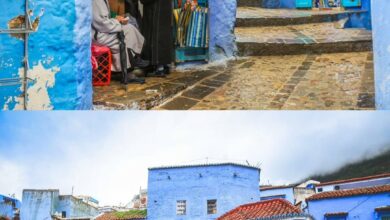
Chefchaouen exists in a dream of blue and white. Nestled into the Rif Mountains, its medina is painted in dozens of shades of cobalt, cornflower, periwinkle, and indigo — a tradition maintained by its Jewish-Berber founders and later by its Andalusian Muslim refugee community. The photographs barely do it justice; the saturation of colour against mountain light, combined with the scent of mountain herbs drifting from market stalls, is a full-body experience.
Chefchaouen’s blue-painted medina — a highlight of any Morocco itinerary.
Sustainable Hiking in the Rif Mountains
The hiking around Chefchaouen is magnificent and still largely untrammelled — making it one of the most rewarding outdoor things to do in Morocco for nature seekers. The trail to Ras El Maa (the source spring above the medina) takes 30 minutes and offers the best elevated view in the city. For longer excursions, routes toward Jebel El Kelaa (2,095 m) pass through cedar forests, Berber villages, and mountain pastures. Several local cooperatives offer guided Rif Mountain trekking with overnight stays in village homestays — an experience that directly supports mountain communities and aligns with the principles of sustainable travel Morocco.
The Golden Silence: Sahara Expeditions
The Sahara is not a backdrop — it is a presence. Standing amid the erg dunes of Merzouga at 4 am, the Milky Way overhead and the silence so complete you can hear your own heartbeat, represents one of the most profound things to do in Morocco — and arguably on Earth. It should be done properly.
The classic Sahara experience. Dunes reach 150 m. Better infrastructure, more camp options, 1.5 hrs from Errachidia airport. Ideal for first-time visitors.
Wilder, more remote, fewer visitors. No hotel buildings visible from camp. 4WD-only access. Best for those seeking genuine isolation over comfort.
Choosing Your Desert Camp
The single most important factor is camp location. Many “luxury camps” sit 200 m from a tarmac road with generator noise at night. Request GPS coordinates or night-time photos before booking. Genuine camps have no visible structures on the horizon, solar power only, and no more than 12–15 tents. Prices range from £40–£300 per person; the difference is about location and scale, not thread counts.
High Atlas Trekking
The route south from Marrakesh to the Sahara passes through the High Atlas Mountains — and this journey deserves as much time as the desert itself. The Toubkal National Park surrounds Jebel Toubkal (4,167 m), North Africa’s highest peak. A two-day ascent via the Neltner hut is achievable for fit non-technical climbers. Even without summit ambitions, the Azzaden Valley and villages around Imlil offer extraordinary walking through Berber settlements that represent some of the most authentic things to do in Morocco for culture-focused travellers.
The Atlantic Breeze: Things to Do on Morocco’s Coast
Atlantic Morocco · Wind, Waves & Gnaoua
Essaouira & Taghazout
Essaouira is the city that exhales. Where Marrakesh thrums with heat and intensity, this blue-and-white fortified port breathes sea wind and Gnaoua music. Its rampart walk offers views of the fishing harbour below, and the annual Gnaoua World Music Festival (held each June) is one of Africa’s great musical events. It represents one of the most culturally layered things to do in Morocco for music and history lovers alike.
Taghazout, an hour north of Agadir, has established itself as one of the world’s premier surf destinations. Breaks such as Anchor Point, Hash Point, and Killers produce long Atlantic swells from October through April. Moroccan cuisine in the surf towns — lighter, fresher, anchored in the sea — differs fascinatingly from the inland imperial cities. Surf schools and board hire are plentiful; accommodation ranges from guesthouses to boutique yoga retreats.
The ramparts of Essaouira — a UNESCO-listed fortified city on Morocco’s Atlantic coast.
How to Experience Morocco Like a Local
The greatest upgrade to any Morocco trip is a shift in pace. Morocco operates on its own temporal logic — conversations matter, hospitality is non-negotiable, and rushing is a mild form of cultural rudeness. The travellers who leave most transformed are those who allowed themselves simply to sit — in a café, on a riad rooftop, in a medina alcove — and let the city come to them. This is, in itself, one of the most underrated things to do in Morocco.
The Etiquette of Mint Tea
Moroccan mint tea — atay — is not a beverage; it is a ritual and social contract. When offered tea, always accept, even if you cannot finish it. Tea is poured from height to produce a froth, and three glasses is the custom: bitter as death, strong as life, sweet as love. Refusing tea from a shopkeeper or host severs the possibility of genuine exchange.
Moussem Festivals: The Calendar Secret
Morocco’s moussem — regional pilgrimage festivals combining religious veneration with markets, music, and Fantasia horse-riding — are the country’s best-kept secret. The Tan-Tan Moussem (nominated for UNESCO Intangible Heritage) gathers Saharan nomadic tribes each spring; the Imilchil Marriage Festival in the High Atlas each September is both ancient and genuinely moving. Timing your trip around a moussem transforms a good journey into an unforgettable one.
Moroccan Cuisine: Eating Beyond the Tagine
- Bastilla — A baroque pigeon-and-almond pie dusted with cinnamon; sweet-savoury Moroccan genius at its peak.
- Msemen — Layered flatbread for breakfast, best with argan oil and honey from a local market.
- Harira — The soup of Ramadan: tomato, lentil, chickpea, and herbs. Available year-round in any medina café.
- Zaalouk — Smoky aubergine and tomato salad; a condiment, side dish, and reason to eat an entire basket of bread.
- Friday Couscous — At local restaurants after midday prayers on Fridays, a vastly superior and more affordable version than anything on a tourist menu.
Best Time to Visit Morocco
Choosing the right season significantly shapes which things to do in Morocco are available and enjoyable. The country’s climate varies dramatically between its Atlantic coast, mountain interior, and Saharan south — making timing genuinely consequential. For a deeper analysis, see our guide to the best time to visit Morocco.
| Season | Months | Conditions | Best Things to Do in Morocco |
|---|---|---|---|
| Peak | March – May | 20–28°C · low humidity · wildflowers | Hiking, all cities, Sahara, festivals |
| Peak | Sep – Nov | 24–32°C · post-heat · harvest season | Atlantic coast, High Atlas, Moussem |
| Shoulder | Dec – Feb | 14–20°C cities · snow in Atlas | Marrakesh, Fes, ski at Oukaimeden |
| Hot | Jun – Aug | 36–45°C inland · 24–28°C coast | Atlantic coast, Taghazout surfing |
Morocco Itinerary Generator
Not sure how to structure your time? These itineraries are built around real travel logic — not just a list of places, but a thoughtful sequencing of things to do in Morocco that considers travel time, energy, and thematic coherence. Click your trip duration to reveal the recommended path.
What Kind of Morocco Traveller Are You?
Answer 4 quick questions and discover which things to do in Morocco are most suited to your style, pace, and passions.
Question 1 of 4
What draws you to travel in the first place?
Question 2 of 4
Your ideal day in Morocco involves…
Question 3 of 4
How do you feel about crowds and tourist infrastructure?
Question 4 of 4
How long is your trip?
Your Morocco Traveller Persona
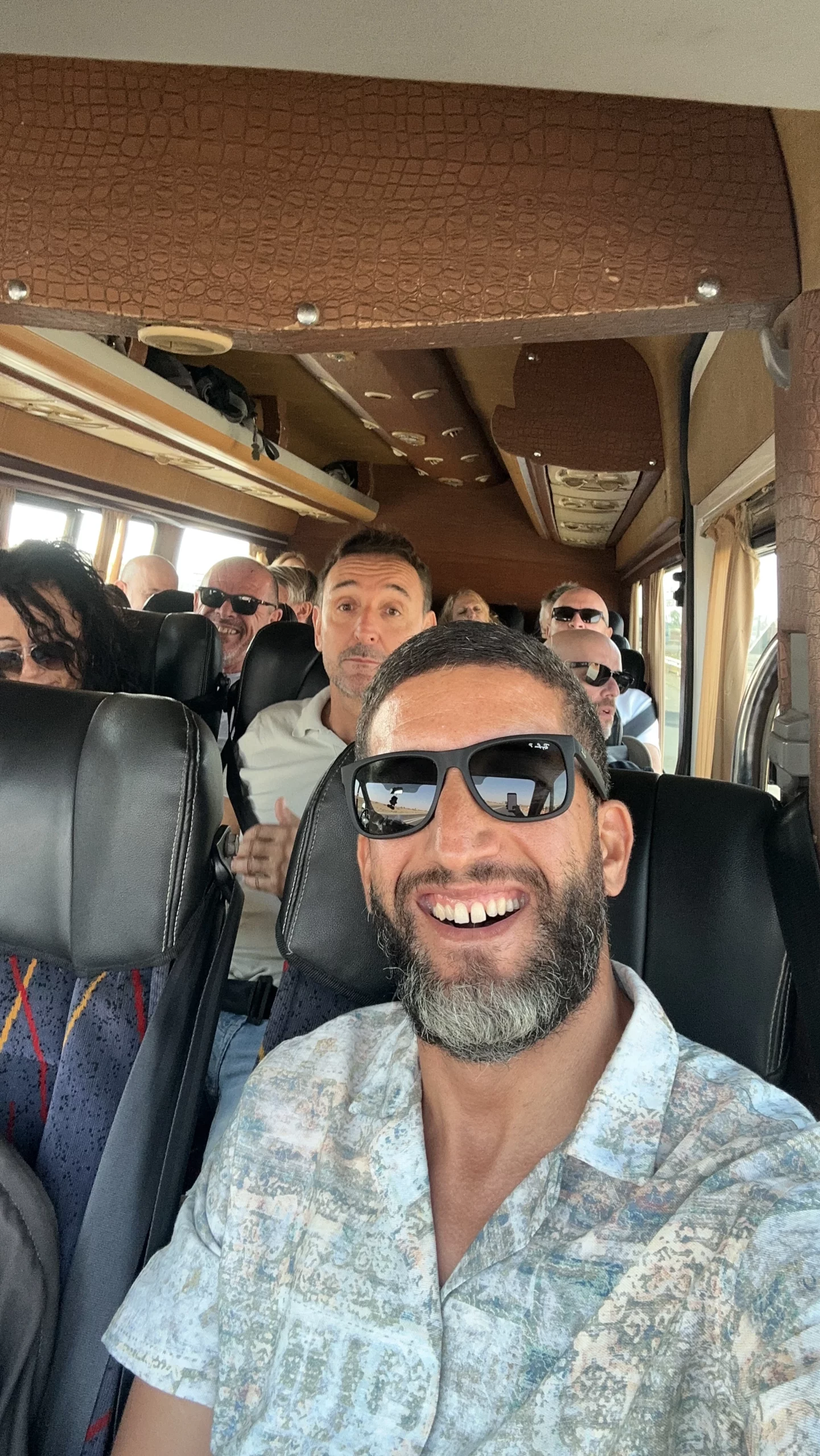
Licensed Tour Guide · Morocco
Mouhssine ELIOUJ
Based on your traveller profile, Mouhssine — a licensed Moroccan tour guide — can suggest a personalised itinerary, recommend the best things to do in Morocco for your style, and help you make the most of every day. He speaks English, French, and Arabic.
Chat on WhatsApp