⚡ Quick Answer
Yes — Morocco is safe to visit in 2026. It consistently ranks among North Africa’s safest destinations for international tourists. The country welcomed over 17 million visitors in 2024 and continues to invest heavily in tourist security. While petty crime and scams exist in busy medinas, violent crime against tourists is rare. With proper awareness and planning, most travelers have a smooth, memorable experience.

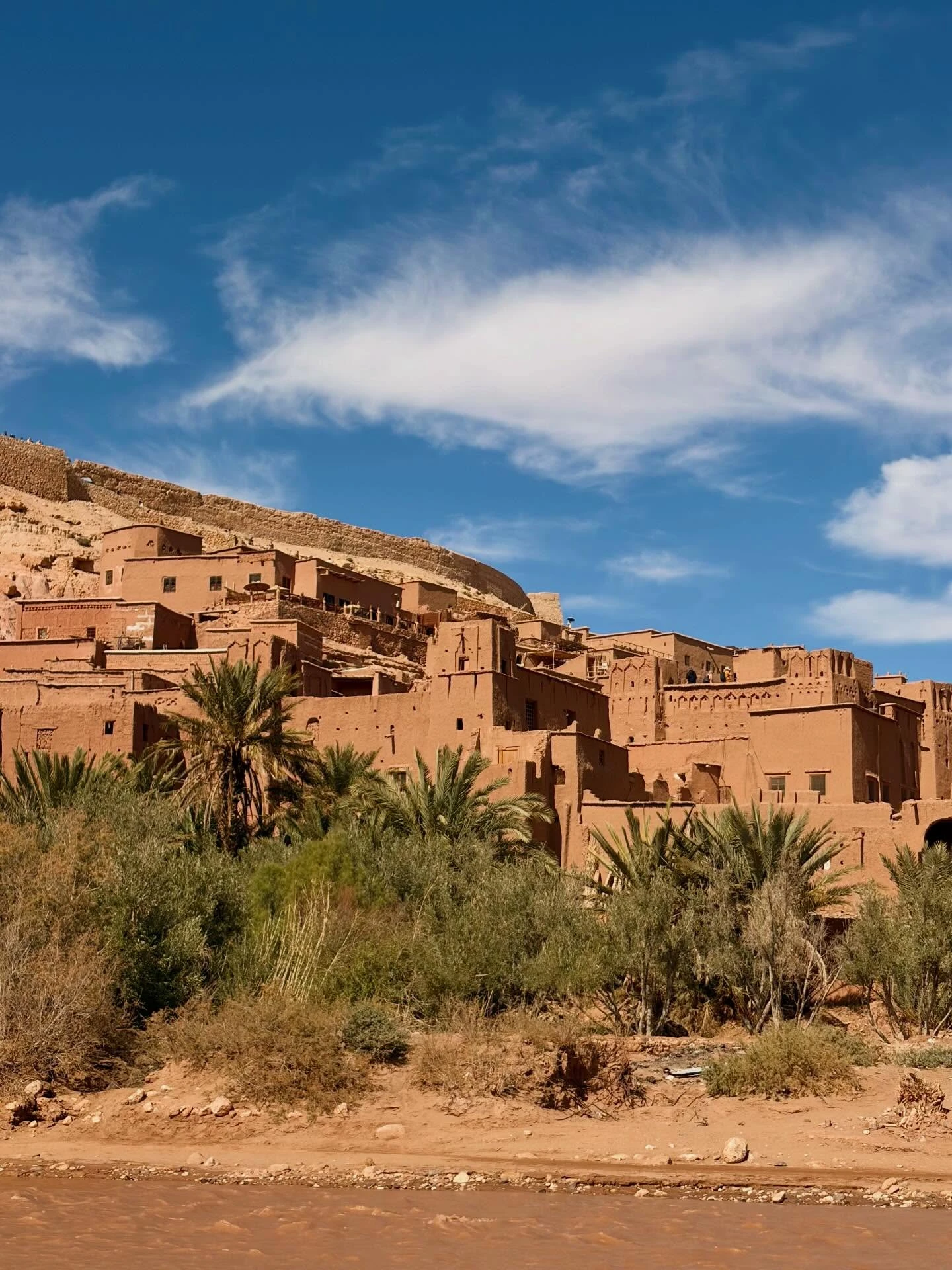
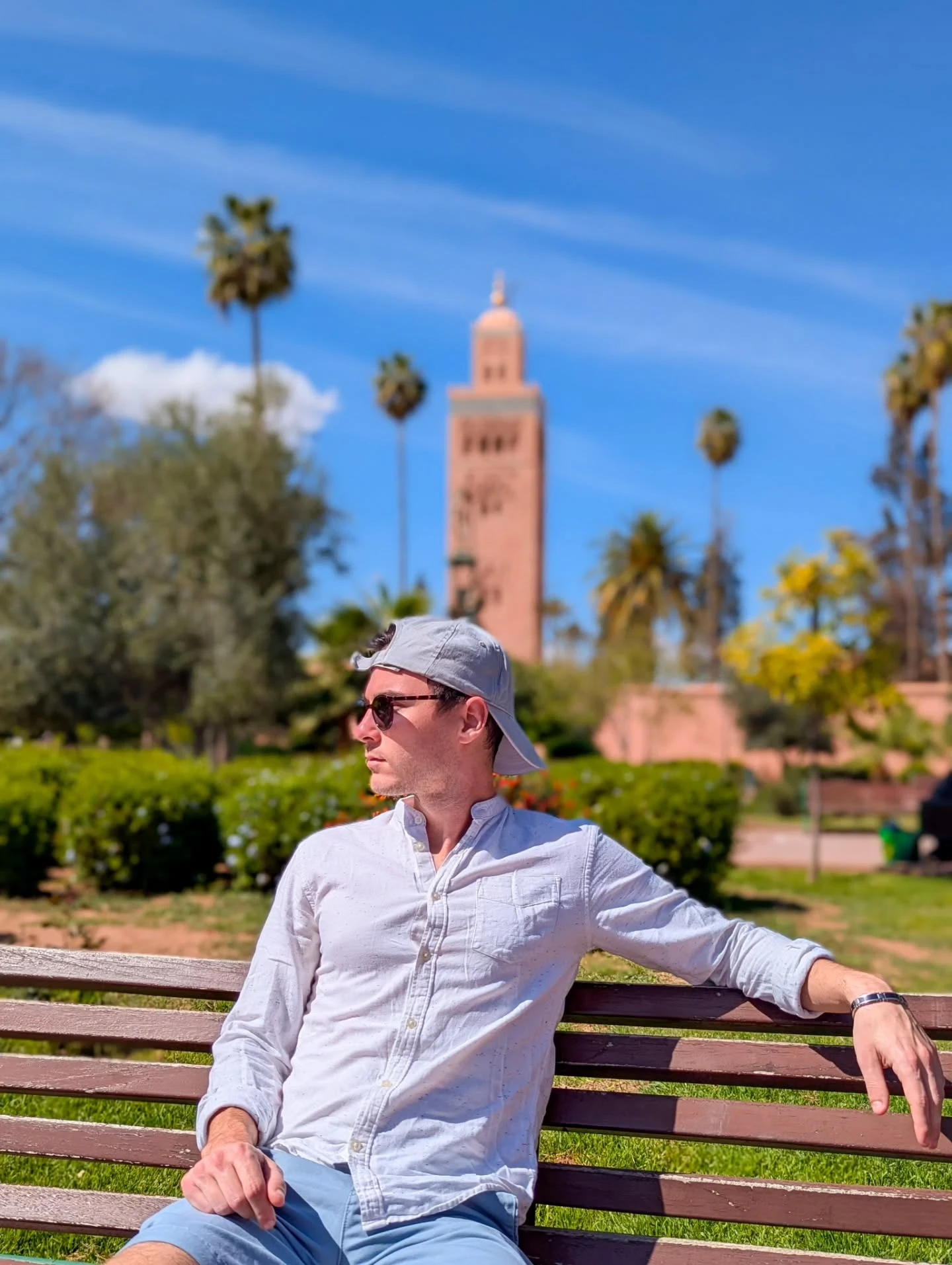
🌍 Morocco’s Overall Safety Rating in 2026
Morocco holds a Level 1 travel advisory from the U.S. State Department (“Exercise Normal Precautions”) — the lowest risk level, the same assigned to France and Portugal. The Global Peace Index places Morocco in the top tier of safe countries in Africa. Here’s a snapshot of key safety indicators:
🗺️ Safety by Region: Where Is Safe to Visit?
Morocco is a large, geographically diverse country. Safety levels vary by region. Use this table as a quick reference for the main tourist destinations:
| Region / City | Safety Level | Notes for Tourists |
|---|---|---|
| Marrakech | ✓ Safe | Very tourist-friendly; watch for scams in Djemaa el-Fna |
| Fes (Fez) | ✓ Safe | Medina can be confusing; unofficial “guides” are common |
| Casablanca | ✓ Safe | Modern city; standard urban precautions apply |
| Chefchaouen | ✓ Very Safe | One of Morocco’s most laid-back, tourist-safe towns |
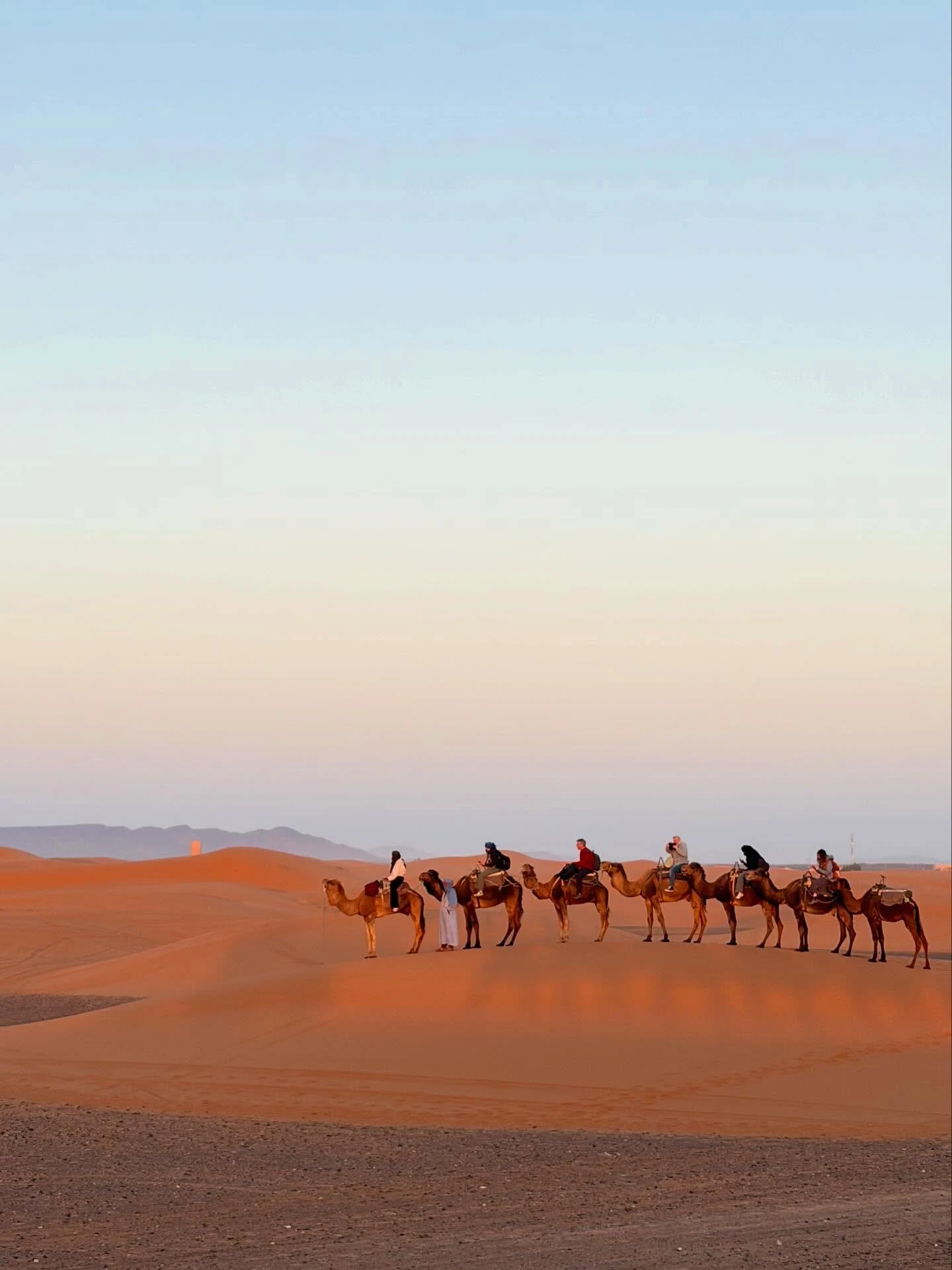
| Sahara Desert (Merzouga) | ✓ Safe | Use reputable tour operators; remote area — prepare well |
| Agadir | ✓ Very Safe | Most resort-like city; extremely low hassle for tourists |
🎭 Common Tourist Scams & How to Avoid Them
The most common “safety” issues in Morocco are not crimes but rather persistent scams targeting tourists. Being aware of them is 90% of the protection you need.
1. The Unofficial Guide Scam
Someone (often very friendly) offers to show you the way in the medina, then at the end demands payment or leads you to a shop where they receive a commission. Always book licensed guides through your hotel or a recognized agency.
2. The Henna Artist Ambush
Women in Djemaa el-Fna may grab your hand and start applying henna without asking — then demand large sums. Politely but firmly decline if you haven’t agreed on a price first.
3. The Spice / Carpet Shop Trap
You’re invited in for “mint tea with no obligation” but subtle social pressure to buy follows. Enjoy the tea and the culture — just know it’s fine to leave without buying anything.
4. Fake Taxis / Rigged Meters
Always use official (beige) petit taxis in cities and insist the meter is running, or agree on a price before getting in. Better yet, use Careem or inDriver apps which are widely available in Moroccan cities.
👩 Is Morocco Safe for Solo Female Travelers?
This is the most-asked safety question about Morocco, and the answer is yes, with awareness. Hundreds of thousands of women travel Morocco solo every year without serious incident. However, verbal harassment (catcalling, uninvited attention) is more common than in Western Europe and can feel uncomfortable.
- Dress modestly, especially in medinas and rural areas — a light scarf goes a long way
- Walk with confidence and purpose; avoid looking lost or overly uncertain
- Stay in well-reviewed riads with good reception and 24hr staff
- If someone bothers you, ignoring completely is more effective than engaging
- Evenings in medinas are fine; stick to busy, lit areas after 10pm
- Join women-only or female-led tour groups if you want extra comfort
- Trust your gut — Morocco’s tourist police are quick to respond
⚖️ Pros & Cons of Visiting Morocco in 2026
✓ Reasons to Go
- Low cost of living vs. Europe
- Incredibly rich culture & history
- World-class cuisine
- Diverse landscapes (desert, mountains, coast)
- Warm hospitality — Moroccan culture prizes guests
- Excellent flight connections from Europe
- New high-speed train (Al Boraq) is excellent
- Strong tourism infrastructure post-2022 FIFA preparations
⚠ Things to Be Aware Of
- Persistent touts in busy medinas
- Aggressive bargaining culture (can feel pressuring)
- Some areas have squat toilets / no toilet paper
- Ramadan changes schedules significantly
- Summers (July–Aug) are extremely hot inland
- Drug possession laws are strict; zero tolerance
- LGBTQ+ rights are limited — public displays inadvisable
🏥 Health & Medical Safety in Morocco
Morocco’s main cities have modern, well-equipped private clinics and hospitals. The quality of public healthcare is more variable. Here’s what to know before you go:
- No mandatory vaccinations are required to enter Morocco in 2026
- Recommended: Hepatitis A & B, Typhoid, Tetanus — consult your doctor 4–6 weeks before travel
- Tap water is technically treated but not reliably safe to drink — stick to bottled water
- Traveler’s diarrhea is the #1 health complaint — pack ORS sachets
- Travel insurance with medical evacuation coverage is strongly recommended
- Pharmacies (marked with a green crescent) are well-stocked and pharmacists are often multilingual
- Heat stroke is a real risk in summer — carry water, wear a hat, take midday breaks
📋 Essential Safety Tips Before You Travel
❓ Frequently Asked Questions
Answers to the questions travelers most commonly ask about Morocco safety:
Is Morocco safe to visit in 2026?
Yes. Morocco is one of the safest countries in Africa and the Arab world for tourists. The U.S. State Department rates it Level 1 (“Exercise Normal Precautions”). Violent crime against tourists is rare. The main risks are petty theft and tourist scams, both of which are easily managed with basic awareness.
Is Morocco safe for solo female travelers?
Yes, though solo female travelers should be prepared for verbal harassment, which is more common than in Western Europe. Dressing modestly, projecting confidence, and staying in reputable accommodations greatly reduces unwanted attention. Thousands of women travel Morocco solo each year without incident.
Do I need travel insurance for Morocco?
It is strongly recommended. While not legally required, travel insurance covering medical emergencies, evacuation, and trip cancellation protects you if anything goes wrong. Private hospital care in Morocco can be expensive for foreigners without coverage.
What is the safest city in Morocco for tourists?
Agadir and Chefchaouen are widely regarded as the safest and most relaxed cities for tourists. Agadir is a modern beach resort with almost no medina hassle. Chefchaouen is a small, friendly mountain town known for its laid-back atmosphere and beautiful blue-painted streets.
Is Morocco safe after the 2023 earthquake?
Yes. The 2023 Al-Haouz earthquake affected rural areas near Marrakech and the High Atlas mountains. Reconstruction has been ongoing, and tourist infrastructure in Marrakech and major cities was quickly restored. Some trekking routes in the High Atlas may have altered paths — verify with local operators before mountaineering.
🌟 Final Verdict: Should You Visit Morocco in 2026?
Absolutely. Morocco in 2026 is welcoming, stable, and rich with experiences that are hard to find anywhere else in the world. The combination of ancient medinas, Saharan landscapes, Atlantic coastlines, mountain villages, and world-renowned cuisine makes it one of the most rewarding destinations on earth.
The precautions you need in Morocco are no different from those in Paris, Rome, or Bangkok — stay aware, use common sense, and trust reputable services. The country’s massive tourism industry, dedicated tourist police, and legendary Moroccan hospitality mean that the vast majority of visitors leave with nothing but incredible memories.
The question isn’t really whether Morocco is safe. The question is: which part of Morocco will you explore first?
Ready to Plan Your Morocco Trip?
Connect directly with our licensed Moroccan tour guide — personalized itineraries, private tours, and expert local advice available 7 days a week.
Chat with Our Guide on WhatsAppLicensed Tour Guide · +212 671 437 971 · Replies within minutes