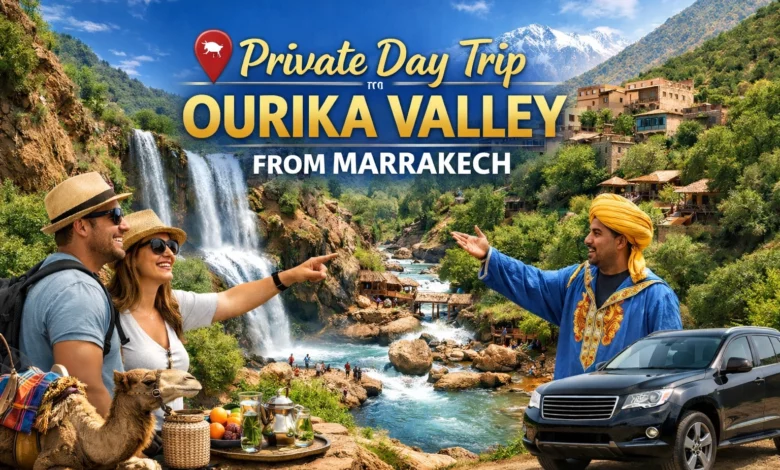
Private Day Trip to Ourika Valley from Marrakech
Escape the City, Embrace the Mountains: Your Personal Journey Through Morocco’s Lush Atlas Foothills
The Ourika Valley represents one of Morocco’s most authentic mountain experiences—a place where traditional Berber life unfolds against cascading waterfalls, terraced orchards, and the serene Ourika River. Located just one hour from Marrakech’s bustling medina, this verdant landscape offers a complete escape from urban energy into a world of genuine cultural encounters and natural beauty that has drawn travelers (and Marrakech locals seeking refuge) for generations.
A private day trip to Ourika Valley is not simply sightseeing. It is a carefully curated experience where your pace, interests, and comfort define every moment. Unlike group tours that operate on fixed schedules with 15–20 other travelers, a private journey allows you to linger at a Berber family’s home for an unhurried conversation over mint tea, choose whether to hike to the first or seventh waterfall, or simply sit by the river without pressure to keep moving. This distinction defines the quality of premium travel in Morocco.
This service page outlines what awaits you, why private travel transforms a destination, and how our licensed, professionally managed tours ensure both authenticity and safety.
What Makes a Private Tour Different: Experience the Valley at Your Pace
Private vs. Group Tours: The Real Difference
The fundamental difference between private and group tours extends far beyond vehicle size. A private day trip to Ourika Valley is a fundamentally different experience.
Private tours offer complete customization. Your guide works exclusively with your party—whether that’s a couple, family, or small group of friends. The itinerary adapts to your interests in real time. Interested in photography? Your guide knows the best light and hidden viewpoints. Traveling with elderly parents? Hiking stops are adjusted for comfort. Children asking questions about Berber culture? The guide becomes educator, not just commentator. This responsiveness cannot exist in a group setting where 20 people are competing for attention and moving to a predetermined schedule.
Group tours operate on rigidity. You arrive at a set time, depart at a set time, and experience attractions in a fixed order. If you want to spend another 30 minutes in a Berber village, the group waits (creating social pressure) or you miss that part of the itinerary. Most travelers report that group experiences feel rushed, crowded, and less culturally immersive—reviews frequently mention “feeling like we were part of a factory” or “barely had time to take photos.”
The financial calculation surprises many travelers. While private tours carry a higher per-person cost than budget group tours, families and small groups often discover that splitting the cost of a private vehicle with 3–4 people yields comparable or even lower total expenses than group tours—while delivering exponentially better experience quality. A family of four shares one premium private vehicle; a couple pays per couple, not per person in a 20-seat minibus. For couples and small families, private travel frequently offers superior value.
Quality of guide and cultural depth differ significantly. Private guides—especially those licensed by Morocco’s Ministry of Tourism—are often specialists in their region with years of local knowledge. They are invested in your experience and build reputation through repeat bookings and referrals. Group tour guides manage multiple parties daily and cannot provide the same depth of attention or personalization. The difference in cultural insights, local connections, and the authenticity of your experience is tangible and immediate.
The Ourika Valley & Setti Fatma: What You’ll Experience
Geography and Natural Significance
The Ourika Valley stretches approximately 70 kilometers from Marrakech’s outskirts to the village of Setti Fatma, nestled in the foothills of the High Atlas Mountains. The valley is carved by the Ourika River, a waterway that transitions dramatically with seasons—flowing abundantly and crystal clear in spring and early summer (following winter rains), then slowing to a tranquil pace in drier months. This river is the lifeblood of the valley’s ecosystem and its human communities.
The landscape is lush with terraced agriculture: olive groves, almond and cherry orchards (particularly stunning in spring blossom), walnut trees, and citrus plantations blanket the valley slopes. Traditional mud-brick and stone Berber villages—some centuries old—cling to hillsides, their architecture designed to integrate seamlessly with the mountain environment. This is not a contrived “tourist destination” but an active community where daily life continues much as it has for generations.
Setti Fatma: Gateway to the Waterfalls
Setti Fatma is the final village accessible by road and serves as the departure point for all waterfall treks. It is a modest village built around the Ourika River, with simple guesthouses, tea shops, and restaurants—some quite literally with tables positioned feet from the river’s edge, creating the memorable experience of dining to the sound of flowing water and mountain air.
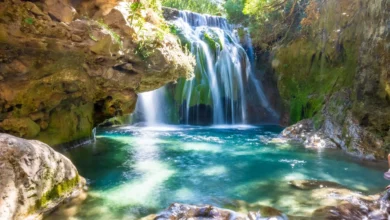
The famous Setti Fatma waterfalls consist of seven cascades, though most day trips include hiking to the first and second falls (approximately 1.5–2 hours of walking from the village). The first waterfall is the most accessible and dramatic, featuring a substantial drop into a natural pool ideal for swimming in summer months. Beyond the first waterfall, the trail becomes steeper and rockier, but the reward is progressive silence, fewer crowds, and natural pools for refreshment. Adventurous travelers frequently trek to the third or fourth waterfall, discovering increasingly peaceful settings and more intimate encounters with the landscape.
An important note: the area is home to native Barbary monkeys—the only macaque species found outside Asia. Sightings are common along the trail, and while these animals appear harmless, they are wild creatures that should be observed from a respectful distance. (Monkeys have learned to steal snacks from careless hikers; secure your food and water.)
Your Complete Private Itinerary: A Day Designed for You
Sample 8–9 Hour Day Trip Schedule
The following itinerary represents a typical private day trip. Because the experience is private, every element can be adjusted to your preferences, fitness level, and interests.
08:00–08:30 | Hotel/Riad Pickup
Your dedicated driver arrives at your accommodation punctually. The vehicle—a comfortable, air-conditioned sedan or small SUV depending on group size—is maintained to modern safety standards and inspected every six months per Moroccan regulations. Your driver is a registered tourism professional with a “carte professionelle” issued by the Chamber of Trade.
08:30–10:00 | Journey Through Rural Morocco
The drive to Ourika Valley is scenic and moderately paced. As you climb from Marrakech’s elevation toward the valley, you’ll notice temperature dropping—often by 5–10 degrees Celsius—and the urban landscape giving way to agricultural terrain and mountain vistas. Your guide provides running commentary on the changing geography, Moroccan agricultural practices, and local history. You’ll pass through smaller towns and villages, each telling a story about rural Moroccan life.
10:00–10:30 | First Village Stop & Berber Family Home Visit
Upon arriving in the valley, you’ll stop at a traditional Berber village. Here, you’ll visit the home of a local Berber family who welcomes guests as part of sustainable community tourism. You’ll be greeted with traditional mint tea and homemade bread, sometimes accompanied by Moroccan honey or preserved lemons. This is not a staged photo opportunity; it’s a genuine cross-cultural conversation.
Your guide will facilitate exchange—answering questions about family structure, village life, traditional crafts, and daily routines. Many families still practice traditional crafts; you may observe women weaving carpets or preparing food using methods unchanged for centuries. The experience provides context for understanding how Berber communities maintain cultural identity while navigating modernity.
10:45–11:30 | Argan Oil Cooperative (Optional)
Depending on your interests, you can visit a women-led argan oil cooperative. Here, local women demonstrate the traditional (and increasingly rare) hand-pressing method of extracting argan oil from nuts, explaining its uses in cooking and cosmetics. You’ll learn how this enterprise provides economic independence for women in mountain communities. This visit supports local economies directly—purchases fund community education and health initiatives.
11:45–12:30 | Journey Through the Valley & Valley Viewpoints
Your driver navigates the winding valley road toward Setti Fatma, stopping at panoramic viewpoints. The views encompass terraced agriculture, traditional villages, and distant snow-capped Atlas peaks (in winter and early spring). These stops are ideal for photography and for absorbing the valley’s scale and beauty in contemplative silence.
12:30–13:00 | Arrival in Setti Fatma & Guide Introduction
Upon reaching Setti Fatma village, you’ll meet your local hiking guide. (This is typically an additional service fee—see “What’s Not Included” below—but highly recommended for safety, cultural insight, and efficiency on the trail.) Your hiking guide is knowledgeable about the terrain, weather conditions, wildlife, and optimal route depending on fitness level and time available.
13:00–14:30 | Guided Hike to Setti Fatma Waterfalls (or Flexible Waterfall Exploration)
The hike begins immediately from Setti Fatma village, following a rocky trail alongside the Ourika River. The path is moderately challenging—not technical climbing, but footing is uneven, and the gradient increases as you ascend. The first waterfall is reached after approximately 45–60 minutes of steady hiking.
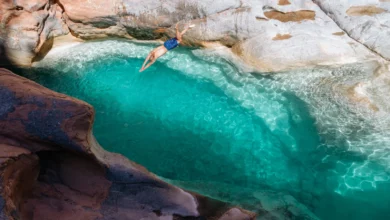
Here, you can swim in the natural pool (bring a bathing suit), photograph the cascade, or rest in the shade. Many travelers stop here and return to the village, which is perfectly reasonable and allows time for lunch.
However, if fitness and interest allow, continuing beyond the first waterfall is rewarding. The second waterfall is reached in another 30–45 minutes and is noticeably more peaceful, with fewer crowds and a more intimate setting. Beyond the second waterfall, the trail becomes considerably steeper and rockier; your guide will assess whether conditions are appropriate for your group.
Throughout the hike, your guide provides interpretation of flora, wildlife, geology, and the river ecology. If time permits and interest exists, you may observe local women harvesting seasonal plants or learn about traditional medicinal uses of mountain plants.
14:45–15:30 | Lunch by the River
Upon returning to Setti Fatma, lunch is taken at a riverside restaurant. Meals are authentic Moroccan fare: tagine (slow-cooked stew with meat or vegetables), couscous, fresh salads, and bread. Restaurants serve meals on small terraces overlooking the river, creating a memorable dining experience. Beverages include fresh orange juice, Moroccan mint tea, or bottled water. Vegetarian options are always available and prepared fresh.
(Note: Lunch can be pre-arranged or selected upon arrival. Dietary restrictions, allergies, and preferences should be communicated at booking to ensure appropriate arrangements.)
15:30–16:30 | Free Time in Setti Fatma
Following lunch, you have free time to explore the village at your own pace. Options include visiting small craft shops selling traditional Berber textiles and pottery, purchasing fresh fruit at the local market, photographing village architecture, or simply sitting by the river reflecting on the morning’s experience. Your guide remains available for questions or recommendations.
16:30–17:00 | Return Journey Begins
Your driver collects you and begins the return journey to Marrakech. The drive provides time for rest, reflection, or conversation about the day’s experiences.
17:00–18:00 | Return to Hotel
Arrival at your hotel or riad in Marrakech, concluding your private day trip experience.
Why Choose Our Licensed Private Tours: Professionalism, Safety, and Authenticity
Official Ministry of Tourism Licensing & Credentials
Our tour guides and travel services are officially licensed by the Moroccan Ministry of Tourism (Reference: 2898). This credential represents more than bureaucratic approval; it reflects verified expertise, background vetting, and adherence to national tourism standards.
What does this licensing mean in practice?
All guides have completed formal tourism education or demonstrated years of hands-on professional experience. Applicants pass written examinations on Moroccan geography, history, architecture, culture, and socio-economic conditions—essentially proving they function as cultural ambassadors, not merely tour facilitators. Language proficiency is formally tested; our guides are fluent in English, French, and often Arabic or Berber languages.
Licensed guides are registered in the Ministry’s national database, subject to random inspections by tourism police and gendarmes, and held to professional conduct standards. This system exists specifically to protect travelers from unlicensed “faux guides” (fake guides) who were historically problematic in Morocco—individuals who lured tourists into shops, overcharged, or provided inaccurate information.
When you book with a licensed operator, you have legal recourse, insurance coverage, and verified professional credentials—protections unavailable with unverified, informal guides found through informal channels.
Vehicle Safety & Comfort Standards
Transportation vehicles used in tourism must meet rigorous Moroccan specifications:
- Vehicle age: No vehicle may exceed 5 years old, ensuring modern safety features and reliability
- Inspection: All vehicles undergo mandatory inspection every 6 months to verify mechanical condition and safety systems
- Insurance: Full-coverage tourism-specific insurance is mandatory and verified at random police checkpoints
- Safety equipment: All vehicles carry fire extinguishers, reflective vests, hazard triangles, and first-aid kits with regularly checked expiration dates
- Driver credentials: Drivers hold “carte professionelle” (professional cards) issued by the Chamber of Trade and undergo regular vision checks
These standards exist because Moroccan authorities take traveler safety seriously, and compliance is strictly enforced. Your comfort and safety are not incidental; they are regulatory baseline requirements.
Authentic Cultural Encounters, Ethically Conducted
Our private tours prioritize authentic cultural exchange while respecting local communities. This means:
- Family visits are consensual and reciprocal: Berber families who host visits are compensated, and the interaction is genuine—not a performance. Guides facilitate real conversation, not scripted talking points.
- Economic benefit flows to communities: Argan cooperatives, restaurants, and guides are locally owned. Your spending directly supports mountain communities, not international corporations.
- Cultural sensitivity is embedded: Guides coach guests on respectful behavior, photography etiquette, and cultural norms before visits. You’re not a spectator; you’re a respectful guest.
- Environmental care is prioritized: Guides ensure trash is removed, plants are not damaged, and natural sites are treated as sacred spaces, not backdrops.
Sustainable, ethical tourism is not marketing language here; it’s operational practice backed by 20+ years of community relationships and reputation.
What’s Included in Your Private Day Trip
Standard Inclusions
- Private air-conditioned transportation with a professional, registered driver
- Hotel/riad pickup and drop-off in Marrakech (timing flexible to your preference)
- Fuel, tolls, and all transportation costs with no hidden charges
- Flexible itinerary customizable to your interests, pace, and fitness level
- Expert local guide (trained, licensed, fluent in English, French, and local languages)
- Visit to traditional Berber family home including welcome mint tea
- Scenic valley drives with stops at panoramic viewpoints
- 1.5–2 hour guided hike to Setti Fatma waterfalls
- Access to natural pools for swimming (weather and season permitting)
- Free time in Setti Fatma village to explore at your pace
- Professional environmental practices ensuring cultural respect and ecological care
What’s NOT Included (And Why These Are Optional)
Understanding what is not included helps you budget accurately and make informed decisions:
- Lunch: While riverside meals in Setti Fatma are exceptional and inexpensive (typically 100–150 MAD per person, or $10–15), they’re not included to allow flexibility. You can choose restaurant, portion size, and dietary preferences upon arrival. Pre-arrangement available upon request.
- Local hiking guide for waterfall trek: While the general tour guide accompanies your group, hiring a dedicated local mountain guide for the waterfall hike is optional (approximately 200–300 MAD or $20–30). This guide enhances experience with deeper trail knowledge and local insights but is not mandatory. Many travelers successfully complete the hike with the general guide alone.
- Entrance fees to attractions: Most natural sites (valleys, waterfalls) have no formal entrance fees, but some cooperatives or museums may charge small amounts (typically 50–100 MAD or $5–10). These are transparent and paid directly at the site.
- Argan oil cooperative visit: This optional stop involves no entrance fee but may tempt purchases of argan oil (high quality, reasonably priced at 150–300 MAD per liter compared to $30–50 in Western retail). Supporting this women-led enterprise is encouraged but entirely optional.
- Activities beyond standard hike: Horseback riding, additional trekking to upper waterfalls, or guides specializing in photography, botany, or geology require separate arrangement and fees.
Who This Private Tour Is Perfect For
Ideal Travelers for This Experience
Couples Seeking Romance & Culture:
Newlyweds and long-married couples frequently describe this tour as “unexpectedly romantic”—the private nature creates intimate moments: tea with a Berber family, lunch overlooking the river with mountain vistas, a shared hike through pristine landscape without crowds. The flexibility allows pausing for photographs or quiet reflection. This experience cannot be replicated in a group setting.
Families with Children:
The flexible itinerary adapts to children’s pace and interests. Younger children (ages 5+) handle the easier portions of the trail well; the natural pools are safe for supervised swimming; visiting a Berber home fascinates children who connect naturally with local families. The private vehicle allows flexibility for bathroom breaks, snack stops, and pace adjustments. Many families report this as the highlight of their Morocco trip—children remember the experience for years.
Photographers & Visual Artists:
The timing, locations, and flexibility of private tours align perfectly with photography interests. Your guide knows optimal light conditions, less-photographed angles, and can adjust timing to capture specific lighting (sunrise/sunset effects on the river, monkeys in natural behavior, village architecture at golden hour). Professional photographers frequently book private tours specifically for this flexibility.
Active Travelers & Fitness Enthusiasts:
Those comfortable with hiking find joy in pushing beyond the first waterfall, exploring the quieter upper cascades, and engaging with the landscape at deeper levels. Your guide can adapt the route to extend into more challenging terrain if fitness and interest warrant.
Solo Travelers (Recommended with Caution):
Solo travel is certainly possible and many solo travelers complete this tour successfully. However, we recommend considering a small group tour or booking a private tour with another solo traveler to share costs and for social experience. Mountain environments carry inherent risks (uneven terrain, river crossings), and having a companion adds both safety and enjoyment.
Luxury Travelers & Those Prioritizing Comfort:
Private tours eliminate the compromises of group experiences. You choose where to stop, how long to stay, when to eat, and what pace suits you. The experience is entirely curated to your preferences—premium service at its essence.
Travelers Interested in Authentic Culture:
Those seeking genuine Berber interaction rather than staged performances will find this tour delivers real encounters. Your guide’s expertise and community relationships enable conversations that matter, not scripted cultural theater.
Special Occasions:
Anniversaries, milestone birthdays, and celebrations become truly memorable when experienced privately in such a beautiful setting. Many travelers book this tour specifically to mark important life moments.
Who Might Consider Alternatives
- Travelers with severe mobility limitations: The trail to waterfalls involves uneven, rocky terrain and is not wheelchair accessible. However, valley exploration without the hike is entirely feasible—discuss with us for customization.
- Extremely budget-conscious travelers: While private tours offer excellent value for families and couples, solo travelers on tight budgets may find budget group tours cheaper (though with diminished experience quality). Group tours from Marrakech start around 200 MAD per person.
- Those seeking nightlife or urban entertainment: This is a nature and culture experience—peaceful and contemplative, not lively or bustling. If you’re seeking Marrakech’s medina energy, this tour offers contrast, not continuation.
Seasonal Considerations: When to Visit Ourika Valley
Spring (March–May): Premium Season
Why it’s exceptional: Spring represents the ideal season for most travelers. Daytime temperatures average 18–24°C (64–75°F)—comfortable for hiking without excessive heat. The valley comes alive with color: almond and cherry blossoms blanket hillsides in pale pinks and whites; wildflowers (poppies, wild orchids) dot the landscape.
The Ourika River flows abundantly and crystal clear following winter rains, creating the most dramatic waterfall displays. Swimming in natural pools is refreshing but not freezing.
Considerations: Spring is peak season, and popular sites (especially the first waterfall) do experience crowds, particularly Easters and school holidays. To minimize this, book early departures (8:00 AM) or consider mid-week visits.
Summer (June–August): Hot but Viable
Why it works: The Atlas foothills remain significantly cooler than Marrakech—often 10–15°C cooler than the city’s summer heat. Early morning hikes (departing 7:00 AM) remain comfortable. Swimming pools and river sections provide relief.
Considerations: Lower elevations experience heat; mid-day hiking is challenging. The river may run lower. Afternoon thunderstorms can occur (rare but worth monitoring). Early departure is essential; sunset hiking is not recommended due to rapid temperature drops and safety concerns.
Autumn (September–November): Excellent Alternative
Why it’s appealing: Temperatures cool from summer extremes (averaging 20–28°C or 68–82°F) but remain warmer than spring, creating a sweet spot for hiking comfort. Crowds diminish significantly after September. The landscape retains summer lushness while gaining autumn clarity.
Considerations: The river runs lower than spring; waterfalls are less dramatic. September can still carry afternoon heat. October–November represents genuinely excellent visiting conditions with minimal crowds.
Winter (December–February): For Adventurous Travelers
Why some prefer it: Winter brings solitude. Trails are nearly empty; villages feel authentic rather than touristy. Early morning light is crystalline. Higher elevations occasionally receive snow, creating stunning visual drama.
Considerations: Lower elevations remain accessible, but mountain sections may involve icy patches or require additional caution. Daytime temperatures drop to 10–18°C (50–64°F); early mornings and evenings are cold. Rain occurs; waterproof jackets are essential. Hikers must be comfortable with cooler, potentially wet conditions.
Practical Seasonal Recommendation
For first-time visitors: Book March–May or October. These seasons balance comfort, scenic beauty, and reasonable (not excessive) crowds.
For returning visitors or specific interests: Summer dawn hikes, autumn solitude, or winter snow experiences all offer distinct appeal to experienced travelers seeking something beyond the typical experience.
Safety, Professionalism & Your Peace of Mind
How We Ensure Your Safety
Medical & Emergency Preparedness:
- All drivers carry first-aid kits with regularly checked, non-expired supplies
- Guides are trained in basic first aid and wilderness emergency response
- All vehicles have working communication systems to alert emergency services
- The Ourika Valley is accessible to medical facilities in Marrakech (approximately 1 hour from Setti Fatma)
- Guides maintain current knowledge of trail conditions and can adjust routes based on weather or individual circumstances
Weather Monitoring & Route Adaptation:
- Guides monitor weather forecasts and adjust activities accordingly
- Afternoon thunderstorms can occur in summer; guides recognize warning signs and respond immediately
- Winter snow may occasionally make higher elevations inaccessible; guides know alternative routes
- Flash flooding (rare) is understood and avoided through experienced route knowledge
Trail Safety & Fitness Assessment:
- Guides conduct brief fitness conversations at the start to understand capabilities and adjust pace
- The standard waterfall hike is moderate, not extreme, and accessible to most healthy adults
- Guides carry water, snacks, and first aid during hikes
- Groups are never pressured to exceed comfortable fitness levels; turning back early is always an option
Vehicle & Road Safety:
- All vehicles meet Moroccan safety standards (inspected every 6 months, mandatory insurance, modern safety features)
- Drivers are experienced mountain-road specialists; the winding valley roads, while requiring attention, are well-maintained and traveled daily
- Professional drivers operate defensively and maintain appropriate speeds—very different from the aggressive driving stereotypes some associate with Morocco
Professionalism & Service Standards
Communication:
- Booking confirmations are provided in writing with all details: times, meeting locations, contact information, cancellation terms, what to bring
- Your guide contacts you 24 hours before the tour with final confirmation and any weather-related updates
- Guides carry mobile phones and maintain communication throughout the day
- Post-tour follow-up ensures satisfaction and gathers feedback for continuous improvement
Flexibility Without Compromise:
- Within reason, itineraries adjust to your interests and pace
- If you want additional time at a specific location, the guide accommodates
- If weather becomes concerning, alternatives are discussed and implemented
- Your comfort and safety always take precedence over adhering to a predetermined schedule
Accountability & Recourse:
- All guides and drivers are licensed professionals with verifiable credentials (check by contacting the Ministry of Tourism)
- Services are provided by registered tourism companies with legal business structures, insurance, and accountability
- Should issues arise, there is clear recourse through business relationships and regulatory bodies—unlike informal arrangements with unlicensed operators
What to Bring & How to Prepare
Essential Items
Footwear:
The waterfall trail involves uneven, rocky terrain. Closed-toe hiking boots or sturdy trail shoes with good ankle support and grip are essential. Hiking sandals or waterproof shoes are acceptable alternatives. Avoid flip-flops or smooth-soled shoes—falls on rocky terrain are a genuine risk.
Hydration:
Bring at least 2 liters (half gallon) of water per person. The hike involves physical exertion; dehydration at altitude symptoms escalate quickly. Your guide typically carries additional water, but personal bottles are essential.
Sun Protection:
High-altitude mountain sun is intense. Bring sunscreen (SPF 30+), reapply frequently. A hat or cap shades the face and eyes. Sunglasses protect eyes and reduce glare off the river.
Layered Clothing:
Mountain weather changes rapidly. Mornings can feel chilly; midday sun heats quickly. Wear layers that can be removed or added: a base layer, light sweater, and a windproof outer layer. Cotton absorbs sweat and loses insulating properties when wet; merino wool or synthetic materials are superior.
Swimsuit & Towel:
If you plan to swim in the natural pools (highly recommended in summer), pack a swimsuit and a lightweight quick-dry towel. The natural pools are refreshingly cool—a memorable highlight.
Camera or Phone:
The landscape is visually stunning; bring a device to capture memories. Bring a portable charger; phones drain quickly at higher elevations.
Snacks:
While lunch is provided (or available), bring high-energy snacks: nuts, dried fruit, energy bars. Eating during the hike provides sustained energy.
Medications:
If you take medications, bring a full day’s supply plus extras. Altitude sensitivity, digestive concerns, or other personal medical conditions—inform your guide in advance so they can support you appropriately.
Optional But Recommended
- Insect Repellent: Mosquitoes are minimal but present near water in summer; a small bottle of repellent (with DEET or natural alternative) is practical.
- Waterproof Bag or Dry Sack: If swimming or crossing river sections, protect valuables and electronics in waterproof storage.
- Trekking Poles: For travelers with knee concerns or those hiking beyond the first waterfall, lightweight trekking poles reduce joint stress on descent and improve stability on rocky sections. Not essential but genuinely helpful.
- Portable Charger: Mountain locations have minimal electrical access; a portable phone charger provides security and enables communication if needed.
What NOT to Bring
- Valuable Jewelry or Excess Cash: Keep valuables secure at your hotel. While theft is rare and guides/communities are trustworthy, valuables in open view are unnecessary risk.
- Heavy Day Packs: A small, lightweight backpack (15–20 liters) suffices. Heavy packs strain knees and hips on the descent and are simply unnecessary.
- Formal Clothing: This is nature and culture—not formal dining. Wear practical, comfortable clothes you don’t mind getting dusty or slightly wet.
Frequently Asked Questions: Your Questions Answered
Booking & Logistics
Q: How far in advance should I book?
A: For optimal scheduling, book 2–4 weeks in advance. This allows time for confirmation, communication about specific interests, and coordination. Last-minute bookings (24–48 hours) are often accommodated depending on guide availability, but earlier booking provides more flexibility.
Q: Can the itinerary be customized to my specific interests?
A: Yes, entirely. If you’re particularly interested in Berber textiles, photography, botany, or additional hiking, communicate this at booking. Your guide prepares accordingly. Want to visit fewer attractions and spend more time at one location? Absolutely. The itinerary provided above is a template; your experience is personalized.
Q: Is hotel pickup included?
A: Yes, pickup from your hotel or riad in Marrakech is included. You specify your accommodation at booking. Drop-off at the same location is included at tour conclusion.
Q: What if I’m staying outside Marrakech (Essaouira, Fez, etc.)?
A: Tours departing Marrakech are optimized for that location. For logistics from other cities, contact us directly for routing and potential additional transportation fees.
Q: What happens if I need to cancel?
A: Cancellations made 7+ days before the tour receive full refunds. Cancellations 3–6 days prior are subject to 50% retention. Cancellations within 48 hours are non-refundable due to guide commitment and opportunity cost. Weather-related cancellations initiated by the operator include full refunds or alternative dates.
The Experience
Q: How difficult is the waterfall hike?
A: The standard hike to the first waterfall (45–60 minutes one way) is moderate difficulty—not strenuous. The terrain is rocky and the grade increases, but it’s accessible to most healthy adults and older teenagers. Children as young as 5–6 often complete this section.
The hike beyond the first waterfall becomes steeper and more challenging; fitness, experience, and interest determine feasibility. Your guide will assess your group and provide honest guidance about what’s appropriate.
Q: Are there monkeys? Will I definitely see them?
A: Barbary monkeys inhabit the area, and sightings are common—but not guaranteed. Monkeys appear most frequently along the trail during morning hours (especially early spring) when they’re active. Summer mid-day heat reduces their activity and sighting likelihood. Your guide knows typical patterns and locations. Even if monkeys aren’t directly encountered, the landscape and waterfall experience remain remarkable.
Q: Is the water clean? Can I swim?
A: The Ourika River water is clear and generally clean. Swimming in natural pools at the waterfall is safe and popular. However, the river can carry sediment after heavy rains. Your guide will assess water conditions and advise. Trust their assessment; if they recommend against swimming, there are good reasons (cold, sediment, flow).
Q: What’s the Monday/Thursday Berber market I’ve heard about?
A: Several valley villages host weekly markets (souks) on specific days. Monday and Thursday are market days in some areas, bringing Berber vendors and locals buying/selling goods, produce, and crafts. If you visit on a market day, your guide can include a market visit—a vibrant, authentic cultural experience. This is entirely optional and worth mentioning at booking if it interests you.
Q: How crowded is it compared to group tours?
A: Private tours are, by definition, uncrowded relative to tours with 15–20 people. At popular sites like the first waterfall, other visitors will be present—it’s accessible public space. However, because you’re not arriving in a large group, your experience feels more intimate. Early departures (7:00–8:00 AM) minimize crowds. The second and higher waterfalls are noticeably quieter even in peak season.
Pricing & Value
Q: Why is this more expensive than group tours?
A: Group tours average 200–250 MAD per person ($20–25); private tours range from 1200–1600 MAD for 2 people or 1500–2000 MAD for 4 people (approximately $120–200 total for a couple, $150–200 total for a family of four).
The difference reflects: dedicated guide (not split among 20 people), flexible private vehicle, customized itinerary, and guide expertise. For couples and families, per-person costs often approximate group tours—while delivering significantly superior experience. For solo travelers, group tours are more economical unless sharing a private tour with another solo traveler.
Q: What’s the breakdown of costs?
A: Private tour pricing typically includes driver + guide + vehicle + fuel + insurance. Additional costs include optional local guide for hiking (200–300 MAD), lunch (100–150 MAD per person), and entrance to specific attractions (minimal; most natural sites are free or have small fees). This transparency allows you to budget accurately with no surprises.
Q: Is tipping customary?
A: Guides in Morocco appreciate gratuities for exceptional service—typically 10–15% of the tour cost or 50–100 MAD ($5–10) per person. Tipping is never obligatory but is a kind recognition of good service. If your guide has genuinely enhanced your experience, a tip is a gesture of appreciation that supports their livelihood.
Practicalities
Q: What languages do guides speak?
A: Guides speak English and French fluently. Many speak Arabic and/or Berber languages. All guides are articulate and can communicate complex cultural and historical information clearly.
Q: Is the drive to Ourika Valley scenic?
A: Yes. As you travel from Marrakech toward the valley, the landscape transitions from urban (medina) to suburban to rural farmland to mountain foothills. The scenic drive is part of the experience, and stops at panoramic viewpoints provide photography opportunities and reflection time.
Q: Can I bring my children? How old should they be?
A: Children of any age can participate; flexibility adjusts to their pace and interests. Very young children (under 4) will primarily remain in the vehicle, which limits engagement. Children ages 4–6 often enjoy easier trail sections and the swimming pools. Children 7+ typically complete the full itinerary comfortably. Discuss your children’s ages and interests at booking; we customize accordingly.
Q: Is this tour suitable for travelers with mobility limitations?
A: The waterfall trail involves uneven, rocky terrain unsuitable for wheelchair users or those with severe mobility limitations. However, valley exploration without hiking (visiting Berber villages, panoramic viewpoints, lunch by the river) remains entirely accessible. Discuss specific limitations at booking; we explore what’s feasible for your situation.
Q: What if I’m traveling solo? Should I book a private tour?
A: Solo travel is absolutely possible. However, private tours are typically more economical for pairs or groups. Consider joining a group tour or sharing a private tour with another solo traveler (we facilitate this occasionally). Solo private tours are available but represent higher per-person costs.
Local Insights & Travel Wisdom
Cultural Sensitivity & Respectful Visiting
The Ourika Valley is home to real people with genuine lives, not a museum. Approaching visits with respect and genuine interest transforms the experience.
In Berber villages:
- Ask permission before photographing people; many locals welcome respectful photography, but it’s polite to ask first
- Remove shoes before entering homes, unless invited otherwise
- Accept offered tea and hospitality graciously—refusal can be perceived as rude
- Ask genuine questions about daily life, traditions, and experiences; locals appreciate sincere curiosity more than superficial compliments
At natural sites:
- Respect the landscape; leave no trash, avoid picking plants unnecessarily
- View monkeys and other wildlife from respectful distances; they are wild animals, not attractions
- Recognize that natural sites have held spiritual significance for communities for centuries; treat them with reverence
General etiquette:
- Guides set cultural norms; follow their lead regarding what’s appropriate and respectful
- Prices in village shops are often higher for tourists than locals; that’s normal practice, not exploitation. Fair-trade principles apply; pay what’s asked and move on
- Photography of children should always involve consent from parents/guardians
- Dress modestly when visiting villages (covered shoulders, knees typically covered), though hiking attire for the mountain section is appropriate
Weather Preparation & Safety
Spring & Autumn: These seasons are generally stable. Occasional afternoon thunderstorms can occur; guides monitor weather and adjust timing if necessary.
Summer: Early morning hikes (7:00–8:00 AM departures) complete the main activities before midday heat. Afternoon thunderstorms are rare but possible; guides know how to respond.
Winter: Rain is possible; waterproof jackets are essential. Snow may occasionally make upper elevations inaccessible, but lower elevations remain viable.
Altitude Considerations
The Ourika Valley rises gradually; Setti Fatma village sits at approximately 1,200 meters (3,900 feet) elevation. For most travelers, this elevation poses no challenge. However, those with altitude sensitivity or cardiovascular concerns should be aware. The climb is gradual, hiking pace is controllable, and high-quality guides recognize altitude stress and pace accordingly.
Currency, Money, & Financial Practicalities
Morocco’s currency is the Moroccan Dirham (MAD). The exchange rate is approximately 10 MAD = $1 USD or 10 MAD = €0.95 EUR (rates fluctuate; check current rates at booking).
- Cash is essential: While Marrakech has ATMs, the Ourika Valley has minimal banking infrastructure. Withdraw sufficient cash before departing Marrakech (1,000–1,500 MAD per person is reasonable for lunch, guide tips, and purchases)
- Card payments: Some restaurants in Setti Fatma accept cards, but cash is most reliable
- Restaurant prices: Meals at riverside restaurants typically cost 80–150 MAD per person (salad, main course, bread, beverage)
- Argan oil: High-quality argan oil costs 150–250 MAD per liter
- Tips for guides: 50–100 MAD per person is customary for exceptional service
Photography Tips for Non-Professionals
- Golden hour: The first 2 hours after sunrise and the hour before sunset provide the most beautiful, soft light. If photography is important to you, mention this at booking; your guide will adjust timing to prioritize these periods.
- Composition: Mountains and waterfalls benefit from rule-of-thirds framing. Include foreground elements (river, vegetation) to add depth.
- Monkeys & wildlife: Keep distance respectful (at least 5 meters). Zoom lenses capture natural behavior without disturbing animals.
- Village architecture: Traditional mud-brick buildings photograph beautifully in afternoon light; shadows create dimensional texture.
- People & portraits: Ask permission, smile, and allow them to see photos afterward. Many locals appreciate respectful portrait photography.
Why Choose Us: Our Commitment to Excellence
We’ve conducted private tours throughout the Ourika Valley for over two decades, building deep relationships with local communities, perfecting itineraries through hundreds of guest experiences, and maintaining the highest standards of professionalism and service.
Our guides are not primarily concerned with moving you from point A to point B. They are storytellers, cultural ambassadors, and your companions for a day. They have lived in these mountains, know these communities, understand these landscapes at profound levels, and genuinely enjoy sharing their home with thoughtful travelers.
Our commitment to sustainable tourism means your spending directly benefits local communities. We employ local guides, eat at local restaurants, support women-led cooperatives, and contribute to education and healthcare initiatives in the valleys we visit.
Our licensing and professionalism reflect decades of reputation-building and accountability. We’re not a faceless booking platform; we’re a team of dedicated professionals invested in your experience and your satisfaction.
Your experience matters. We’ve heard thousands of traveler stories about days that exceeded expectations, moments that changed perspectives, and memories that endured for years. That’s not by chance; it’s by design—thoughtful planning, professional execution, and genuine care for your journey.