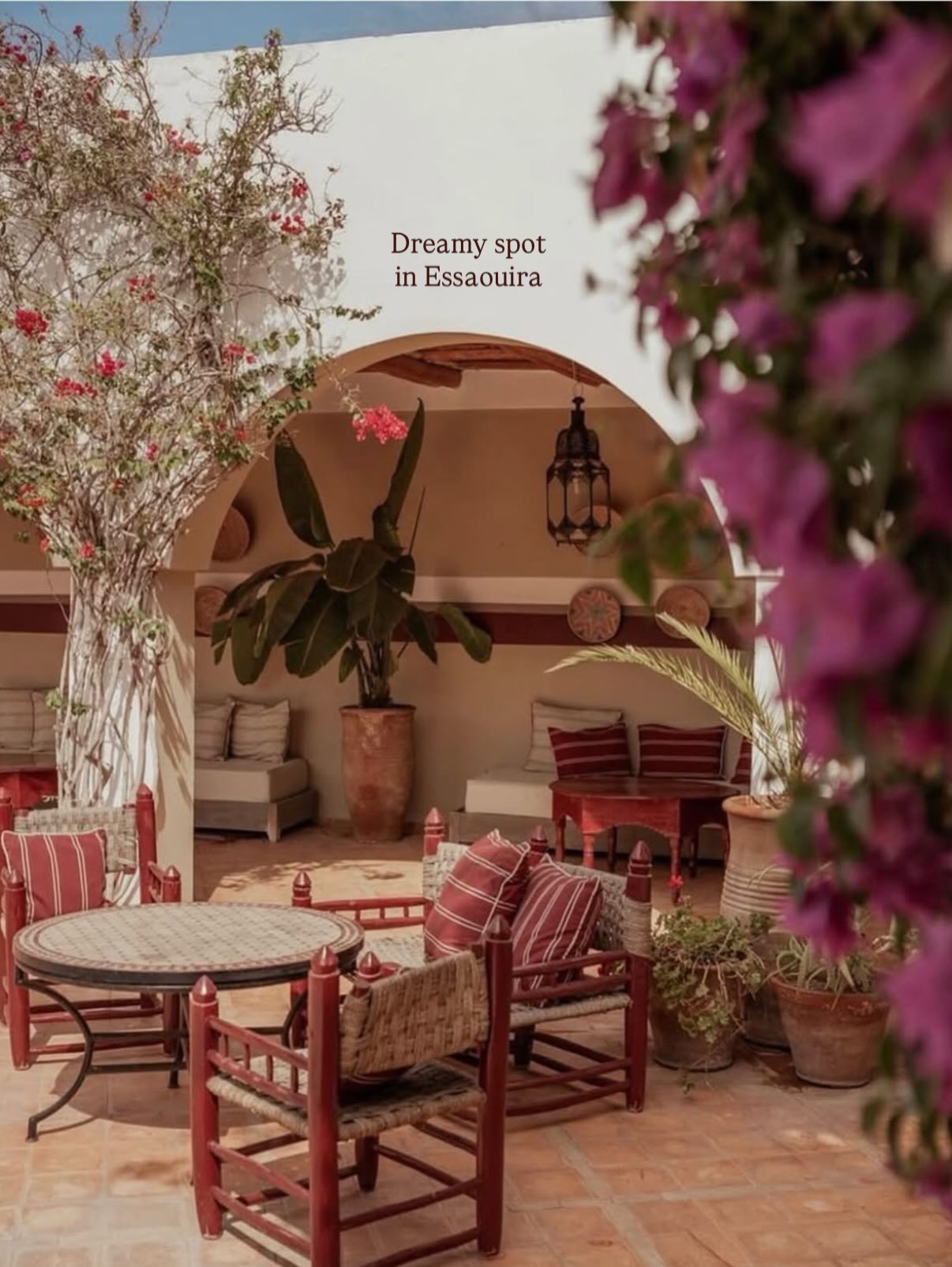
Few countries carry the weight of so many stories at once. Morocco is a land where the call to prayer echoes across labyrinthine alleyways, where desert silence stretches beneath a billion stars, and where centuries of Amazigh, Arab, Andalusian, and Saharan traditions have fused into something utterly irreplaceable. If you have ever wondered what Morocco is known for, the honest answer is: far more than a single article can hold.
A Country Straddling Two Worlds
Understanding what Morocco is known for begins with understanding where it sits on the map. Perched at the northwestern tip of Africa, Morocco is the only country on the continent to border both the Atlantic Ocean and the Mediterranean Sea. The Strait of Gibraltar separates it from Spain by a mere 14 kilometres — close enough to feel Europe’s breath, yet unmistakably African and deeply Arab in character. If you want to understand this remarkable geography better, our guide on Where Is Morocco breaks it down in detail, covering its position, borders, and what makes its location so historically significant.
This geographic crossroads has shaped everything: its trade routes, its languages, its architecture, its food, and its people. It’s a country that has absorbed civilisations rather than simply tolerating them — Phoenicians, Romans, Berbers, Arabs, Portuguese, and French have all left something behind, and Morocco has made each inheritance its own.
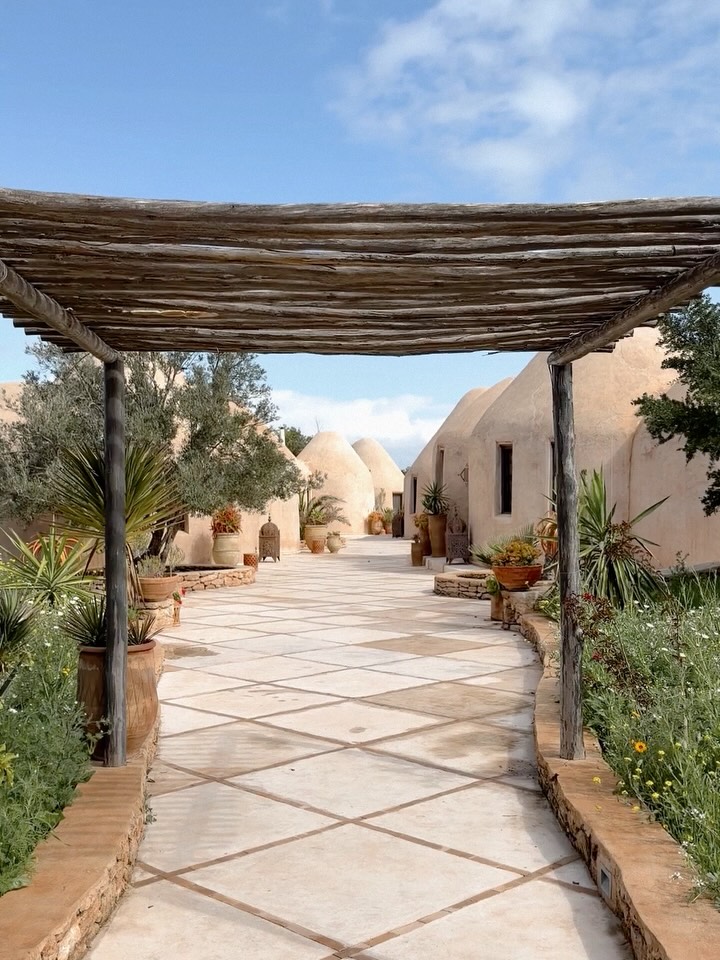
The Imperial Cities — Where History Breathes
Ask anyone who has explored Morocco what left the deepest impression, and they will almost inevitably mention one of the four imperial cities: Fes, Marrakech, Meknes, and Rabat. Each was at some point the capital of a Moroccan dynasty, and each still carries that regal identity in its bones.
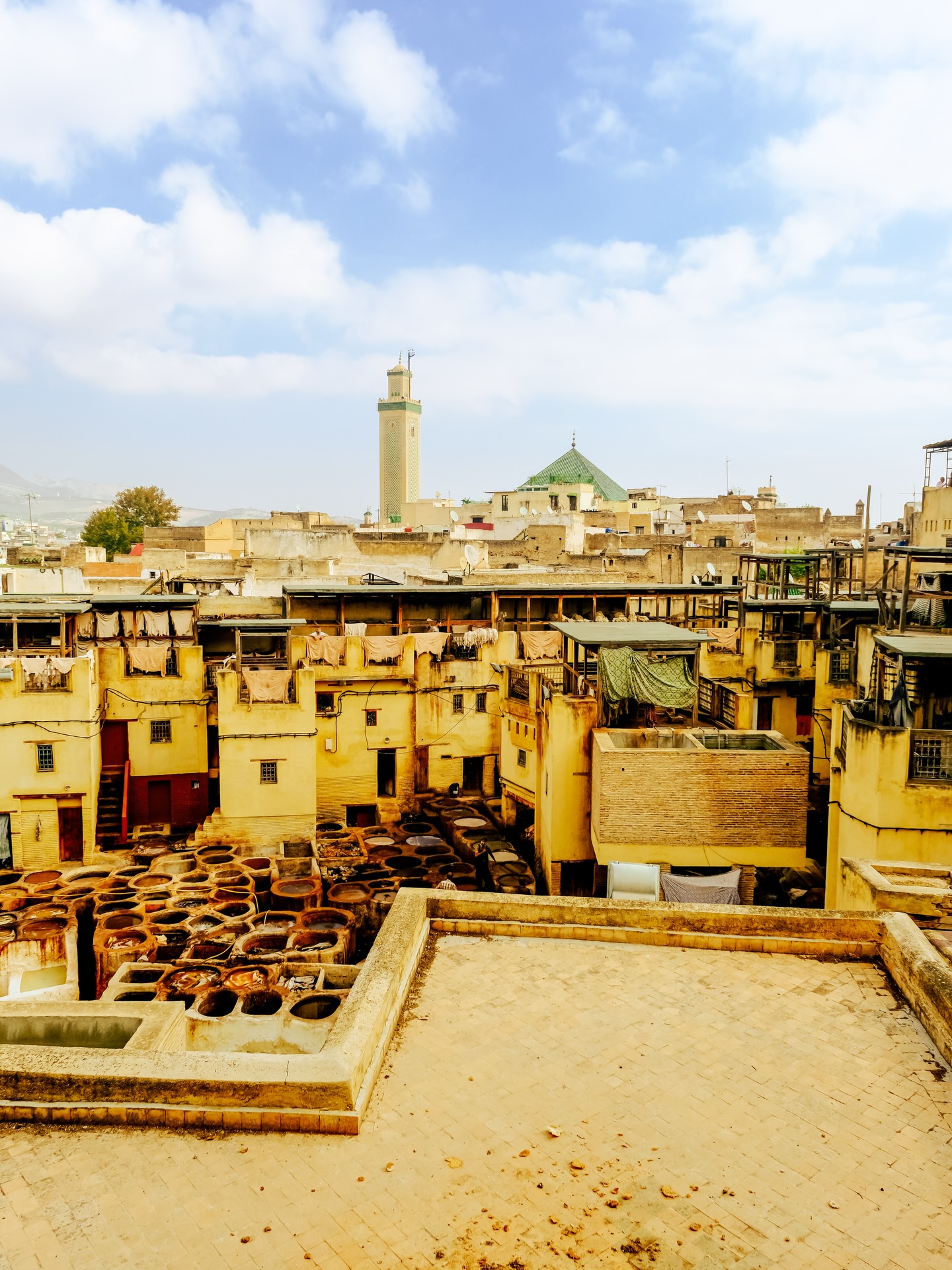
Fes el-Bali, the old walled city of Fes, is arguably the most intact medieval urban centre on Earth. Its narrow derbs — the name given to its blind alleys — twist and fold like the pages of an ancient manuscript, revealing tanneries, Quranic schools, and hammams that have been operating for over a thousand years.
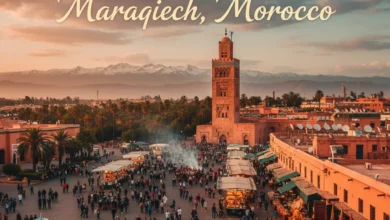
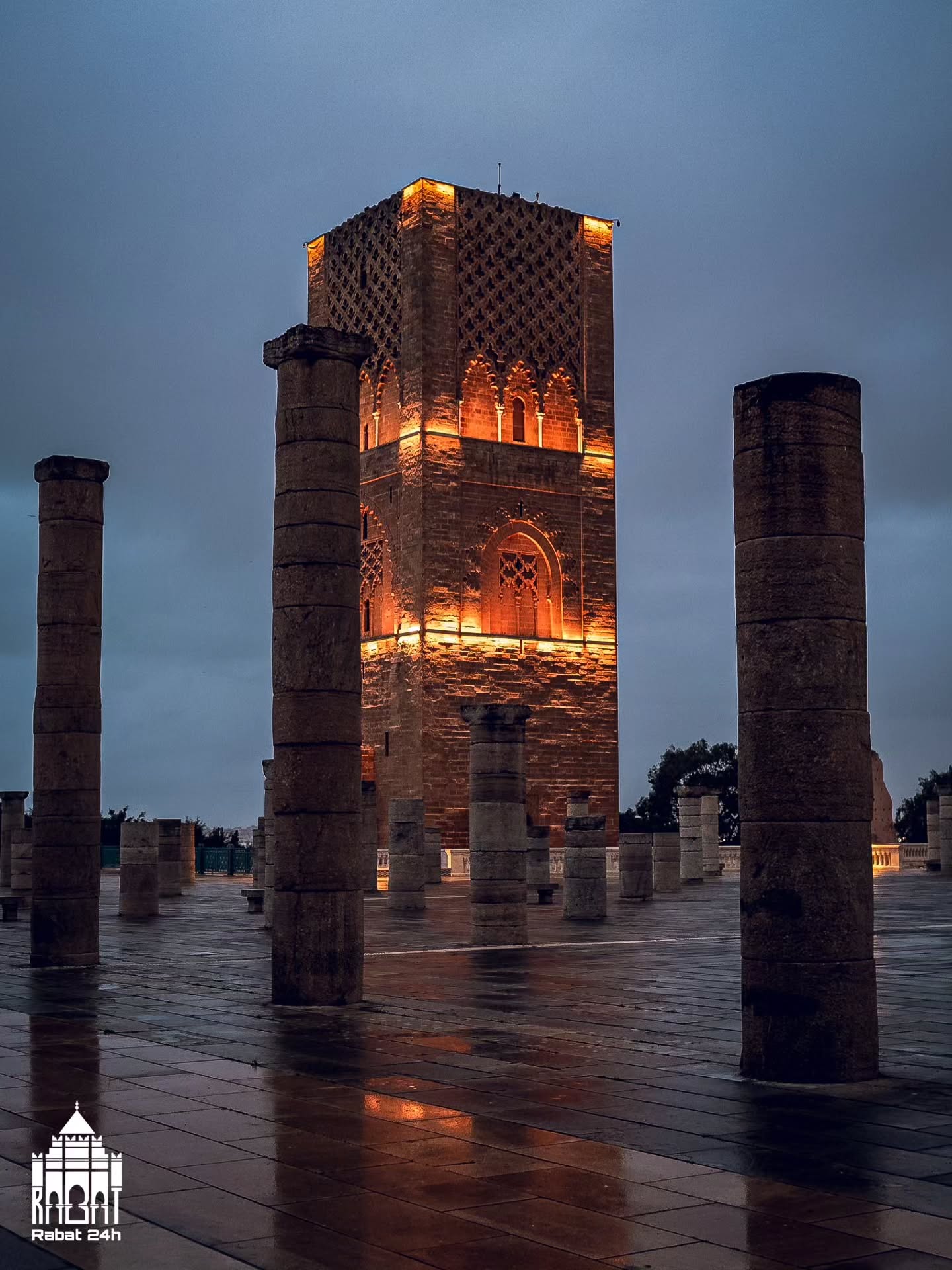
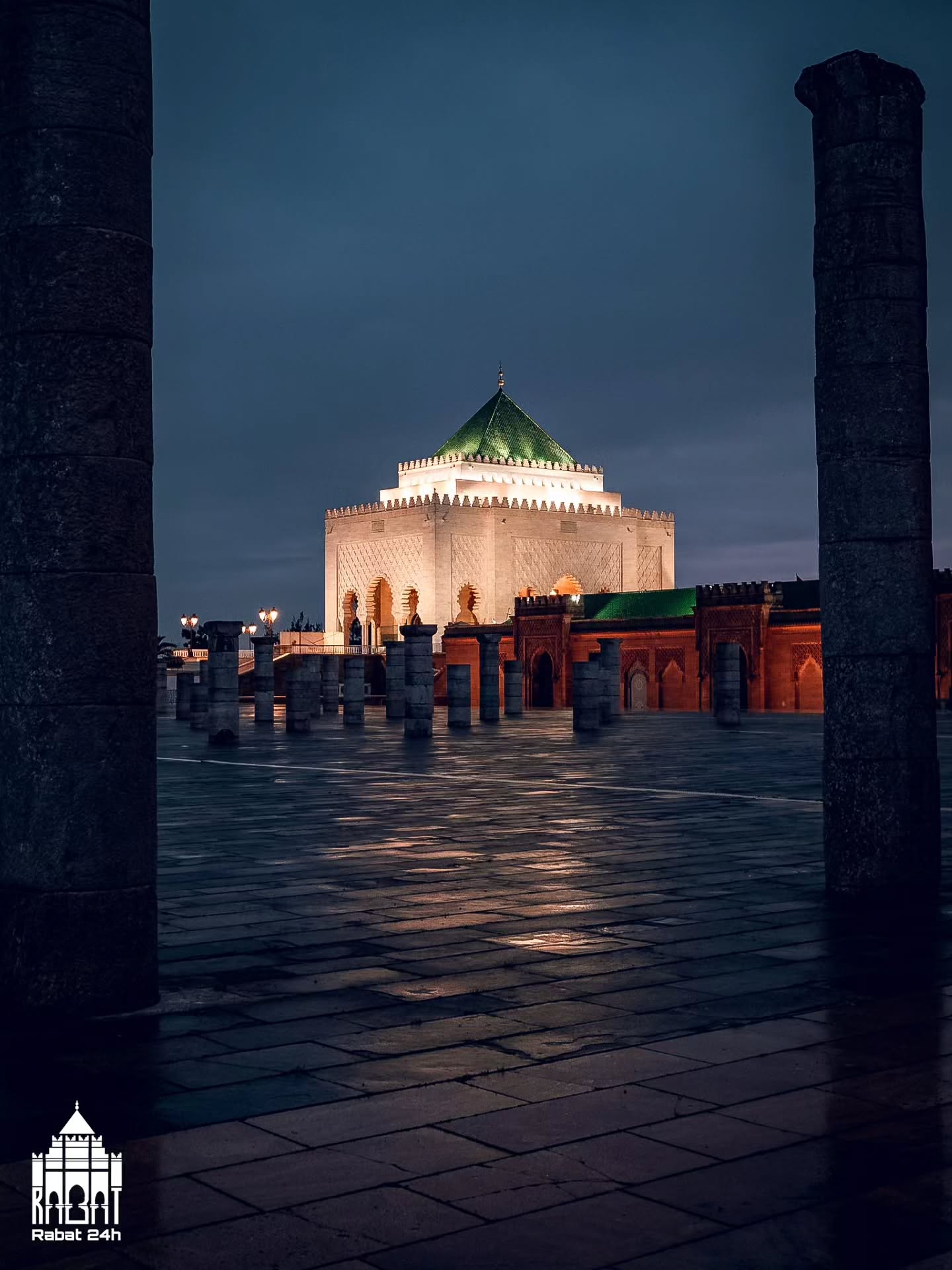
Marrakech, meanwhile, draws the world with its electric pace. The Djemaa el-Fna square transforms from a fruit market by day into a full theatrical production at dusk — acrobats, storytellers, snake charmers, and the smoke of a hundred food stalls rising together into a sky turned amber. Meknes rewards those patient enough to seek it out, its Bab Mansour gate still standing as one of the most breathtaking monumental gateways in the Islamic world. And Rabat, the current capital, blends modernity with a striking medina and the moving Mausoleum of Mohammed V. To explore these and other remarkable destinations across the country, our complete List of Cities in Morocco is an ideal starting point.
The Sahara Desert — Morocco’s Most Humbling Landscape
One of the things Morocco is most powerfully known for is its Saharan south. The Erg Chebbi dunes near Merzouga rise to over 150 metres — great orange walls of wind-sculpted sand that shift imperceptibly with each breeze. Arriving at this landscape at sunrise, when the dunes blush pink and shadows carve their ridges into sharp relief, is the kind of experience that recalibrates how small and how privileged one feels simultaneously.
The journey south through the Draa Valley — past palmeries, kasbahs, and villages the colour of the earth they were built from — is itself half the spectacle. Morocco’s southern provinces are where Berber and nomadic Sahrawi cultures intersect, producing music, poetry, and hospitality traditions unlike anywhere else in the kingdom.
Architecture & Craft — Beauty as a Way of Life
What Morocco is known for in the realm of art and architecture is nothing short of extraordinary. Moroccan design is one of the most recognisable visual languages in the world, instantly evoked by the geometry of zellige tilework, the carved plaster of an ornate riad, or the interlaced wood of a mashrabiya screen. These aren’t decorative flourishes — they are a philosophy, rooted in the Islamic tradition that beauty in the everyday is itself an act of devotion.
The country’s artisans — its metalworkers in Fes, its weavers in the Atlas, its leatherworkers and potters and woodcarvers — represent a living heritage that still supplies the world with some of its finest handmade goods. A single afternoon in a medina souk is enough to understand why Moroccan craft has captivated European designers, Parisian decorators, and architecture studios for generations.
A Cuisine That Tells a Civilisation’s Story
Moroccan cuisine is widely considered one of the most refined and complex in the world, and rightly so. It is a food culture built on patience — slow-cooked tagines that simmer for hours, couscous prepared by hand every Friday, pastilla pies that wrap pigeon meat in layers of wafer-thin pastry dusted with powdered sugar and cinnamon. The flavour combinations can seem paradoxical until you taste them: sweet and savoury, warm spice and cool herb, richness tempered by preserved lemon.
The country’s culinary traditions draw from an extraordinary range of influences — Amazigh, Arab, Andalusian, sub-Saharan, and Jewish Moroccan communities have all shaped the table. Eating in Morocco is never just about food. It is an act of welcome, governed by rituals of hospitality that make every meal feel like a ceremony.
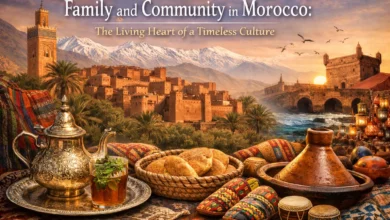
Mint tea — “Moroccan whisky,” as locals affectionately call it — is perhaps the country’s most iconic symbol of hospitality. Poured from height into small glasses to create a gentle foam, it is never just a drink; it is an invitation to slow down and be present.
Culture, Festivals & Living Traditions
Morocco is a country that celebrates deeply. The Fes Festival of World Sacred Music draws listeners from across the globe every June. The Rose Festival in the Dadès Valley transforms entire villages into fragrant pink celebrations. Eid al-Fitr and Eid al-Adha restructure the rhythms of the entire nation, while Amazigh New Year — Yennayer — reminds the world that Morocco’s oldest cultural root predates Islam by millennia.
Gnawa music, with its hypnotic bass sintir lines and trance-inducing ceremonies, is one of the most distinctive sounds Morocco has given the world — a tradition rooted in West African heritage that was inscribed on UNESCO’s Intangible Cultural Heritage list. Berber carpet weaving, calligraphy, henna art, and moussem pilgrimages are all part of a cultural fabric that remains stubbornly alive despite modernisation.
Planning Your Visit: Currency & Practical Notes
Morocco’s official currency is the Moroccan Dirham (MAD), a non-convertible currency that cannot be taken out of the country in large quantities. Visitors generally exchange money upon arrival at the airport or at authorised exchange offices in city centres. For a full breakdown of exchange rates, where to convert, and what to expect when budgeting your trip, see our dedicated guide: What Currency Does Morocco Use.
As for safety — another question that often precedes a first visit — Morocco consistently ranks as one of the safer destinations in Africa and the broader Middle East-North Africa region. Petty nuisances exist in tourist-heavy areas, as they do in any major travel destination, but serious crime targeting tourists is rare. Our comprehensive resource on Is Morocco Safe to Visit for Tourists addresses this honestly, covering different cities, solo travel, and tips for a worry-free journey.
Natural Landscapes Beyond the Desert
Morocco’s geography is one of its most underappreciated assets. Beyond the Sahara, the High Atlas mountains are home to Jbel Toubkal — at 4,167 metres, the highest peak in North Africa — a challenge that draws trekkers from Europe every spring and autumn. The Rif Mountains in the north are softer and greener, draped in cedar forests and dotted with Berber villages. The Atlantic coastline swells with some of the best surf in the world, drawing professionals to Taghazout and Sidi Ifni year-round.
The Todgha and Dadès gorges carve spectacular canyons through the pre-Saharan plateau, while the Souss-Massa estuary and the Merja Zerga lagoon offer remarkable birdwatching for those who look beyond the obvious. Morocco rewards curiosity — the further you stray from the well-worn itineraries, the more it gives back.
So, what is Morocco known for? It is known for medinas that feel like labyrinths and taste like spice markets. For deserts that make silence feel golden and stars feel close. For cities built by dynasties whose names still carry grandeur. For food that has no shortcut, hospitality that has no limit, and a beauty in everyday life — in a tiled fountain, a painted door, a hand-poured glass of mint tea — that quietly insists the world is still capable of wonder. Morocco does not need to explain itself. It simply invites you in.