Best Cultural Tours in Morocco – From Imperial Cities to Sahara Desert
Cultural Tours in Morocco —
Medinas, Desert & Berber Heritage
There is a particular kind of travel that does not simply show you a place — it lets the place unfold around you, slowly, like a letter written in an unfamiliar script that gradually becomes legible. Cultural tours in Morocco are that kind of travel.
Positioned where Africa, Europe, and the Mediterranean converge, Morocco has absorbed and synthesized civilizations for millennia. The result is a living culture — practiced daily in family kitchens, craft workshops, and mountain villages, not frozen behind museum glass. Expert guidance transforms sightseeing into genuine immersion, opening doors that remain firmly closed to those traveling alone.
What Separates a Cultural Tour
from Ordinary Sightseeing
Not every trip to Morocco qualifies as a cultural experience. The distinction lies not in the itinerary but in the quality of encounter. Authentic cultural tours are built on four foundations that determine whether you leave with photographs or with understanding.
- 01
Real Human Connection
Genuine cultural immersion means real conversations with artisans, families, and community elders — not choreographed demonstrations staged for tourists. You participate in living routines, not observe theatrical recreations.
- 02
Contextual Depth
A knowledgeable local guide transforms every carved archway and tiled fountain into a chapter of history — explaining why Moroccan architecture encodes mathematics, why medina streets were designed to disorient invaders, why zellige patterns echo infinity.
- 03
Culture That Is Lived, Not Preserved
Morocco’s culture is actively practiced — tanneries still using plant pigments from the 11th century, mountain cooperatives weaving patterns that encode tribal lineage, spice vendors whose families have occupied the same stall for generations.
- 04
Responsible Exchange
Authentic cultural tours channel investment into local economies — hiring licensed guides, staying in family-run riads, purchasing directly from artisan cooperatives. Tourism that gives back rather than simply takes.
Seven Experiences That Define
a Morocco Cultural Tour
These seven moments separate a meaningful Morocco cultural experience from a well-photographed holiday. Each one is irreplaceable — a memory that resists forgetting.
- 01
Fez Medina at Dawn
The world’s largest car-free urban area reveals its true rhythm before sunrise: bakers sliding bread from clay ovens, donkeys navigating alleys narrower than a car door, water carriers in striped djellabas. A pre-dawn walk with a guide who grew up here is a genuinely disorienting encounter with the 11th century.
- 02
The Chouara Tanneries
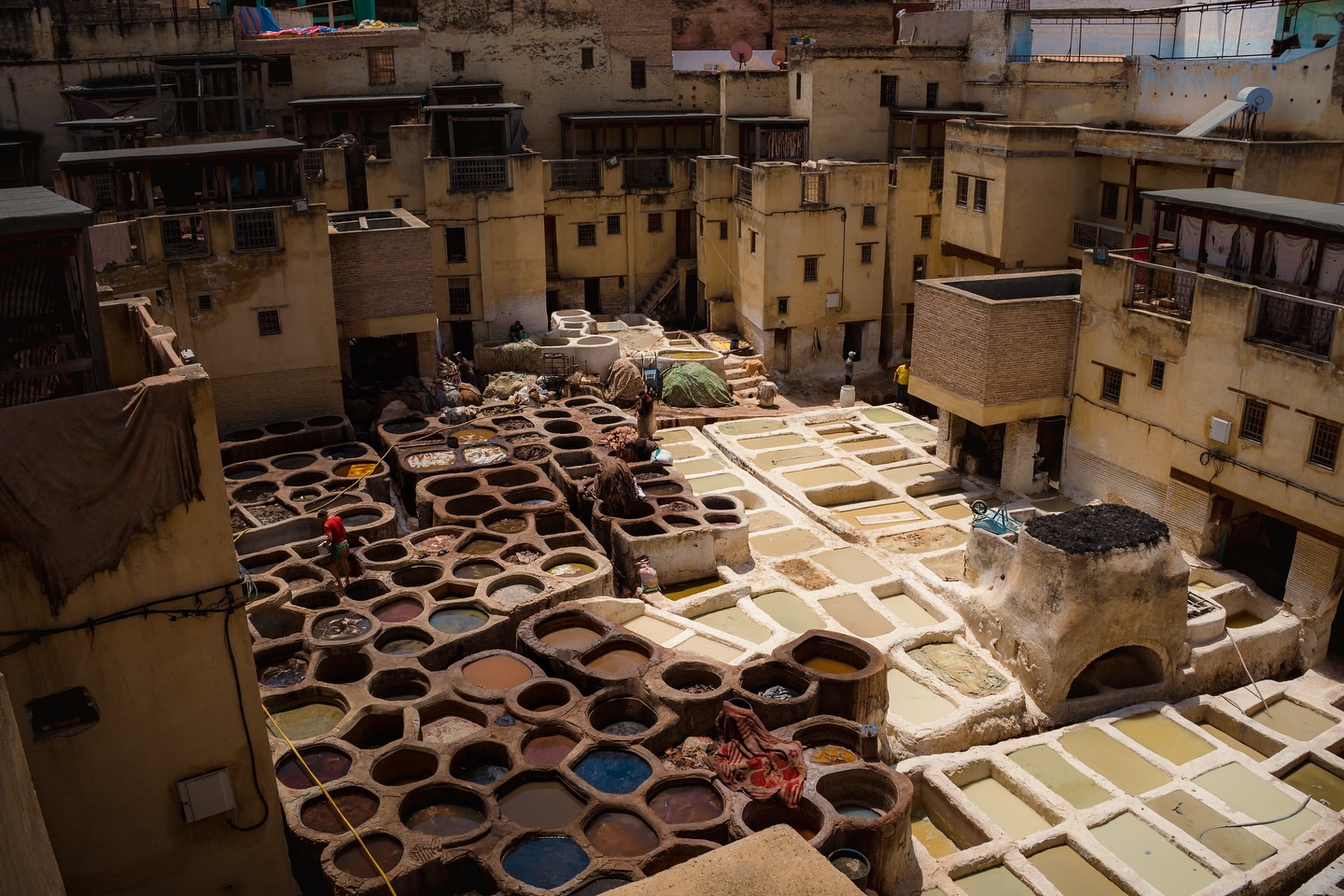
Standing on a leather merchant’s balcony above the honeycomb of stone vats — each filled with natural pigments from poppy, saffron, henna, and indigo — is among the most visually arresting moments in Morocco. The tanning process has not changed in a thousand years.
- 03
Camel Trek Into Erg Chebbi at Sunset
As the dunes turn from amber to copper to violet, your camel traces trade routes that carried gold and salt across the Sahara for centuries. A Tuareg guide shares navigational knowledge encoded not in books but in practice — stars, wind direction, dune formation.
- 04
Cooking Tagine in a Berber Kitchen
Clay pot on a terracotta brazier, preserved lemons made six months ago, argan oil pressed by the family last October. The cook explains seasonal logic, family tradition, and why slow cooking is an act of love. This is the authentic version — not a tourist kitchen with a laminated recipe card.
- 05
Sitting With a Berber Weaving Cooperative
In Atlas Mountain villages, women’s cooperatives maintain carpet-weaving traditions where each geometric pattern carries meaning — tribal lineage, protection, harvest. A master weaver reads a carpet the way a scholar reads a text, transforming a rug from object into document.
- 06
Gnaoua Music — Sufi Spiritual Heritage
Gnaoua traces its roots to sub-Saharan African healing rituals and Sufi devotional practice — a form that works on the body before the mind can process it. Attending a private evening gathering rather than a festival stage places you inside the tradition, not outside observing it.
- 07
The Mint Tea Ceremony
Three glasses: the first bitter as life, the second strong as love, the third sweet as death. Refusing tea is refusing friendship. Moroccan hospitality is a ritual with rules, and experiencing it properly in a tiled riad courtyard is quintessential Morocco.
Why Guided Cultural Tours
Are Worth Every Dirham
Morocco’s layered identity — Berber, Arab, Andalusian, Sub-Saharan, European — took two thousand years to assemble. Expert local guides do not just translate language; they translate civilization. And they keep you safe while doing it.
- 01
Historical Context That Changes What You See
A fountain becomes a 14th-century hydraulic engineering achievement. A gateway becomes a political statement about dynastic power. A neighborhood layout reveals centuries of social hierarchy. Context is the difference between admiring and understanding.
- 02
Access to Communities Closed to Independent Travelers
Berber family homestays, artisan workshop sessions, private riad courtyards — these are relationships built over years, not services purchasable on arrival. A trusted guide opens doors that remain bolted to everyone else.
- 03
Culinary Education Beyond Taste
Understanding why Moroccan cuisine uses preserved lemons, why couscous is served on Fridays, why argan oil is both food and medicine — this knowledge transforms eating into reading. Navigating Moroccan markets confidently starts with knowing what things are worth.
- 04
Artisan Encounters With Genuine Masters
Morocco’s craft tradition — zellige tilework, moucharabieh woodcarving, knotted carpet weaving — is maintained by master artisans who train apprentices for years before they touch finished work. Read our complete guide to Moroccan crafts.
The Four Imperial Cities —
Morocco’s Cultural Capitals
Four dynasties, four cities, four distinct personalities. Any serious cultural tour must reckon with these royal capitals — each one a different answer to what civilization can become. See the full list of Moroccan cities.
Fez
The Intellectual Capital
Al Quaraouiyine University has operated continuously since 859 CE. Over 9,000 streets preserve a medieval city plan designed for security and community. The Chouara Tanneries demonstrate an industrial process unchanged for eleven centuries.
Marrakech
The Sensory Capital
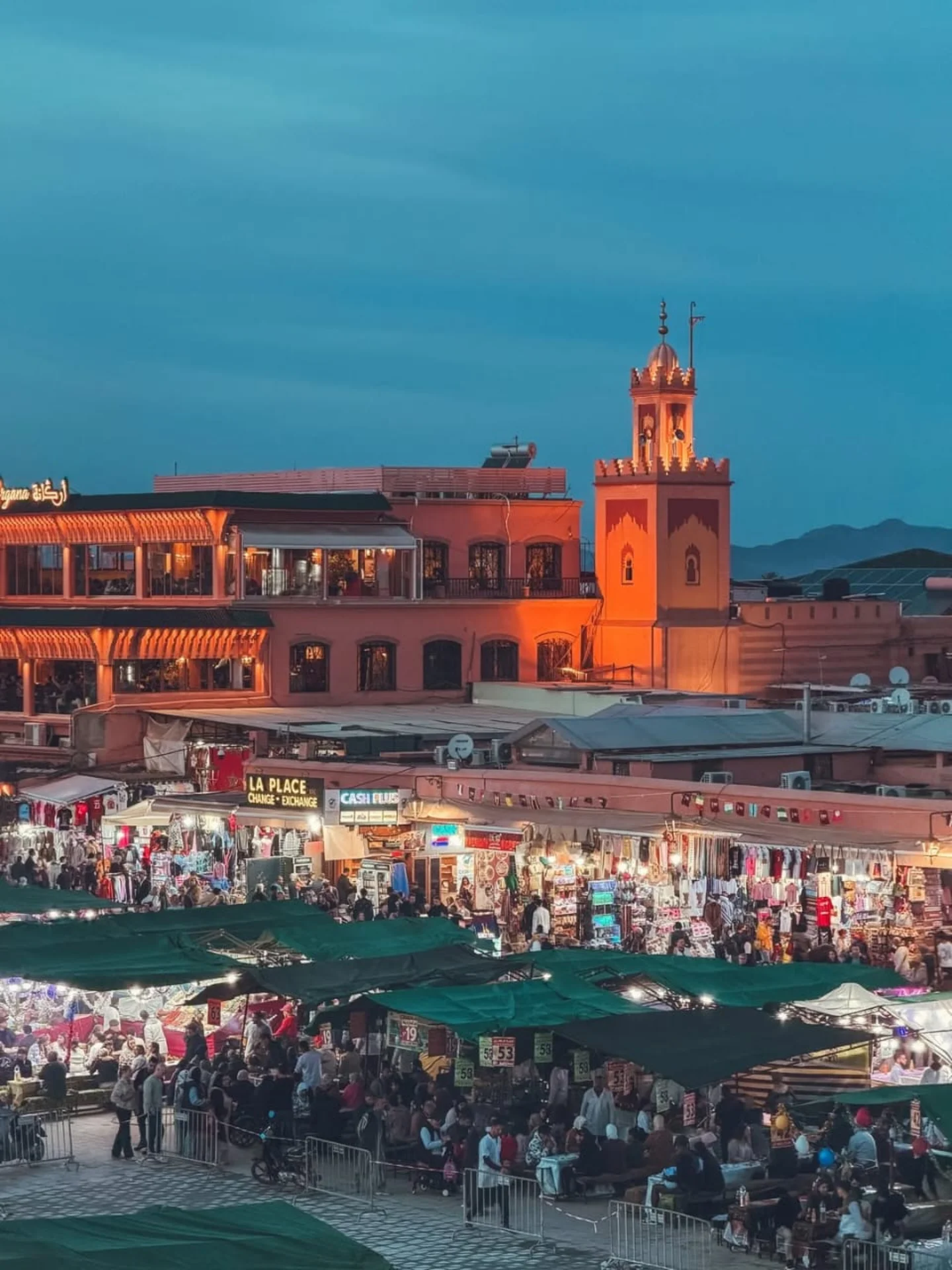
Jemaa el-Fnaa — recognized by UNESCO as a Masterpiece of Intangible Heritage — pulses with storytellers, acrobats, and musicians who have entertained the city for centuries. The Red City is Morocco’s emotional center.
Meknes
The Overlooked Gem
Sultan Moulay Ismail built a capital to rival Versailles — stables for 12,000 horses, gates the height of cathedral arches, walls stretching thirty kilometers. Today the medina remains genuinely local, offering more intimate immersion than anywhere else.
Rabat
The Thoughtful Capital
Morocco’s administrative capital carries its heritage with quiet dignity. The Hassan Tower, begun in the 12th century and never completed, stands as a monument to ambition interrupted. The Kasbah of the Udayas offers medina atmosphere without commercial pressure.
The Sahara Desert —
Heart of the Morocco Cultural Experience
The Sahara is not empty — it is densely populated with history, ecological knowledge, and human adaptation refined over centuries of nomadic life.
- 01
Camel Trekking on Ancient Trade Routes
Erg Chebbi’s dunes were shaped by the same winds that once guided caravans carrying gold, salt, and knowledge between sub-Saharan Africa and the Mediterranean. Multi-day treks absorb navigational knowledge and desert ecology spanning generations of nomadic life.
- 02
Desert Camps & the Art of Berber Hospitality
A well-run desert camp is a social structure with its own rhythms: communal meals cooked over fire, mint tea prepared with ceremony, musicians performing under open sky, conversations that stretch past midnight because the darkness demands honesty.
- 03
Celestial Navigation & Desert Astronomy
Minimal light pollution above Erg Chebbi creates extraordinary conditions. Tuareg guides share constellation stories, seasonal navigational knowledge, and the mathematics of desert wayfinding. Humanity’s fascination with stars feels most immediate here.
Atlas Mountains —
Morocco’s Berber Heartland
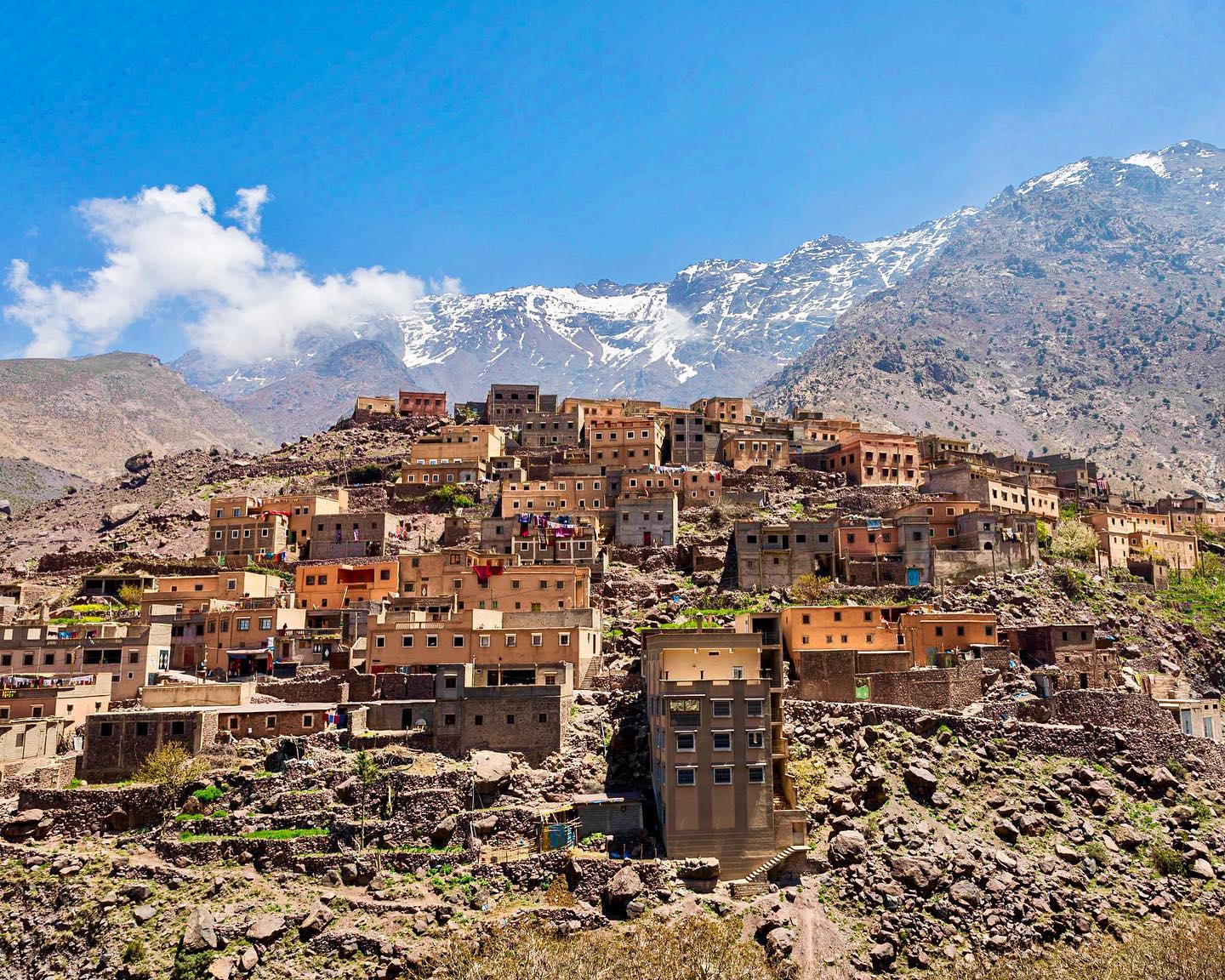
The High Atlas harbors communities where Tamazight is the primary tongue, where agricultural calendars still govern daily rhythms, and where hospitality to strangers is understood as a spiritual obligation. Mountain cultural tours create connections with this world that are difficult to build any other way.
- Family Homestays. Participate in water collection, bread-baking, and daily agricultural work — activities that reveal how culture adapts to altitude and limited resources.
- Weaving Cooperatives. Female artisans maintain carpet traditions where geometric patterns encode tribal identity, protective symbols, and seasonal knowledge.
- Mountain Trekking Routes. Hike between remote settlements with a guide who knows which elder knows the pre-Islamic history of each peak.
- Traditional Food Preparation. Cook alongside Berber families using locally foraged ingredients, learning plant identification and the social rituals of communal eating.
Cultural Etiquette —
How to Travel in Morocco With Grace
Morocco’s social codes are the expression of deeply held values around hospitality, privacy, faith, and dignity. Understanding them before you arrive transforms every interaction from awkward to meaningful.
- Dress
- In medinas, religious sites, and traditional communities, covered shoulders and knees signal respect rather than restriction. Your guide will advise on specific contexts.
- Photography
- Always request permission before photographing individuals. A respectful approach — ideally in Darija Arabic — is almost always rewarded warmly, often opening a genuine conversation.
- Mint Tea
- Declining mint tea is declining friendship. Three glasses are offered — the first bitter as life, the second strong as love, the third sweet as death. Accepting signals openness and willingness to be present.
- Prayer Times
- Five daily calls to prayer reshape the city’s rhythm. Experienced guides plan around these times naturally — turning pauses into opportunities for reflection and observation.
- Right Hand
- When eating communally, passing items, or greeting elders, the right hand is culturally preferred. Your guide will demonstrate this and other social conventions naturally throughout the journey.
- Three Phrases
- As-salamu alaykum, Shukran, and La, shukran immediately signal respect and open doors in markets and villages throughout Morocco.
Morocco’s UNESCO
World Heritage Sites
Nine UNESCO World Heritage Sites document Morocco’s 2,000-year contribution to human civilization — from Roman engineering to Islamic urban design to Berber architectural ingenuity.
- 01
Medina of Fez
The world’s largest living medieval city. Over 9,000 streets, eleven centuries of continuous habitation, and the most complete surviving example of a pre-industrial Islamic city. Walking Fez with an expert guide is the defining Morocco cultural immersion.
- 02
Volubilis
One of the Roman Empire’s southernmost significant cities in the 2nd and 3rd centuries CE — producing olive oil for the imperial capital and mosaics that rival Pompeii. Expert guides contextualize it within both Roman history and Morocco’s pre-Islamic identity.
- 03
Aït-Ben-Haddou
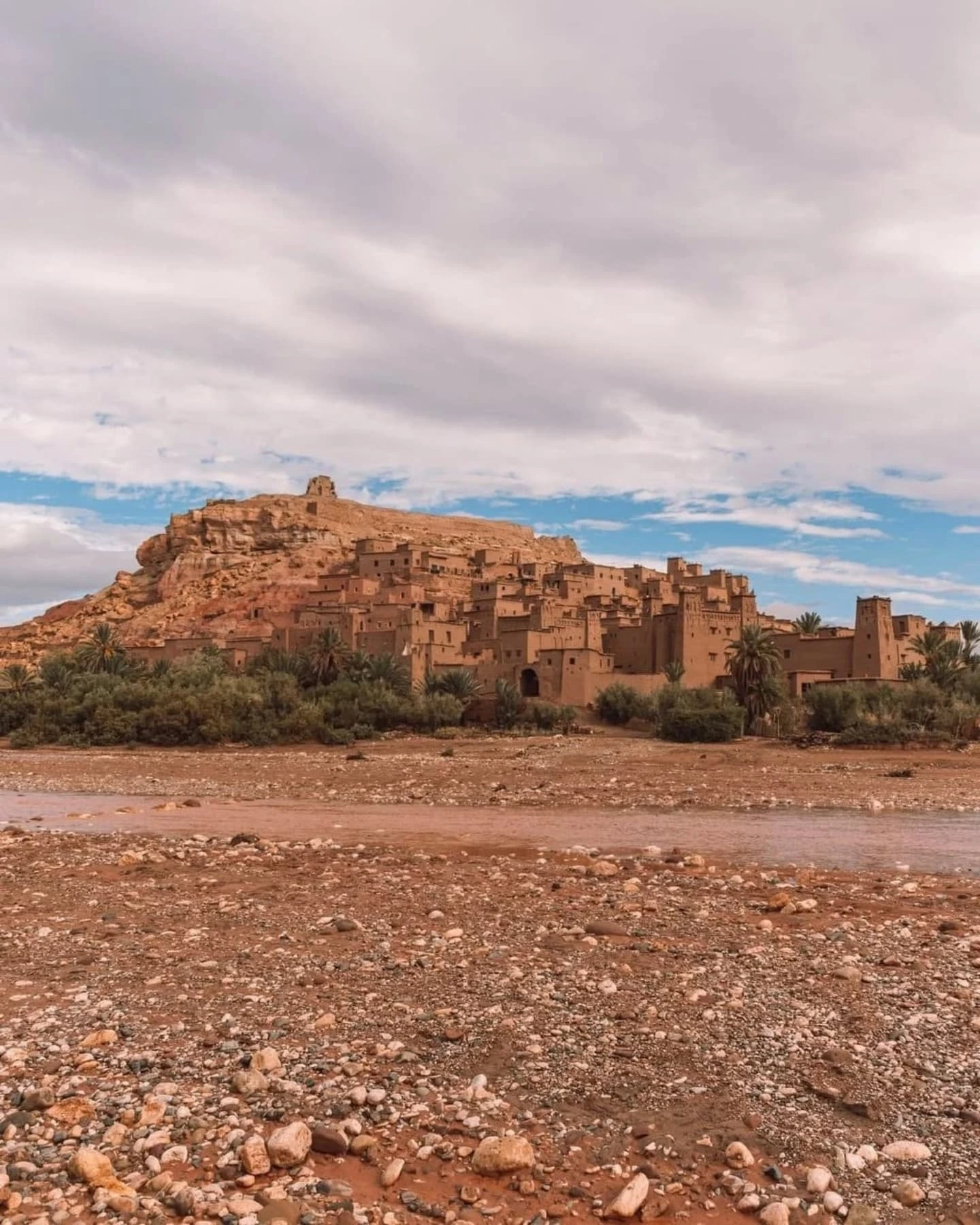
This fortified village of rammed earth and stone demonstrates Berber architectural philosophy: buildings that grow from the landscape rather than imposing upon it. The defensive logic and communal water systems remain legible to informed eyes.
- 04
Essaouira
Portuguese military engineers, French urban planners, Berber traders, and Jewish merchants all shaped Essaouira’s distinctive character. Today it maintains Morocco’s most progressive artistic community while preserving a medina architecture unlike anywhere else in the country.
Master Artisan Encounters —
Morocco’s Craft Traditions
Moroccan craft is sophisticated technical knowledge refined over centuries, transmitted through master-apprentice relationships, and encoded with cultural meaning. Our complete guide to Moroccan crafts tells the full story.
- Pottery & Ceramics. Distinct regional identities — Fez’s blue and white, Salé’s polychrome, Tamegroute’s green — using clay wheels whose design traces back to the Roman period.
- Berber Carpet Weaving. Each geometric pattern identifies the weaver’s tribe, records significant events, or invokes protective symbols. A living visual language, not decorative craft.
- Zellige & Plasterwork. Hand-cut geometric tile mosaics encoding mathematical principles understood by Islamic scholars centuries before Western mathematics formalized them. A master trains five years before touching finished work.
- Leatherwork. From the tanneries of Fez to the babouche makers of Marrakech, leather craft remains one of Morocco’s most visible living industries — unchanged since the medieval period.
- Metalwork & Lantern-Making. Brass and copper craftsmen produce ornate lanterns and trays, each piece hammered by hand using chisels passed down through generations.
Morocco Cultural Experience
Through Food
Food is Morocco’s most democratic cultural expression. Communal meals embed social values, spice combinations trace trade routes, and cooking techniques carry centuries of agricultural and climatic adaptation.
- 01
Market & Street Food Tours
Explore medina souks with local guides who explain seasonal ingredient cycles, vendor family histories, and the social role of public food spaces in Moroccan urban culture.
- 02
Cooking Classes in Family Kitchens
Learning tagine preparation from a woman who cooks it twice a week is categorically different from a tourist kitchen. The techniques reflect agricultural reality — why preserved lemons exist, why slow cooking is economical.
- 03
Spice Market Immersion
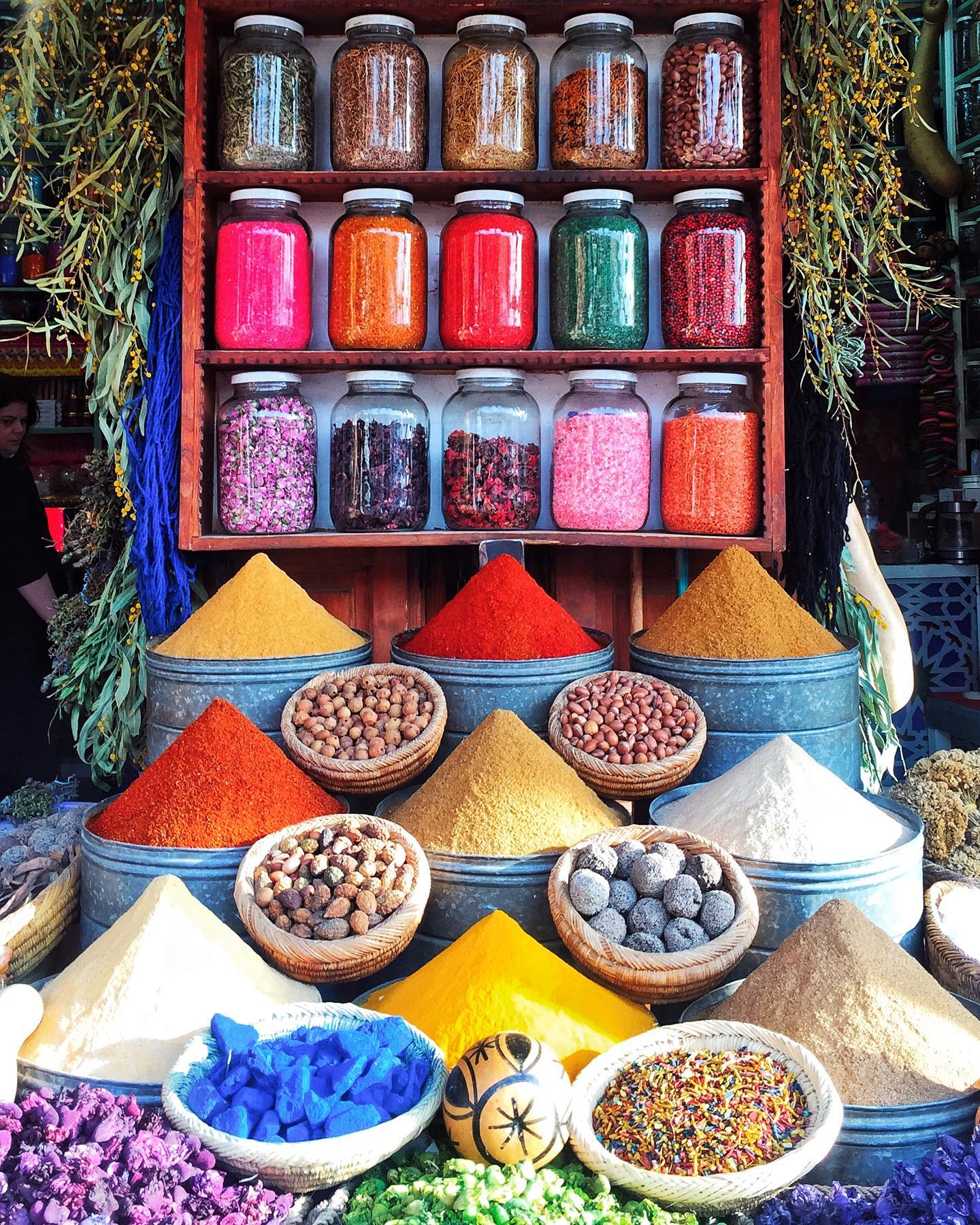
Morocco’s historic position as a spice trade hub means its souks carry products whose arrival stories span continents. A knowledgeable guide transforms a market walk into a course in botany, trade history, and traditional medicine.
Traditional Festivals &
Celebrations
Morocco’s festival calendar rewards timing. Certain cultural tours aligned with specific celebrations offer immersions that cannot be replicated at any other time of year.
- 01
Gnaoua World Music Festival — Essaouira, June
Essaouira’s medina becomes the stage for one of Africa’s most significant music festivals — celebrating Gnaoua music’s roots in sub-Saharan African healing ceremony while demonstrating Morocco’s instinct for cultural dialogue and openness.
- 02
Rose Festival — El Kelaa M’Gouna, Spring
In the Dades Valley, the damask rose harvest transforms a small town into a celebration of rural Moroccan life — traditional music, village dances, the symbolic election of the Rose Queen. A quietly authentic experience entirely outside the tourist circuit.
- 03
Fez Festival of World Sacred Music — Spring
Sufi masters, Buddhist monks, Jewish cantors, and Christian choral groups gather for performances and interfaith dialogue — demonstrating Morocco’s historical role as a meeting point for civilizations.
Essential Information
for Your Cultural Tour
- Best Seasons
- Spring (March–May) and Autumn (September–November) offer ideal temperatures for medina walking and desert nights. Summer heat can be challenging inland; winter evenings in the Sahara require warm layers.
- Duration
- A serious cultural tour spanning imperial cities, Atlas Mountains, and Sahara requires 10 to 14 days minimum. Compressing this journey loses the depth that justifies the trip.
- Currency
- Morocco uses the Moroccan Dirham (MAD). See our currency guide. Most artisan purchases are best negotiated through your guide, who ensures fair local prices.
- Safety
- Morocco is widely regarded as safe for international visitors. Licensed guides navigate medinas and souks with natural authority, keeping you focused on cultural discovery.
- Accommodation
- Traditional riads in medina quarters, Berber family guesthouses in the Atlas, and Tuareg-run desert camps extend the cultural immersion beyond waking hours. Sleeping inside culture rather than adjacent to it changes what you carry home.
Begin Your Cultural Tour
in Morocco
Connect directly with Mouhssine ELIOUJ — licensed by Morocco’s Ministry of Tourism (Réf. N° 2898) — for a bespoke cultural tour tailored to your interests, timeline, and depth of curiosity. No agencies. No intermediaries. Just a guide who knows Morocco from the inside.
Plan Your Morocco Tour on WhatsApp“The best Morocco cultural tour is not the one that shows you the most places — it is the one that changes the way you see a single moment: a potter’s hands, a weaver’s pattern, a dune at the exact instant it catches the last light.”
Whether your curiosity centers on imperial architecture, Saharan nomadic heritage, Berber mountain life, or the living craft traditions of the medinas — cultural tours in Morocco deliver experiences that resist forgetting. The kind of memories that arrive unbidden, years later, when you smell saffron or hear a certain pattern of drumming.
Knowing where Morocco sits on the map is the starting point. What the country holds — from the medieval streets of Fez to the silence above Erg Chebbi’s dunes — is the reason to go.