Can You Speak English in Morocco?
Everything You Need to Know
A traveler’s honest, up-to-date guide to navigating Morocco with English — from bustling Casablanca to the ancient medinas of Marrakech.
Can You Speak English in Morocco? The Short Answer ↑ Back to top
Yes — you can absolutely speak English in Morocco, and in many parts of the country you will find it surprisingly easy to get by. That said, the experience varies a lot depending on where you are, who you are talking to, and what kind of interaction you are having.
Morocco is a multilingual nation to its core. Arabic (Modern Standard and the local Darija dialect), Tamazight (Berber), and French are the languages that run the country’s daily life. English arrived later, riding a wave of global tourism, international education, and digital culture — and it has been growing steadily ever since.
If you are wondering whether English is enough for Morocco as a primary tourist language, the answer is: in most situations that matter to travelers, yes. But knowing a few words in French or Darija will earn you genuine warmth from locals that no translation app can replicate.
How Common Is English in Morocco? ↑ Back to top
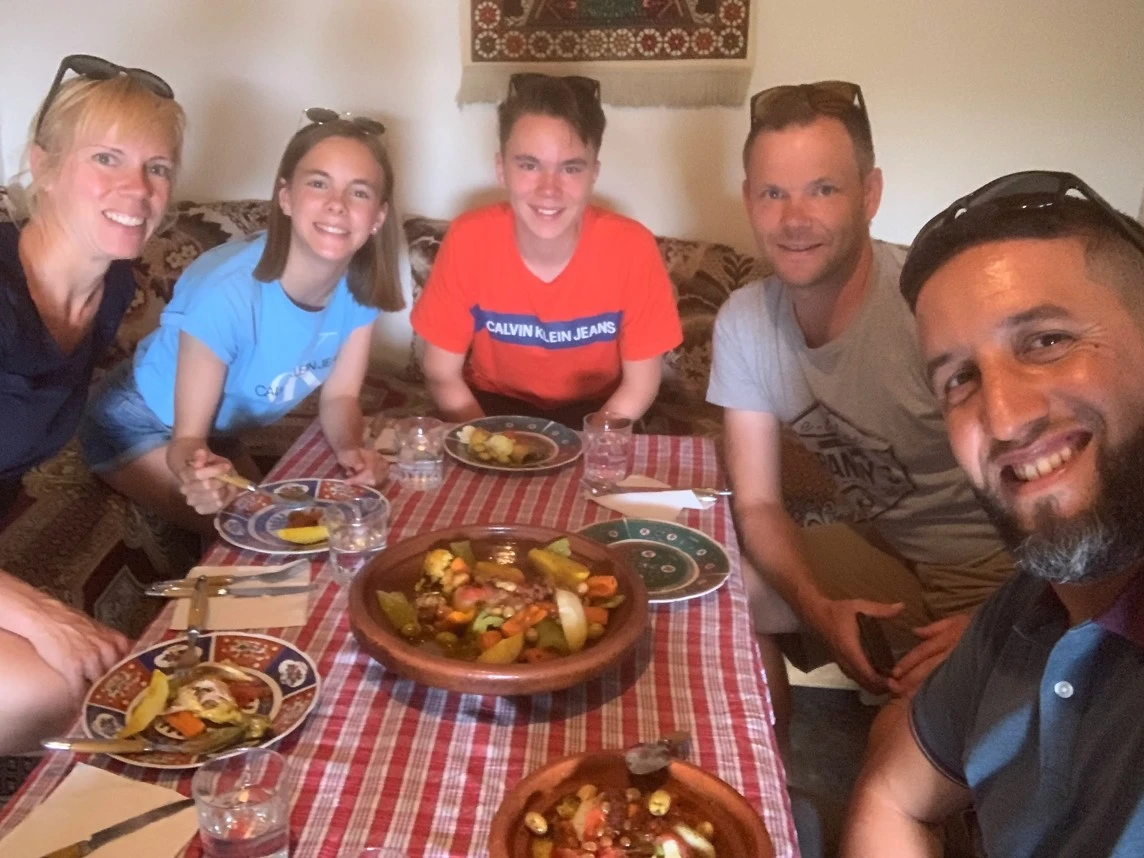
Speaking English in Morocco is more viable today than ever before. According to various recent surveys, around 14–20% of Moroccans have some working knowledge of English, a figure that skews dramatically higher in urban centers and among younger generations.
The surge is driven by several factors:
- Tourism: Morocco welcomed over 17 million international tourists in recent years, many of them English speakers. The hospitality sector has adapted accordingly.
- Education: Many Moroccan universities now offer programs taught in English, and elite schools introduce it from an early age.
- Social media & pop culture: Younger Moroccans consume enormous amounts of English-language content online, from YouTube tutorials to Netflix series.
- Expatriate communities: Cities like Casablanca host a significant international business community where English is a working language.
Still, French remains far more dominant than English in official settings, and in small towns and rural areas you may find very little English at all. This is why understanding what language they speak in Morocco as a whole gives you a much clearer picture before you arrive.
English by City: Marrakech, Casablanca & Beyond ↑ Back to top
One of the most common questions travelers ask is: Do they speak English in Marrakech? Or: Do they speak English in Casablanca? The answer varies by city, so here is a practical breakdown.
| City / Region | English Level | Notes for Travelers |
|---|---|---|
| Marrakech | High | Medina guides, riads, souks — most tourist-facing staff speak solid English. |
| Casablanca | High | Business hub; English widely used in hotels, restaurants, and corporate settings. |
| Fes | Medium | English available in tourist areas; French more dominant outside the medina. |
| Chefchaouen | Medium | Popular with backpackers; guesthouse owners often speak good English. |
| Essaouira | Medium–High | Artsy, cosmopolitan coastal town; English widely understood. |
| Agadir | High | Resort city built for European tourism; English very common. |
| Rural & Sahara regions | Low | French or Darija essential; English-speaking guides are crucial here. |
In short: do they speak English in Morocco’s major cities? Yes, reliably so in the tourist and business ecosystems. The further you venture off the beaten path, the more you will benefit from a local English-speaking companion.
Who Speaks English in Morocco? ↑ Back to top
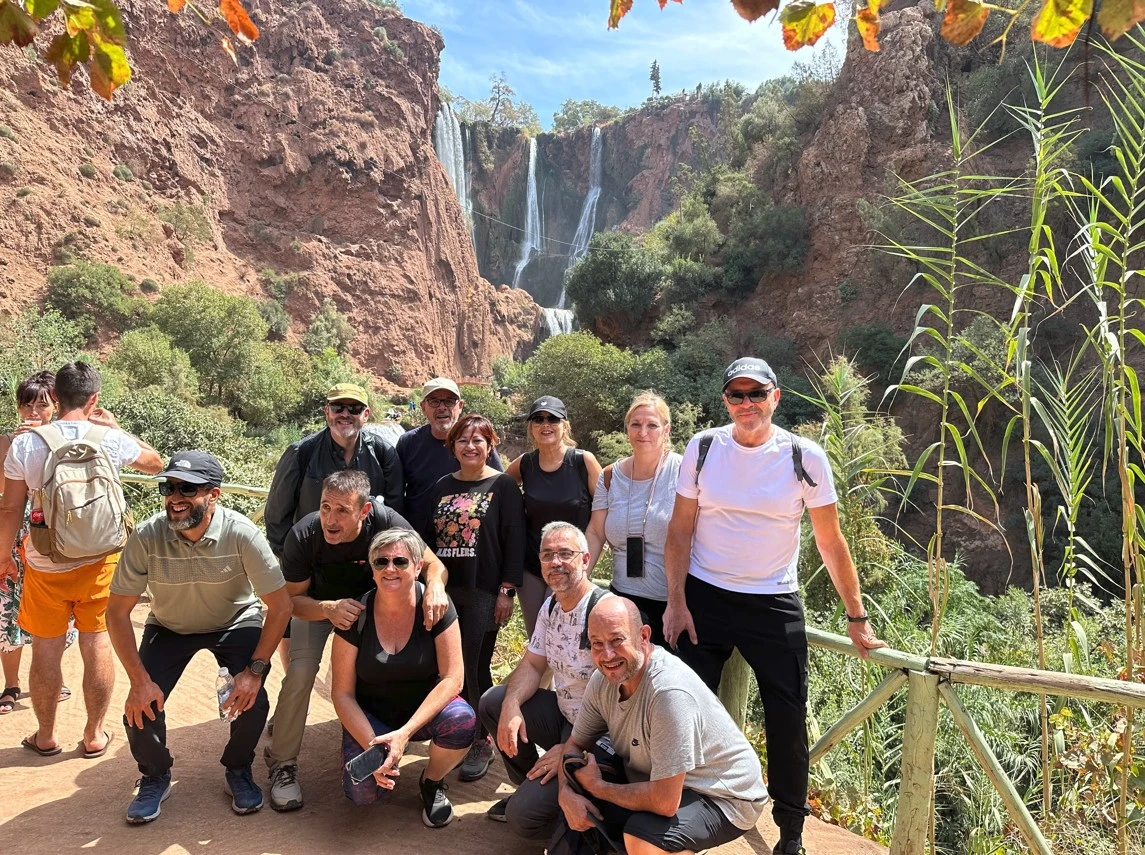
When asking do Moroccans speak English, it helps to think about it by profession and context rather than by geography alone. Here are the groups most likely to speak confident English:
- Tourism professionals: Licensed guides, hotel receptionists, riad owners, and tour operators are typically fluent or near-fluent in English — it is part of their livelihood.
- Young urban Moroccans: Those who grew up with internet access often speak impressive English picked up informally through gaming, music, and content creation.
- University students and graduates: Many Moroccan universities teach STEM and business subjects in English, so educated young professionals are often comfortable.
- Shopkeepers in tourist souks: Years of dealing with international visitors means many souk vendors can handle transactions and basic conversation in English, Spanish, and French simultaneously.
- Taxi and transport workers in cities: Variable — some are fluent, others speak only Darija and basic French. Having your destination written down always helps.
Meanwhile, older generations in rural Morocco, government officials in non-tourist contexts, and traditional artisans in smaller towns are less likely to speak English. This is perfectly normal and part of what makes Morocco authentic.
Can You Survive in Morocco with Only English? ↑ Back to top
Absolutely — and comfortably so, if you stick to mainstream tourist routes. Thousands of travelers from the UK, USA, Canada, Australia, and elsewhere do exactly that every year. Navigating Morocco with English is entirely realistic when you are visiting cities like Marrakech, Casablanca, Fes, or Agadir.
However, there is a meaningful difference between surviving and thriving. Here is the honest truth about what English will and will not do for you:
English Works Well For…
Booking riads, ordering in restaurants, hiring guides, navigating airports, shopping in tourist markets, and asking for directions in cities.
You May Struggle With…
Local markets (souks outside tourist zones), government offices, rural transport, and conversations with elderly residents in traditional neighborhoods.
Smart Workarounds
A translation app (even offline), a few Darija phrases, and — most effectively — a local English-speaking guide who bridges both worlds.
Morocco is generally very welcoming to English speakers. The country’s tourism infrastructure is well-developed, and even when language gaps occur, Moroccans are famously warm and creative in finding ways to communicate. Morocco is also considered safe for tourists, which means solo English-speaking travelers rarely encounter situations that are difficult to handle. Before your trip, it also helps to know where Morocco is geographically so you can plan your itinerary wisely.
Practical Tips for Navigating Morocco with English ↑ Back to top
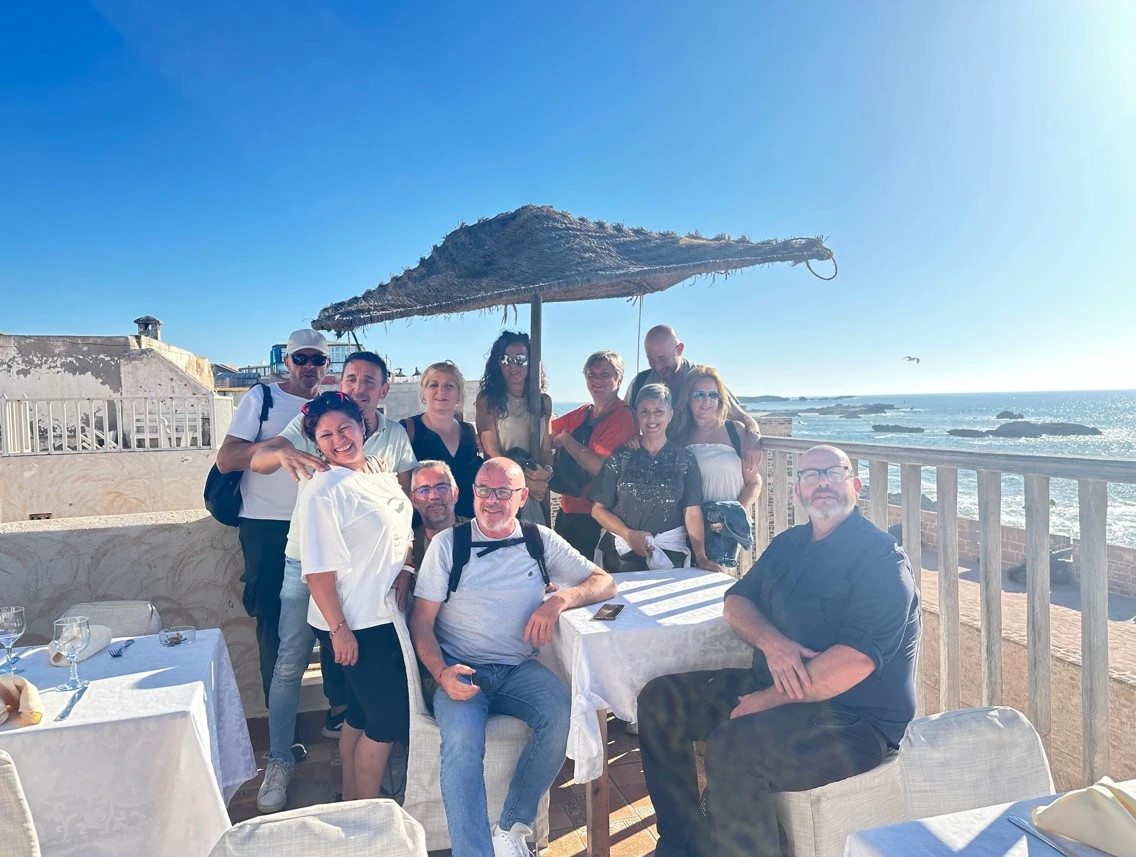
Whether you are planning a week in Marrakech or an ambitious road trip across the Atlas Mountains and into the Sahara, these practical pointers will make your English-language experience in Morocco far smoother.
- Learn five Darija phrases: Shukran (thank you), La, shukran (no, thank you), Bshal hada? (how much is this?), Wach katkellem Ingliziya? (do you speak English?) and Safi (okay/done) will open more doors than you expect. Learn Darija fast with our beginner-friendly guide.
- Book accommodation with English-speaking staff: Riads and boutique hotels aimed at international guests almost always have fluent English speakers on the front desk. Read reviews that mention language specifically.
- Use a licensed English-speaking guide in the medinas: The old cities of Marrakech and Fes are labyrinths. An English-speaking guide in Morocco who holds an official Ministry of Tourism license will not only translate — they will reveal layers of history and culture you would never discover alone.
- Download Google Translate offline: The camera-translation feature works wonders for signs, menus, and handwritten notes in Arabic script.
- Stay on the main tourist circuits for your first trip: If English is your only language, the classic Marrakech–Fes–Sahara–Essaouira loop is extremely well set up for English speakers.
- Be patient and good-humored: Language hiccups are part of the adventure. Moroccans appreciate effort, patience, and a genuine smile far more than perfect French or Arabic.
Talk to a Licensed English-Speaking Guide in Morocco ↑ Back to top
One of the single best investments you can make for your Morocco trip is hiring a certified, English-speaking guide. Not only does it dissolve every language barrier — it transforms a good trip into an unforgettable one.
Mouhssine ELIOUJ is a Ministry of Tourism-licensed guide with years of experience leading English-speaking travelers through Morocco’s most iconic and hidden destinations. From the winding alleys of Marrakech’s medina to the golden dunes of Merzouga, Mouhssine brings history, culture, and local knowledge to life in fluent English.
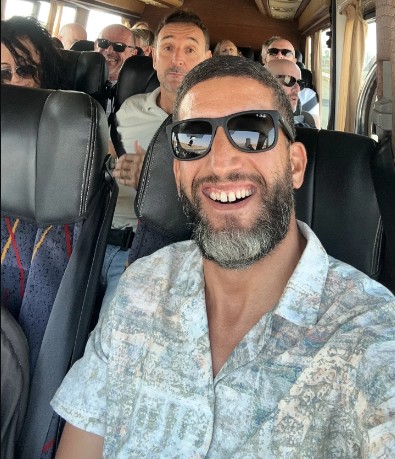
Available for day tours, private trips, and custom itineraries across Morocco. Message directly on WhatsApp for quick, friendly responses.
Chat on WhatsApp📱 WhatsApp: +212 671 437 971 · License Ref. No. 2898 · Issued by the Ministry of Tourism of Morocco