Safest City in Morocco for Women —
Your Honest, Up-to-Date Guide
Morocco Through a Woman’s Eyes
There is something undeniably magnetic about Morocco — the scent of orange blossom drifting through ancient alleyways, the flash of hand-woven textiles in the afternoon light, the muezzin call that threads across rooftops at dusk. For millions of women around the world, a trip here sits firmly on the bucket list. Yet the same question surfaces again and again: is it safe?
“The honest answer is nuanced: Morocco is not uniformly safe, nor is it uniformly dangerous. The city you choose makes all the difference — and choosing wisely means you’ll return home with memories you’ll cherish for a lifetime.”
If you’re wondering where Morocco actually is on the map, it sits in the northwestern corner of Africa, flanked by the Atlantic Ocean and the Mediterranean Sea — closer to southern Spain than it is to sub-Saharan Africa. That geographic position has shaped a culture that is simultaneously North African, Amazigh, Arab, and subtly Andalusian, making it one of the most layered and fascinating destinations on Earth.
This guide cuts through the noise. We’ve looked at crime statistics, consulted official travel advisories, and compiled firsthand accounts from solo travellers who have walked these streets in 2025 and early 2026. What follows is a ranked, nuanced look at the safest city in Morocco for women — plural, because safety is never a one-size-fits-all verdict. Whether you’re searching for the best places in Morocco for women alone or simply wondering if Morocco is safe for women in 2026, you’ll find the answers here.
What Does “Safe” Actually Mean in Morocco?
Before diving into specific cities, it’s worth framing what we mean by safety in a Moroccan context. Violent crime against tourists — particularly women — is statistically rare. The concerns that most female travellers report are softer: persistent street harassment, unwanted attention, and the low-level anxiety of being constantly watched in crowded souks. These experiences are real, and they deserve honest acknowledgement.
At the same time, Morocco has made tangible improvements. A 2024 government-led crackdown on harassment in major tourist corridors, increased tourism police presence, and growing community awareness have shifted the atmosphere noticeably in several cities. According to a 2024 survey by the Morocco National Tourism Office (ONMT), 62% of solo female travellers reported feeling safe or very safe during their visit — a 14-point increase compared to 2021. For a broader overview, see this detailed breakdown of whether Morocco is safe to visit for tourists in general.
Safety is a spectrum — and the city you choose sits somewhere on that spectrum based on its size, its economy, its exposure to international tourism, and the local culture around gender. With that frame in mind, let’s look at the cities that consistently rank highest for safest city in Morocco for solo female travelers.
The Safest Cities in Morocco for Women
Morocco has a rich and varied urban landscape. From the complete list of cities in Morocco, six stand out consistently as the most comfortable and secure for female travellers — whether you’re travelling solo, with a friend, or as part of a small group.
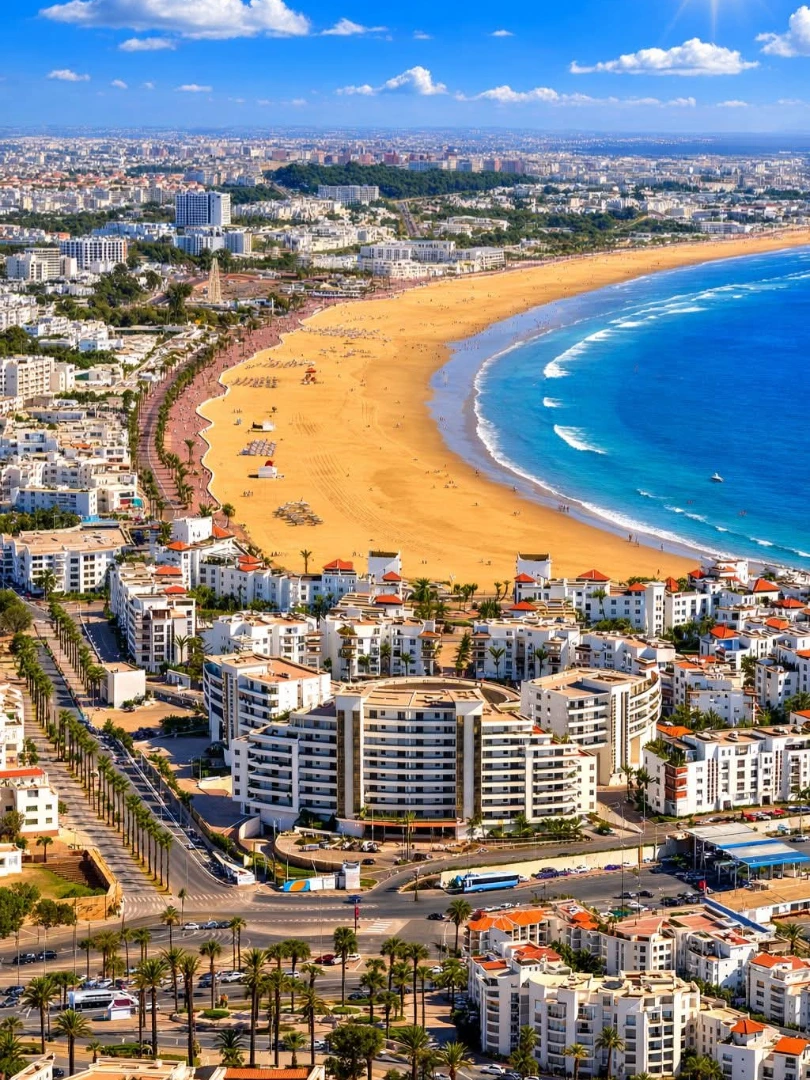 #1 Safest
 Agadir
The Resort City · Atlantic Coast
If there is one city that consistently tops the “safest city in Morocco for women” conversation, it is Agadir. Largely rebuilt after the devastating 1960 earthquake, Agadir lacks the labyrinthine medina of older imperial cities — and that architectural openness translates into a social openness that female travellers consistently praise.
Women in swimwear on the long sandy promenade are an everyday sight. The tourist infrastructure is polished, English is widely spoken, and harassment levels are genuinely lower here than in most other Moroccan cities. Restaurants and beach clubs cater to mixed international crowds, meaning a woman sitting alone at a table attracts no particular attention. For the solo female traveller wanting to ease into Morocco, Agadir is the ideal starting point.
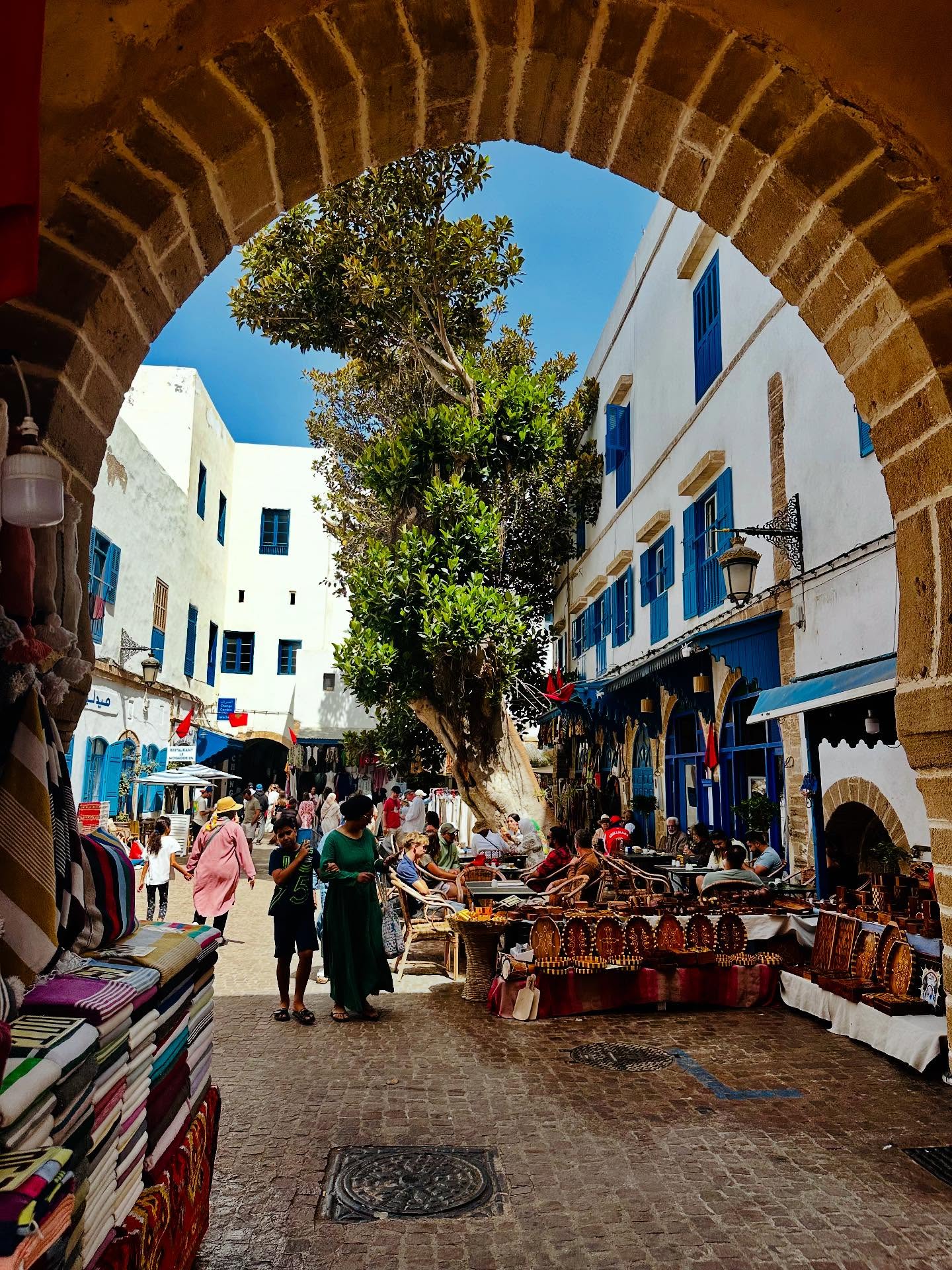 #2 Safest
 Essaouira
The Wind City · Bohemian Soul
Essaouira occupies a singular place in the Moroccan imagination — a blue-walled, wind-swept port attracting artists, musicians, and free spirits for decades. That legacy has shaped an unusually relaxed social atmosphere.
Female travellers report feeling significantly more comfortable here than in larger medinas. The city is compact, walkable, and well-lit at night. Shop owners engage with genuine warmth rather than aggressive sales tactics. Evenings on the ramparts watching the Atlantic crash below are genuinely peaceful. Essaouira invites you to stay longer than you planned — and most women who visit do exactly that.
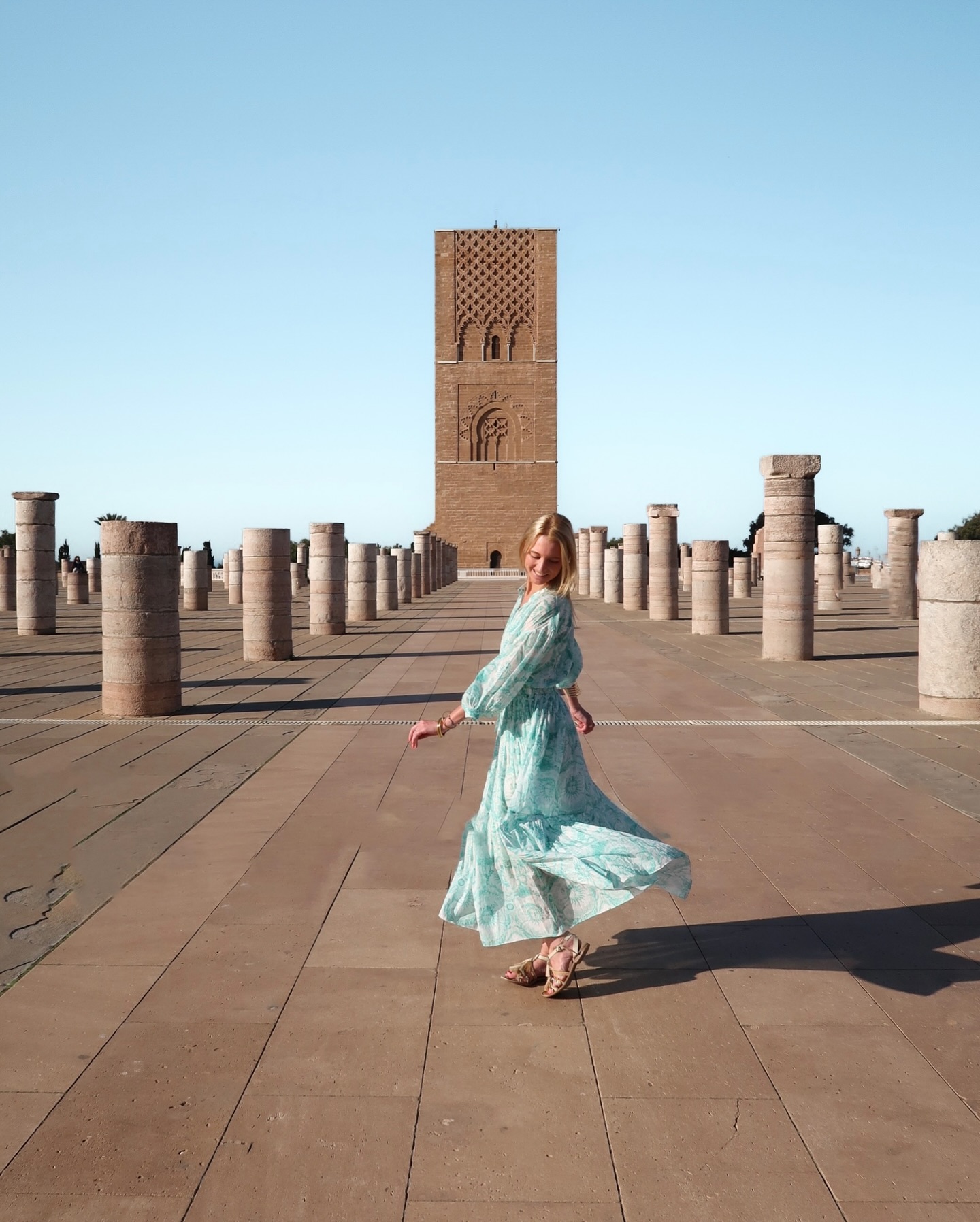 #3 Safest
 Rabat
The Capital · UNESCO Heritage City
As Morocco’s administrative capital and a UNESCO World Heritage Site, Rabat carries a different energy from its flashier neighbours. The diplomatic community, university population, and heavy security presence create a city that feels remarkably orderly and calm.
Women navigate the city’s wide boulevards and historic Kasbah des Oudaias with a freedom less common in more touristically saturated medinas. A woman reading a book alone in a Rabat café is a completely unremarkable sight. If you want authentic Moroccan urban life with significantly less pressure, Rabat belongs near the top of your itinerary.
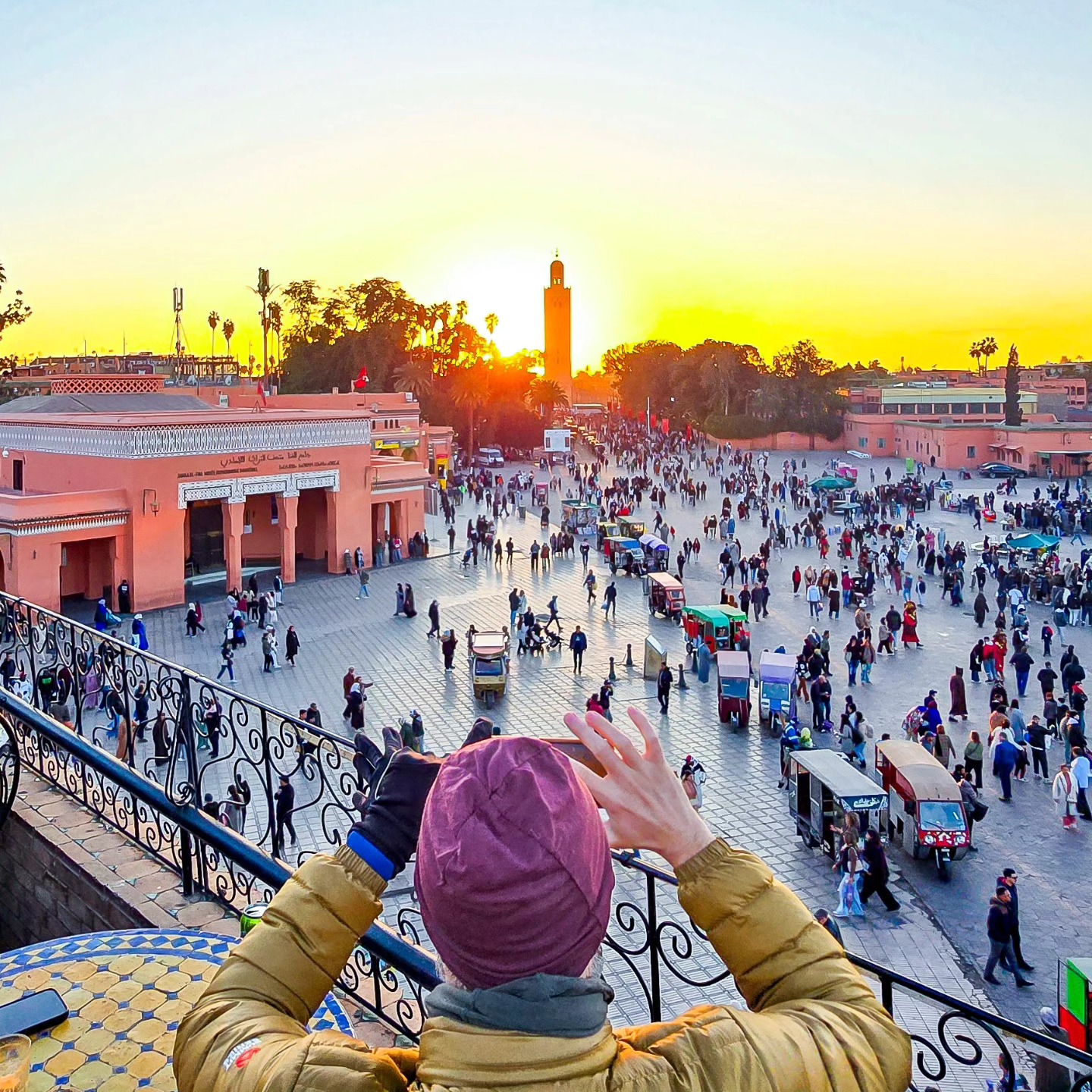 #4 Safest
 Marrakech
The Red City · Iconic & Vibrant
Marrakech demands an honest entry on this list. It is one of Africa’s most-visited cities, and that tourism volume brings both advantages and challenges. The advantages: dense tourist police coverage, English and French widely understood, and a riad culture that wraps visitors in calm luxury. The challenges: a busy medina where persistent vendors can be exhausting — particularly for women alone.
The key is knowing which neighbourhoods to favour. The Gueliz district feels significantly more relaxed than the deep medina. Marrakech rewards prepared travellers — those who arrive knowing what to expect navigate it with confidence and leave completely enchanted.
 #5 Safest
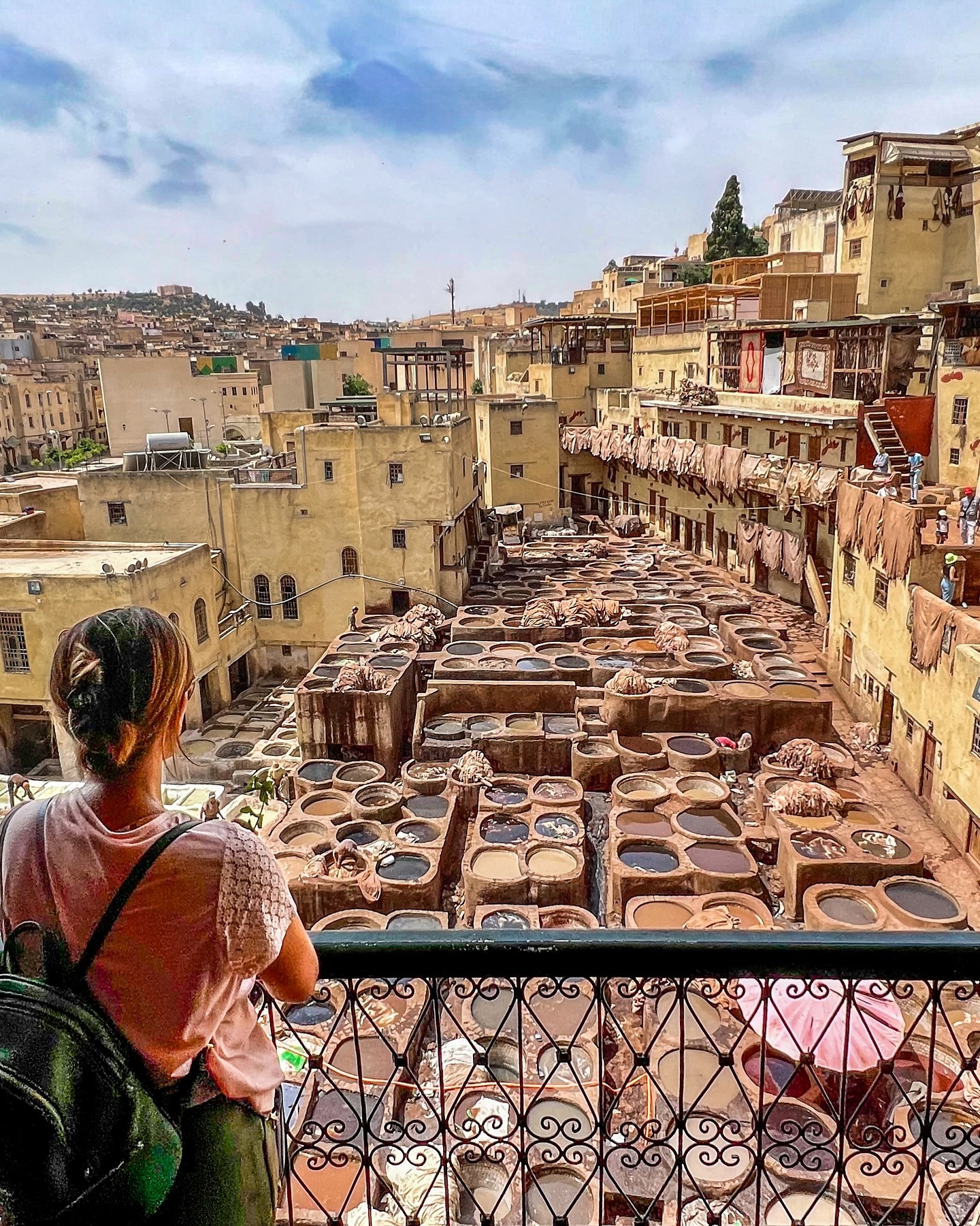
 Fes
The Spiritual Capital · Medieval & Majestic
Fes el-Bali is arguably the most complex city in Morocco — the world’s largest living medieval urban centre, a sensory labyrinth that has challenged even experienced travellers. Solo women report more attention here than in Agadir or Essaouira, particularly near the tannery district.
And yet Fes belongs on this list: with a licensed guide for your first day, accommodation within the medina walls, and an offline map, it is both safe and profoundly rewarding. What it gives in return — the medersa courtyards, hammers on copper, the call to prayer between ancient walls — is worth every moment of navigation.
 #6 Safest
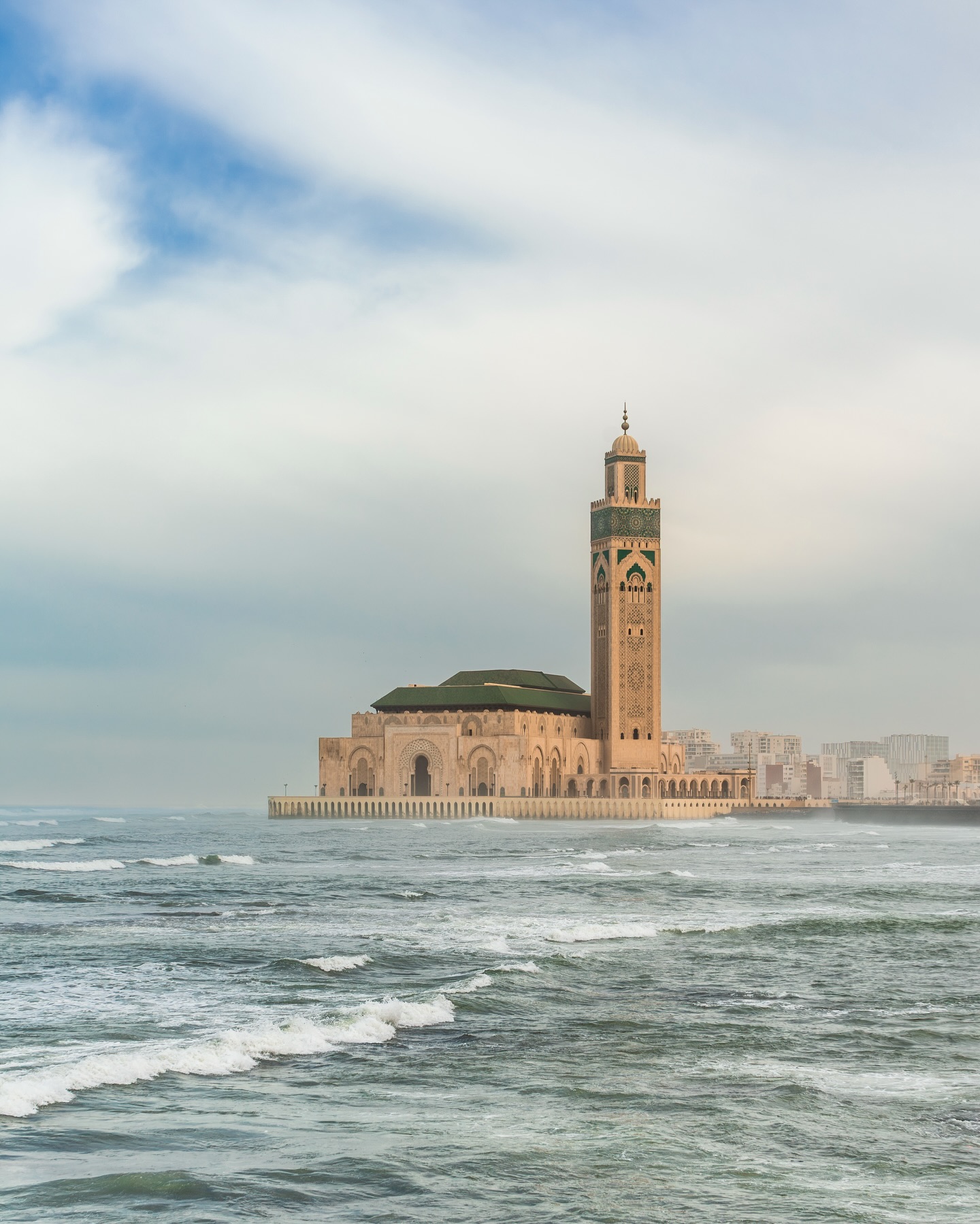
 Casablanca
The Economic Hub · Cosmopolitan Energy
Morocco’s commercial capital is the most Westernised city in the country — a metropolis of business districts, global brands, and a growing cosmopolitan middle class. In the Maarif district, along the Corniche, and around the magnificent Hassan II Mosque, women move freely and comfortably.
Casablanca is an excellent arrival or departure city. Many women choose to spend their first and last nights here, using it as a comfortable, familiar anchor before venturing into Morocco’s more ancient heartlands. Before you depart, it’s useful to understand what currency Morocco uses to be prepared from day one.
Real Tips That Actually Change the Experience
These are not generic cautions. They are specific, tested habits drawn from women who have travelled Morocco alone, repeatedly, and loved it. Preparation at this level of detail is exactly what separates a stressful trip from an extraordinary one.
What to Wear — and Where It Matters
Morocco is not one dress code. It is several, layered by location.
How to Handle Unwanted Attention
It happens. Less than it used to, but it happens. Here is what actually works — and what backfires.
Can You Walk Alone at Night?
The answer varies sharply by city and neighbourhood. Here’s the honest breakdown:
Money, Currency & Avoiding Confusion
Confidence with money significantly reduces uncomfortable situations. Confusion over prices or change is one of the main triggers for unwanted interactions.
Choosing Accommodation Strategically
Where you stay determines how safe and comfortable your base feels — especially when returning late or navigating an unfamiliar city.
Navigation, Communication & Staying Connected
Being digitally prepared removes the two situations that most increase vulnerability: being lost, and being unreachable.
Travel Smarter: Book a Licensed Guide
One of the most effective ways to experience Morocco with complete confidence — particularly for first-time solo female travellers — is to spend at least one day with a licensed, Ministry-approved guide. The difference is transformative: medinas that felt overwhelming become legible, and the harassment that can accompany obvious disorientation simply doesn’t materialise when you’re moving with someone who knows every corner.
Official Licence
No Réf. 2898
Morocco Ministry of Tourism · Certified & Licensed
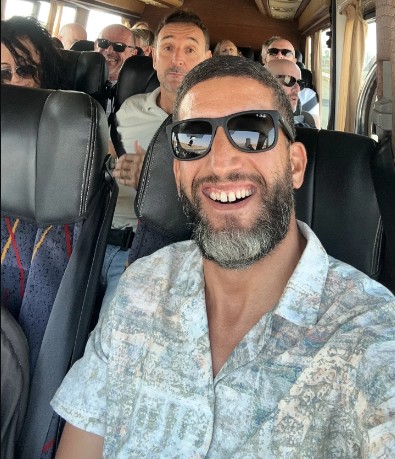
Mouhssine Eliouj
Official Licensed Tour Guide · Marrakech & Morocco
Mouhssine is a fully certified guide licensed by Morocco’s Ministry of Tourism, with years of experience leading solo female travellers and small groups through Marrakech, the Atlas Mountains, and beyond. He is known for his calm, unhurried approach — creating an environment where women feel genuinely comfortable exploring at their own pace, asking questions freely, and accessing corners of Morocco that most tourists never see. His tours are tailored, flexible, and deeply respectful. Booking even one day with Mouhssine gives solo travellers — particularly those visiting Morocco for the first time — an immediate sense of security and belonging that is genuinely transformative.
Chat on WhatsAppWomen Exploring Morocco Safely — Real Moments with Mouhssine
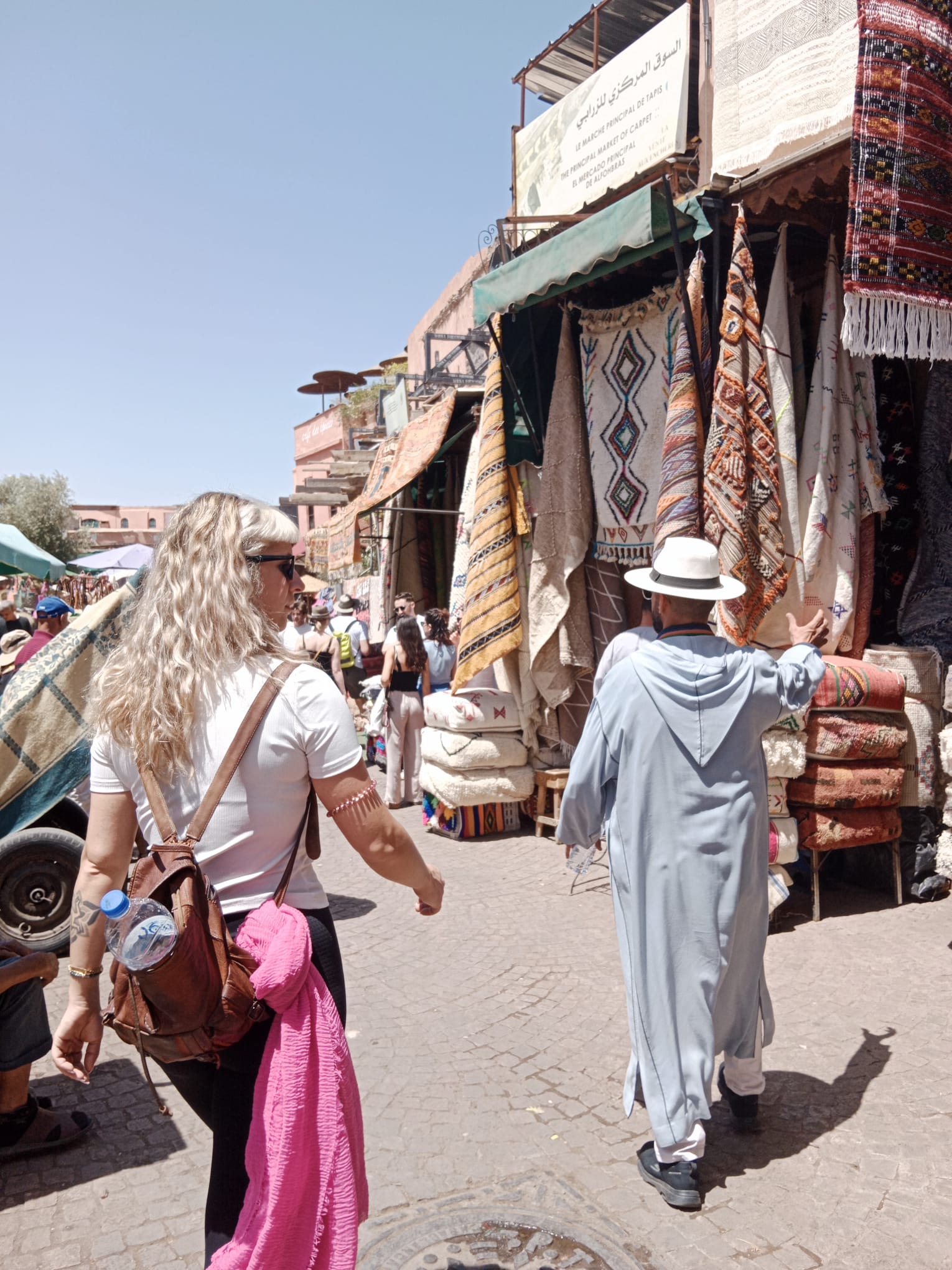
These are not staged photographs. They are genuine moments captured during guided tours in Marrakech — groups of women discovering hidden medina passages, savouring traditional cuisine, and experiencing Moroccan culture with joy, curiosity, and complete ease.
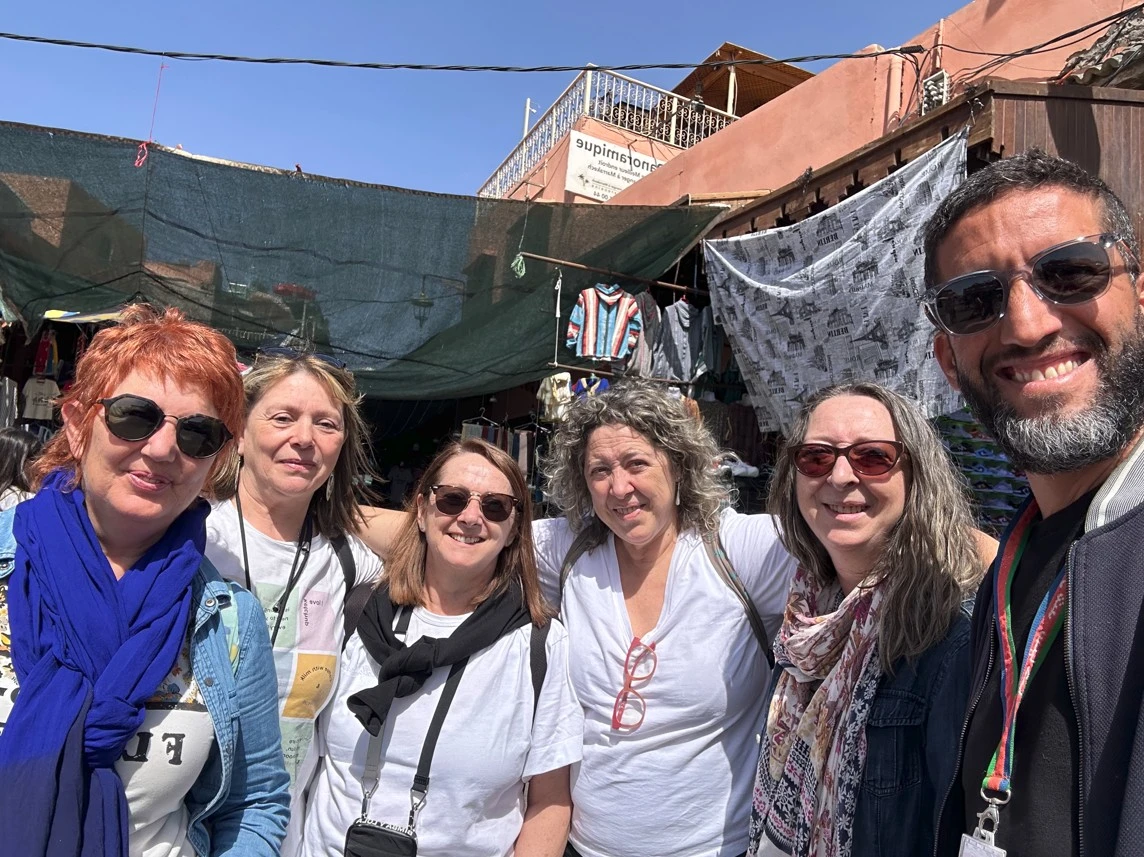
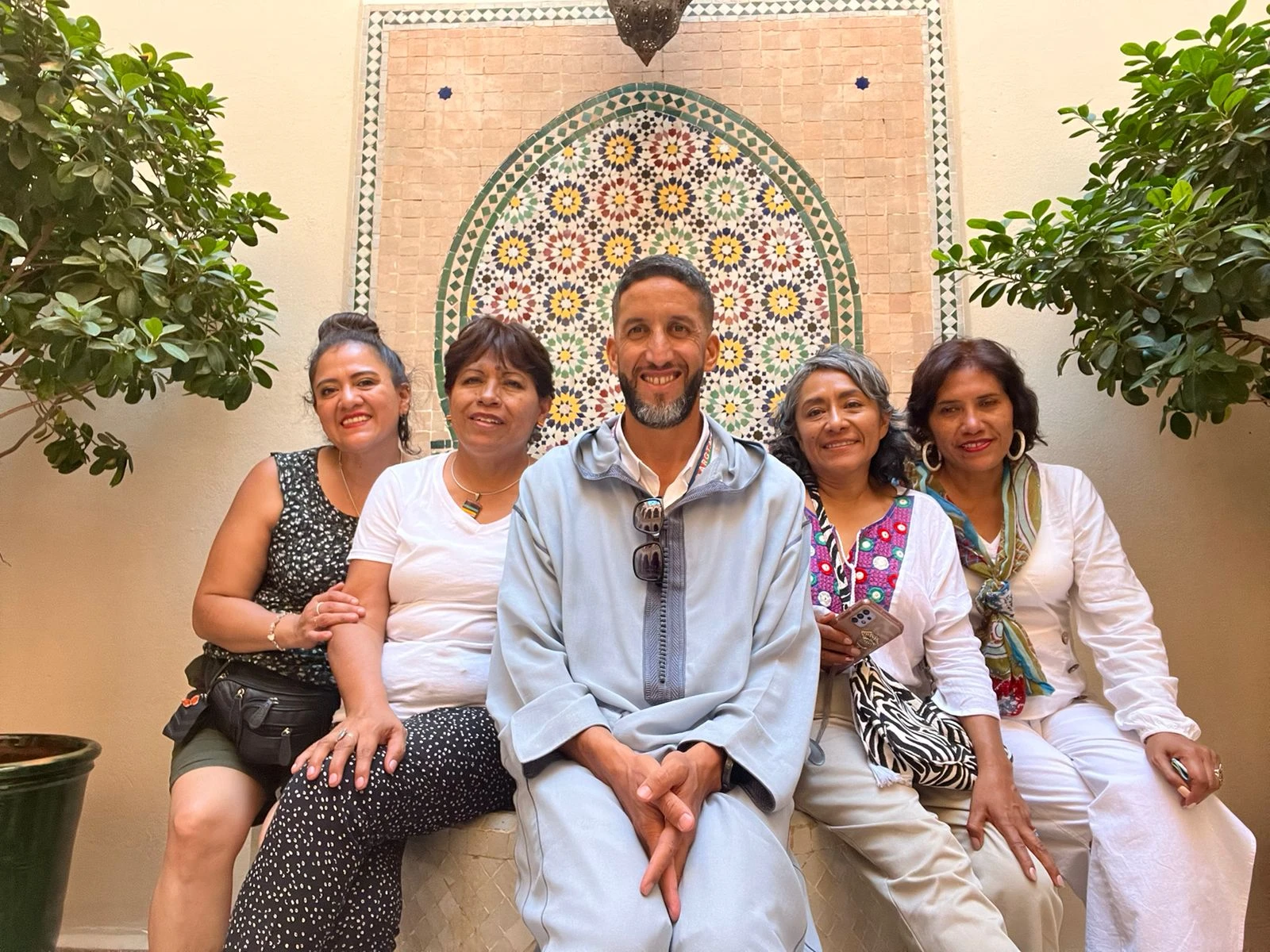
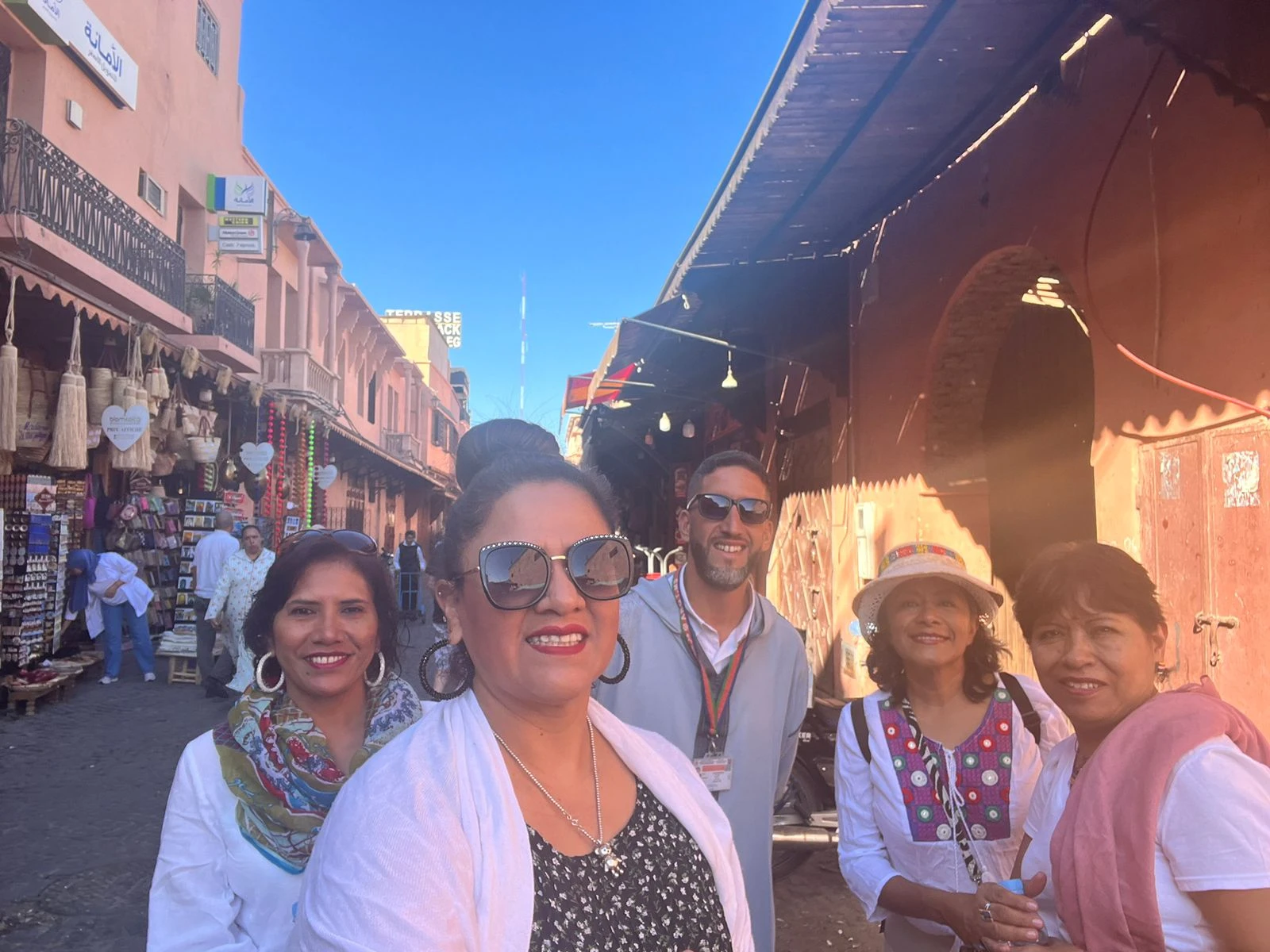
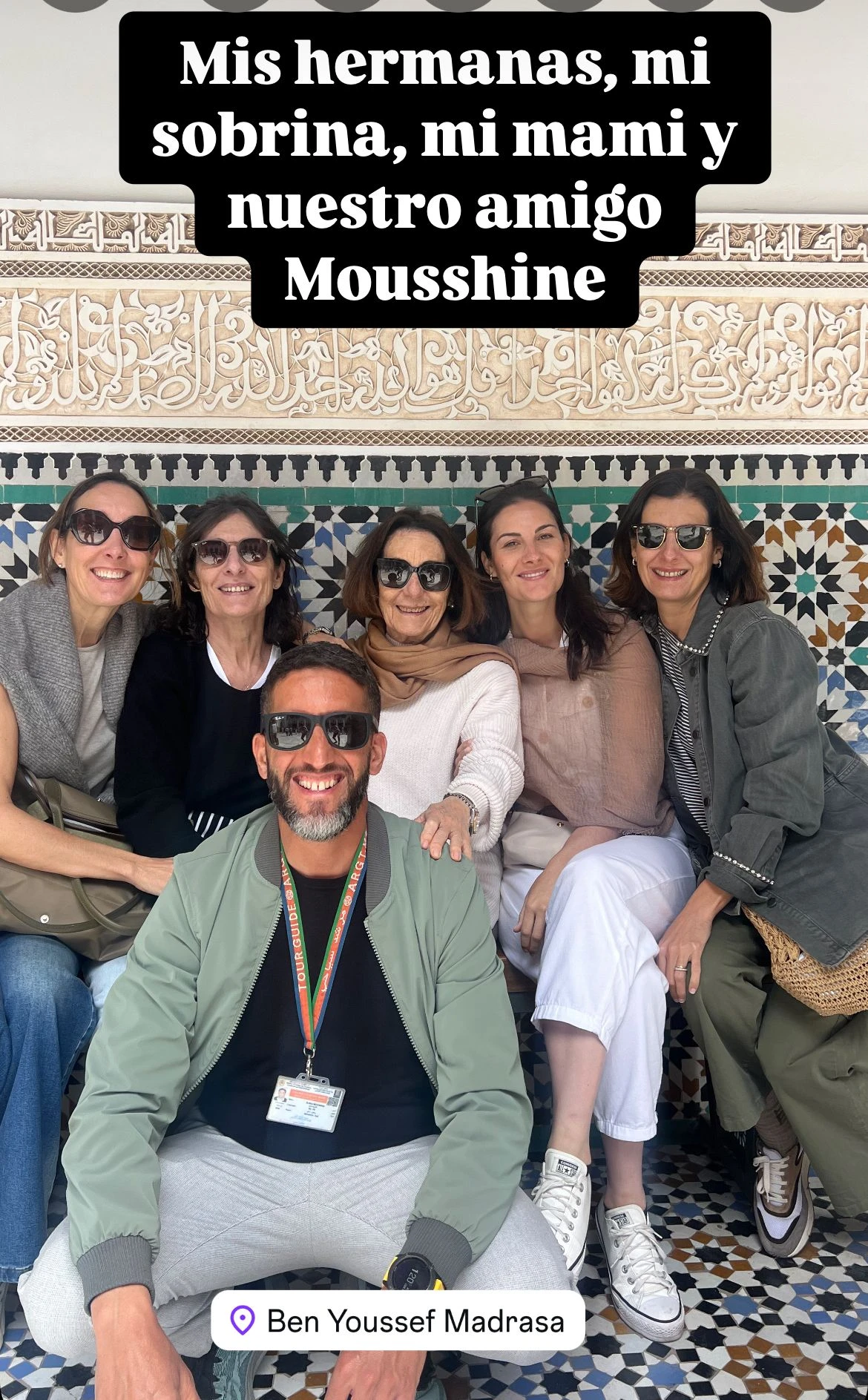
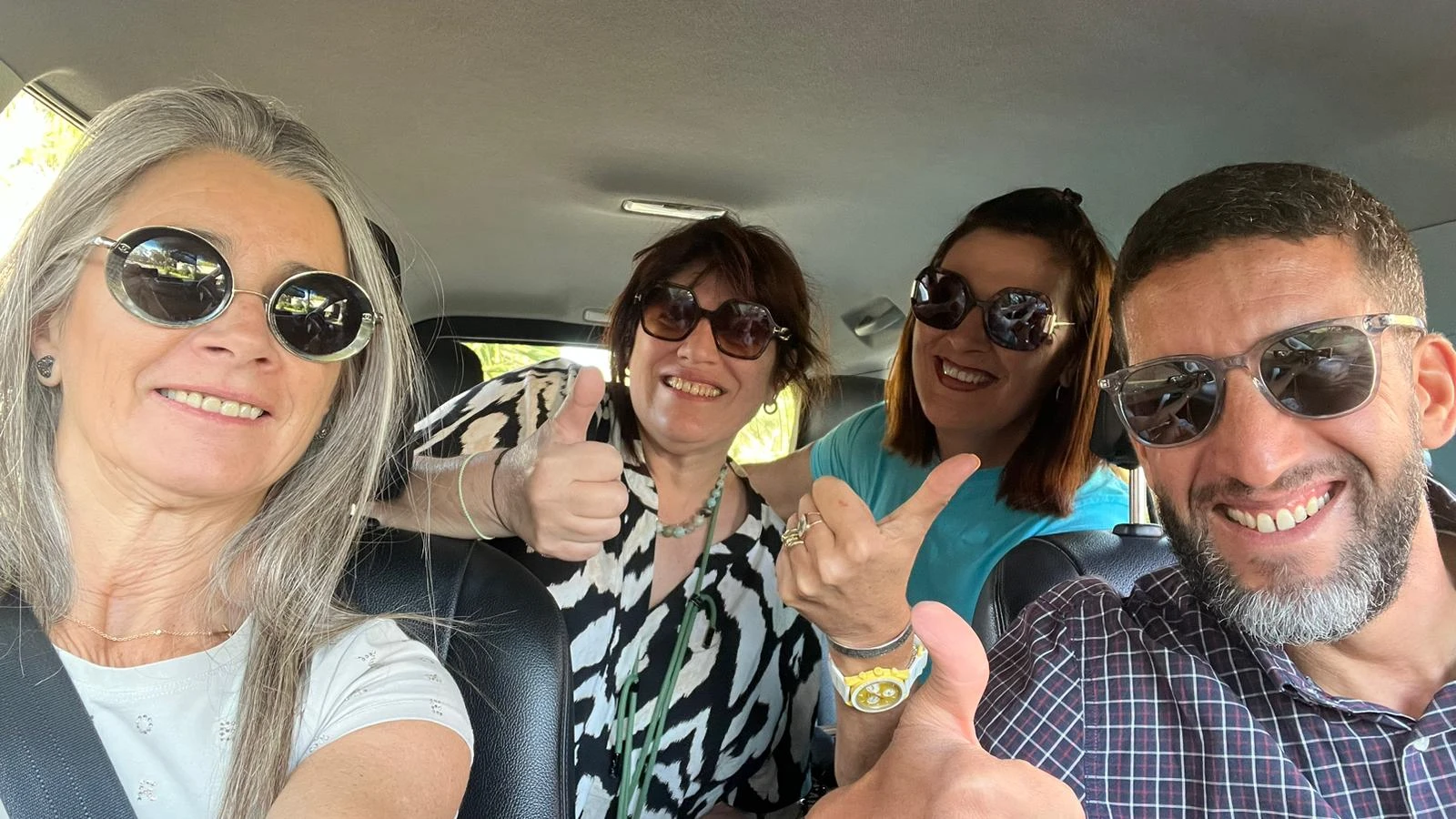
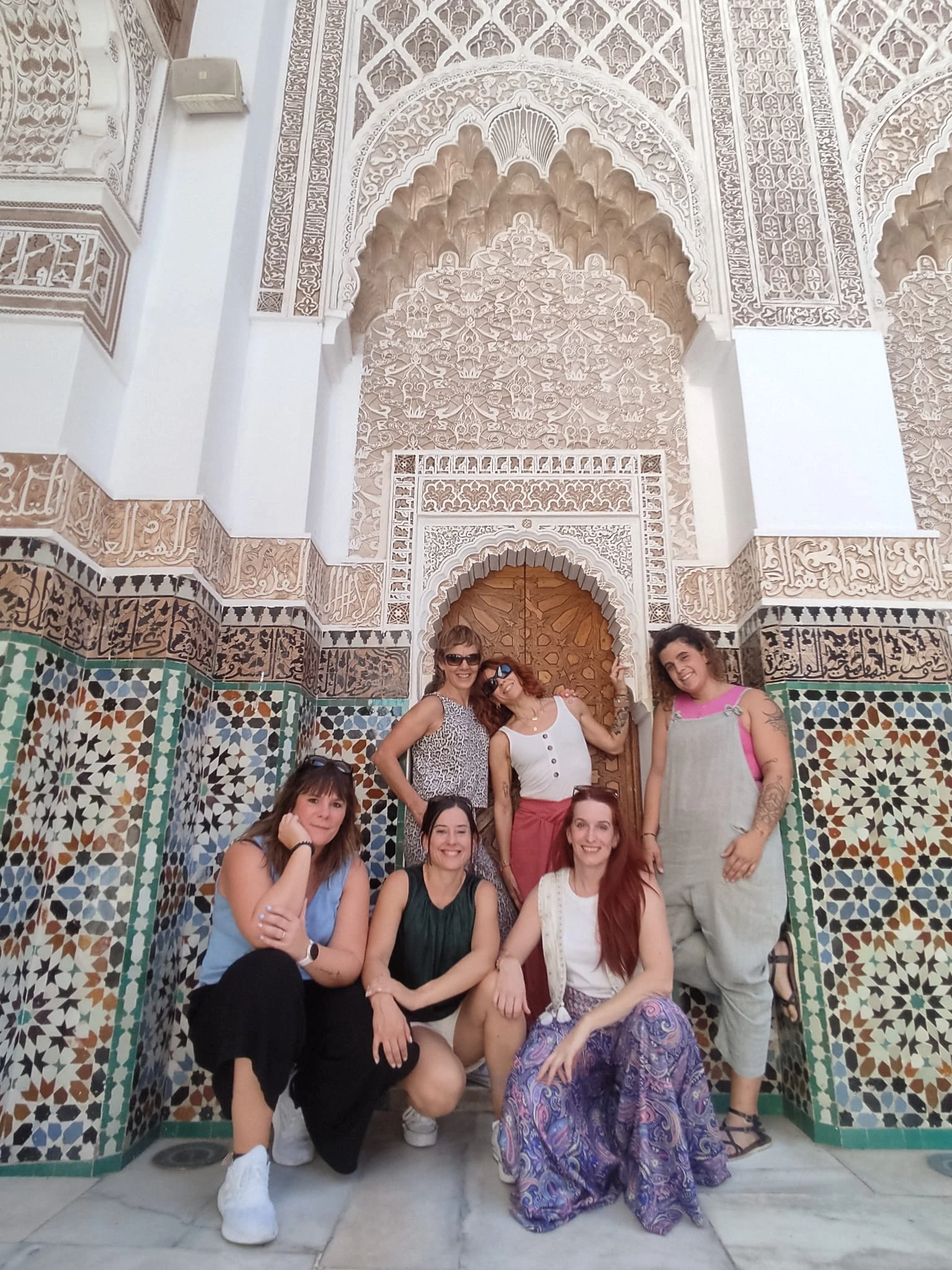
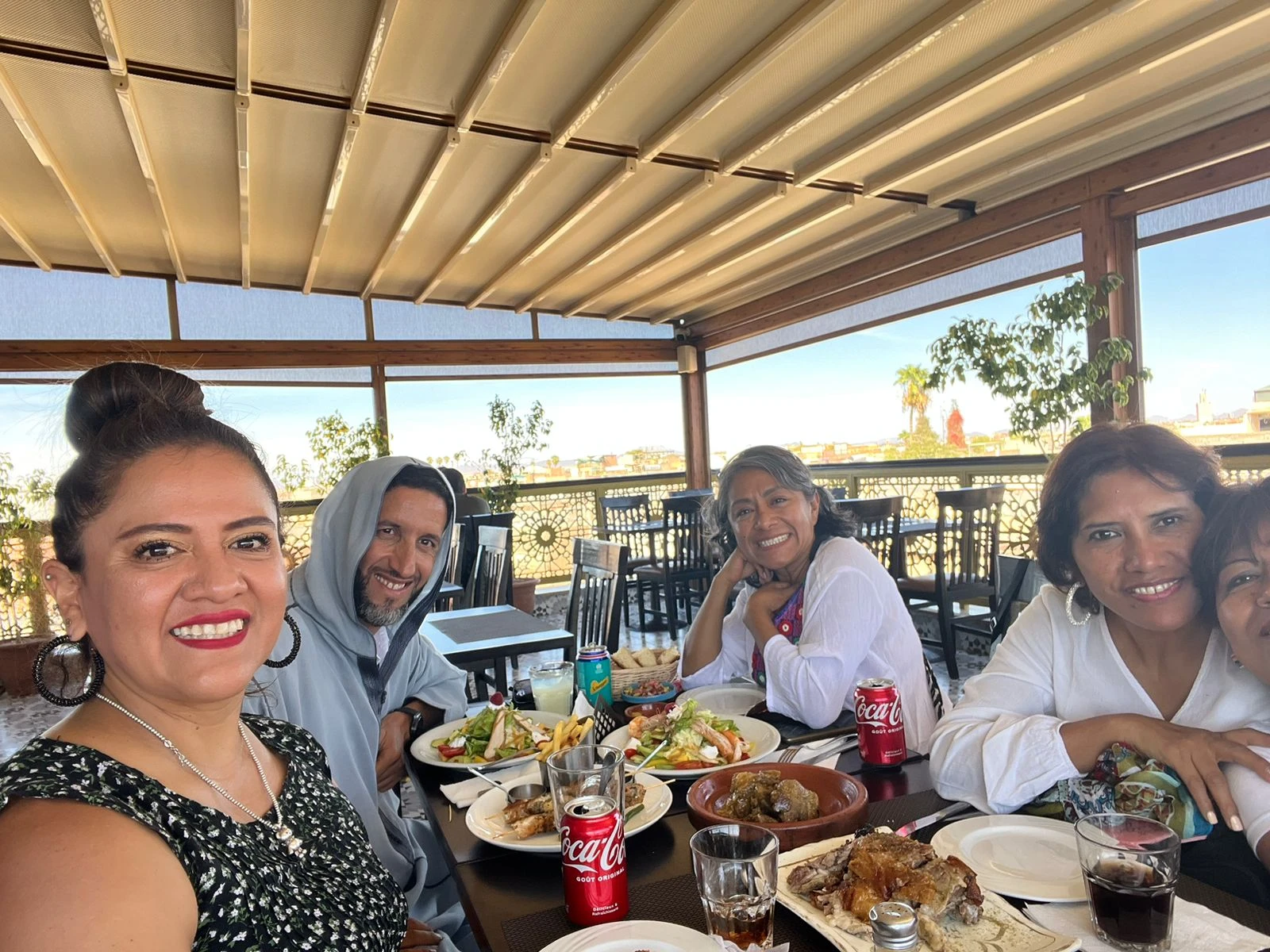
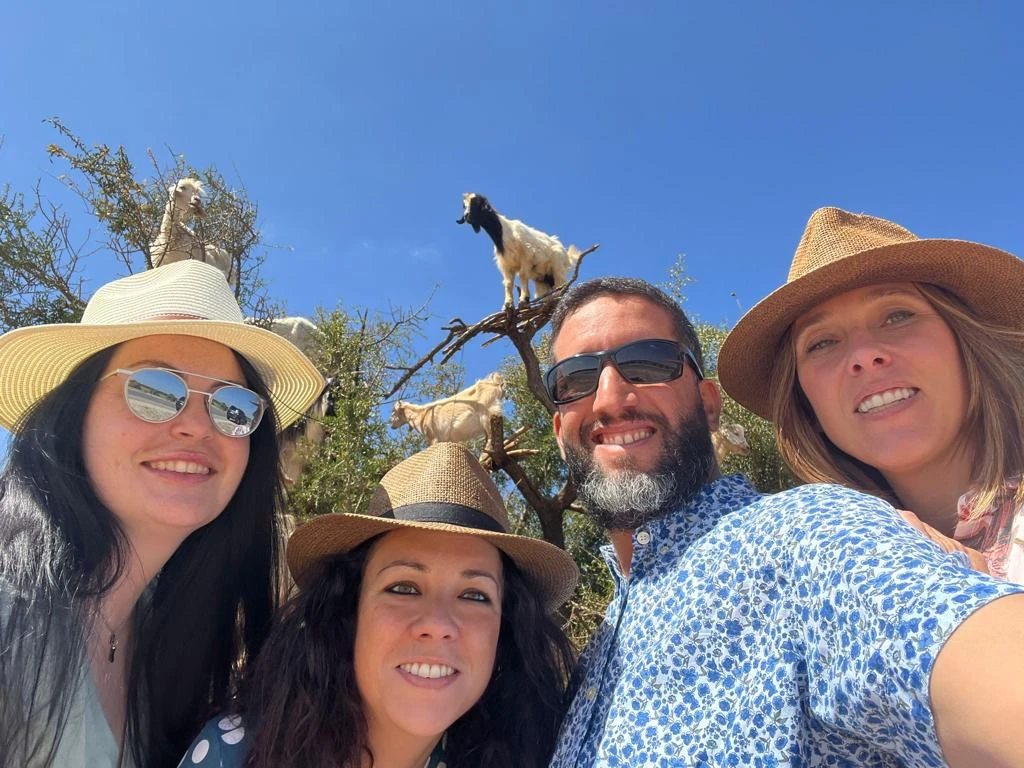
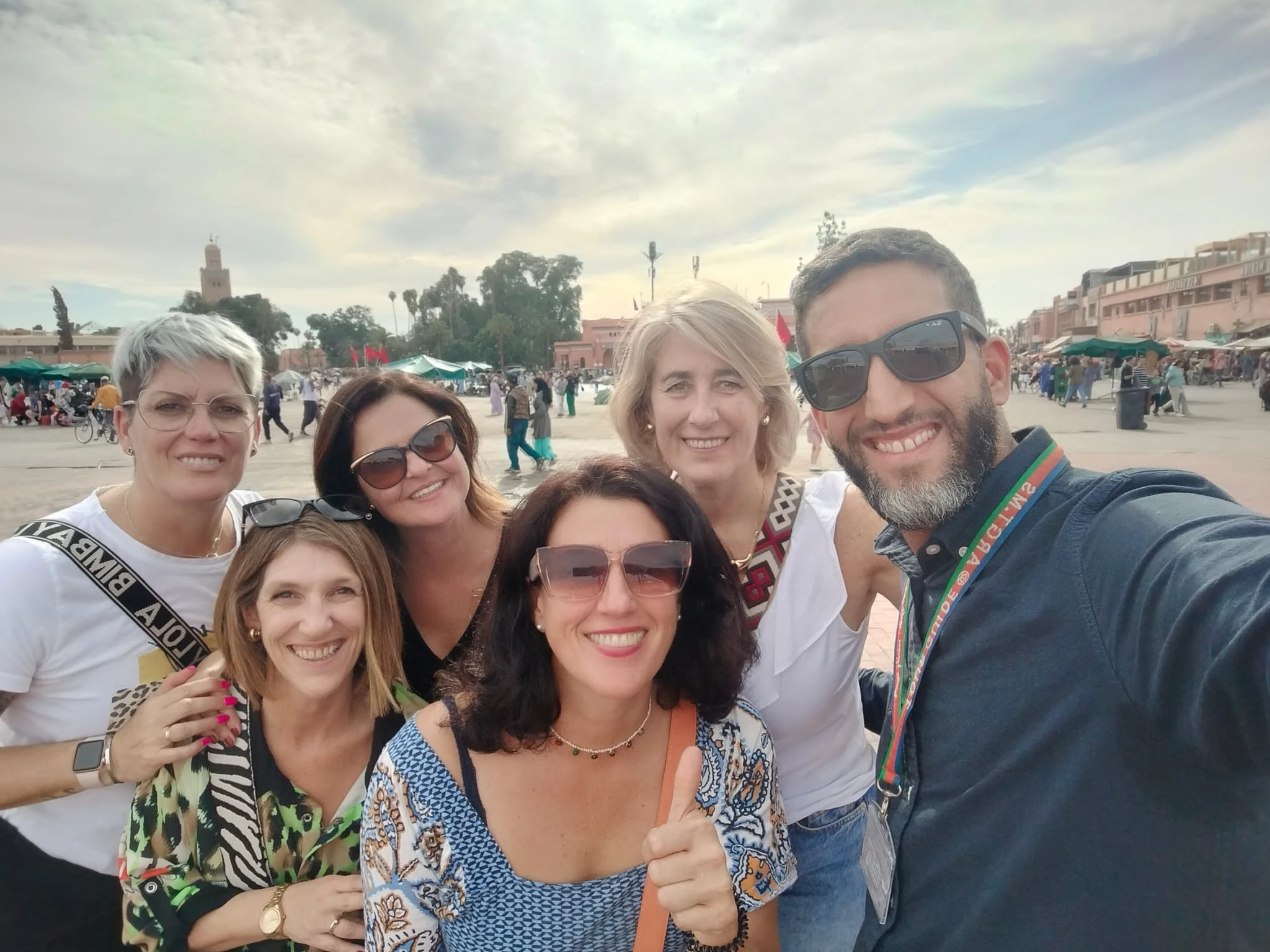
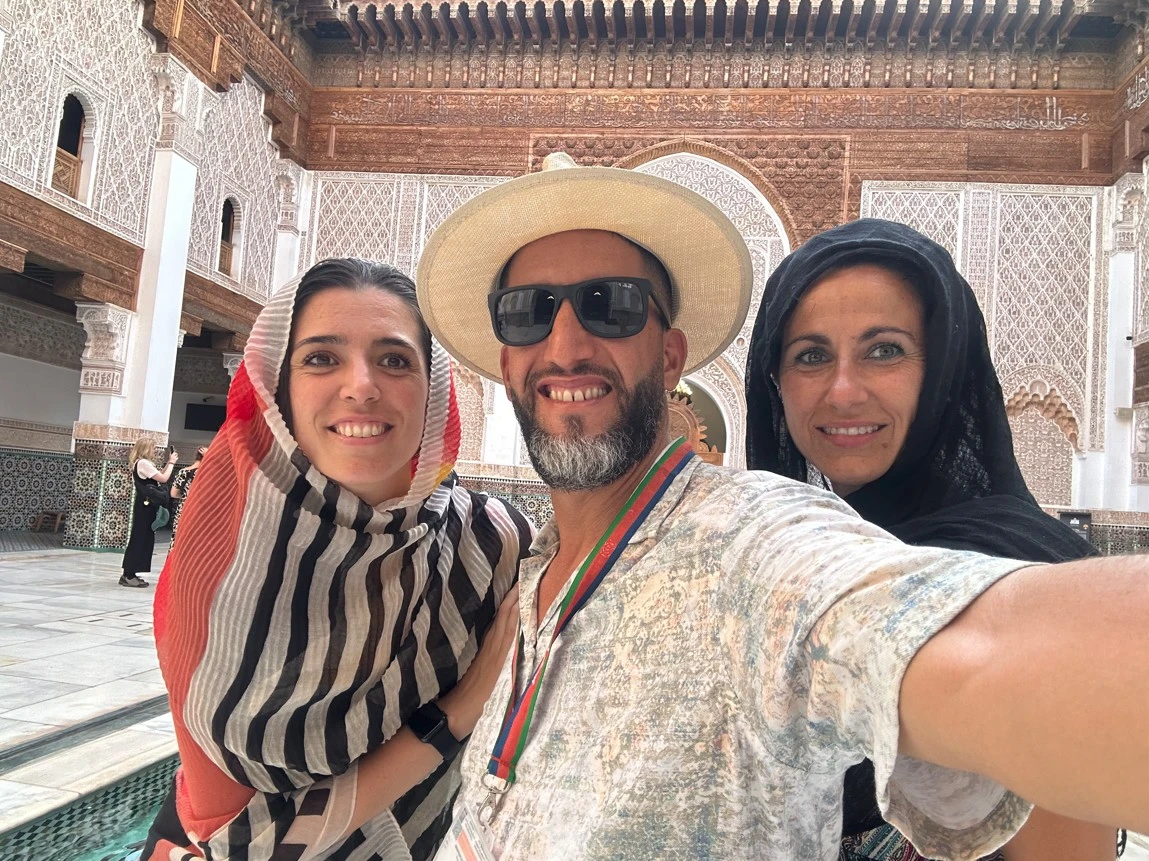
Real visitors, real moments — women discovering Morocco’s magic safely and joyfully with licensed guide Mouhssine Eliouj (Licence No. 2898).
Your Questions, Answered Honestly
These are the questions every woman researching Morocco asks — and each one deserves a straight, informed answer.
Morocco is considered a moderately safe destination for female travellers in 2026. Violent crime against tourists remains statistically rare. The primary challenges are street harassment and persistent vendor pressure — both manageable with preparation and the right city selection. According to Morocco’s ONMT 2024 survey, 62% of solo female travellers reported feeling safe or very safe — a 14-point increase compared to 2021. Cities like Agadir, Essaouira, and Rabat consistently receive the highest safety ratings from solo women.
Yes. Morocco is a popular destination for American women, and the US State Department currently lists Morocco at Level 1 (“Exercise Normal Precautions”) — the lowest possible advisory level — as of 2025. The main adjustment for American travellers is cultural: Morocco is a Muslim-majority country with conservative norms in certain areas. American women who dress modestly in medinas and follow standard safety practices consistently report very positive experiences. English is widely spoken in tourist areas, and the US Consulate in Casablanca provides consular support if needed.
It depends on the district. Gueliz (the ville nouvelle) is comfortable at night — well-lit streets and a mixed local and tourist crowd make walking back from dinner feel natural. Jemaa el-Fna square in the evening is vibrant and safe due to constant foot traffic and police presence. The deep, unlabelled lanes of the medina after 10pm are not recommended for solo navigation after dark. Use Careem or inDrive for late returns. With the right approach, Marrakech nights can be genuinely wonderful.
Agadir is consistently ranked the safest city in Morocco for solo female travelers. Its resort character, beach culture, modern infrastructure, and notably lower harassment levels make it the most accessible entry point for women travelling alone. Essaouira comes a close second — its compact, artist-friendly medina is genuinely welcoming and safe after dark. Rabat, as the capital, offers urban credibility with diplomatic-level security. For women who want a deeper cultural experience, both Fes and Marrakech are safe with proper preparation.
No — covering your hair is not legally required in Morocco, and the vast majority of Moroccan women do not cover their heads in public. However, carrying a lightweight scarf is recommended when visiting mosques (where covering is required), religious sites, or traditional rural areas. The cultural expectation in Morocco is less about hair covering and more about modesty in dress generally — loose, shoulder-covering clothing in medinas is appreciated and practically effective at reducing unwanted attention.
Fes medina is safe, but it is Morocco’s most navigation-intensive environment. Solo women report more verbal attention here than in Agadir or Essaouira, particularly around the tanneries where touts are active. The solution is straightforward: hire a licensed guide for your first day, download the medina’s map offline, and stay in accommodation inside the walls. With these in place, Fes is both safe and utterly extraordinary — nowhere else in Morocco will transport you so completely to another century.
Absolutely. Morocco is multilingual — French is co-official and widely spoken in cities, English is common in tourist areas, and Spanish is understood in northern cities like Tetouan and Tangier. The vast majority of hotel, restaurant, and transport staff in popular destinations speak functional English. Learning a handful of Darija phrases is warmly received by locals and practically useful in markets, but it is by no means required to travel safely and enjoyably.
Morocco’s Tourism Police (Brigade Touristique) have a dedicated mandate for harassment incidents involving visitors. They operate in all major tourist cities and are stationed near key sites. If you experience harassment: (1) approach any tourism police officer directly — they are authorised to intervene immediately; (2) contact the tourism complaint line at 0801 00 20 20 (toll-free within Morocco); (3) step into the nearest open shop — most business owners are protective of visitors nearby. For more serious situations: Gendarmerie Royale 177, Urban Security police 19.
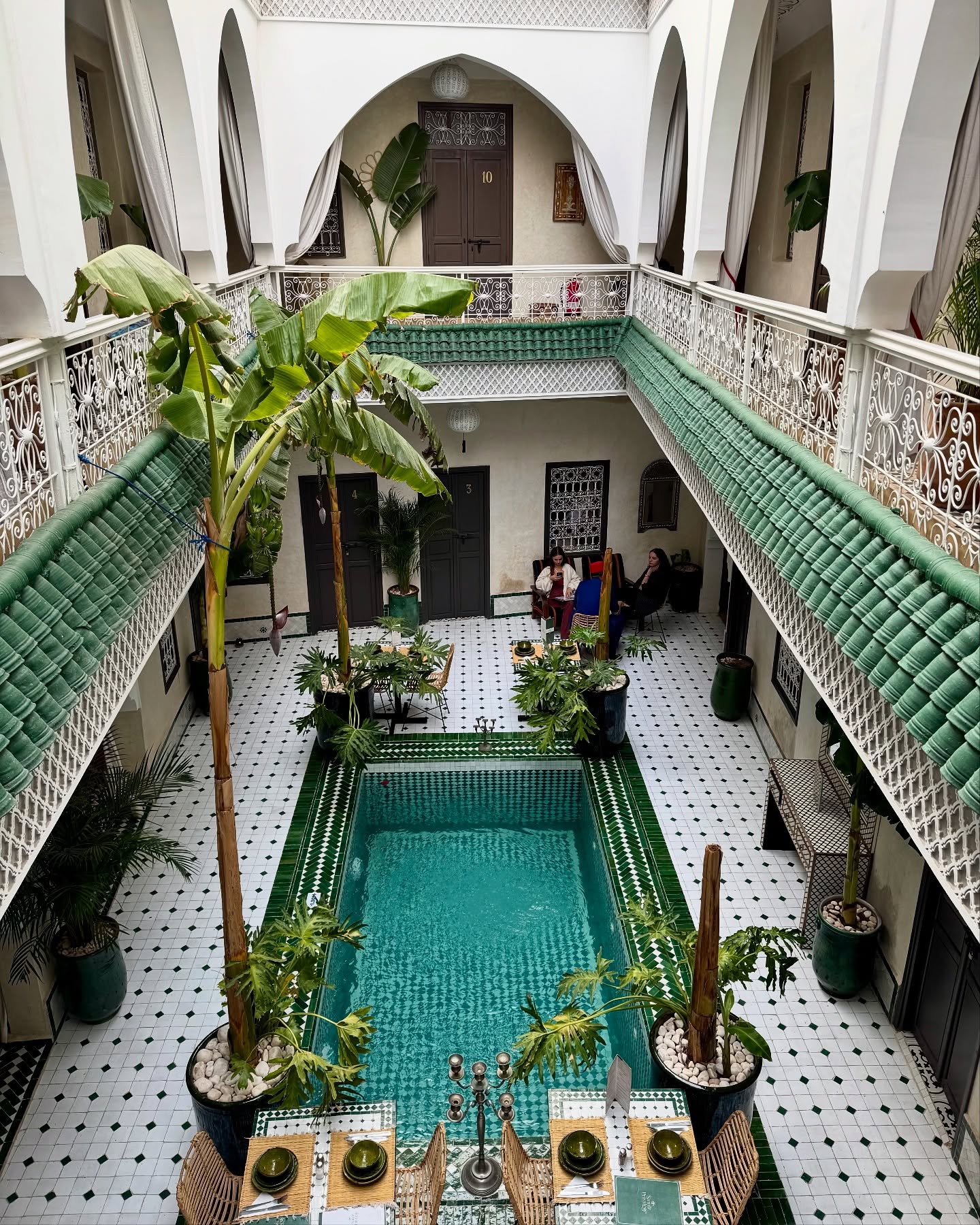
Riads are widely regarded as the safest accommodation type in Morocco for solo women. They are private, inward-facing houses with a single guarded entrance and no street-facing windows. Staff are small in number and develop genuine familiarity with guests over a short stay. Well-reviewed riads on Booking.com have extensive feedback from solo female guests — filtering reviews by this demographic is an excellent selection strategy. The combination of security, privacy, and local knowledge that riad staff provide is difficult to match anywhere else.
Beyond the main cities, several experiences are particularly well-suited for solo women: the Dades Valley and Todra Gorge (dramatic landscapes with safe, guided hiking), the Aït Ben Haddou kasbah (a UNESCO-listed village that’s heavily visited and safe), Chefchaouen (the blue city — compact, photogenic, and notably relaxed for solo women), and small hammams in major cities where women-only sessions are standard. For any off-the-beaten-path excursion, travelling with a licensed local guide like Mouhssine makes a genuine, measurable difference in both safety and depth of experience.
Morocco Is Waiting — Go Prepared
The question of the safest city in Morocco for women doesn’t have a single, rigid answer — it has a nuanced one. Agadir offers the most frictionless introduction for anyone searching for the best places in Morocco for women alone. Essaouira wraps you in bohemian charm. Rabat gives you the capital’s dignity and calm. Marrakech rewards those who arrive knowing what to expect. Fes rewards the curious and the brave. Casablanca anchors you in modern Morocco.
The common thread across all these cities is this: informed, prepared women have extraordinary experiences in Morocco. If you’re still wondering whether Morocco is safe for women in 2026, the evidence — from government data, international travel advisories, and thousands of firsthand accounts — points clearly toward yes, with the right city, the right preparation, and where possible, the right guide at your side.
✦ Closing thought
“Morocco does not demand that you be fearless. It simply asks that you be curious — and it will meet you more than halfway.”
Go with knowledge. Go with an open heart. And go knowing that thousands of women before you have walked these same streets and come home with stories they’re still telling years later. For everything you need to plan your journey, start with understanding where Morocco sits in the world, then let the details fall beautifully into place.
Research & Further Reading
This article draws on data from government bodies, independent safety organisations, and documented traveller reports. The following sources were consulted in its preparation:
References
- Morocco National Tourism Office (ONMT) — Annual Tourism Report 2024: Female Traveller Safety Survey. visitmorocco.com
- US State Department — Morocco Travel Advisory, Level 1 (Exercise Normal Precautions), updated 2025. travel.state.gov
- UK FCDO — Morocco Travel Safety Guidance, 2025. gov.uk/foreign-travel-advice/morocco
- Global Peace Index 2024 — Institute for Economics and Peace. Morocco ranked 76th globally. visionofhumanity.org
- Numbeo Crime Index 2025 — Morocco Safety Overview. Marrakech safety index: 55.7 (Moderate). numbeo.com
- UNESCO World Heritage List — Medina of Fes, Medina of Marrakech, Rabat, Historic Meknes. unesco.org
- Morocco Ministry of Tourism — Licensed Guide Registry. Official guide licence reference numbers. tourisme.gov.ma
- Lonely Planet — Morocco (2024 edition). Lonely Planet Publications, Melbourne. ISBN 978-1-83869-491-0.
- She Is Not Lost — Morocco Solo Female Travel Survey (2023, 1,200+ respondents). sheisnotlost.com
- Morocco Penal Code, Article 503-1 — Sexual harassment provisions, amended 2018, enforcement updated 2024. Morocco Ministry of Justice.