What Is the Largest City in Morocco?
When people ask about the largest city in Morocco, the answer is unambiguous: Casablanca. Known locally as Casa or Ad-Dar al-Bayda in Arabic — literally “the white house” — Casablanca is the economic, industrial, and cultural powerhouse of the country. It sits on the Atlantic coast in the Chaouia plains, roughly midway along Morocco’s western seaboard, making it a natural junction between north and south.
While Rabat holds the title of capital, Casablanca commands the economy. It generates an estimated 25 to 35 percent of Morocco’s entire GDP and handles the lion’s share of the nation’s international trade through its modern container port. If you want to understand Morocco’s ambitions for the 21st century, Casablanca is where to look.
To put its size into perspective, the full list of cities in Morocco runs to dozens of entries — Rabat, Fes, Marrakech, Tangier, Agadir — yet none of them come close to matching Casablanca’s population or economic footprint. It stands in a class of its own.
Where Is Casablanca Located?
Casablanca occupies the western edge of the Chaouia plateau, directly facing the Atlantic Ocean. The city lies approximately 90 kilometres south of Rabat and around 240 kilometres north of Marrakech along the coast. Its position has always been its greatest geographic advantage: sheltered bays allowed early traders to anchor their vessels, and the same geography now supports one of the busiest ports on the African continent.
If you are still forming a mental map of the country, it helps to first understand where Morocco itself is located — a kingdom that bridges Africa and Europe across the Strait of Gibraltar, with the Atlantic to the west and the Mediterranean to the north. Casablanca sits at the country’s Atlantic heartland, neither in the arid south nor in the densely medina-studded north, but in an in-between zone that has historically welcomed trade, migration, and modernisation.
The city’s broader geography also matters. Morocco’s remarkable physical features — the Atlas ranges, the Saharan fringes, the river valleys — all funnel economic activity westward toward the coast, and Casablanca is the natural terminus of much of that flow.
“Casablanca is not simply Morocco’s largest city — it is the country’s window onto the global economy, a place where tradition and ambition negotiate their boundaries on a daily basis.”
A Brief History of Morocco’s Largest City
Long before it bore its current name, the site of Casablanca was a Berber settlement called Anfa. For centuries it operated as a modest but strategically valuable port, trading grain across the western Mediterranean. The Portuguese sacked and rebuilt the settlement in the 15th century, giving it the name Casa Branca — the Portuguese equivalent of “white house” — a name the Spanish later translated into Casablanca when the city passed through different spheres of influence.
The true turning point came under Sultan Mohammed ben Abdallah in the late 18th century, who rebuilt the city after an earthquake and established the Arabic name Ad-Dar al-Bayda. But it was French colonisation in the early 20th century that transformed Casablanca from a modest coastal town into a modern metropolis. The French architect Henri Prost drew up bold urban plans, wide Haussmann-style boulevards were laid, and European-influenced neighbourhoods rose beside traditional Moroccan quarters.
The port, expanded aggressively from 1907 onward, became the engine of this growth. Workers flooded in from across Morocco and beyond. By the time Morocco gained independence in 1956, Casablanca was already irreversibly the country’s dominant urban centre — a reality that every subsequent decade has only deepened.
Why Casablanca Is the Economic Capital of Morocco
The title “economic capital” is not honorary — it reflects hard numbers. Casablanca houses the Casablanca Stock Exchange, the headquarters of most of Morocco’s major banks, and the regional offices of hundreds of multinational corporations that use the city as their gateway to Africa. The Casablanca Finance City (CFC), launched in 2010, has positioned the city as a continental financial hub, rivalling Johannesburg and Nairobi for pan-African business operations.
Industry & Manufacturing
The greater Casablanca metropolitan area is home to Morocco’s largest concentration of factories, covering everything from textiles and food processing to chemicals and automotive components.
Finance & Services
The Casablanca Finance City hosts over 200 multinational companies and positions Morocco’s largest city as a bridge between European and sub-Saharan African markets.
Port & Logistics
Casablanca Port is Morocco’s main commercial port, handling roughly 30 million tonnes of goods annually and serving as the country’s primary trade gateway.
Real Estate & Infrastructure
Major urban development projects — including the Grand Stade de Casablanca being prepared for the 2030 FIFA World Cup — continue to reshape the city’s skyline and transport network.
Top Landmarks and Things to See in the Largest City in Morocco
Visitors sometimes arrive in Casablanca expecting a medina as labyrinthine as Fes or as photogenic as Marrakech. They find something different: a genuinely modern metropolis punctuated by extraordinary monuments and pockets of historic charm.
Hassan II Mosque
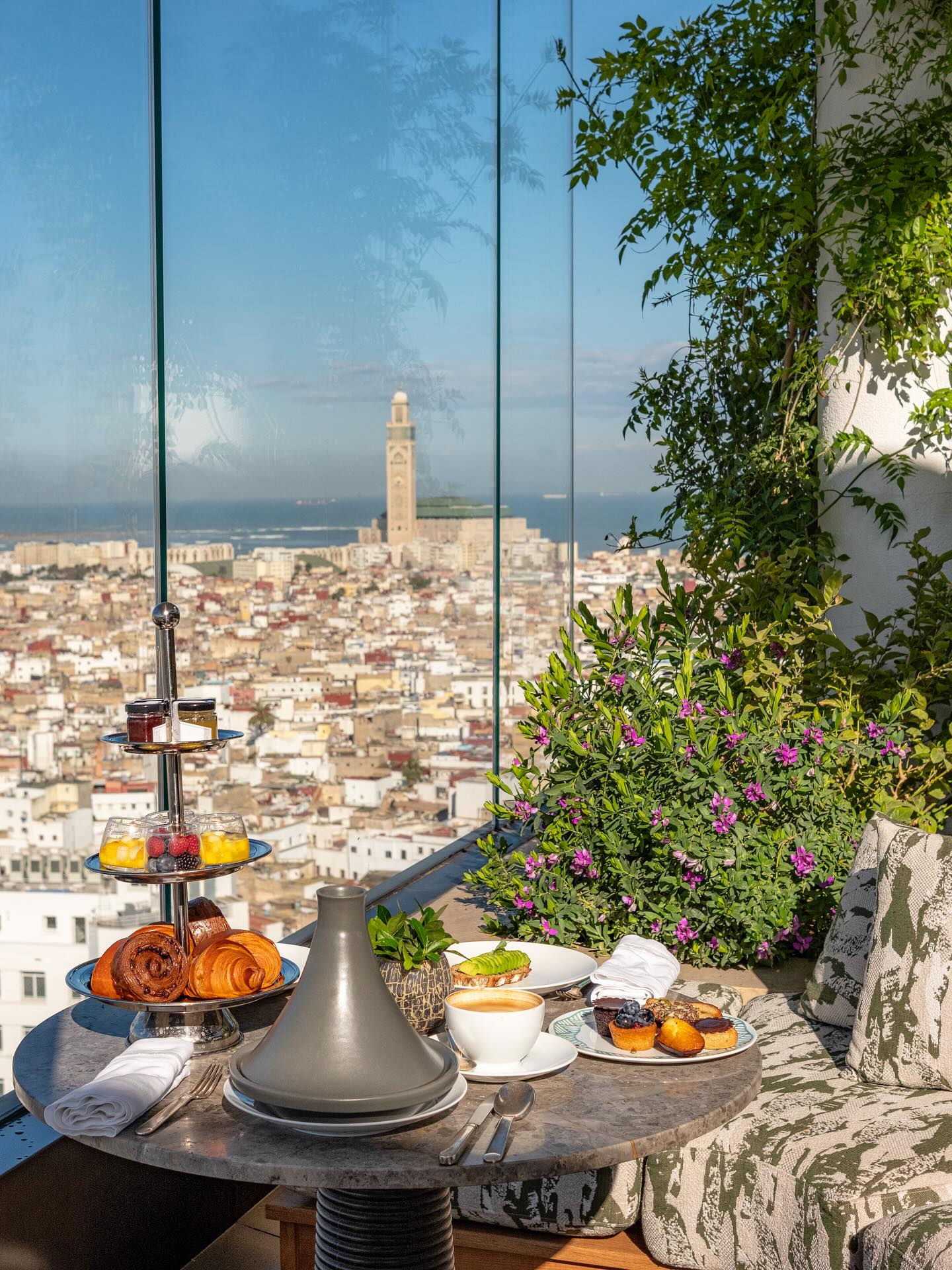
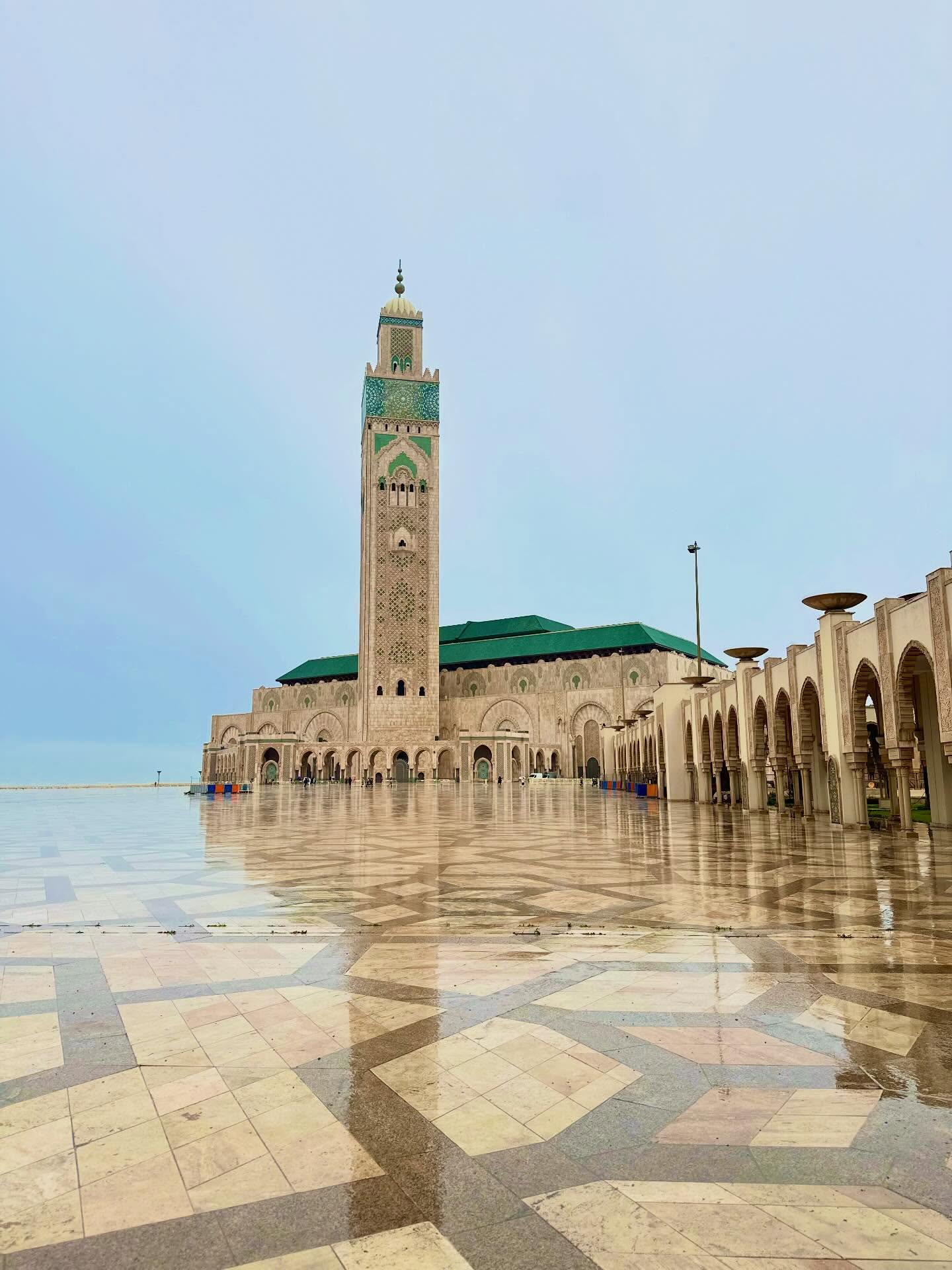
No landmark defines Casablanca more completely than the Hassan II Mosque. Completed in 1993, it rises 210 metres above the Atlantic — its minaret the tallest in the world. The mosque stands partly over the ocean, a deliberate architectural metaphor for the Quranic verse describing God’s throne as being built upon water. Non-Muslim visitors are permitted to enter on guided tours, making it one of the very few mosques in Morocco accessible to international travellers.
The Old Medina
Unlike the medinas of Fes or Marrakech, Casablanca’s old medina is compact and relatively unrestored — which, for many travellers, is precisely its appeal. It retains an authentic, lived-in atmosphere where residents go about daily life with little theatrical staging for tourists. Wander its narrow alleys for a glimpse of the city before the French transformation.
The Corniche and Ain Diab
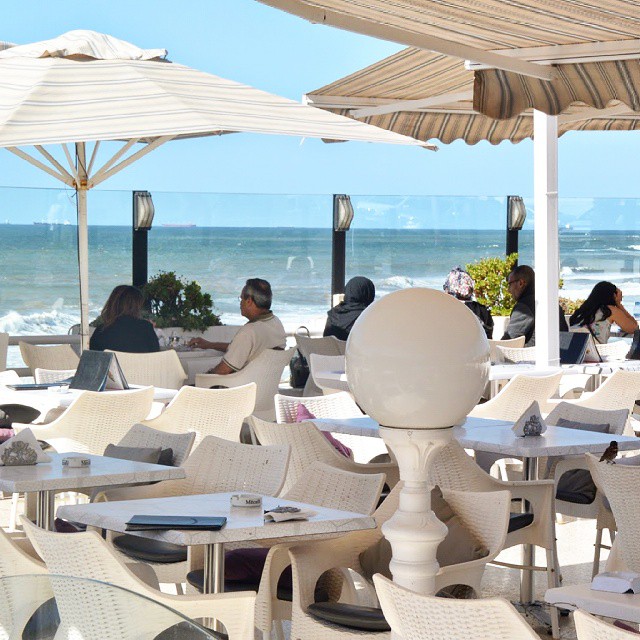
The Atlantic corniche stretching through the Ain Diab neighbourhood is where Casablanca comes to relax. Beachside restaurants, open-air cafés, and private beach clubs line a boulevard that hums with activity on warm evenings. It offers a side of the largest city in Morocco that is entirely different from any postcard image — genuinely local, lively, and unpretentious.
Art Deco Architecture
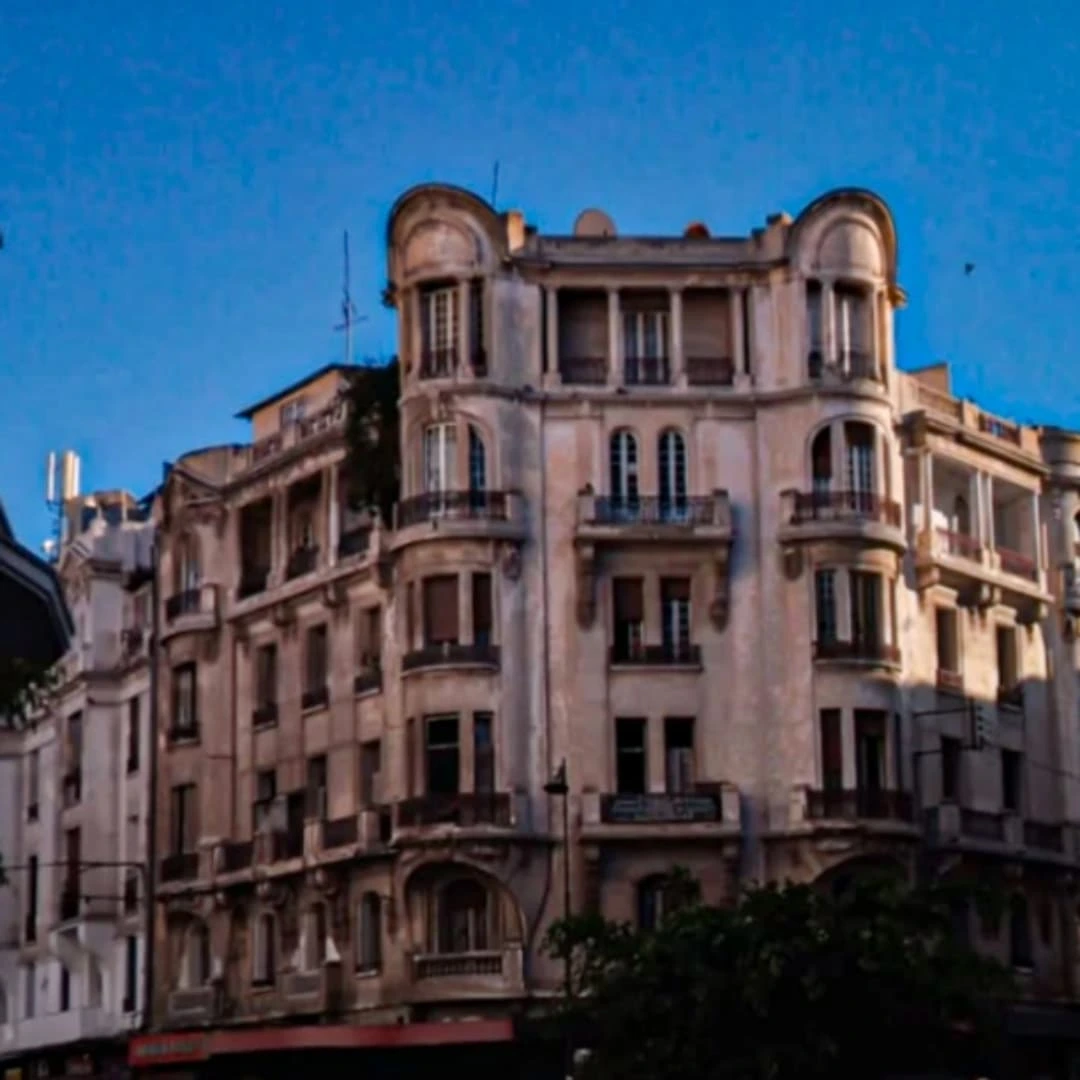
Few African cities can match Casablanca’s collection of Mauresque and Art Deco buildings from the 1920s–1950s. The Cathédrale du Sacré-Cœur, now a cultural centre, and a string of ornate apartment buildings along Boulevard Mohammed V testify to a peculiar colonial aesthetic that fused French modernism with Moroccan geometric ornament. Architecture enthusiasts regularly travel to Casablanca specifically for this heritage.
Population and Demographics
Casablanca is, by a wide margin, the most populous city in Morocco. The city proper houses roughly 3.7 to 4 million residents, while the greater metropolitan area — encompassing satellite towns like Mohammedia, Berrechid, and Bouskoura — brings the total to nearly 7.8 million people. For context, that is more than twice the population of Marrakech and more than four times that of Rabat.
The city is remarkably young: the median age is estimated below 30, and the population has grown faster than almost any other major African metropolis over the past five decades, driven by sustained rural-to-urban migration. This demographic energy feeds a perpetually expanding consumer market, a booming informal economy, and a youthful creative culture that expresses itself in music, street art, and cuisine.
How Casablanca Compares to Other Moroccan Cities
Understanding the largest city in Morocco is easier when you set it alongside its peers. Morocco’s urban hierarchy is steep:
- Casablanca — largest city, economic capital, population ~4 million
- Rabat — political capital, administrative centre, ~600,000 within city limits
- Fes — spiritual and cultural capital, home to one of the world’s oldest universities
- Marrakech — the red city, tourism capital, gateway to the High Atlas
- Tangier — northern gateway, increasingly important for logistics and tourism
- Agadir — beach resort capital of the south, rebuilt after the 1960 earthquake
Each city plays a distinct role in Morocco’s national story, but Casablanca’s combination of size, economic weight, and international connectivity places it fundamentally above the others in terms of urban primacy.
Getting to and Around Casablanca
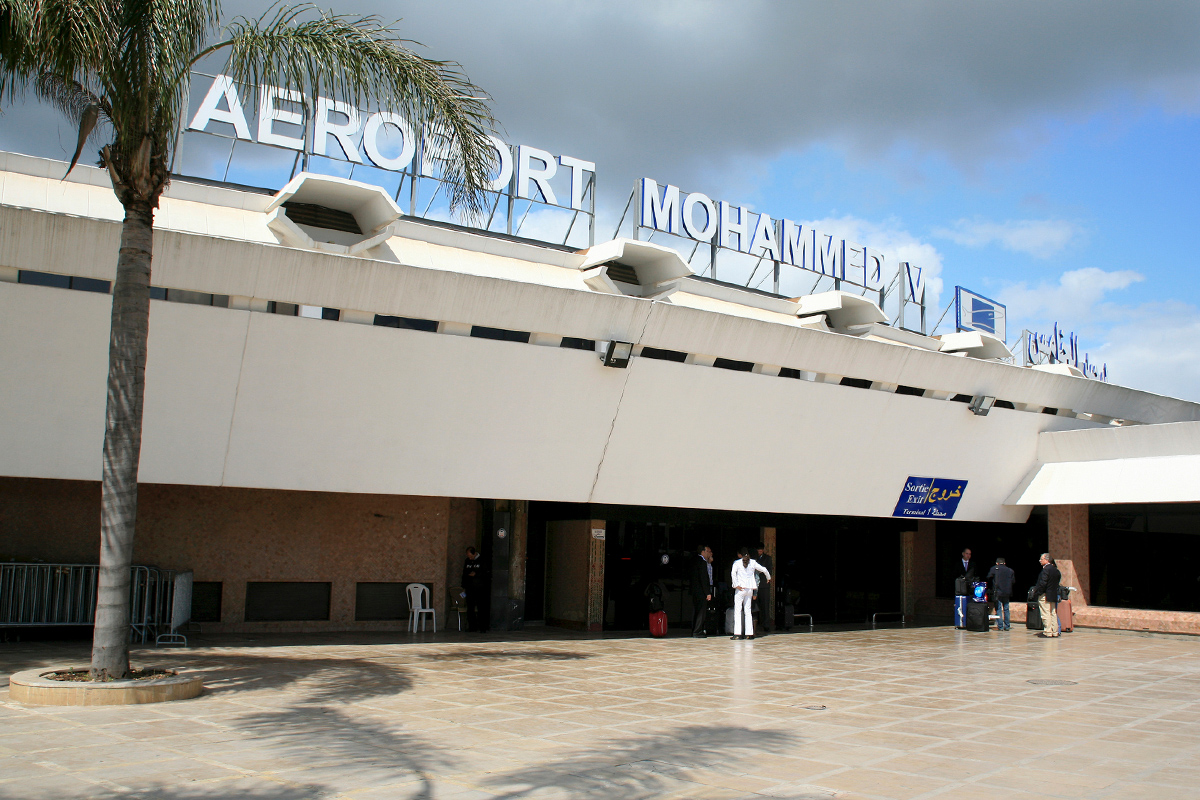
Casablanca is the best-connected city in Morocco by every mode of transport. Mohammed V International Airport — located about 30 kilometres from the city centre — is Morocco’s busiest international hub, receiving direct flights from Europe, North America, the Middle East, and across Africa. A dedicated airport express train, the ONCF rail link, connects the airport to Casablanca’s central stations in around 45 minutes.
Within the city, getting around has improved dramatically over the past decade. The Casablanca tramway now covers two main lines criss-crossing the urban core. Grand taxis (shared intercity taxis) and petit taxis (city taxis) fill the gaps. A bus rapid transit (BRT) system was under advanced development as of 2025, aiming to ease the chronic road congestion that comes with any city of Casablanca’s scale.
The high-speed Al Boraq train connects Casablanca to Tangier in around two hours, while conventional ONCF trains run regularly to Rabat (55 minutes), Fes, and Marrakech — making Casablanca an ideal base for exploring the whole country.
Culture, Food, and Nightlife
Casablanca occupies a cultural space that sets it apart from any other city in Morocco. It is Arab and Berber in its roots, French in much of its urban grammar, and increasingly global in its ambitions. French and Darija (Moroccan Arabic) are spoken interchangeably in business and daily conversation; a younger generation adds English and Spanish to the mix.
The food scene reflects this layering beautifully. You can sit at a hole-in-the-wall and eat a bowl of harira soup with msemen flatbread, walk ten minutes, and find yourself in a Michelin-worthy French-Moroccan fusion restaurant. The Central Market (Marché Central) is an unmissable sensory experience: stalls overflow with fresh Atlantic seafood, seasonal produce, and Moroccan spices in quantities that make even dedicated foodies feel overwhelmed.
Nightlife in the largest city in Morocco is more developed than anywhere else in the country. Rooftop bars, jazz clubs, and a flourishing electronic music scene coexist with traditional tea houses and hammams. The city never fully sleeps — a reflection of its young population and its position at the intersection of African, Arab, and European cultural currents.
Casablanca in 2030: A City on the Rise
The future looks ambitious for the largest city in Morocco. The country’s successful bid (alongside Spain and Portugal) to co-host the 2030 FIFA World Cup has placed Casablanca at the centre of a massive infrastructure push. A new grand stadium with a capacity exceeding 115,000 is under construction, set to be one of the largest football venues on the planet. Transport links, hotels, and urban public spaces are all being upgraded in parallel.
Beyond the World Cup, the city’s metropolitan authority has committed to expanding the tramway network, accelerating the BRT rollout, and extending the corniche waterfront with new public amenities. Casablanca’s ambition is no longer simply to be Morocco’s largest city — it aims to rank among the leading cities of the African continent by the end of the decade.
Frequently Asked Questions
Whether you are planning a trip, researching Morocco’s urban landscape, or simply curious about the country’s metropolitan heartbeat, Casablanca — the largest city in Morocco — offers more depth than its often-understated reputation suggests. It is a city that has absorbed Berber heritage, Portuguese and French colonial layers, and post-independence ambition into a singular, restless, thoroughly modern identity. Arriving here, you are not simply entering a city — you are entering Morocco’s future as it is being built in real time.