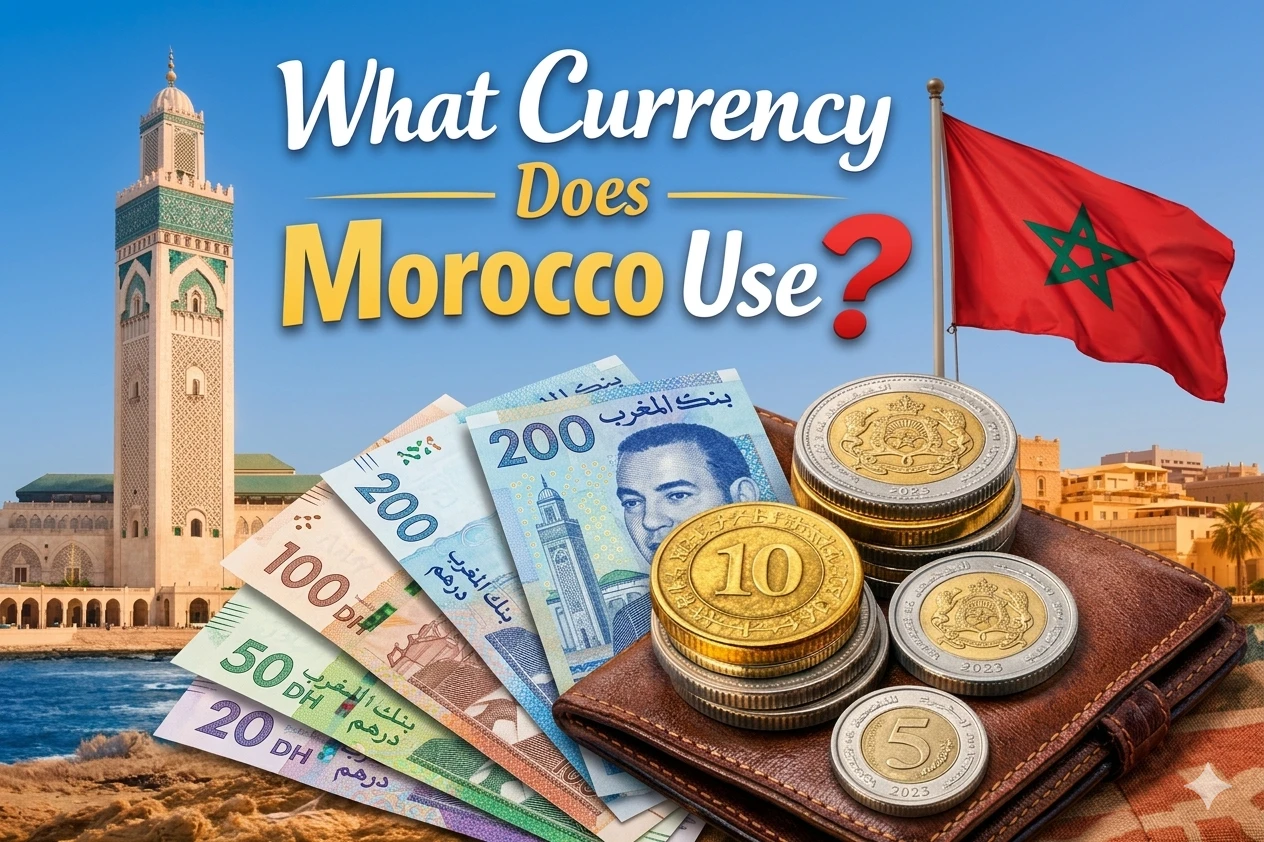
What Currency Does Morocco Use? Expert Tips for Travelers 2026
Chat with a Licensed Guide 🇲🇦
🇲🇦 Morocco Travel Guide · 2026
What currency does morocco use: Moroccan Dirham
Everything you need to know about Morocco’s official currency (MAD) — exchange rates, denominations, where to convert money, and insider tips for travelers in 2026.
💱 Live Converter🏧 Exchange Tips💰 Price Guide❓ FAQ
Scroll to read
🇲🇦
Official Currency: Moroccan Dirham (MAD)
💱
Freely convertible within Morocco
🏦
Issued by Bank Al-Maghrib since 1960
📅
Updated March 2026
Planning a trip to Morocco and wondering what currency Morocco uses? The answer is the Moroccan Dirham (MAD) — a distinctive, beautifully designed currency that is the country’s sole legal tender. Whether you’re exploring the medinas of Marrakech, trekking the Atlas Mountains, or staying in traditional riads in Fes, understanding Morocco’s currency system will make your travel experience far smoother and more rewarding.
In this comprehensive guide, you’ll find everything you need to know about the Moroccan Dirham — from its denominations and exchange rates to practical tips on where and how to exchange money. We’ve also included a live currency converter so you can instantly check today’s MAD rate.
Morocco’s Currency — The Dirham
What Currency Does Morocco Use? The Moroccan Dirham (MAD) Explained
Morocco’s official currency is the Moroccan Dirham, commonly abbreviated as MAD (or written locally as DH or Dhs). The dirham is subdivided into 100 centimes. It was introduced in 1960 following Moroccan independence and is issued and regulated by Bank Al-Maghrib (بنك المغرب), the country’s central bank based in Rabat.
Key Fact: The Moroccan Dirham is a restricted currency, meaning it cannot be legally exported or imported across Morocco’s borders in significant quantities. However, you can freely convert foreign currency into dirhams upon arrival — and convert leftover dirhams back before departure.
💵
Currency Name
Moroccan Dirham — درهم مغربي
🔖
ISO Code & Symbol
MAD / DH / د.م.
🏛️
Issuing Authority
Bank Al-Maghrib (Central Bank of Morocco)
🔢
Subunit
1 Dirham = 100 Centimes
📜
Introduced
1960 (replacing the Moroccan franc)
🌍
Exchange Rate Regime
Managed float — basket: EUR ~60% & USD ~40%
Banknotes & Coins — Series 2023
Moroccan Dirham Denominations: Every Coin & Banknote
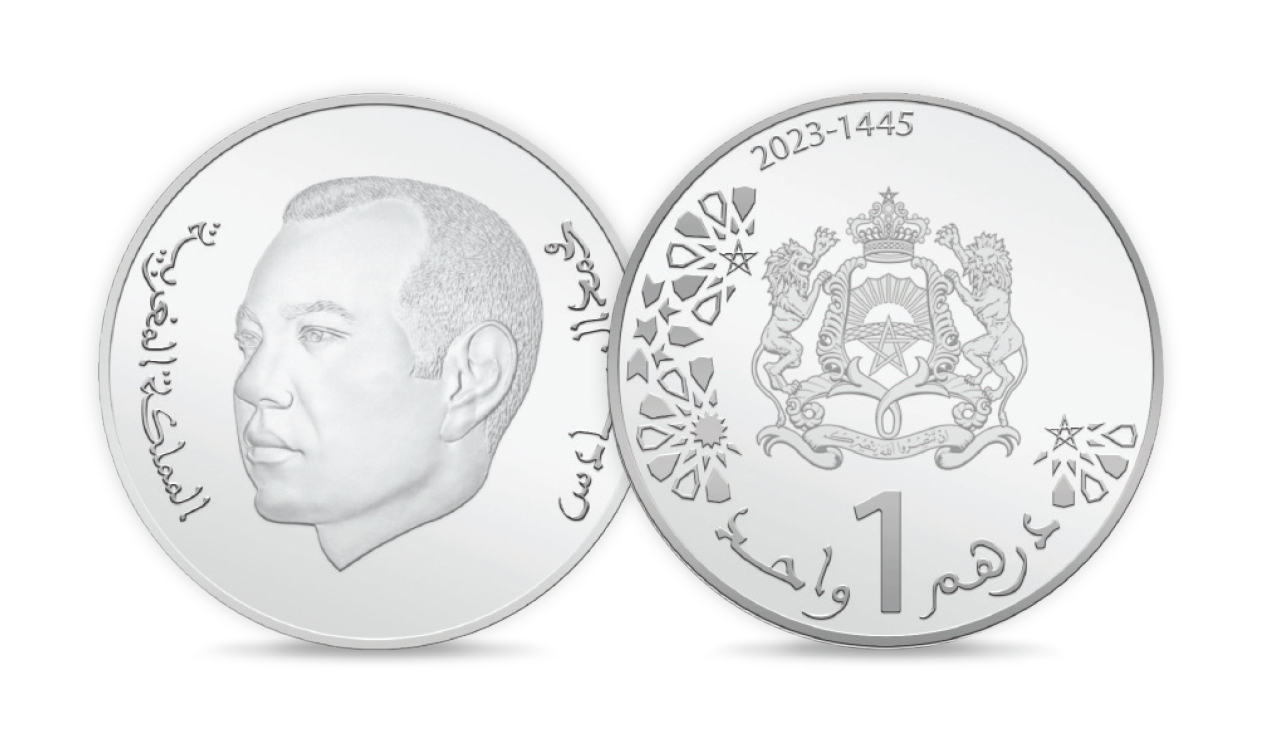
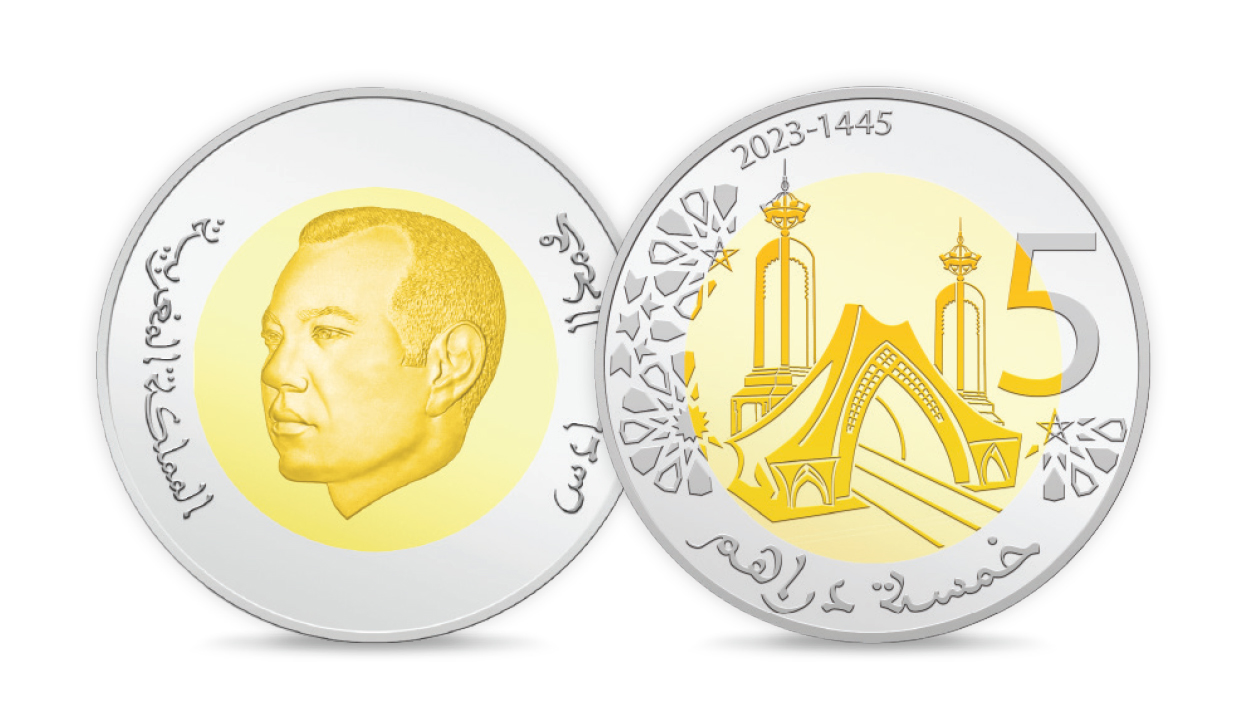
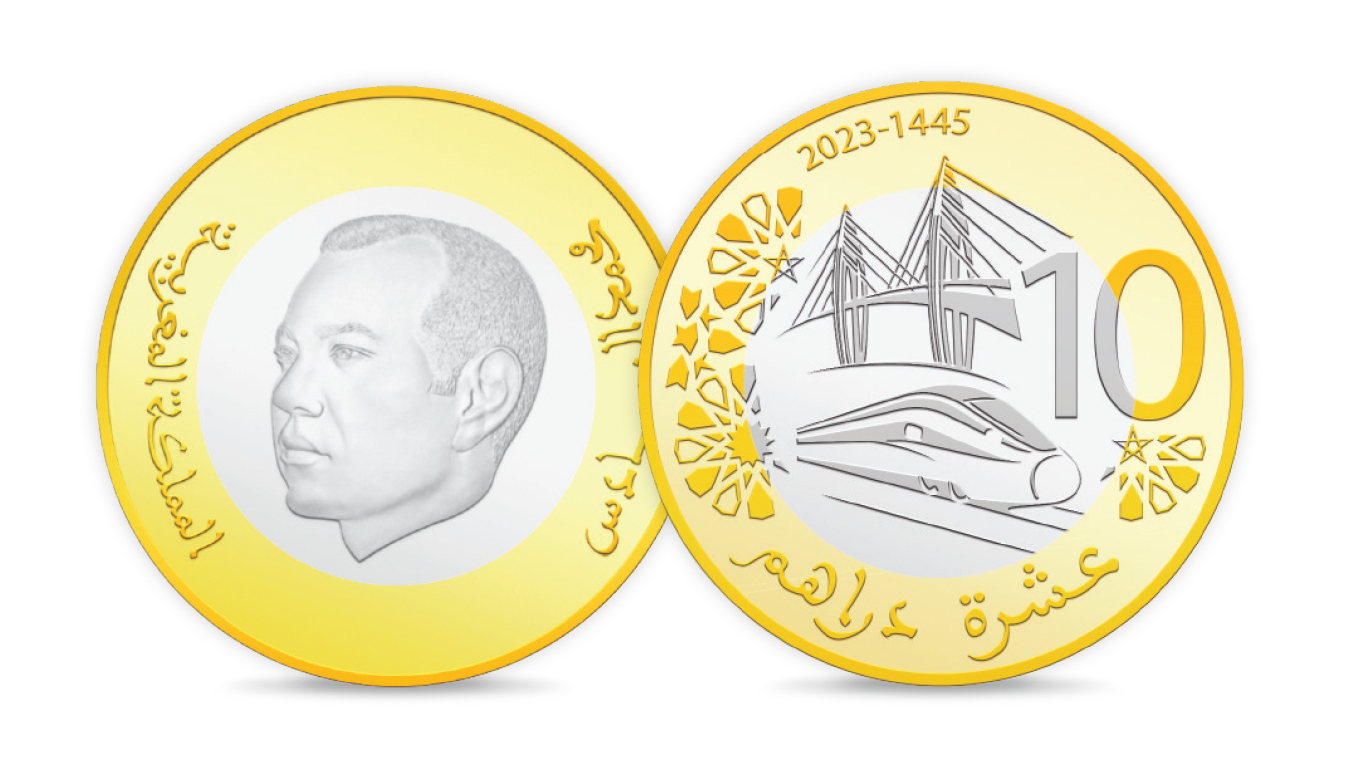
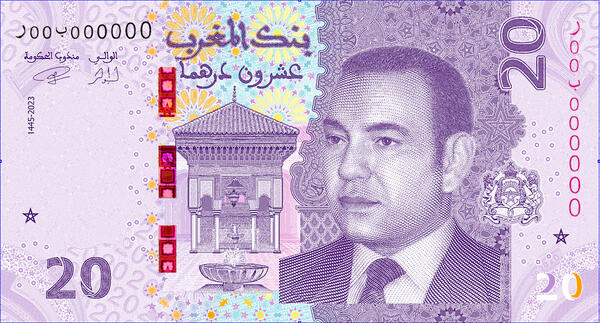
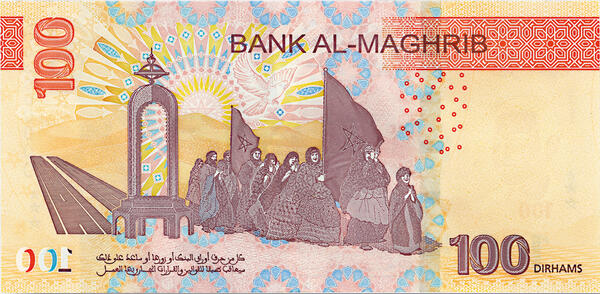
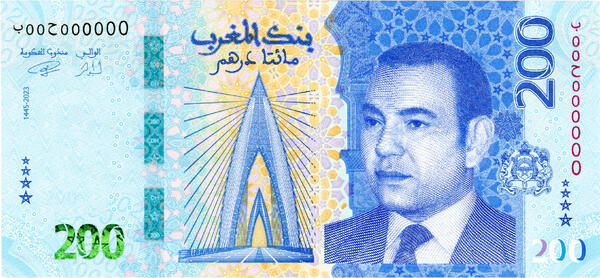
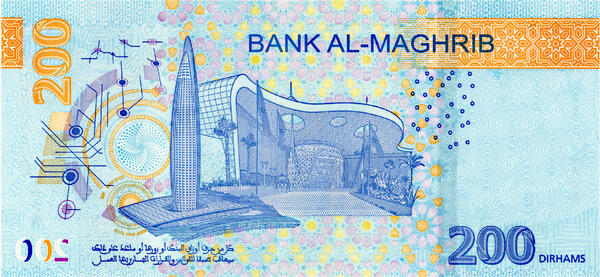
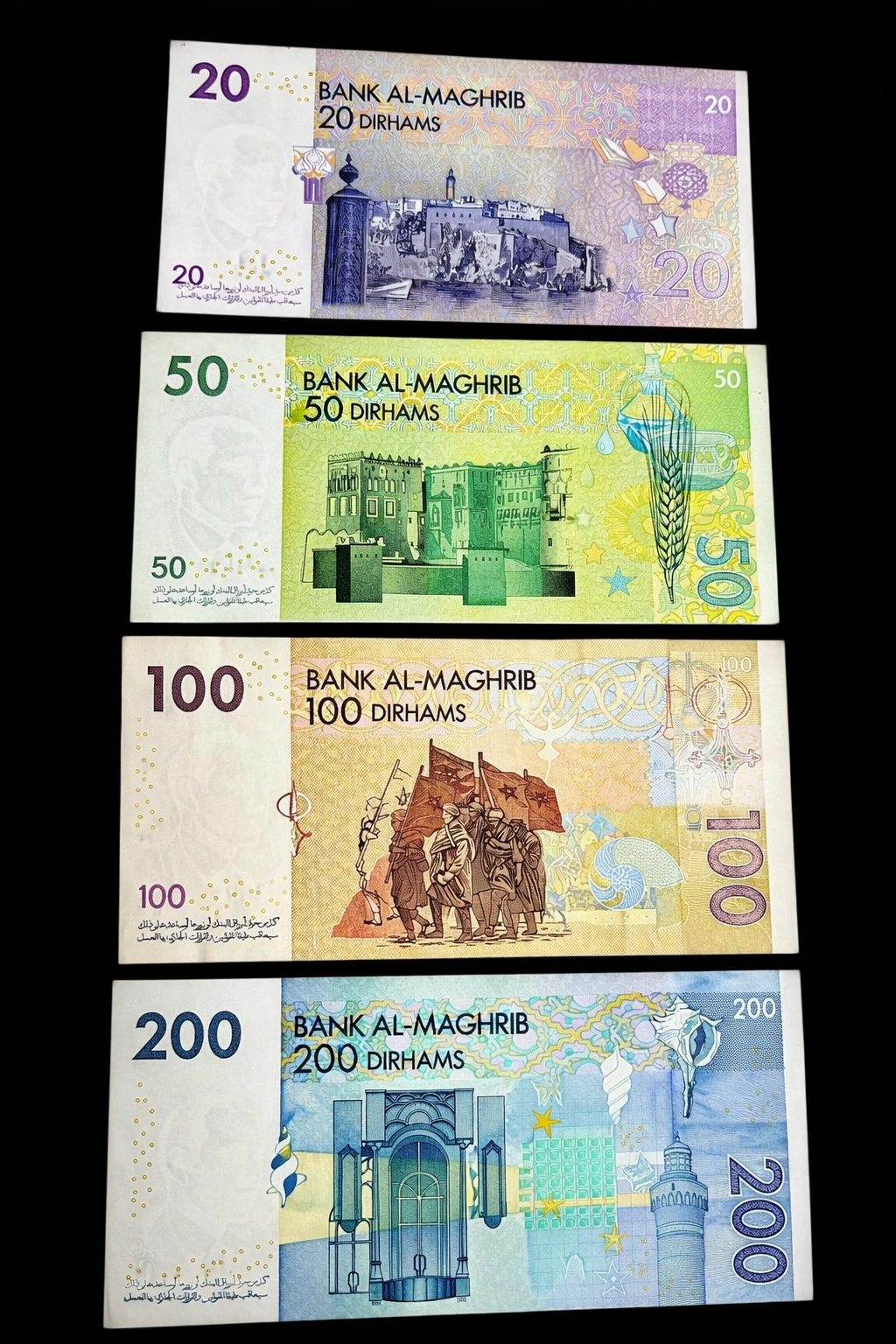
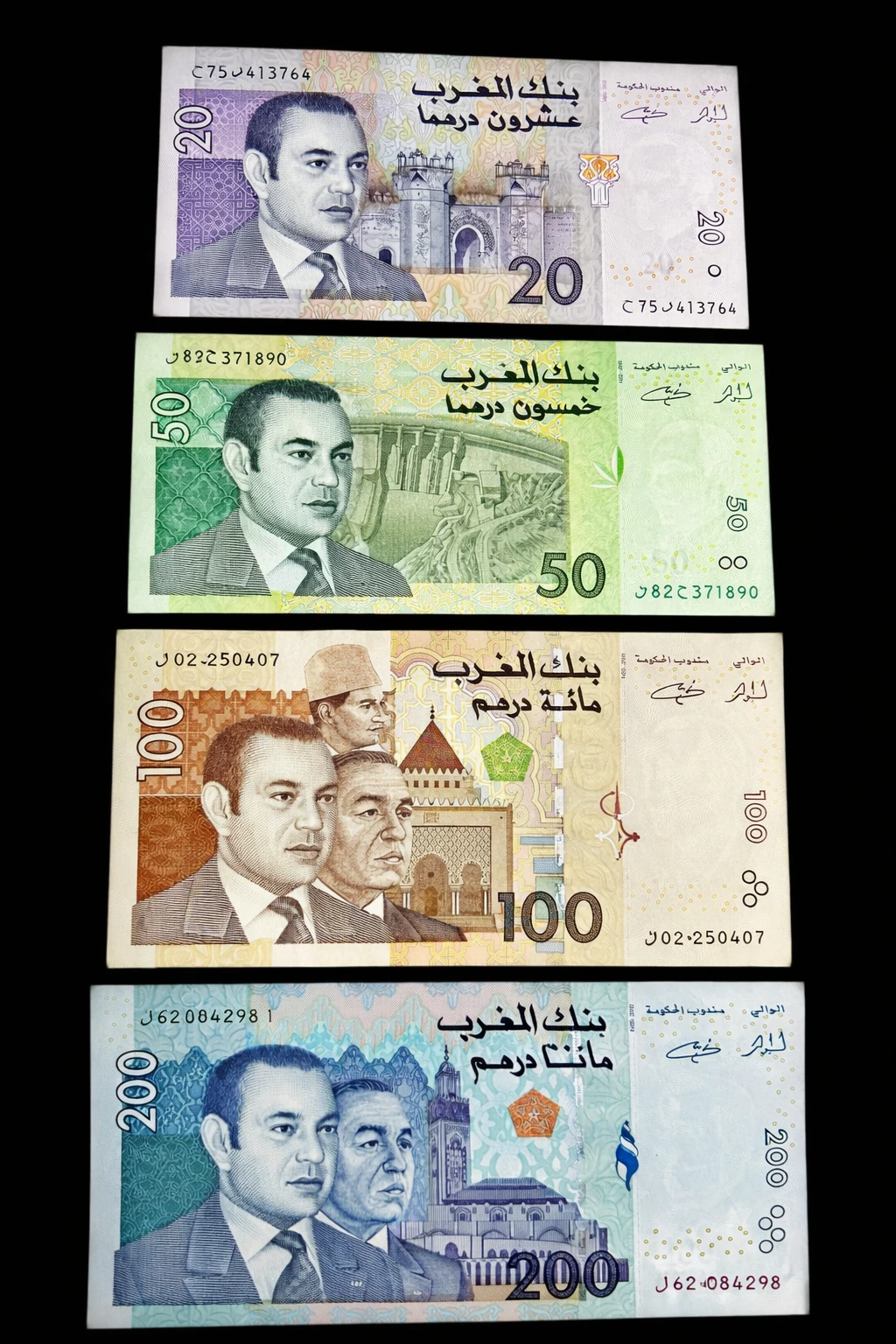
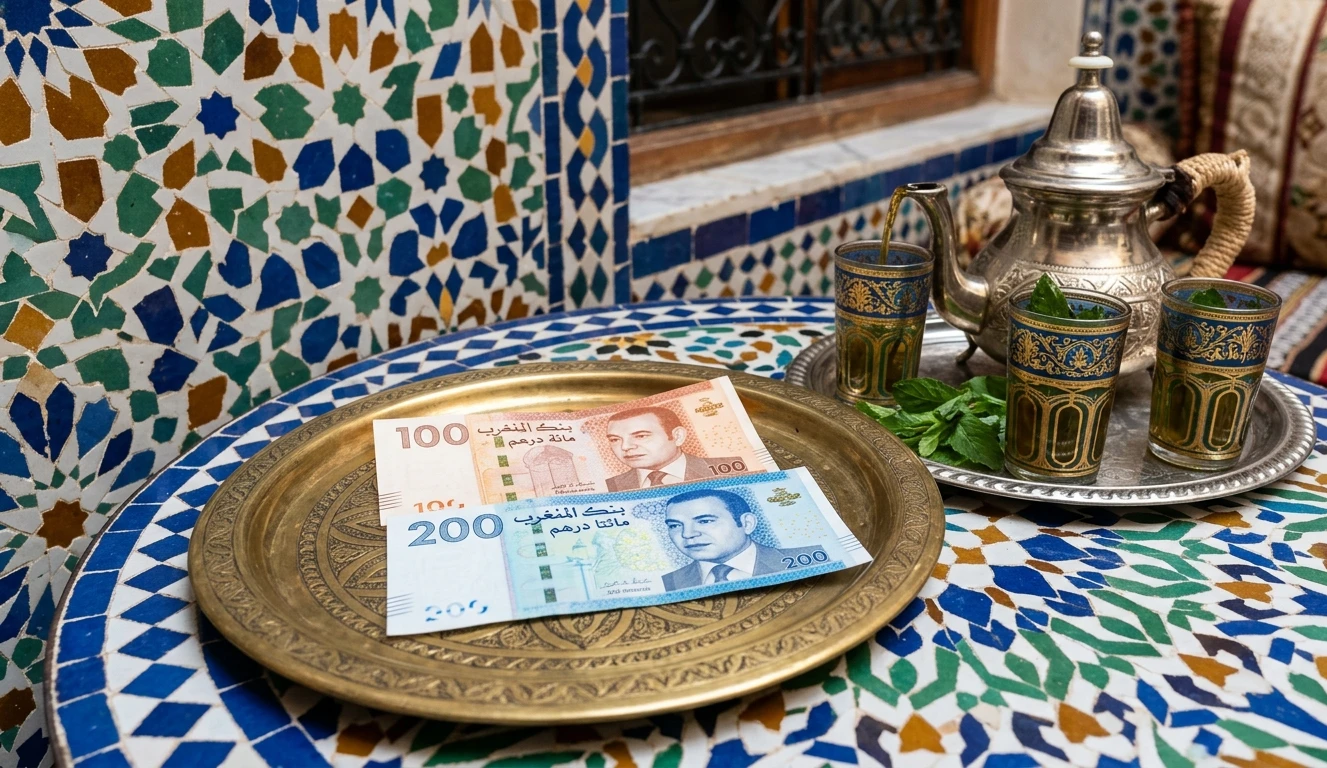
The Moroccan Dirham Series 2023 features beautifully crafted coins and banknotes bearing the portrait of King Mohammed VI and iconic Moroccan cultural symbols. Here’s your visual guide to every denomination in circulation:
🪙 Coins — Centimes & Dirhams
5 Centimes
Bronze-colored, rarely seen in circulation
Coin
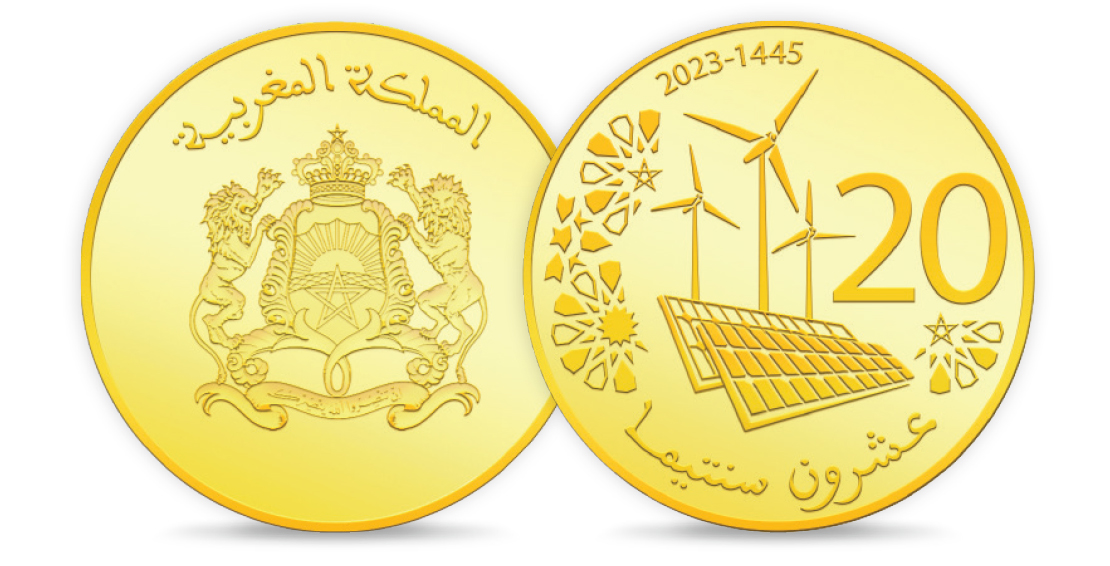
20 Centimes
Bimetallic, used for small change
Coin
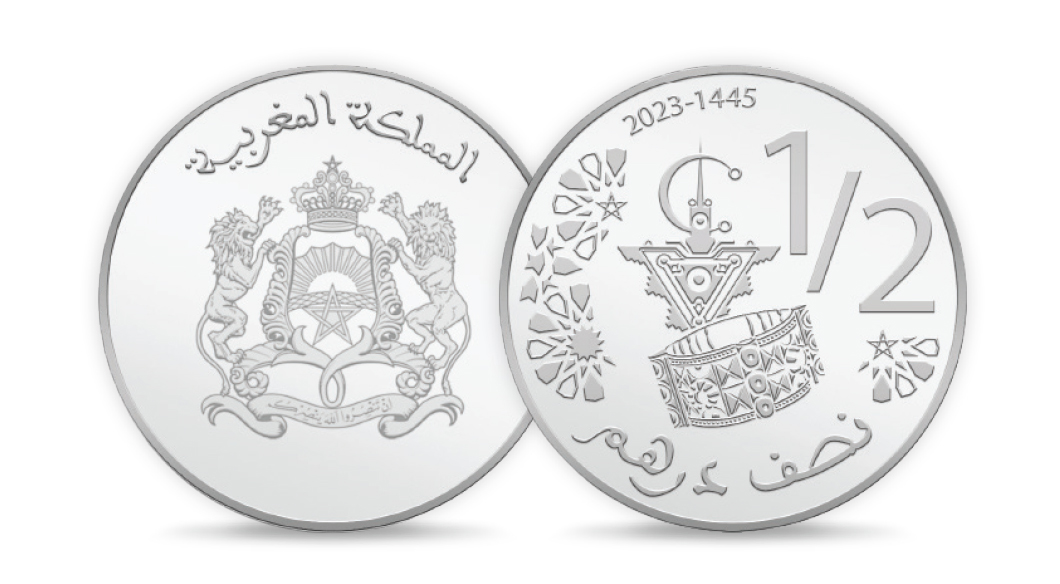
½ Dirham
Silver-toned, handy for small purchases
Coin
1 Dirham
Bimetallic — King Mohammed VI portrait. Essential for daily use
Coin
5 Dirhams
Large bimetallic — very widely used for transport and small purchases
Coin
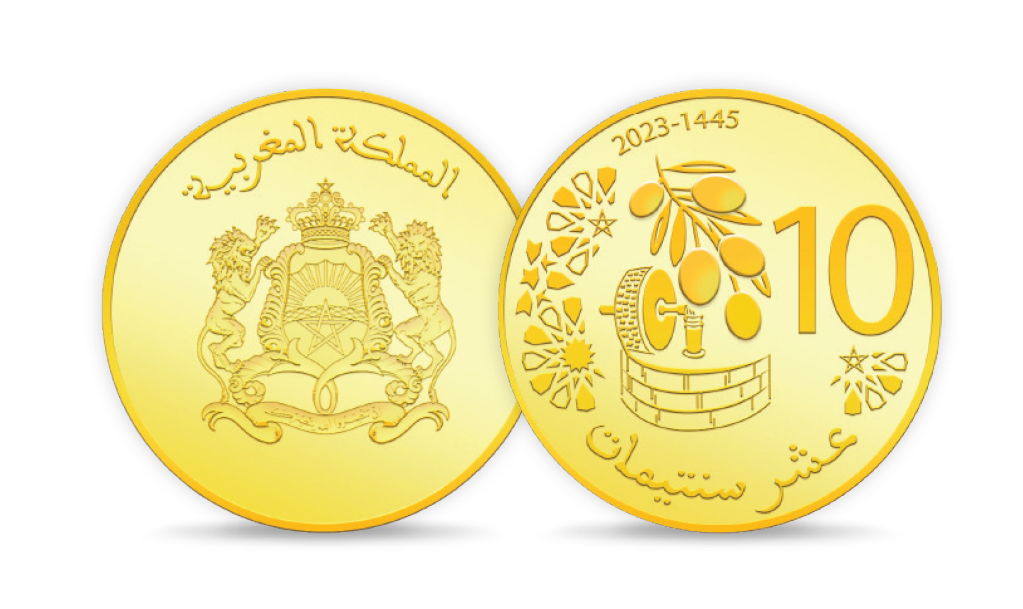
10 Dirhams
Bimetallic — one of the most common coins for everyday transactions
Coin
💵 Banknotes — Click to reveal the reverse
👆 Tap or click any note to flip and see both sides
FRONT ↺
20 Dirhams
Green · Small purchases & cafés
Note
BACK ↺
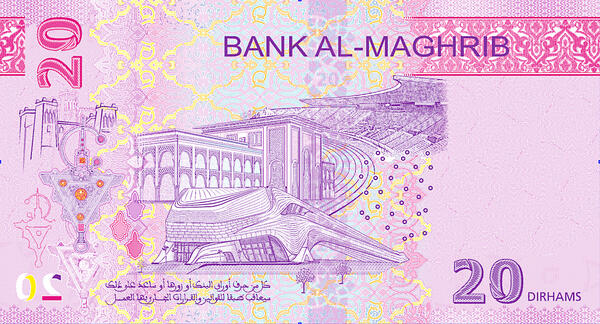
20 Dirhams
Reverse side · Series 2023
Reverse
FRONT ↺
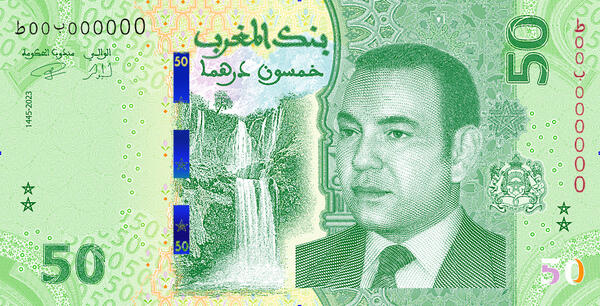
50 Dirhams
Blue-green · Taxis & mid purchases
Note
BACK ↺
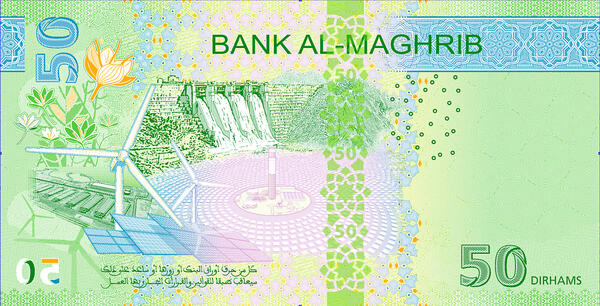
50 Dirhams
Reverse side · Series 2023
Reverse
FRONT ↺
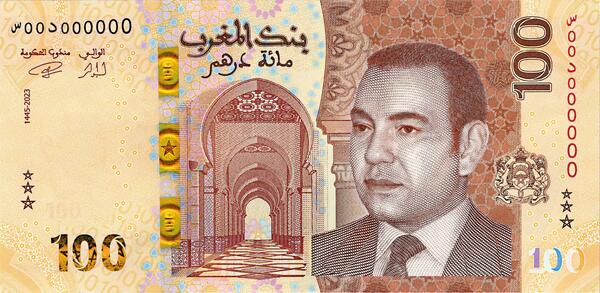
100 Dirhams
Brown-gold · Most common note
Note
BACK ↺
100 Dirhams
Reverse side · Series 2023
Reverse
FRONT ↺
200 Dirhams
Blue-purple · Largest denomination
Note
BACK ↺
200 Dirhams
Reverse side · Series 2023
Reverse
💡 Traveler’s Tip
The 100 MAD note is your best friend in Morocco — widely accepted and easy to break at most shops. Always keep small coins for tips, buses, and medina stalls where vendors often cannot change large bills.
Moroccan Dirham banknotes — front face, Series 2023
Moroccan Dirham banknotes — reverse face, Series 2023
The complete Moroccan Dirham collection — everything you’ll need as a traveler in Morocco.
Live Currency Converter
Morocco Currency Converter
Moroccan Dirham (MAD) ↔ US Dollar (USD) & Euro (EUR)
Fetching live rates…
MAD
USD
Result
USD—
Loading rates…
Quick amounts (MAD)
MAD
EUR
Result
EUR—
Loading rates…
Quick amounts (MAD)
1 MAD =
USD —
US Dollar
1 MAD =
EUR —
Euro
1 USD =
MAD —
Moroccan Dirham
1 EUR =
MAD —
Moroccan Dirham
Rates fetched live from open exchange API · For informational purposes only · Always verify with your bank or exchange bureau before transacting.
Exchanging Money in Morocco
Where and How to Exchange Money in Morocco
Getting your hands on Moroccan Dirhams is straightforward. Knowing the best places to exchange your currency to MAD will save you money and hassle. Here are the main options:
🏦 Banks (Banques)
Moroccan banks offer official exchange rates close to the mid-market rate. They are reliable and secure but can involve queuing and require your passport. Most major banks are open Monday to Friday.
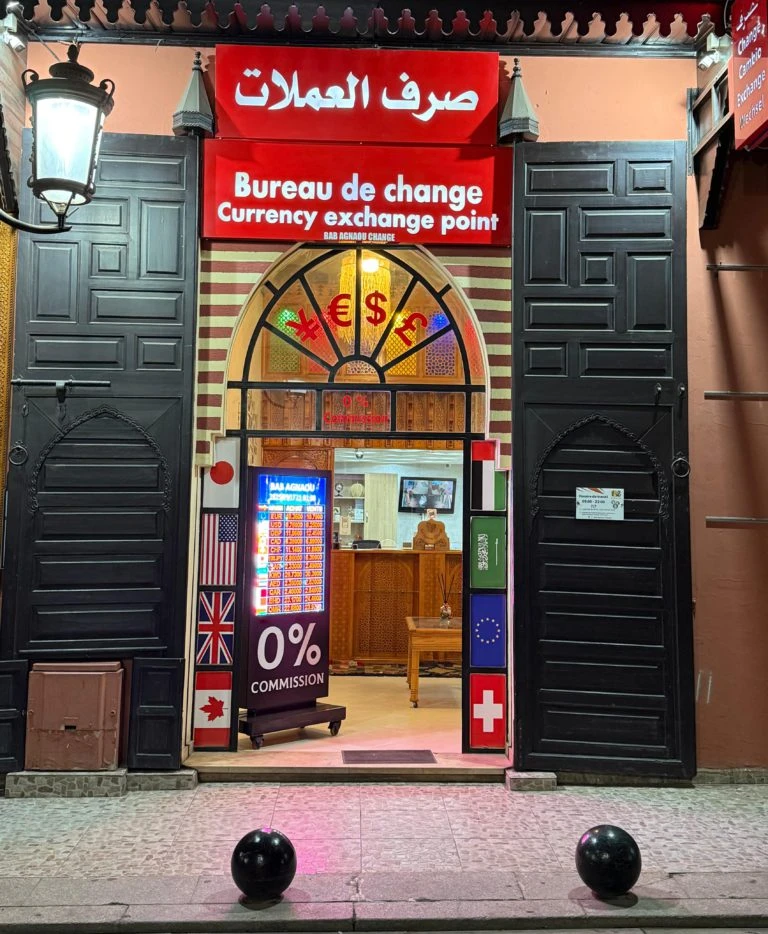
Licensed currency exchange bureaus (bureaux de change) are the most convenient option for tourists. Found in airports, medinas, city centers, and near major hotels, they offer competitive rates and faster service than banks. Always check that the bureau is officially licensed — look for the Bank Al-Maghrib certification displayed at the counter.
A licensed Bureau de Change in Marrakech — always check for the official Bank Al-Maghrib certification before exchanging your money.
🏧 ATMs (Guichets Automatiques)
Withdrawing dirhams directly from ATMs using your international debit or credit card is the most practical method for many travelers. ATMs are widely available in cities and tourist areas. Note that your home bank may charge foreign transaction fees, so check before you travel. Withdraw larger amounts less frequently to minimize fees.
⚠️ Important
Never exchange money with unofficial street traders, regardless of the rates they offer. This is illegal and you risk receiving counterfeit notes or being short-changed. Morocco’s regulated exchange network is both efficient and accessible.
✈️ Airport Exchange
Mohammed V International Airport (Casablanca), Marrakech Menara, and other major airports all have exchange counters and ATMs available both before and after passport control. Airport rates are generally slightly worse than city bureaux de change, but they are convenient for getting initial cash upon arrival.
🧭
Réf. 2898
Plan Your Morocco Trip with a Licensed Guide
Have questions about money, travel tips, or planning a tour? Chat directly with a licensed guide certified by the Moroccan Ministry of Tourism — no bots, no agencies, just personal expert advice. Ministry of Tourism License · Réf. 2898 | +212 671 437 971
Using Money in Morocco: Practical Travel Tips for 2026
💶
Euros Are Widely Accepted
Many hotels, riads, and tourist shops accept Euros — but usually at a less favorable rate than the official MAD exchange. Dirham is always the best option for everyday spending.
💳
Card Payments
Visa and Mastercard are accepted in larger hotels, restaurants, and modern shops. However, smaller vendors, souks, and taxis almost always prefer cash in dirhams.
🛒
Bargaining Culture
In Moroccan souks, bargaining is expected and part of the culture. Having exact change in dirhams gives you a clear negotiating advantage and avoids disputes.
🧾
Keep Exchange Receipts
Hold onto your currency exchange receipts. You may need them when converting leftover dirhams back to your home currency before departing Morocco.
🔄
Convert Back Before Leaving
Since the Moroccan Dirham is a restricted currency, it is very difficult to exchange outside Morocco. Convert remaining dirhams at the airport before your departure.
🏪
Small Change Is Gold
Always keep small coins and 10–20 MAD notes handy. Bus fares, tips for guides, hammam attendants, and market vendors will appreciate exact change.
What Can You Buy?
How Far Does Your Money Go? Morocco Price Guide
Morocco is one of the most affordable destinations in North Africa and the Mediterranean. Here’s a quick reference to typical prices in Moroccan Dirham to help you budget your trip:
The most commonly asked questions about Morocco’s currency, the Moroccan Dirham, and money matters for travelers:
Dirhams are always the better option for day-to-day spending in Morocco. While Euros are accepted at many tourist-facing establishments (hotels, larger restaurants, souvenir shops), the conversion rates applied by vendors are almost always less favorable than the official bank rate. You’ll stretch your money significantly further by exchanging Euros for MAD at an official bureau de change or ATM. That said, carrying a small amount of Euros is useful as a backup, particularly when you first arrive.
US Dollars are not widely accepted as payment in Morocco, except in a handful of very upscale hotels and tourist-oriented businesses. USD can easily be exchanged for Moroccan Dirhams at banks, bureaux de change, and airport exchange counters. US travelers should plan to exchange their dollars into MAD upon arrival. ATMs are the most convenient option if your US bank card is internationally enabled (Visa/Mastercard).
At current exchange rates, 100 Moroccan Dirhams (MAD) is roughly equivalent to $9.50–$10.50 USD or €8.80–€9.70 EUR (rates vary daily — use the converter above for the latest figure). In purchasing power terms, 100 MAD in Morocco can cover a filling meal at a local restaurant, a short taxi ride, several coffees, or entry to most museums.
Yes — all major Moroccan international airports (Casablanca, Marrakech, Fes, Agadir, Tangier, etc.) have licensed exchange bureaux and ATMs available both before and after passport control. Airport rates are generally slightly less competitive than city bureaux de change, but they are reliable and convenient. Exchange enough to cover transport and your first day’s needs, then find better rates in the city center.
The Moroccan Dirham operates under a managed float exchange rate regime — a crawling peg or band system. Bank Al-Maghrib pegs the MAD to a basket of two currencies: the Euro (EUR) at approximately 60% weight and the US Dollar (USD) at approximately 40% weight. This keeps the dirham relatively stable and predictable, which is reassuring for travelers. Morocco has been progressively widening the exchange rate band since 2018.
The ideal strategy is both. Cards (Visa/Mastercard) are accepted in hotels, modern restaurants, supermarkets, and large stores. However, cash remains essential in Morocco — particularly in medinas, souks, local cafes, taxis, and for tipping. We recommend keeping 200–500 MAD in cash for daily use and always notifying your bank of travel plans to avoid card blocks.
The Moroccan Dirham is a restricted currency — it is illegal to export more than 1,000 MAD out of Morocco. Additionally, dirhams are extremely difficult to exchange outside Morocco. Always convert your remaining dirhams back to your home currency before leaving Morocco — airport exchange counters handle this easily (keep your original exchange receipts).
Budget travelers in Morocco can get by comfortably on 300–500 MAD per day (roughly $30–$50 USD), covering accommodation in a guesthouse, meals, transport, and entrance fees. Mid-range travelers spending 600–1,200 MAD/day can enjoy comfortable riads, restaurant meals, and guided experiences. It’s better to withdraw dirhams from ATMs as needed rather than carrying large sums.
Tipping is customary and appreciated in Morocco. Always tip in Moroccan Dirhams. Typical amounts: restaurant servers (10–15% of bill), hotel porters (10–20 MAD per bag), hammam attendants (20–50 MAD), tour guides (50–100 MAD per half day), taxi drivers (round up the fare). Having small coins and low-denomination notes readily available makes tipping seamless.
Ready to Explore Morocco?
The Moroccan Dirham is your key to unlocking everything Morocco has to offer — from vibrant souks and spice markets to ancient kasbahs and breathtaking desert landscapes. With a stable exchange rate and an affordable cost of living, managing your money in Morocco is simpler than you think.
Want a fully tailored Morocco experience? Book a private guided tour with our licensed, Ministry-certified local guide and explore Morocco the right way.