Is Marrakech Expensive for Tourists? A Honest Cost Breakdown (2025–2026)
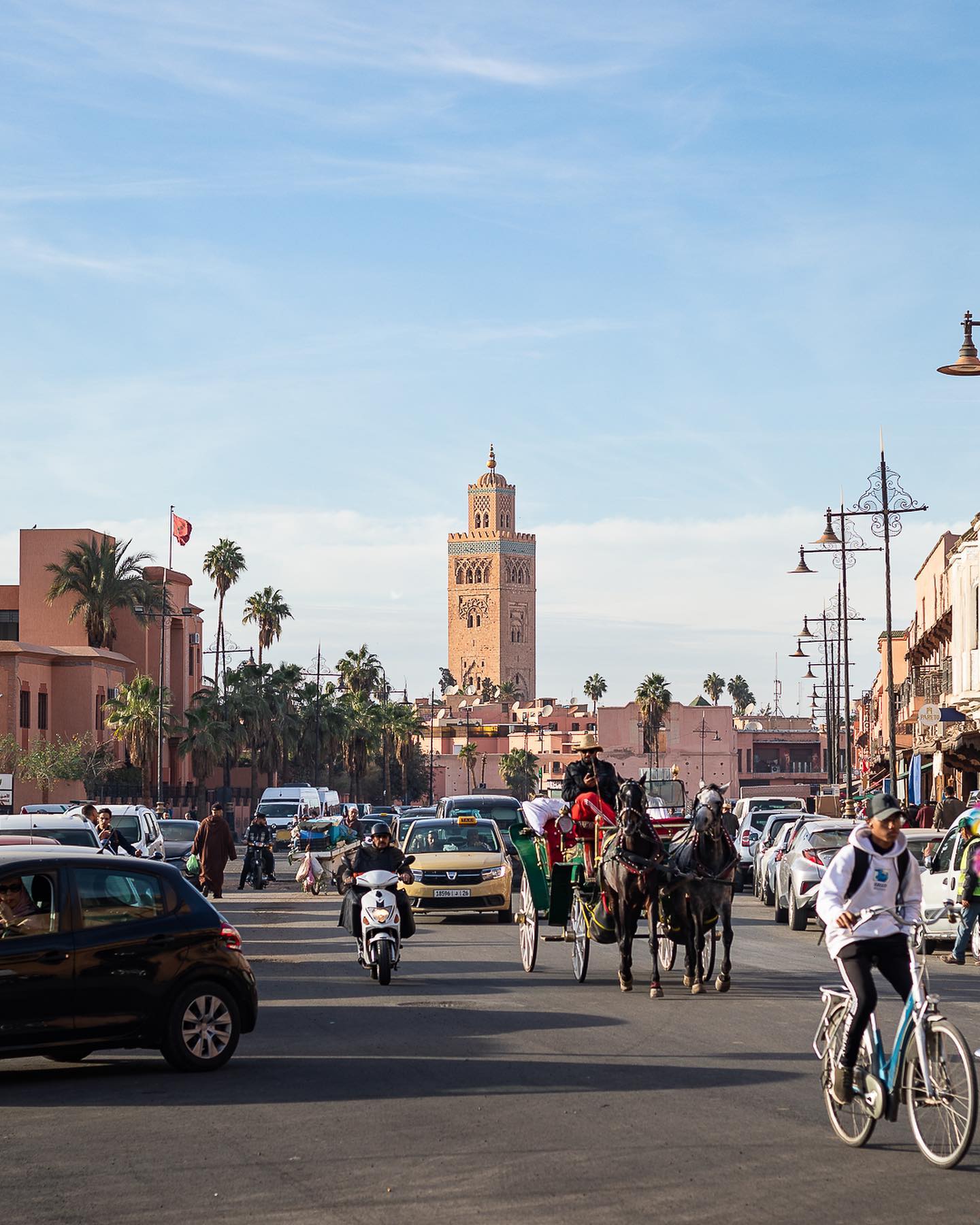
Short answer: Marrakech is one of the most affordable destinations in the Mediterranean world — but only if you know how to navigate it. The city has a way of looking expensive at first glance: luxurious riads, ornate hammams, spice-scented souks selling everything from hand-woven carpets to saffron by the gram. Yet beneath that polished surface lies a destination where a full day of sightseeing, authentic meals, and comfortable accommodation can cost less than a single restaurant bill in Paris or London.
That said, Marrakech is not immune to tourist pricing. Some riads, restaurants near Jemaa el-Fna, and guided tours are marketed at premium rates aimed squarely at international visitors. This guide cuts through the noise and gives you real, up-to-date figures for every spending category — so you can plan a trip that matches your budget, whatever that budget may be.
Marrakech Travel Costs at a Glance
ContentsBefore diving into the details, here’s a snapshot of what a day in Marrakech realistically costs, broken down by travel style. All prices are in US dollars (USD) for easy reference, with approximate Moroccan Dirham (MAD) equivalents.
Compare those figures to cities like Rome, Barcelona, or Istanbul, and Marrakech comes out significantly cheaper — particularly in the budget and mid-range brackets. The city is genuinely accessible for backpackers and solo travellers, while still offering world-class luxury experiences for those who want them.
Accommodation: Riads, Hotels & Hostels
ContentsWhere you sleep in Marrakech sets the tone for the entire trip. The city is famous for its riads — traditional Moroccan houses centred around an inner courtyard, often converted into charming guesthouses. Prices vary wildly depending on location, season, and how Instagram-ready the rooftop terrace looks.
| Accommodation Type | Price per Night (USD) | Price per Night (MAD) |
|---|---|---|
| Budget hostel (dorm) | $8 – $15 | 80 – 150 MAD |
| Budget guesthouse (private room) | $20 – $40 | 200 – 400 MAD |
| Mid-range riad (double room) | $55 – $110 | 550 – 1,100 MAD |
| Boutique riad (superior) | $120 – $220 | 1,200 – 2,200 MAD |
| Luxury hotel / 5-star riad | $250 – $800+ | 2,500 – 8,000+ MAD |
💡 Pro tip: Riads in the medina often cost less than equivalent quality in the Hivernage or Guéliz neighbourhoods — and staying inside the medina walls puts you within walking distance of nearly everything worth seeing.
Prices spike during peak periods: Christmas, New Year, and spring (March–April) see the highest nightly rates. Booking three to four weeks in advance usually secures the best combination of price and availability. Many riads include a traditional Moroccan breakfast — mint tea, msemen flatbread, honey, and amlou — which can save you $8–12 per person per day.
Food & Drinks: What to Expect
ContentsFood is arguably where Marrakech shines brightest in the value department. Eat where locals eat — and there’s no shortage of excellent options — and you’ll spend surprisingly little for deeply satisfying Moroccan cuisine.
| Meal Type | Cost per Person (USD) |
|---|---|
| Street food snack (msemen, chebakia, harira) | $0.50 – $1.50 |
| Local café lunch (tajine + bread + tea) | $4 – $7 |
| Mid-range restaurant dinner | $12 – $22 |
| Upscale Moroccan restaurant | $30 – $55 |
| Tourist restaurant, Jemaa el-Fna square | $15 – $30 |
| Fresh orange juice (famous in Marrakech) | $0.40 – $0.80 |
| Mint tea in a traditional café | $0.60 – $1.50 |

One important distinction: the food stalls and restaurants surrounding Jemaa el-Fna square tend to charge two to three times more than venues just a few streets deeper into the medina. Touts will beckon you with laminated menus in six languages — the experience can be fun, but the food quality rarely justifies the premium. Venture five minutes away and the value improves dramatically.
Morocco is a predominantly Muslim country, so alcohol is not universally available. Some mid-range and upscale restaurants have a wine licence; expect a bottle of decent Moroccan wine to cost $18–35. Beer in a licenced venue runs $3–6. If you don’t drink alcohol, you’ll save considerably compared to destinations in southern Europe.
Getting Around: Transport Costs
ContentsThe medina of Marrakech is largely pedestrianised, which means most of your sightseeing is done on foot — effectively free. For longer distances or airport transfers, you have several options, each with a very different price tag.
| Transport Option | Typical Cost (USD) | Notes |
|---|---|---|
| Petit taxi (short ride in city) | $1.20 – $3 | Meter should be used; negotiate if not |
| Petit taxi (airport to medina) | $7 – $12 | Fixed rate, always agree before boarding |
| Grand taxi (shared, intercity) | $3 – $8 | Cost per seat in shared vehicle |
| Calèche (horse-drawn carriage) | $10 – $20/hour | Fixed-rate circuits; negotiate firmly |
| Careem / Bolt (ride-hailing apps) | $2 – $6 | Transparent pricing, no haggling |
| Bicycle rental (per day) | $5 – $10 | Good for Palmeraie & outskirts |
📱 To avoid overpaying for taxis, use the Marrakech Taxi Fare Calculator before you get into a cab — it gives you an accurate estimate of what a route should cost so you can negotiate from an informed position.
A note on safety when using taxis: Marrakech’s petit taxis are required to use meters, but drivers sometimes “forget” to switch them on, especially for tourists. Politely insisting on the meter, or agreeing on a price before you depart, will save both confusion and unnecessary expense. For more on navigating Marrakech safely, see our guide on Is Marrakech safe for tourists.
Activities, Attractions & Day Trips
ContentsBetween ancient palaces, world-class gardens, and the sensory spectacle of the medina itself, there’s no shortage of things to do in Marrakech. Entrance fees to most attractions remain very reasonable by international standards.
| Attraction | Entry Fee (USD) | Entry Fee (MAD) |
|---|---|---|
| Bahia Palace | $1.50 | ~15 MAD |
| Saadian Tombs | $1.50 | ~15 MAD |
| El Badi Palace ruins | $2 | ~20 MAD |
| Majorelle Garden (Yves Saint Laurent) | ~$12 | ~120 MAD |
| Museum of Marrakech | ~$5 | ~50 MAD |
| Medersa Ben Youssef | ~$3 | ~30 MAD |
| Traditional hammam (local) | $2 – $5 | 20 – 50 MAD |
| Luxury hammam & spa experience | $40 – $120 | 400 – 1,200 MAD |
| Day trip to Essaouira (shared transport) | $10 – $18 | 100 – 180 MAD |
| Ourika Valley guided excursion | $25 – $55 | 250 – 550 MAD |
Jemaa el-Fna square — arguably the heart of Marrakech — is free to wander at any time of day or night. The entertainment is spontaneous: snake charmers, Gnawa musicians, acrobats, and storytellers. Just be aware that performers may expect a small tip (5–10 MAD) if you photograph them or stop to watch.
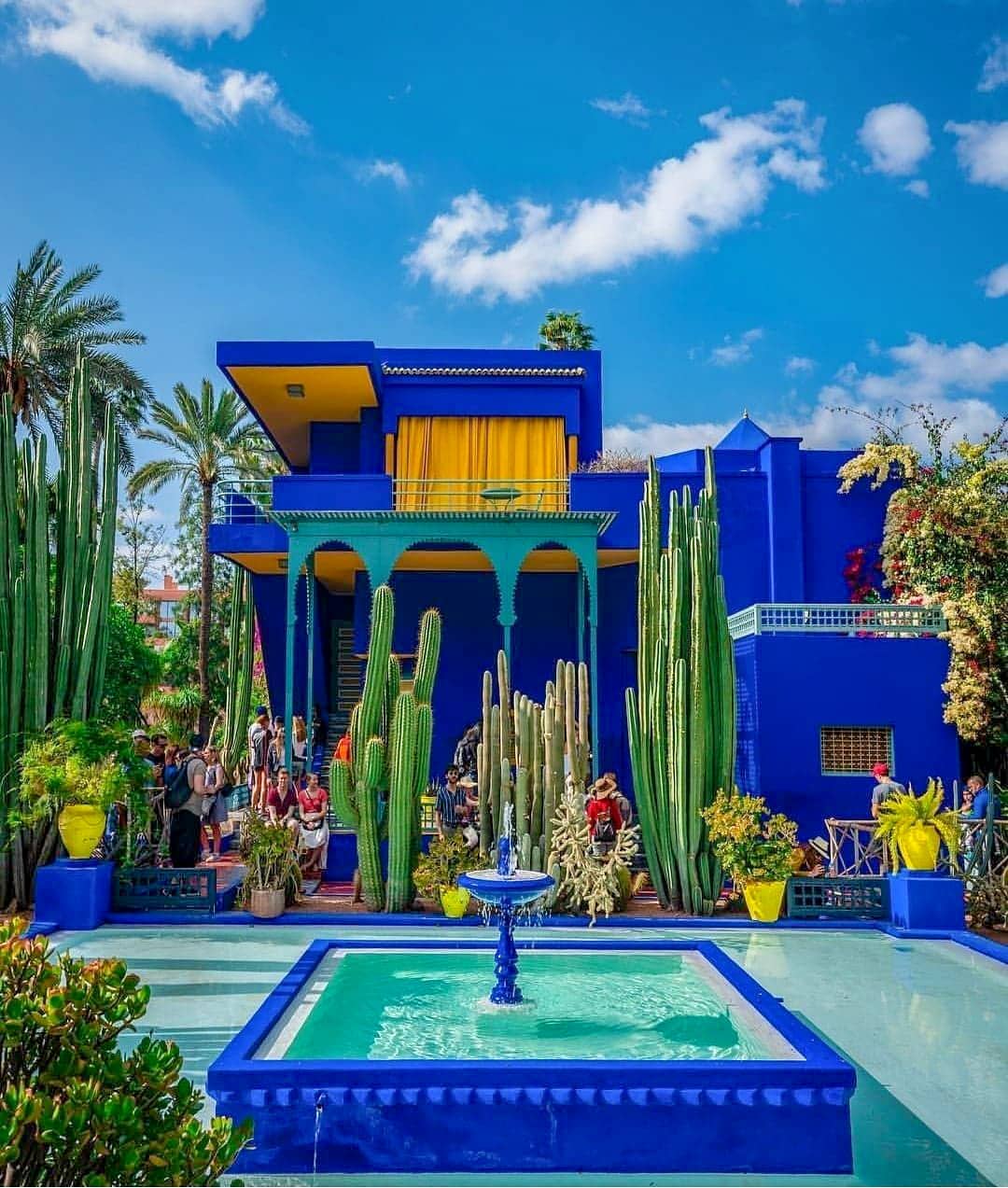
Entry tickets to Majorelle Garden can be reserved through their official website. You also have the option to book a private guided journey to Majorelle Garden with a licensed tour guide.
Shopping & Souvenirs: The Art of Haggling
ContentsThe souks of Marrakech are a sensory overload in the best possible way. Leather goods, handwoven textiles, ceramics, argan oil, slippers (babouches), lanterns, and spices fill every alley. The pricing system operates on a simple principle: the first quoted price is never the real price.
Haggling is expected and respected. A fair starting counter-offer is typically 40–60% of the initial asking price, with the final agreement usually landing somewhere in the middle. Vendors rarely take offence at negotiation — it’s a cultural ritual, not a confrontation. Walking away calmly is often the most effective bargaining tool you have.
| Item | Tourist Price (USD) | Fair Price After Negotiation |
|---|---|---|
| Leather babouches (slippers) | $20 – $35 | $8 – $14 |
| Small ceramic tagine (decorative) | $15 – $25 | $6 – $10 |
| Argan oil (100ml, cosmetic grade) | $18 – $30 | $10 – $16 |
| Hand-woven carpet (medium) | $150 – $400 | $60 – $180 |
| Silver Berber jewellery (bracelet) | $20 – $40 | $8 – $18 |
| Mixed spice bag (ras el hanout) | $5 – $12 | $2 – $5 |
⚠️ Watch out for “free” argan oil cooperatives. Some guides direct tourists to shops offering “free” demonstrations of argan oil production. The tour is genuine, but the subsequent sales pressure can be intense and prices significantly inflated. If you want to buy argan oil, do so in the souks after negotiating, or purchase from a certified women’s cooperative.
Money-Saving Tips for Marrakech
ContentsThe difference between an expensive trip to Marrakech and an affordable one comes down almost entirely to habits and information. Here’s what seasoned travellers consistently recommend:
Airport and medina exchange offices offer inferior rates. Withdraw MAD directly from ATMs using a low-fee travel card for the best conversion.
A five-minute walk from Jemaa el-Fna cuts food prices by half. Follow locals — if no tourists are eating there, the price is probably honest.
Almost every major site in the old city is walkable. Download an offline map — getting “lost” in the souks is part of the experience, not a disaster.
November, January, and early February offer calm weather, fewer crowds, and accommodation prices 20–40% lower than peak periods.
A riad breakfast (tea, bread, honey, eggs) saves $8–12 per person per day and is often more satisfying than anything you’d buy nearby.
An official guide eliminates “friendly stranger” scams, gets you better prices in the souks, and unlocks insider knowledge unavailable in any guidebook.
Best Time to Visit for Value
ContentsMarrakech is a year-round destination, but when you visit directly affects what you pay. Understanding the seasonal pricing rhythm helps you get significantly more for your money without sacrificing experience.
The peak season runs from March to May and October to November — excellent weather, vibrant atmosphere, but the highest prices. Summer (June–August) is scorching hot with temperatures routinely exceeding 38°C, which drives prices down as visitor numbers drop. December and January bring cool evenings and a quieter medina — ideal for those who prefer an unhurried pace at lower costs.
For a deeper look at seasonal weather patterns, crowd levels, and festival timing, our detailed guide on the best time to visit Marrakech walks you through every month of the year with practical recommendations.
Book a Licensed Local Guide
ContentsOne of the smartest investments you can make in Marrakech — particularly if it’s your first visit — is hiring a certified, Ministry-licensed guide. An official guide navigates the medina’s labyrinthine alleys with ease, helps you negotiate fair prices in the souks, and protects you from the unsolicited “helpful strangers” who earn commissions by steering tourists into overpriced shops. The cost of a half-day guided tour is typically recovered within the first hour of avoided tourist pricing.

Mouhssine is a certified guide licensed by the Moroccan Ministry of Tourism with extensive experience in the medina, souks, and surrounding regions. He offers personalised tours adapted to your budget, pace, and interests — from half-day medina walks to full-day excursions into the Atlas Mountains.
Chat on WhatsAppIs Marrakech Expensive for Tourists?
In short: no — not compared to most European or North American destinations, and not compared to what you get in return. Marrakech offers a density of culture, history, and flavour that is genuinely difficult to match anywhere in the world, at a fraction of the cost of comparable experiences further north.
Where the city can become expensive is in tourist traps: restaurants ringing Jemaa el-Fna square, unlicensed “guides” steering you into commission-heavy shops, and accommodation booked through platforms without reading the details carefully. Avoid those pitfalls and Marrakech rewards you with extraordinary value.
Whether you’re travelling on €40 a day or planning a high-end riad retreat, the city has a version of itself that fits your budget — and the local hospitality tends to make every dirham feel well spent.