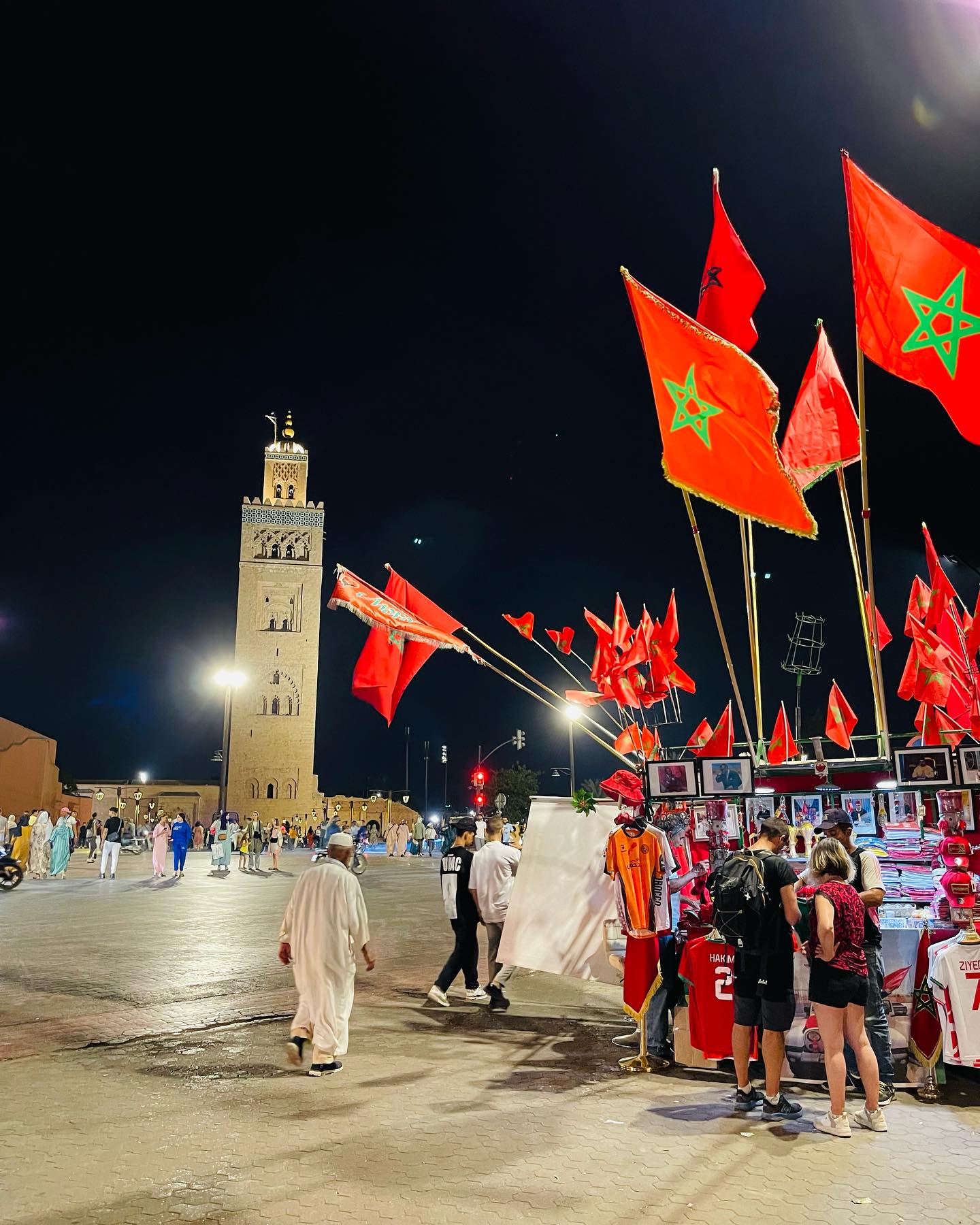
Is Morocco Safe for Americans? An Honest 2026 Guide
The short answer is yes — Morocco is generally safe for Americans. Millions of U.S. tourists visit the Kingdom every year and return home with nothing but stunning photos and unforgettable memories. Morocco welcomed a record 17.4 million international visitors in 2024, a figure that continues to climb in 2026. That said, like any destination, understanding the local context, the petty risks, and the cultural norms makes the difference between a smooth trip and an avoidable headache. This guide covers everything you need to know for your 2026 visit.
Morocco’s Safety Landscape for American Travelers in 2026
Morocco is one of the most visited countries in Africa and consistently ranks among the top destinations in the Arab world for Western tourists. The U.S. Department of State currently classifies Morocco as a Level 1: Exercise Normal Precautions country — the same advisory level as France, Japan, and the United Kingdom. That classification speaks volumes.
The Moroccan government continues to invest heavily in tourism security. You’ll find tourist police (Brigade Touristique) stationed in all major medinas, and Morocco has not experienced a major terrorist attack targeting tourists in over a decade. Following the 2023 earthquake, the country completed an extensive rebuilding programme in the affected Atlas regions, with the High Atlas and Marrakech province now fully open to visitors. The political situation remains stable under King Mohammed VI, and U.S.–Moroccan diplomatic relations are at an all-time high — the two countries share the longest continuous diplomatic relationship of any U.S.–African nation pair, dating back to 1777.
Pro Tip: Register your trip with the U.S. Embassy in Rabat through the Smart Traveler Enrollment Program (STEP) before you fly. It’s free, takes five minutes, and ensures you receive real-time safety alerts and consular support if needed.
Common Safety Concerns — And the Reality Behind Them
Americans often arrive with preconceived ideas about Morocco shaped by movies, news cycles, or outdated travel blogs. Here’s a grounded look at the actual risk categories:
Petty Theft & Pickpocketing
The most common concern. Medinas are crowded and attract opportunistic thieves. Keep bags in front, use a money belt, and avoid displaying expensive electronics in busy souks.
Scams & Hustlers
Unsolicited “guides,” false directions, and commission-based shop pressure are real but manageable. A confident “no thank you” goes a long way. Hire certified guides through your riad or hotel.
Road Safety
Traffic in Moroccan cities can be chaotic by U.S. standards. Motorcycles weave between lanes and pedestrian crossings are often ignored. Drive defensively and avoid rural roads at night.
Health & Water
Tap water is generally not recommended for visitors. Stick to bottled water, avoid raw vegetables washed with tap water at budget establishments, and ensure routine vaccinations are up to date.
Cultural Misunderstandings
Morocco is a Muslim-majority country. Public displays of affection, immodest dress in religious areas, and disrespecting Ramadan customs can attract unwanted attention.
Border Zones
The Western Sahara region and areas near the Algerian border carry higher caution advisories. Most tourist itineraries don’t involve these zones, but worth knowing if planning desert adventures.
Is Morocco Safe for Solo American Travelers?
Solo travel in Morocco is absolutely viable — hundreds of thousands of solo Americans do it annually. The experience varies significantly based on gender and level of preparation.
Generally face low risk. The main nuisances are vendor pressure in souks and occasional overpricing. Staying in well-reviewed riads, using apps like Bolt or inDrive for transport, and keeping valuables secured makes for a smooth experience.
Morocco requires more vigilance for women traveling alone. Verbal harassment in medinas is not uncommon. Dressing modestly, projecting confidence, and choosing accommodations with strong reviews from solo female travelers makes a significant difference.
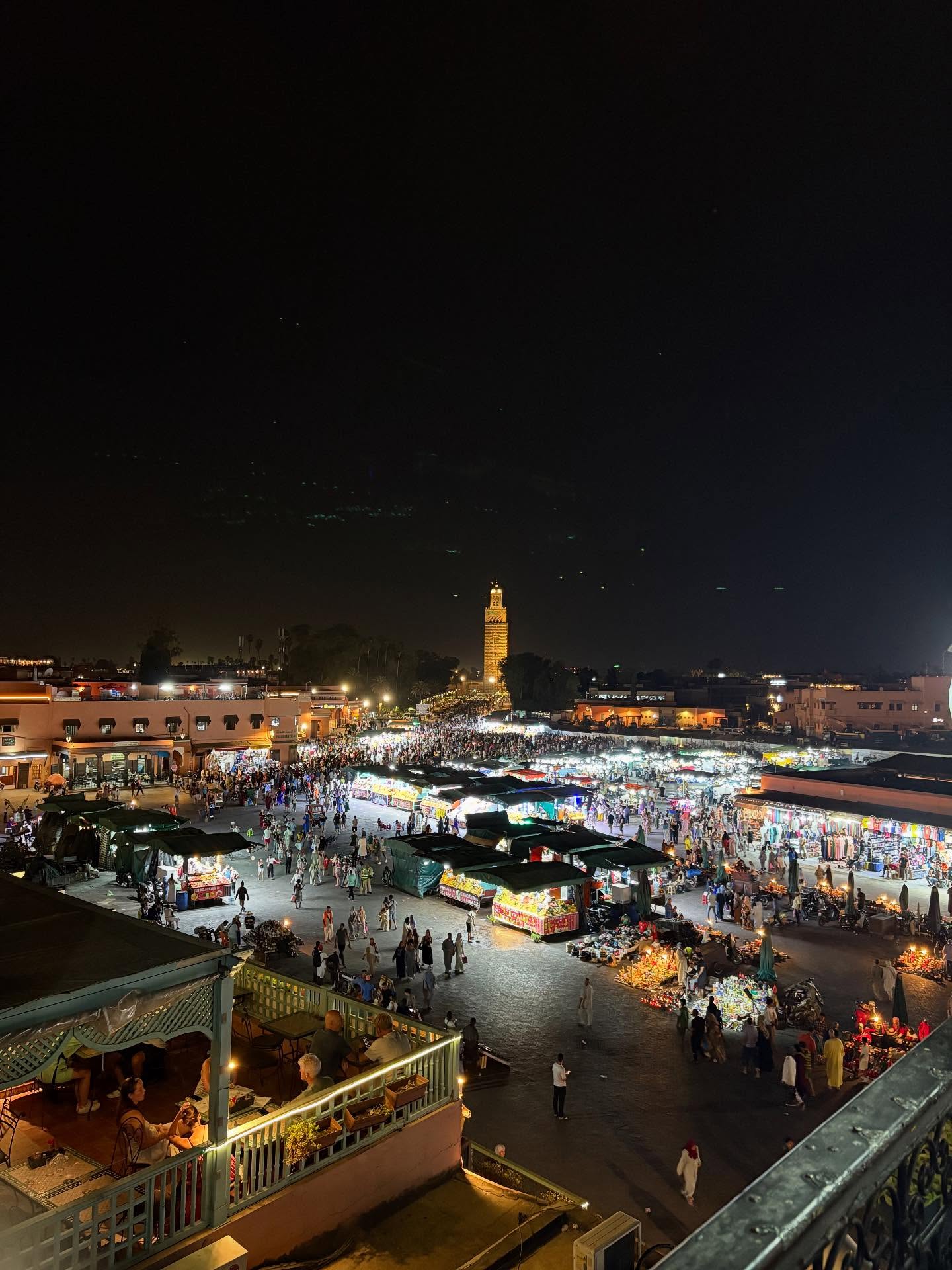
Djemaa el-Fna square in Marrakech — vibrant, busy, and welcoming to American visitors year-round.
Safe Cities vs. Areas That Require More Caution
Not all of Morocco is equal in terms of tourist infrastructure and safety. Here’s a practical breakdown for American visitors planning a 2026 trip:
- Marrakech — Very safe for tourists, heavy tourist police presence, world-class hospitality. The medina can feel overwhelming but is generally secure. Post-earthquake reconstruction is complete.
- Casablanca — Morocco’s business capital, modern, cosmopolitan. Very safe by regional standards, though street awareness is still warranted at night.
- Fez (Fès) — The ancient medina is a UNESCO site and well-patrolled. Hiring a licensed guide here is particularly recommended due to its labyrinthine layout.
- Chefchaouen — The famous Blue City is extremely popular with Americans and considered very safe. Relaxed, photogenic, and thoroughly tourist-friendly.
- Essaouira — Coastal, laid-back, arts-focused. One of the most relaxed destinations in Morocco for solo travelers of all backgrounds.
- Merzouga & Sahara region — Remote but safe for organized tours. Avoid self-driving into the deep desert without an experienced local guide.
- Tangier — Has improved dramatically in safety over the past decade with major infrastructure investment. Remains one of the more assertive cities for vendor pressure near the port area.
- Agadir — Morocco’s beach resort capital. Highly tourist-oriented, relaxed atmosphere, and one of the easiest entry points for first-time visitors.
Cultural Etiquette That Keeps You Safe and Respected
Understanding Moroccan culture is one of the most effective safety tools an American traveler can have. Locals overwhelmingly respond to respectful visitors with genuine warmth and extraordinary hospitality.
Morocco is deeply rooted in Islamic values and Berber tradition. Key practices: dress modestly especially when visiting mosques or rural areas, ask permission before photographing people, avoid entering mosques restricted to non-Muslims, and be mindful of behavior during Ramadan. In 2026, Ramadan falls in late February through late March — plan accordingly if your visit overlaps.
Possession of drugs — including cannabis — is strictly illegal in Morocco regardless of decriminalization trends in the U.S. or elsewhere. Americans have faced serious legal consequences, including imprisonment. Be firm if approached by anyone offering substances.
Practical Safety Tips for Americans Visiting Morocco in 2026
These are the ground-level habits that experienced Morocco travelers consistently recommend:
- Book your first night’s accommodation in advance and arrange airport pickup through your hotel or riad — the arrival moment is when most scams target disoriented tourists.
- Download offline maps (Maps.me or Google Maps offline) before entering the medina — GPS signal can be unreliable in narrow alleyways.
- Carry a photocopy of your passport rather than the original when exploring; store the original in your accommodation safe.
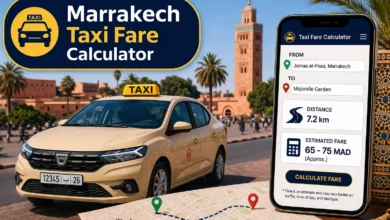
- Use Bolt or inDrive for taxis in Casablanca and Marrakech — they use metered pricing and eliminate fare negotiation conflict entirely.
- Agree on prices before any service — camel rides, henna art, photography of street performers. “It’s free” almost never is.
- Share your itinerary with a trusted contact back in the U.S. and check in regularly, especially on desert or mountain routes.
- Purchase travel insurance that covers medical evacuation — healthcare in rural areas is limited, though major cities like Casablanca and Rabat have solid private hospitals with English-speaking staff.
- Morocco’s national emergency number is 190 (police), 150 (ambulance), and 15 (fire). Save these before arrival.
2026 Tech Tip: Morocco now has excellent 4G/5G coverage in all major cities and popular tourist areas. Consider buying a local SIM card from Maroc Telecom or Orange Morocco upon arrival — data is inexpensive and keeps you connected for maps, translation, and rideshare apps throughout your trip.
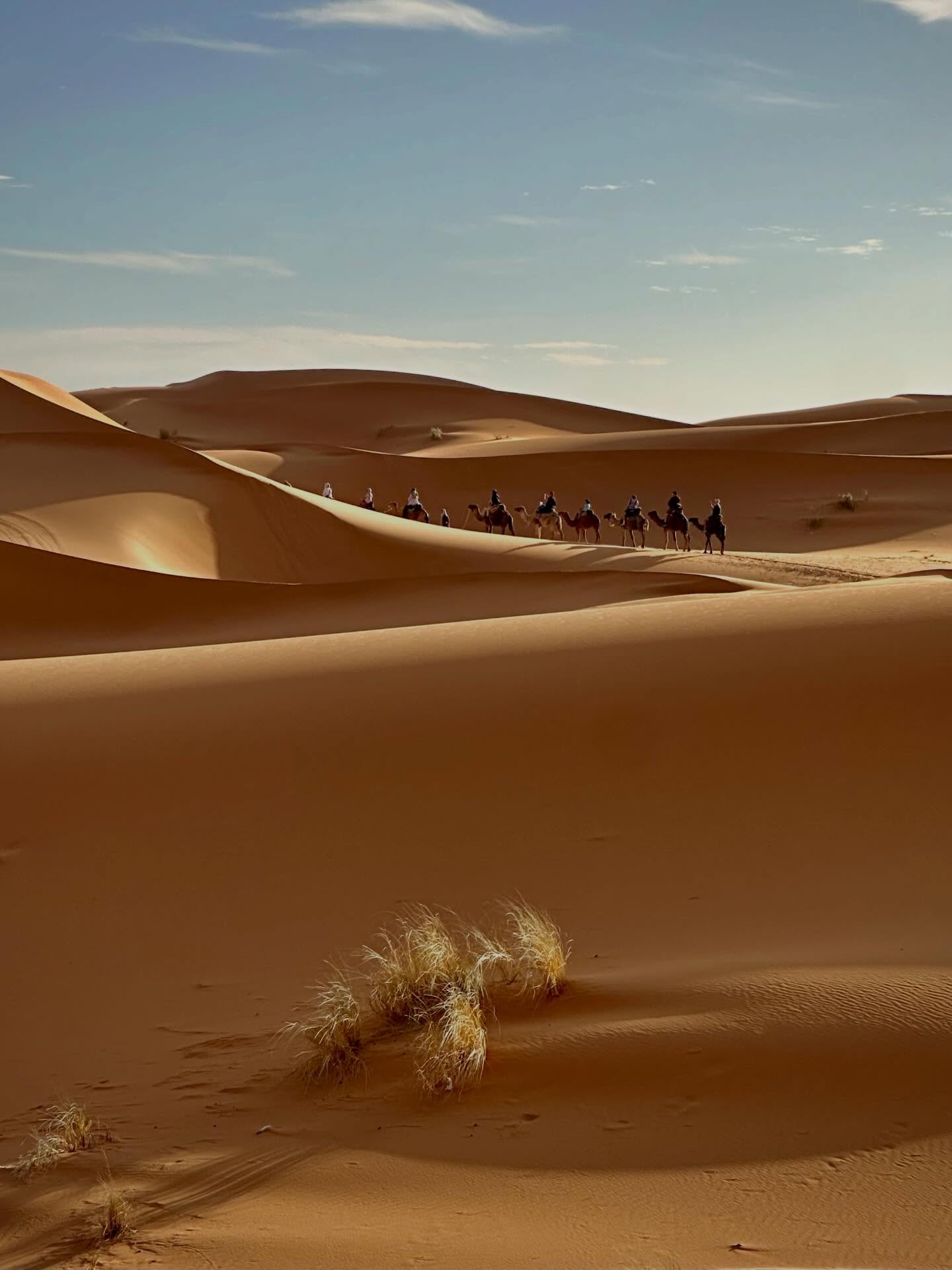
The Sahara desert near Merzouga — breathtaking and safe with a qualified local guide.
Planning Your Trip: Timing & Geography Matter for Safety Too
When you visit Morocco can directly affect how safe and comfortable your experience feels. Peak summer months bring extreme heat — particularly in the interior — which creates physical risk for travelers unprepared for temperatures exceeding 40°C (104°F). Checking out the Best Time to Visit Morocco before booking ensures you’re traveling in a manageable season.
Understanding Morocco’s physical landscape is equally important. The country spans coastal Atlantic plains, the rugged Atlas and Rif mountain ranges, and the vast Sahara. Reviewing Morocco’s physical features gives you a clearer picture of what to expect geographically and logistically across your itinerary.
Our detailed guide on Is Morocco Safe to Visit for Tourists breaks down the broader safety picture alongside seasonal recommendations for every type of traveler.
 ✓ Licensed
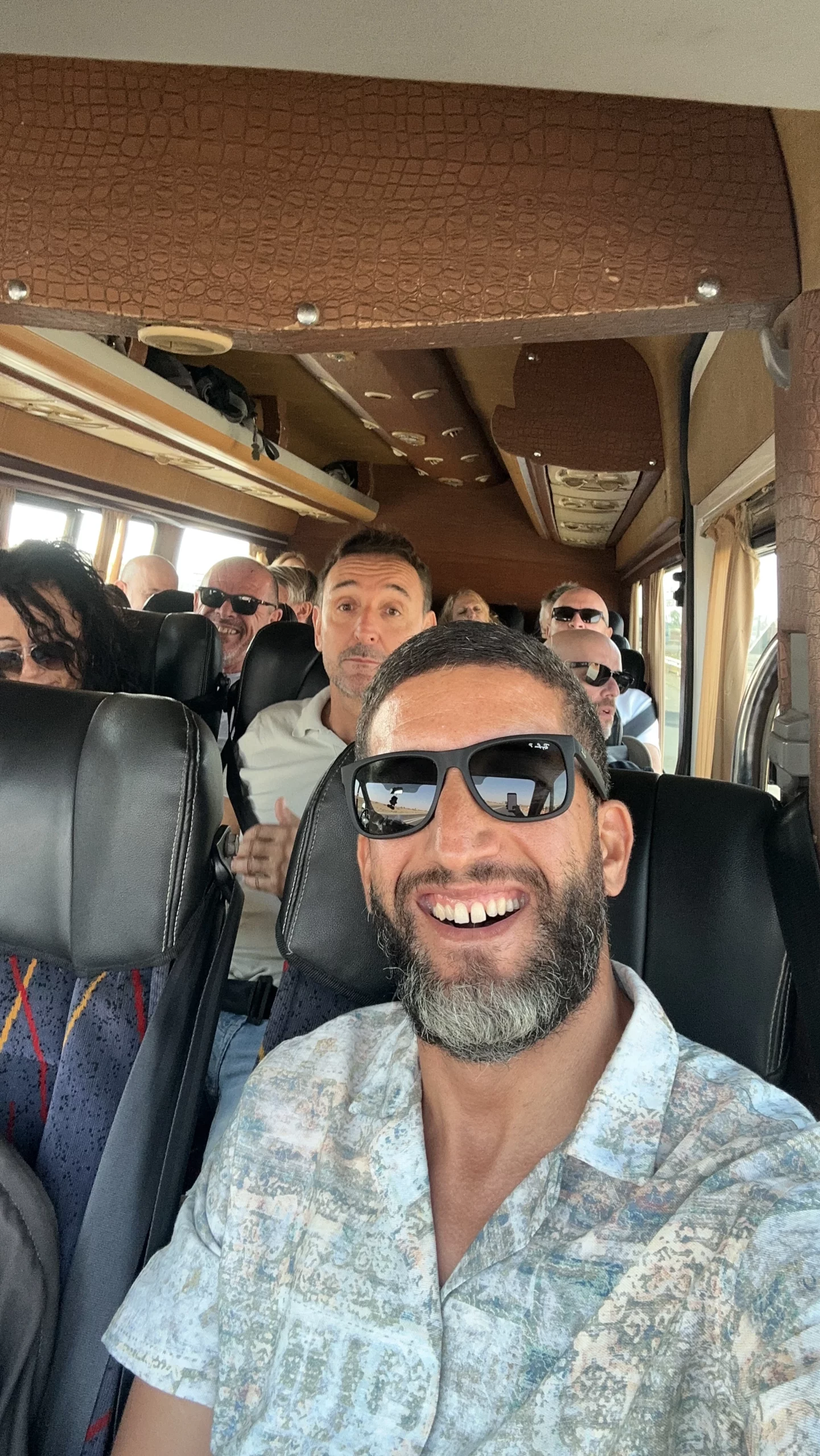
 Have questions about traveling safely in Morocco? Want a personalized itinerary built around your interests? Mouhssine is a certified Moroccan guide with years of experience leading American travelers through the Kingdom’s imperial cities, desert routes, and hidden gems. Reach out directly on WhatsApp — he’ll be happy to help you plan a safe and unforgettable journey.
Chat on WhatsAppThe Verdict: Is Morocco Safe for Americans in 2026?
Yes — with awareness, preparation, and cultural respect, Morocco is a safe and exceptionally rewarding destination for American travelers. The risks that exist are largely manageable and no different in category from those in many popular European cities. With record tourism numbers, continued infrastructure investment, and the country’s deepening ties with the United States, 2026 is one of the best years yet to visit. Plan smart, stay alert, and go enjoy it.
No. American citizens continue to enjoy visa-free entry to Morocco for stays up to 90 days. You simply need a valid U.S. passport with at least six months of remaining validity from your date of entry. No prior application or fee is required.
As of 2026, Morocco holds a Level 1: Exercise Normal Precautions advisory — the lowest possible level, equivalent to Germany, New Zealand, and Iceland. Always check travel.state.gov for the most current information before your trip.
Yes. The affected areas, including villages around Amizmiz and the Ourika Valley, have undergone extensive reconstruction and are open to tourists again. Visiting these communities in 2026 can also directly support local economic recovery. Guided tours through the Atlas are fully operational.
Absolutely. Morocco is an excellent family destination. Moroccan culture places enormous value on children and family. The main considerations are food and water hygiene and managing the sensory intensity of the medinas with younger children.
ATMs are widely available in Moroccan cities and generally safe during daylight hours in central, populated areas. Morocco remains predominantly a cash economy — carry Moroccan dirhams, but avoid flashing large sums. Exchange leftover currency before departing as the dirham is not convertible outside Morocco.
Ready to plan your Moroccan adventure?
Discover the best season to visit, what to pack, and where to go with our complete 2026 travel guides.