Morocco Natural Wonders
From the infinite dunes of the Sahara to the snow-capped peaks of the Atlas, Morocco holds some of the most breathtaking natural landscapes on earth.
Why Morocco’s Nature Stands Apart
Morocco is one of those rare countries where the landscape changes so dramatically that each new region feels like a different world. Within a single long drive, you can pass from the snowy ridgelines of the High Atlas to a palm-fringed oasis, and then on to a desert that stretches past the horizon in all directions. This geographic variety is not a coincidence; it reflects Morocco’s unique position at the meeting point of Europe, Africa, and the Atlantic, where climates, geological forces, and cultures have been colliding and blending for millions of years.
Understanding where Morocco is located helps explain why its natural scenery is so extraordinarily diverse. The country stretches from the Mediterranean coast in the north to the Sahara in the south, and from the Atlantic shore in the west to the Algerian steppe in the east. That span encompasses everything from humid cedar forests to hyper-arid ergs, from alpine meadows to coastal wetlands that host hundreds of migratory bird species.
Morocco’s landscapes shift between mountains, desert, and coast within a single journey.
The many cities of Morocco each serve as gateways to a different natural zone, from Marrakech opening toward the High Atlas, to Errachidia leading into the great erg of Merzouga, to Agadir bordering an endless Atlantic shore. For any traveler drawn to raw, untouched landscapes, Morocco offers a breadth that few countries on earth can match.
The Sahara Desert: Morocco’s Most Iconic Natural Wonder
When most people think of Moroccan natural wonders, the Sahara is the image that comes to mind first, and for good reason. The Erg Chebbi near Merzouga and the Erg Chigaga near M’hamid are two of the most visually overwhelming dune fields anywhere in North Africa. The dunes at Erg Chebbi rise to over 150 meters, sculpted by the wind into perfect crescent shapes that shift and reform daily. At dawn and dusk, the light turns the sand through a range of colors from pale gold to deep ochre to near-crimson, and the silence is total.
The Sahara in Morocco is not a single monotonous landscape. It transitions from rocky hamada plains to gravelly reg terrain to the great sandy ergs, with dry riverbeds, salt flats, and isolated oasis villages scattered throughout. Wildlife adapted to these extreme conditions thrives here: desert foxes, horned vipers, sand gazelles, and dozens of specialist bird species can be spotted by patient observers. Stargazing in the Moroccan Sahara is considered among the best on earth, given the near-total absence of light pollution and the clarity of the desert air.
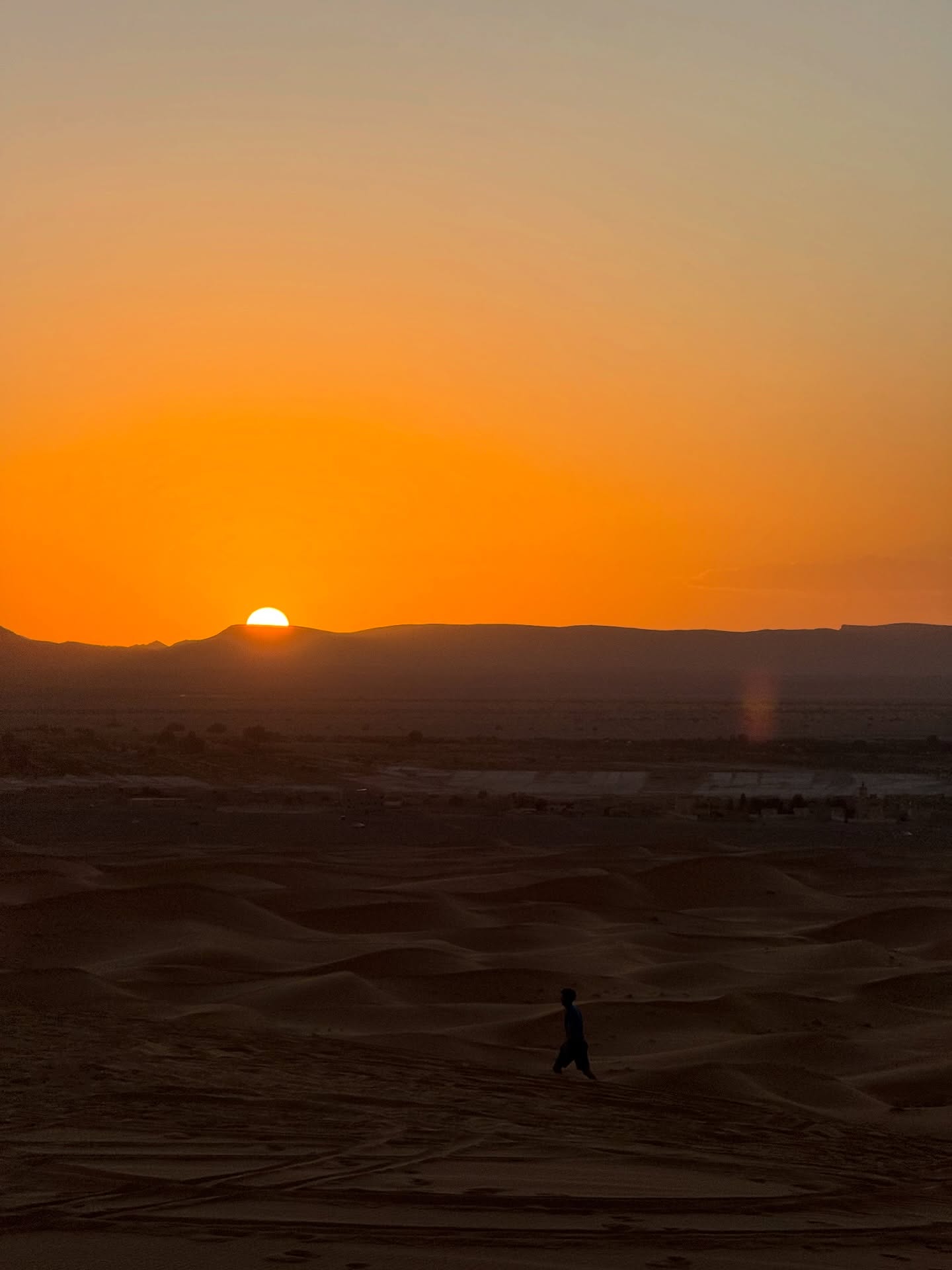
The dunes of Erg Chebbi near Merzouga, one of Morocco’s most spectacular natural wonders.
Best time to visit the Sahara
October through April offers the most comfortable temperatures, with crisp mornings and warm afternoons. Summer brings intense heat that can exceed 45°C at midday, but the nights remain spectacular. A camel trek into the dunes to watch the sunrise is among the most memorable experiences Morocco has to offer.
The Atlas Mountains: Roof of North Africa
The Atlas range runs diagonally across Morocco from the southwest to the northeast, dividing the fertile Atlantic lowlands from the desert interior. It consists of three distinct chains: the High Atlas, the Middle Atlas, and the Anti-Atlas, each with its own character and ecology. Together they form the dramatic mountain backbone of Morocco and contain some of the country’s most rewarding landscapes for trekkers, climbers, and nature lovers.
Jebel Toubkal, at 4,167 meters, is the highest peak in North Africa and one of Morocco’s defining natural landmarks. Reached via a two-day ascent from the Imlil valley, it offers extraordinary views across the entire High Atlas chain and, on clear days, a glimpse of the Sahara far to the south. The surrounding Toubkal National Park shelters Barbary macaques, golden eagles, and rare mountain orchids among its rocky valleys and snow-fed streams.
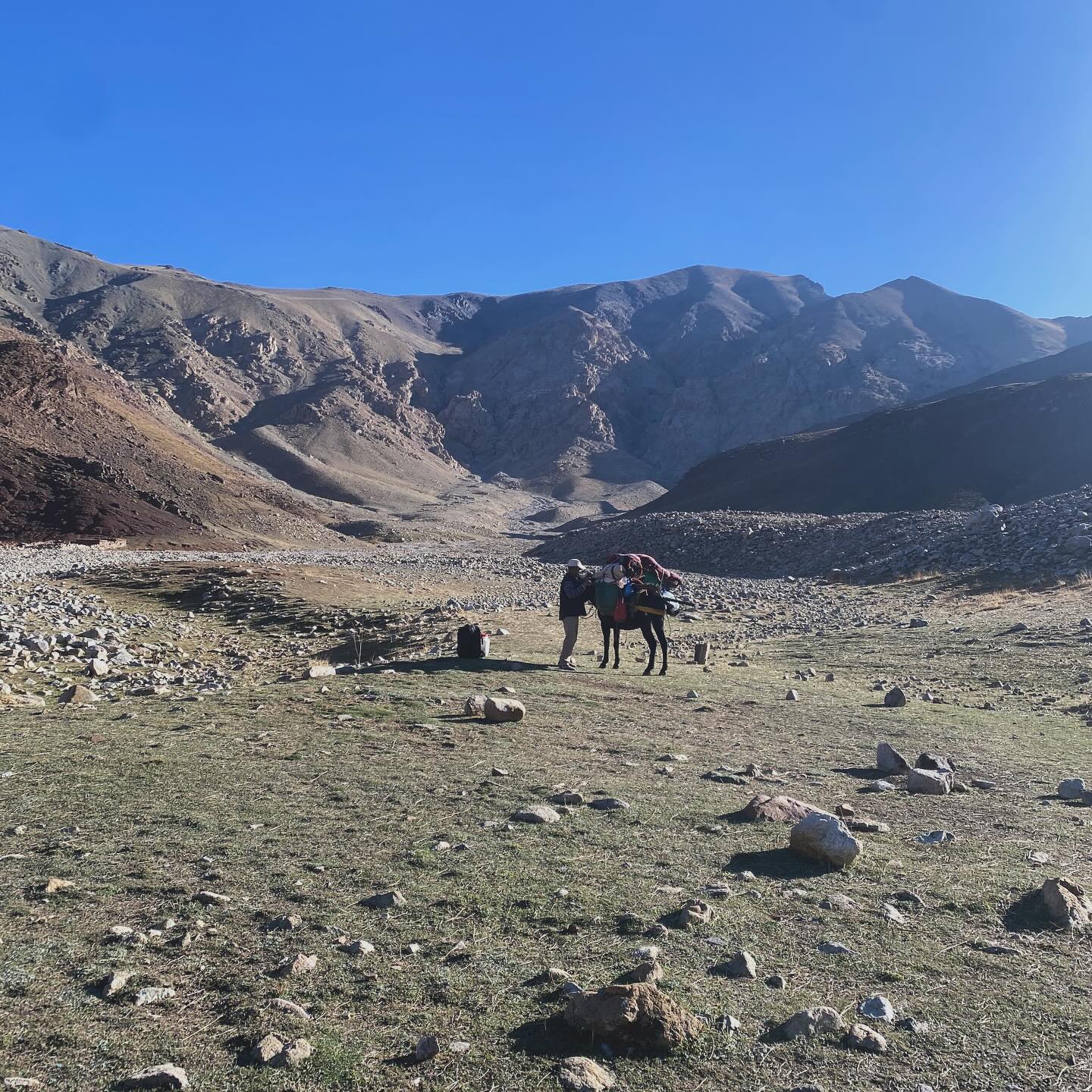
The High Atlas range near Toubkal, where snow-capped summits meet Berber villages.
Berber villages and mountain culture
The human dimension of the Atlas is as remarkable as the physical scenery. Hundreds of Amazigh (Berber) villages cling to the mountain slopes, many of them accessible only on foot or by mule track. The terraced fields, clay kasbahs, and walnut orchards of valleys like Ourika, Aït Benhaddou, and the Ounila River create a landscape where architecture and nature feel inseparable.
Atlantic and Mediterranean Coastlines
Morocco has over 3,500 kilometers of coastline shared between the Atlantic and the Mediterranean, and both shores offer natural scenery that ranges from dramatic cliff faces to sheltered lagoons, wide surf beaches, and estuaries teeming with birdlife. The contrast between the two coasts is striking: the Atlantic is wild and powerful, shaped by swells that roll in from thousands of kilometers away, while the Mediterranean side is calmer, warmer, and fringed with pine forests and rocky coves.
Souss-Massa National Park, south of Agadir, is one of the most important wetland reserves in West Africa and a critical stopover for migratory birds. The estuary here supports one of the world’s last healthy colonies of the critically endangered Northern Bald Ibis. The dunes and argan forest around Essaouira form another UNESCO-recognized landscape, while the cliffs of Legzira near Sidi Ifni, with their enormous natural arches in red sandstone, are among the most photogenic coastal formations on the continent.
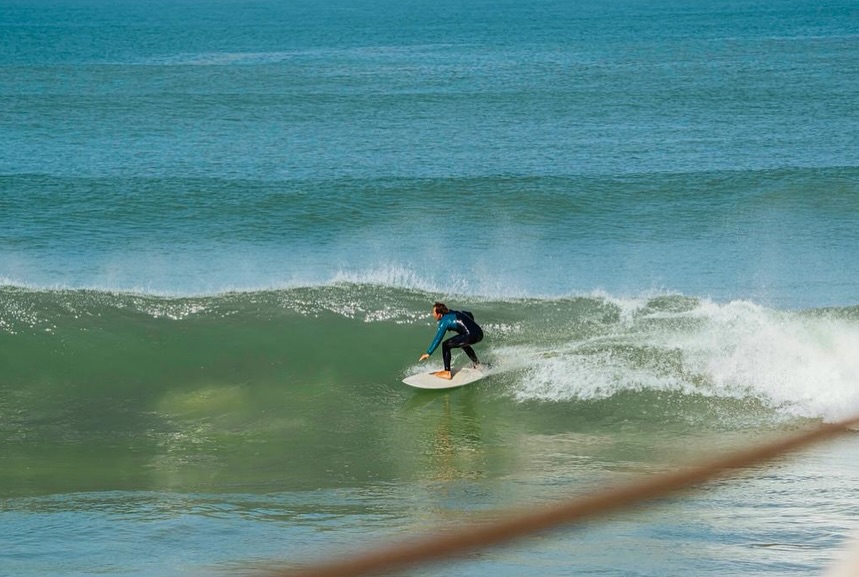
Morocco’s Atlantic coastline mixes wild surf, sandy beaches, and dramatic coastal cliffs.
Draa Valley and the Dades Gorges
The road from Ouarzazate toward Merzouga passes through a sequence of natural wonders that alone would justify a trip to Morocco. The Draa Valley, one of the longest rivers in Morocco, carves a green corridor of date palms and kasbahs through the pre-Saharan rock, creating a lush contrast with the bare desert cliffs above. This valley has been a trade route since antiquity and retains a raw, unhurried beauty that becomes harder to find with each passing year.
The Dades Gorge and the Todra Gorge, a few hours east, cut through the High Atlas foothills in sheer vertical walls of rose-colored limestone that rise over 300 meters on each side. At their narrowest points, the gorges are only a few meters wide, and the light at midday shoots straight down like a searchbeam. Rock climbers come from across the world to scale the Todra walls, while hikers follow the rivers into the quieter upper sections where trout pools and almond groves await.
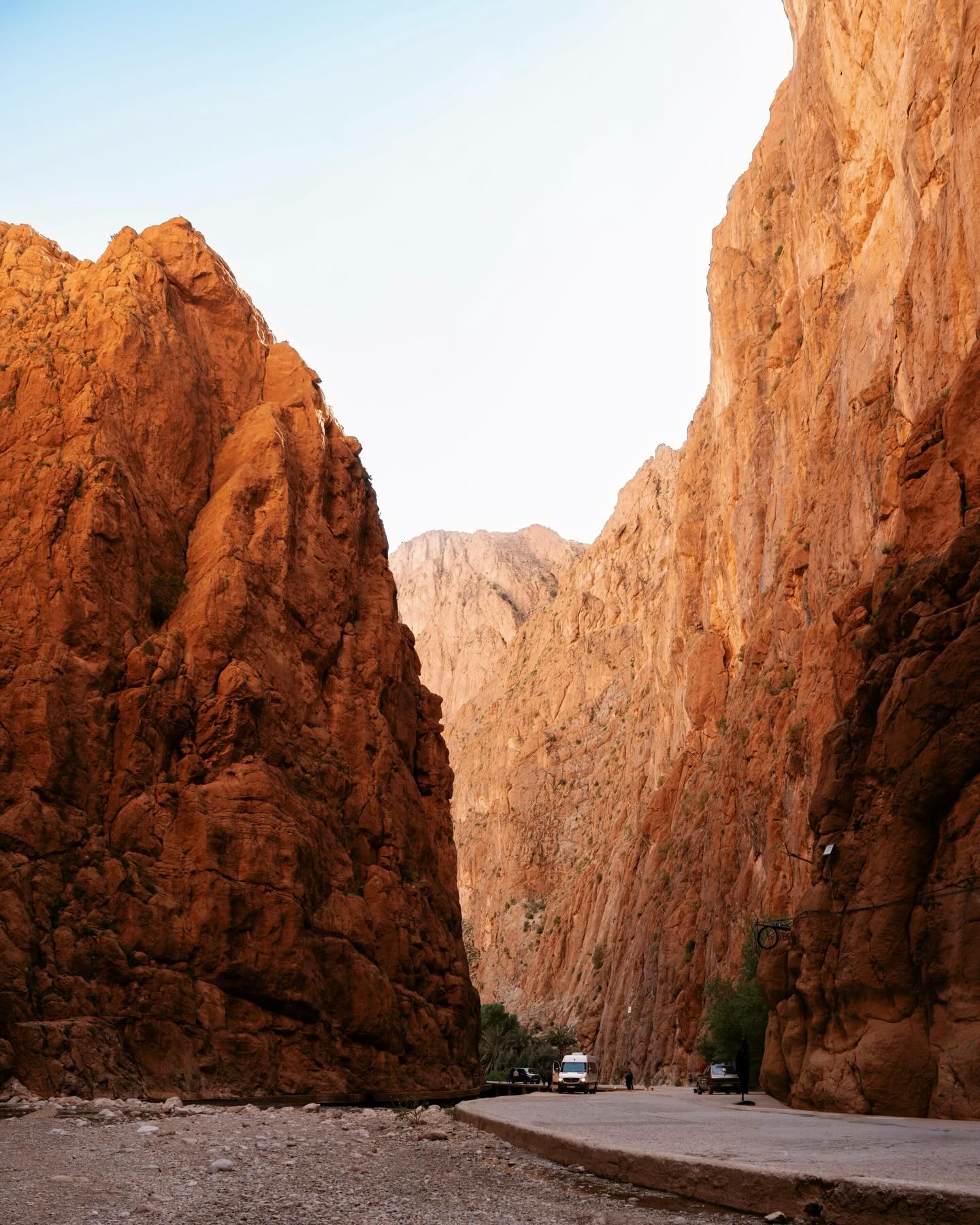
The sheer limestone walls of the Dades Gorge, carved over millennia by the Atlas rivers.
Cedar Forests and Azrou: Morocco’s Hidden Green World
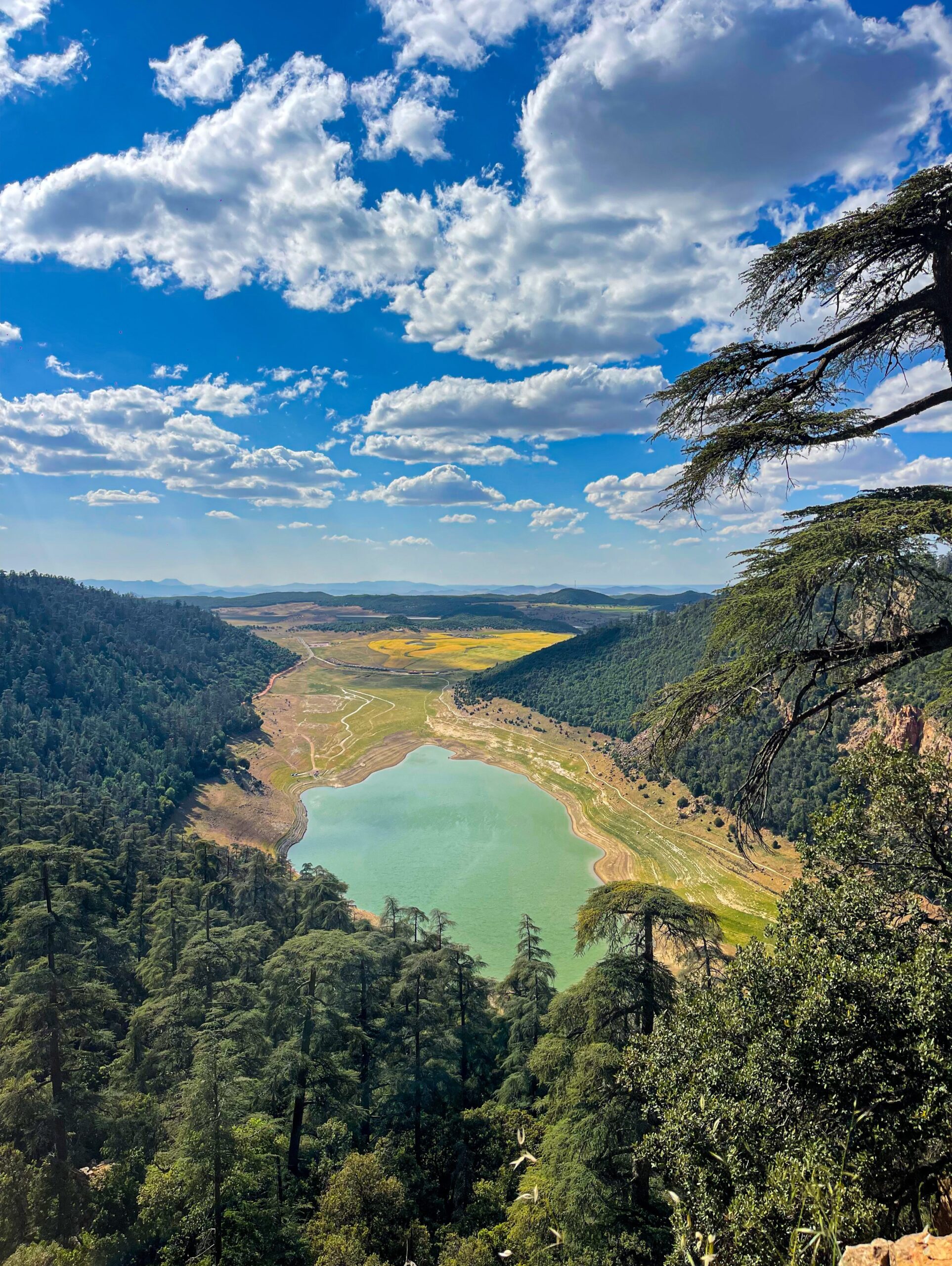
Most travelers associate Morocco with desert and sand, which makes the cedar forests of the Middle Atlas one of the country’s most surprising natural wonders. The forests around Azrou contain some of the oldest Atlas cedar trees in the world, with trunks several meters in diameter and canopies that block out the sky in a way more reminiscent of a Northern European wilderness than North Africa. In winter, these forests are draped in snow; in spring they are carpeted with wildflowers and alive with the calls of woodpeckers and raptors.
The cedar groves around Azrou are also home to the largest free-living troop of Barbary macaques in Morocco. These expressive primates, the only wild primates on the African continent north of the Sahara, live in family groups and can often be observed at close range by visitors who approach quietly. The combination of ancient forest, mountain air, and wildlife makes this part of Morocco a remarkable contrast to the more visited southern landscapes.
Ifrane and the Middle Atlas Lakes
Ifrane is sometimes called the Switzerland of Morocco, and the nickname is not entirely wrong. At 1,650 meters above sea level, this alpine town sits in the middle of a plateau dotted with freshwater lakes, oak forests, and ski slopes. The lakes of the Middle Atlas, including Dayet Aoua, Aguelmam Azegza, and Aguelmam Sidi Ali, are important habitats for freshwater fish, migrating waterfowl, and North African otters. They are also extraordinarily beautiful in a quiet, understated way that rewards those who linger.
The Michlifen ski resort near Ifrane makes this region popular with Moroccan families in winter, but the real draw for nature travelers is the plateau in spring and summer, when the grasslands are green, the lakes reflect perfect blue skies, and the air smells of cedar and wild thyme. This corner of Morocco challenges every preconception about what North African landscapes look like.
Figuig and the Southern Oases
The oases of southern and eastern Morocco represent one of the most ancient and fragile forms of natural wonder on earth. Figuig, near the Algerian border, is an extraordinary oasis town of more than 200,000 palm trees fed by underground springs called foggaras, a traditional irrigation system that has sustained life in this hyper-arid environment for over a thousand years. Walking through Figuig is like stepping through a portal: one moment you are on a dusty plateau, the next you are surrounded by dense greenery, the sound of water, and the shade of massive date palms.
Similar oasis landscapes can be found throughout the pre-Saharan region, from the Tafilalet around Erfoud to the Ziz Valley north of Merzouga, where the river cuts through the Hamada stone desert and the palm groves appear as a vivid green wound in the rock. These are landscapes that depend on a precise balance of geology, water, and human knowledge, and they are increasingly threatened by climate change and groundwater depletion.
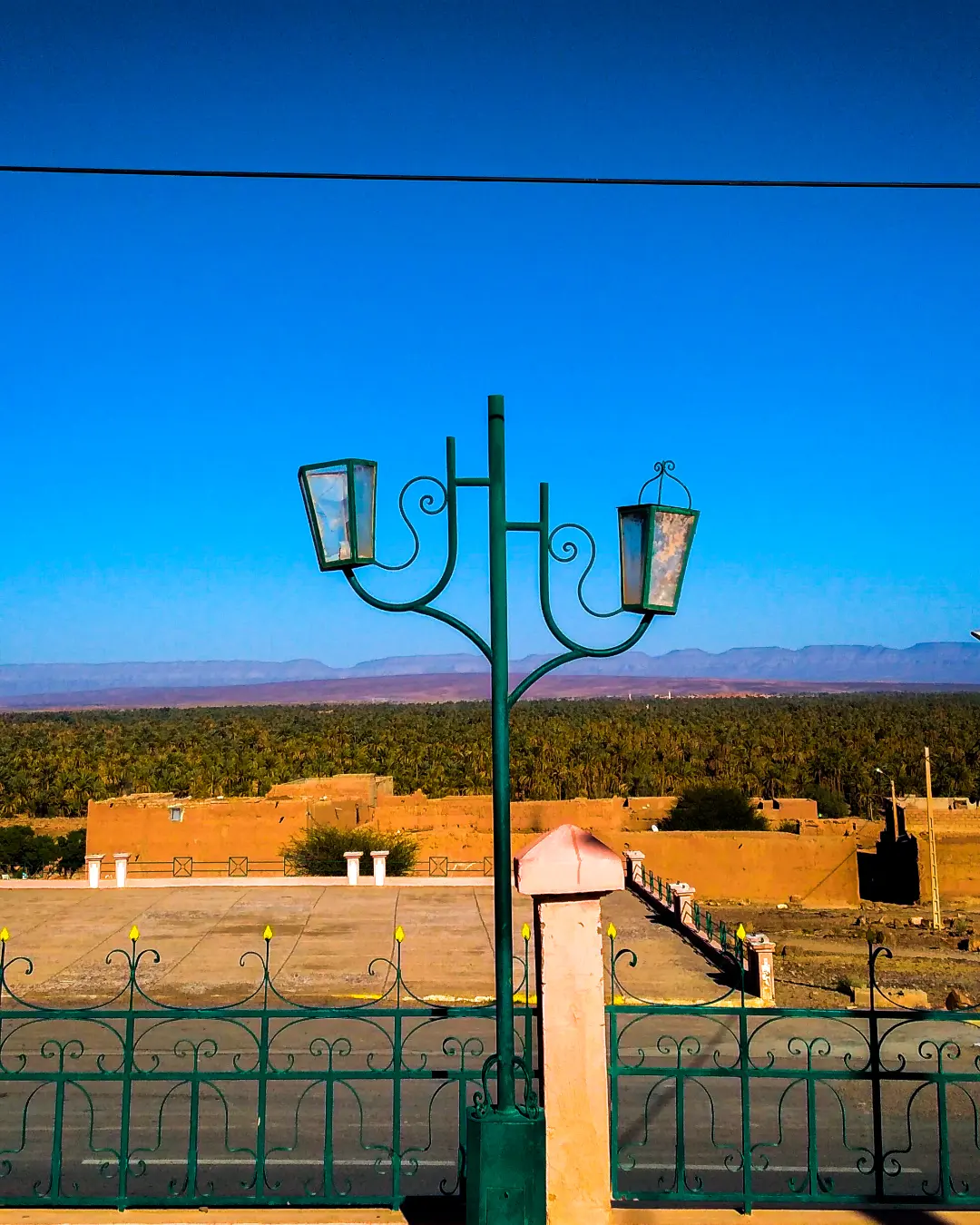
A palm oasis in Morocco’s pre-Saharan south, where water and desert meet in perfect balance.
Morocco’s Natural Wonders at a Glance
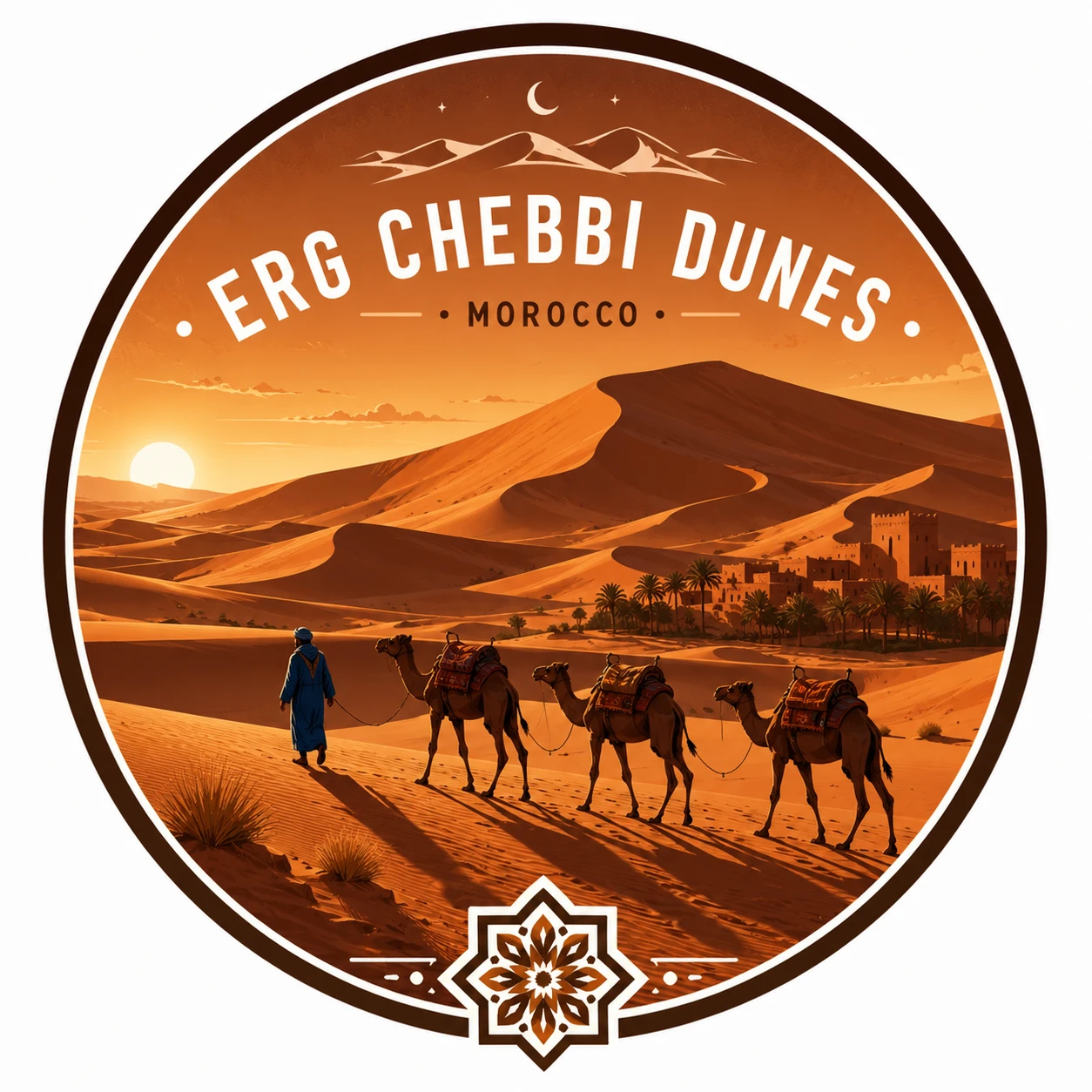
Erg Chebbi Dunes
The most iconic Morocco natural wonder: vast orange dunes rising over 150 m near Merzouga, best visited at dawn.
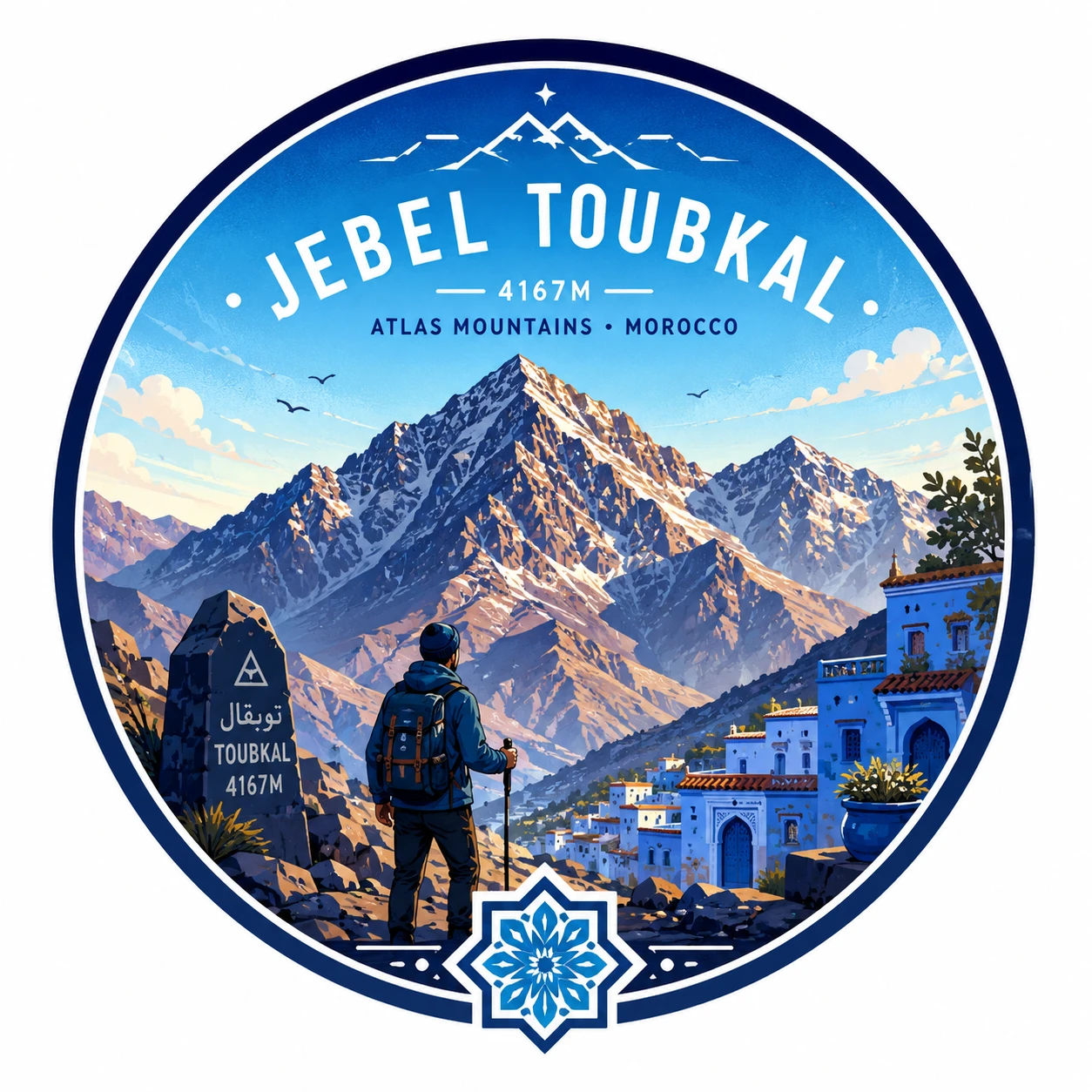
Jebel Toubkal
The highest peak in North Africa at 4,167 m, surrounded by the trails and valleys of Toubkal National Park.
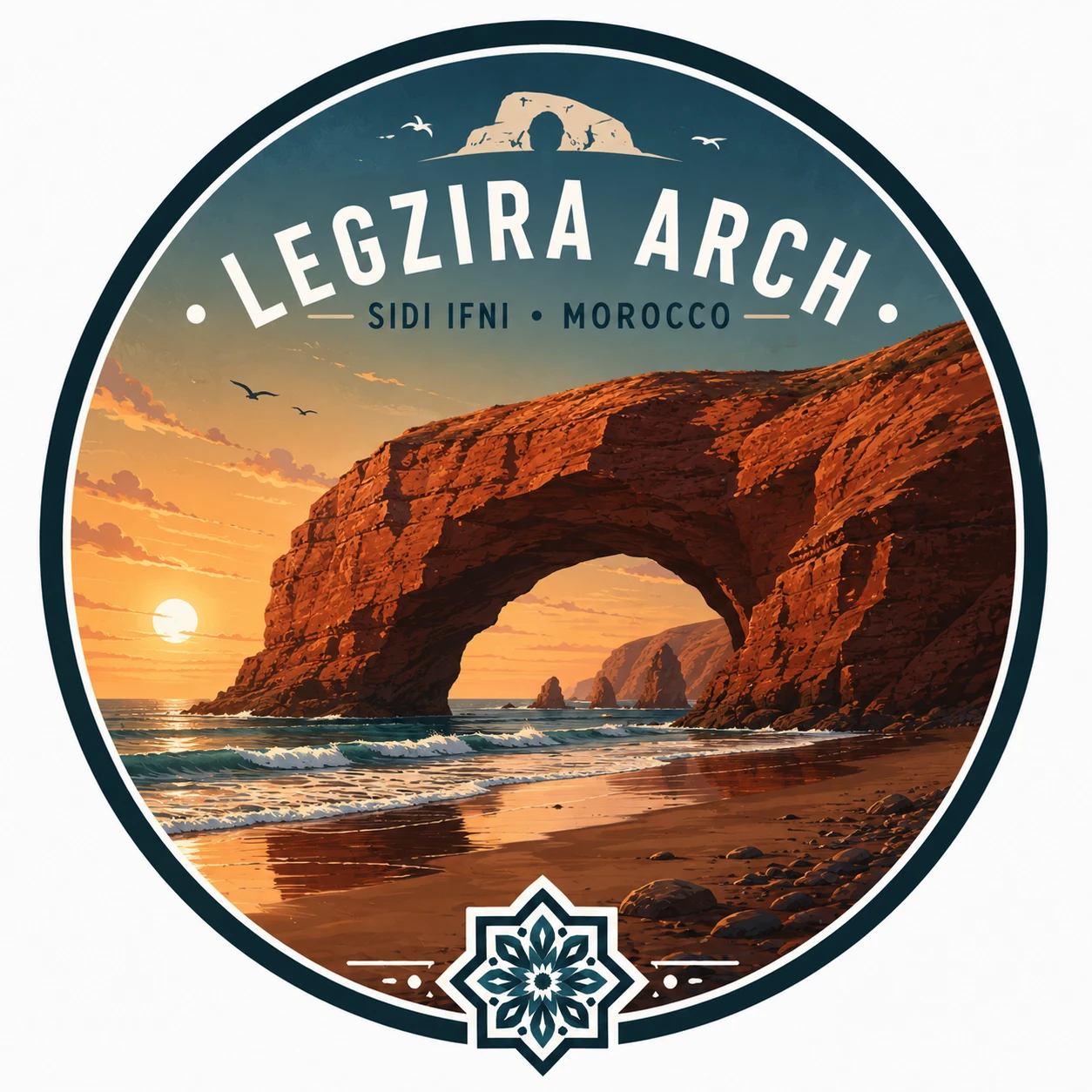
Legzira Arch
Giant red sandstone arches sculpted by Atlantic waves along the Souss coast near Sidi Ifni.
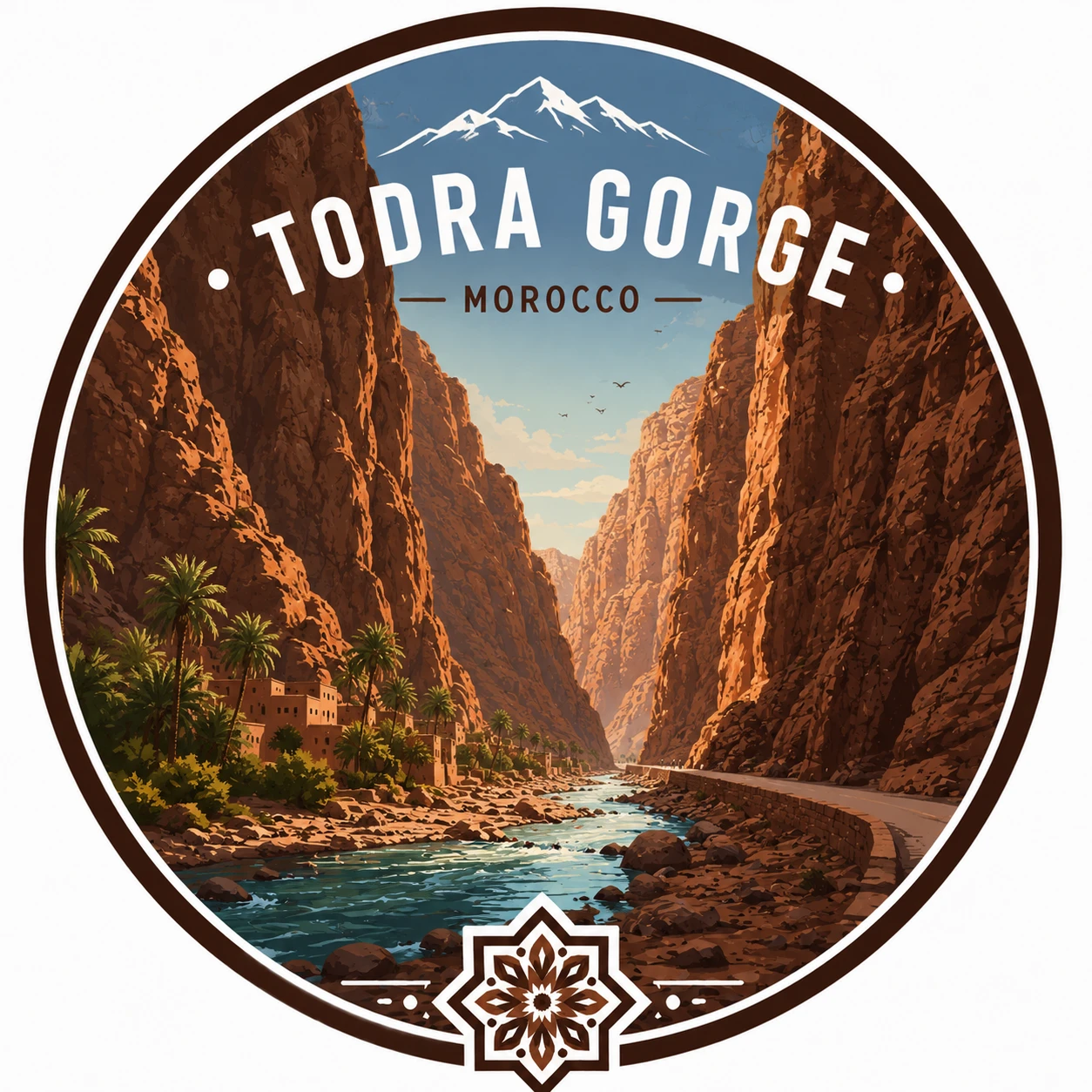
Todra Gorge
Sheer limestone walls rising 300 m above a narrow river canyon in the eastern High Atlas foothills.
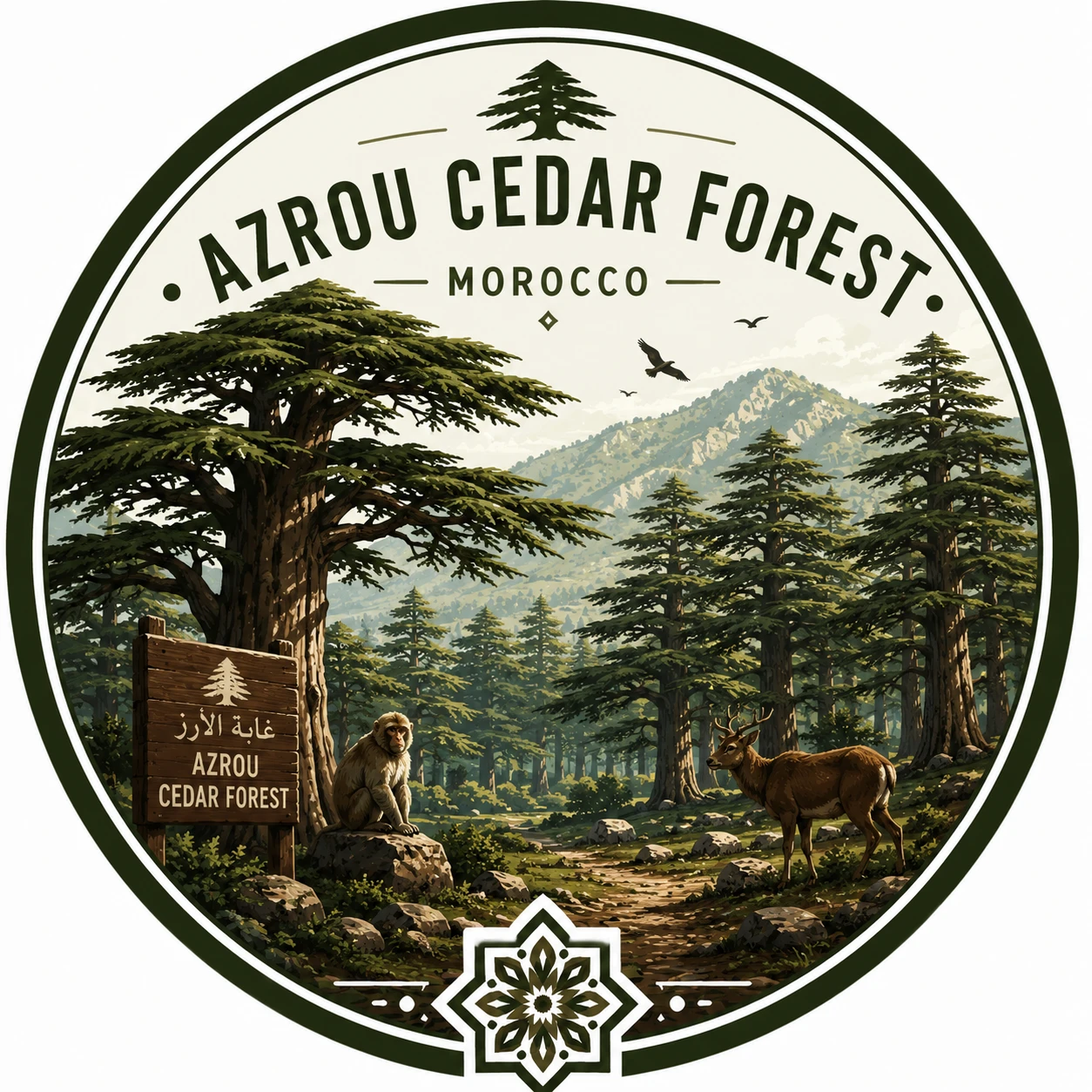
Azrou Cedar Forest
Ancient cedar giants and free-roaming Barbary macaques in the misty highlands of the Middle Atlas.
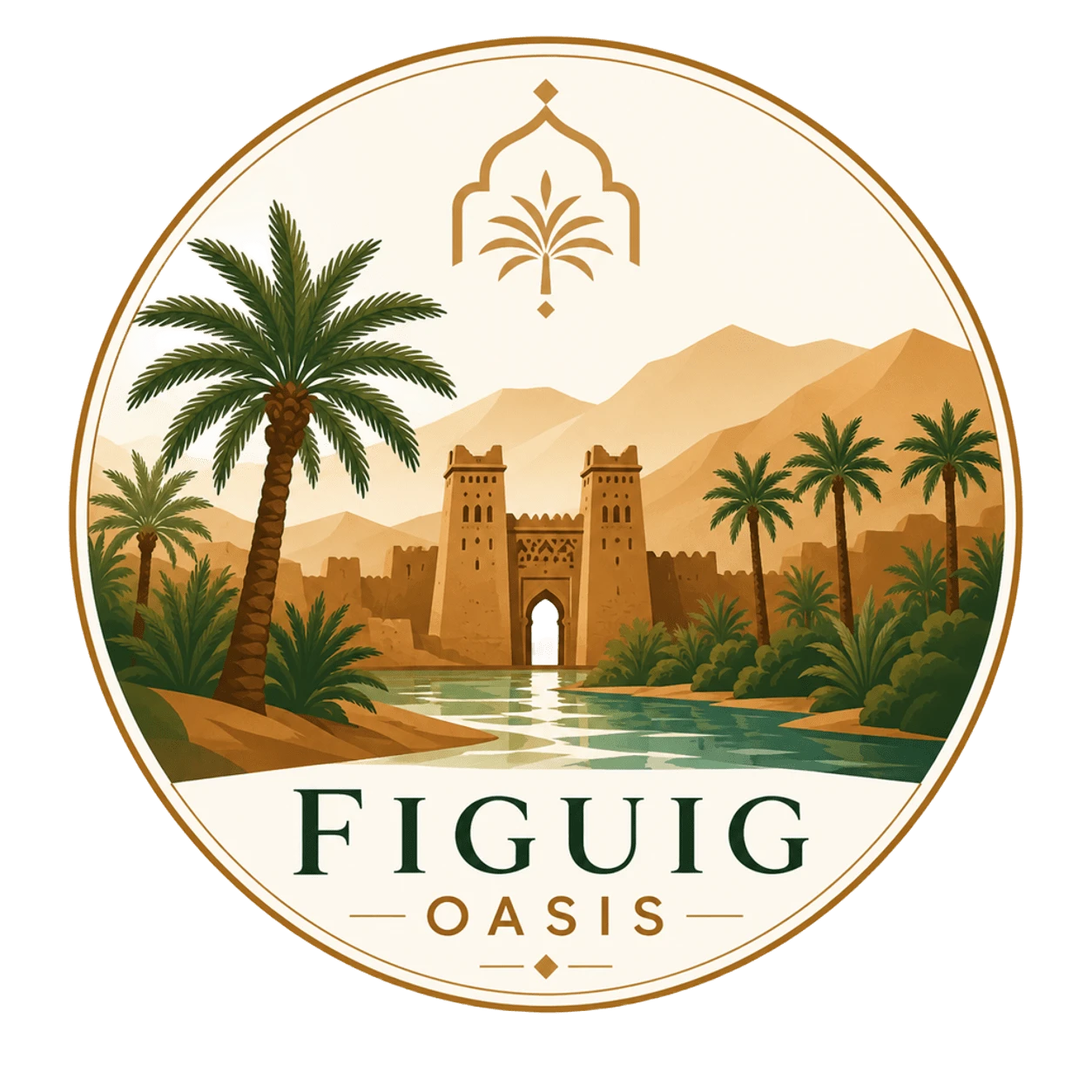
Figuig Oasis
Over 200,000 palm trees fed by ancient foggaras, one of Morocco’s most serene and underrated landscapes.
Explore More About Morocco
Plan Your Morocco Nature Trip with a Licensed Guide
Discovering Morocco’s natural wonders on your own is possible, but having a licensed local guide transforms the experience entirely. A knowledgeable guide opens doors to hidden valleys, explains the ecology and history of each landscape, and ensures your journey is safe, smooth, and genuinely authentic. Morocco is a very safe country for tourists, and working with a licensed professional makes it even more so.
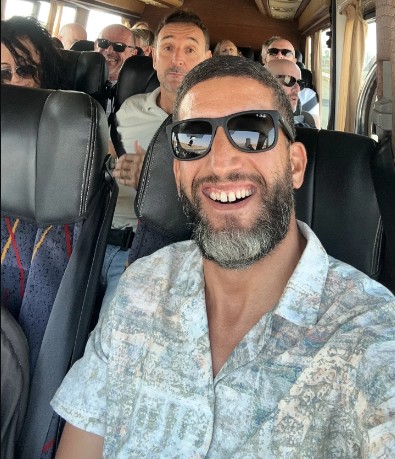
Mouhssine ELIOUJ
Mouhssine is a certified guide licensed by the Moroccan Ministry of Tourism, with deep expertise in the natural landscapes, cultural heritage, and local routes of Morocco. Whether you want to trek in the High Atlas, watch the sunrise over Sahara dunes, or explore a remote oasis, he can design a journey that fits your pace and interests.
License No. Réf. 2898 · Ministry of Tourism, Morocco
Chat on WhatsApp