🗺️ Morocco Travel Guide · 2026 List of Cities in Morocco A complete regional guide to Morocco’s main cities — from imperial capitals and Atlantic ports to Saharan oases and mountain towns.
12Regions
6Imperial Cities
37M+Population
710K km²Territory
📍 Quick Overview Morocco has 12 administrative regions and four imperial cities Morocco’s urban network spans four imperial cities — Fez, Marrakech, Meknes and Rabat — alongside the economic capital Casablanca, the northern gateway Tangier, and dozens of coastal, mountain and desert cities. The country is officially divided into 12 administrative regions, each grouped into provinces and prefectures. Population figures throughout this guide are approximate 2024 estimates, not official census data.
📑 Contents
Morocco’s urban landscape reflects centuries of trade, scholarship and geographical diversity. From the walled medinas of the imperial cities to the surf beaches of the Atlantic coast and the silence of the Saharan oases, each city carries a distinct character shaped by its region. This guide organises Morocco’s main cities by administrative region and travel theme, with approximate 2024 population estimates intended as indicative reference values. 🏛️ Morocco’s Four Imperial Cities
Four cities — Fez, Marrakech, Meknes and Rabat — served as successive royal capitals and form the historical backbone of the Moroccan kingdom. Each holds UNESCO World Heritage status or significant heritage recognition and remains a cultural anchor for the country. 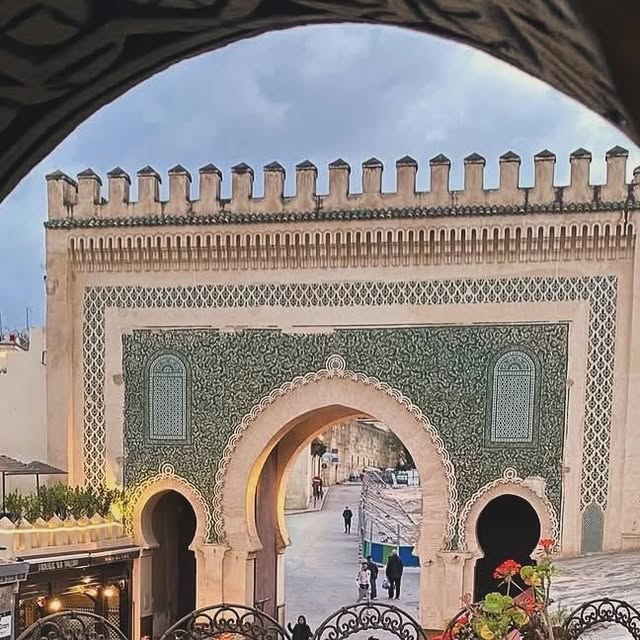
Fez — The Spiritual Capital The oldest imperial city, home to the world’s oldest continuously operating university (Al-Qarawiyyin, founded 859 AD) and a labyrinthine UNESCO-listed medina of over 9,000 streets. UNESCO World Heritage
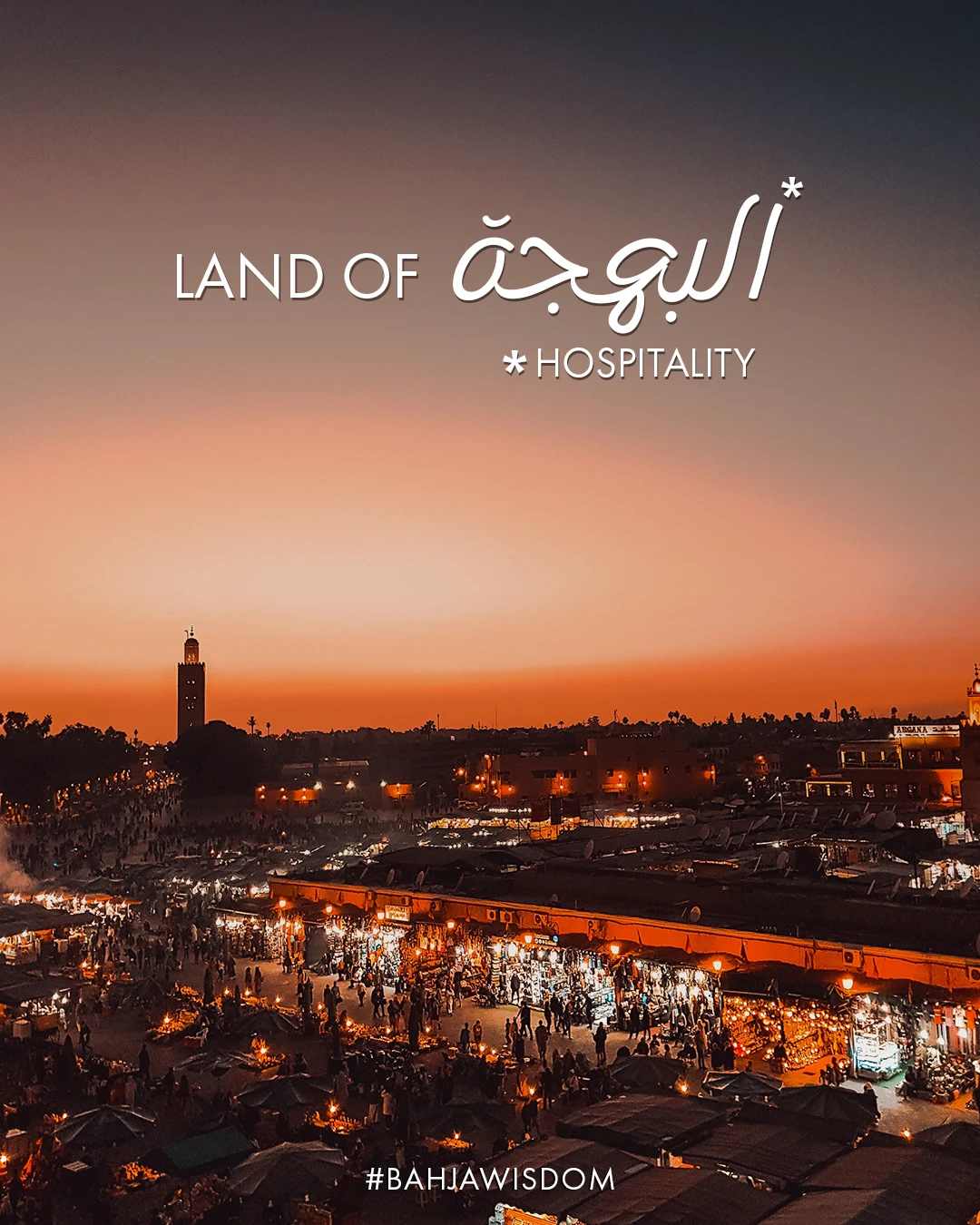
Marrakech — The Red City Morocco’s most visited city, known for its ochre-red ramparts, the iconic Jemaa el-Fna square, and a dense medina buzzing with artisans, spice markets and riads converted into boutique hotels. Tourism Hub
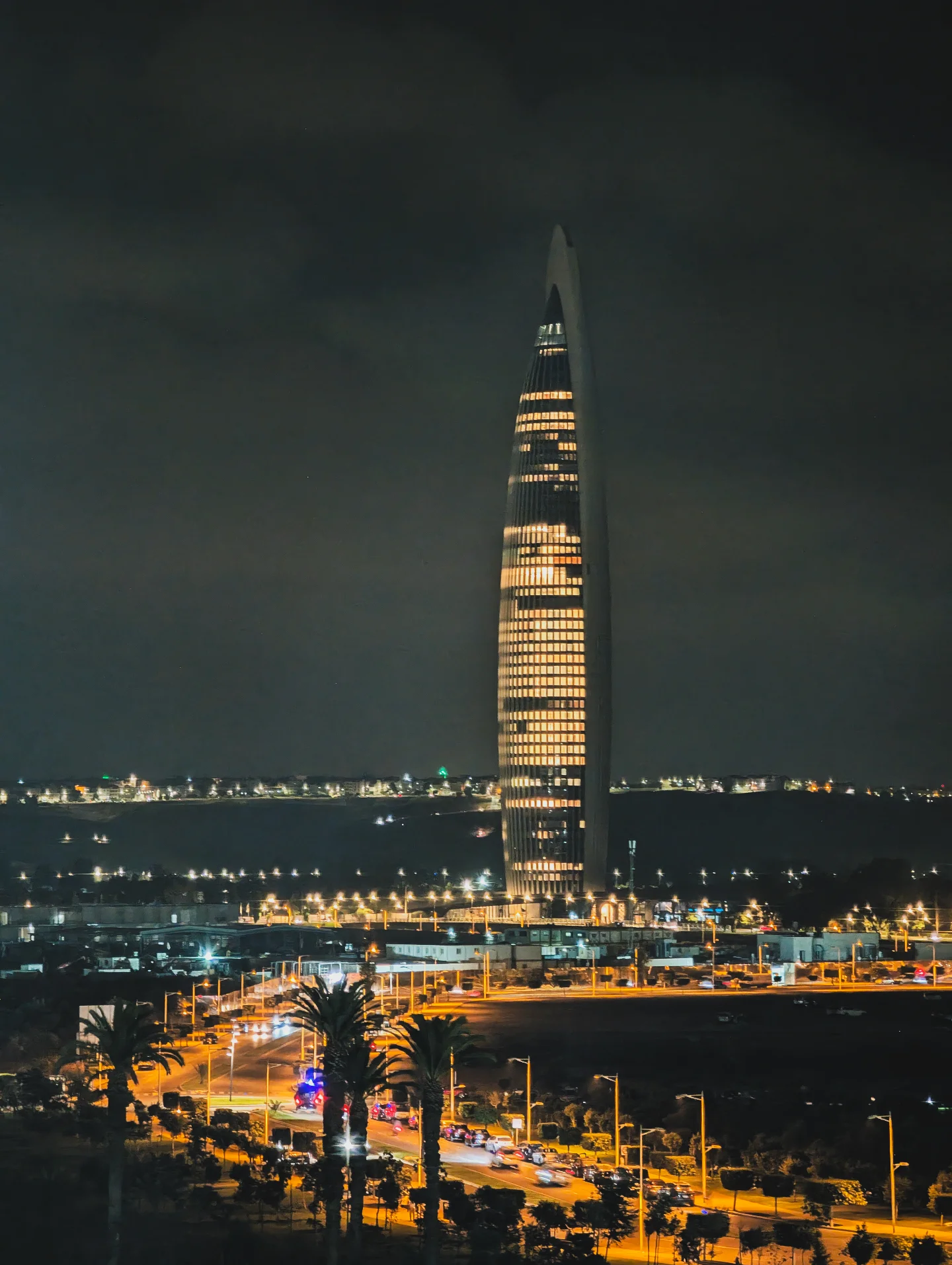
Rabat — The Modern Capital Morocco’s administrative capital since 1912, home to the Royal Palace, embassies, and national ministries. The city combines a UNESCO-listed historic core with wide modern boulevards along the Atlantic. Political Capital
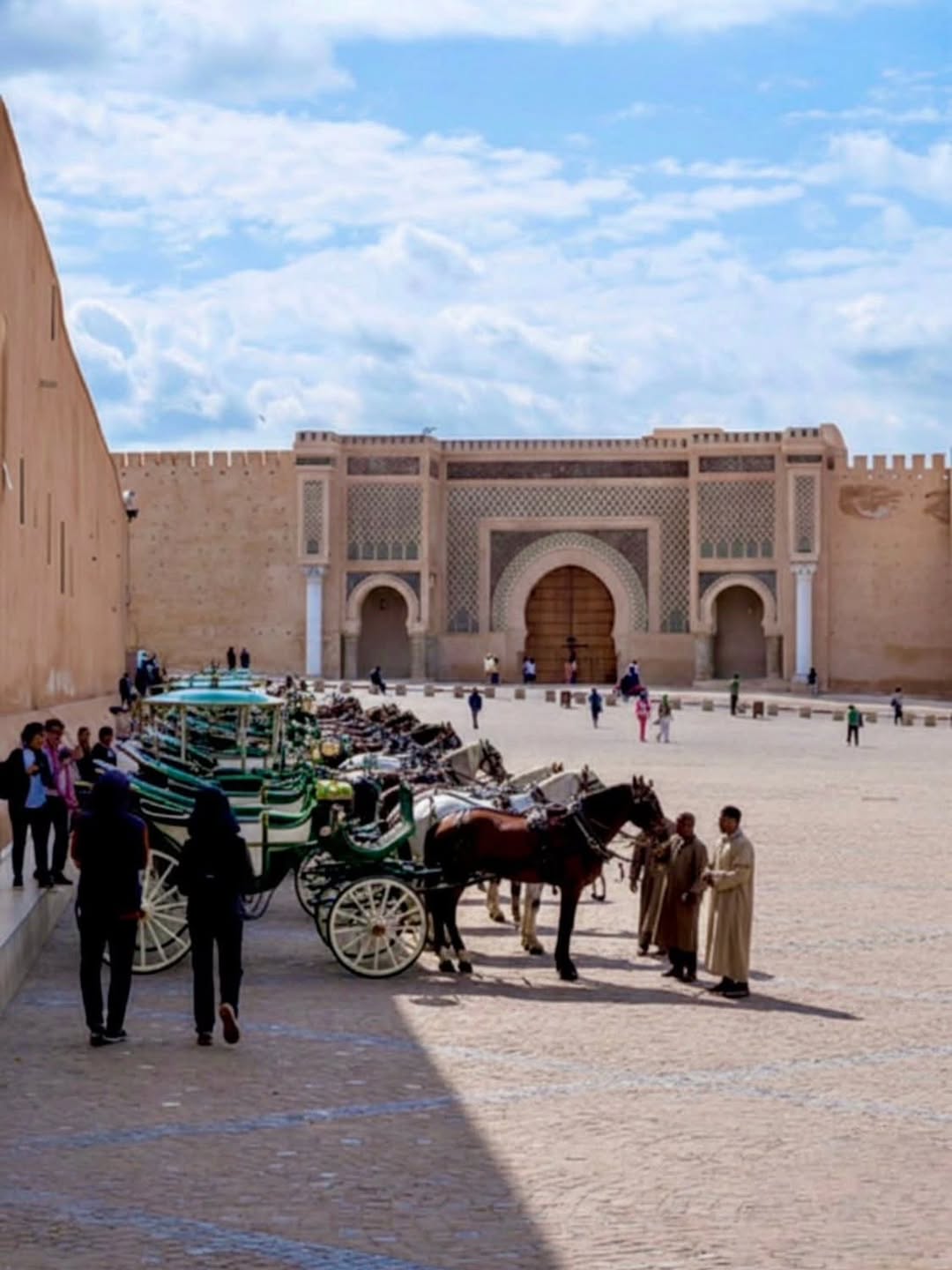
Meknes — The Architectural Gem Built by Sultan Moulay Ismail in the 17th century, Meknes offers monumental gates, granaries and stables on an extraordinary scale — often called Morocco’s Versailles. Quieter and less touristy than the other imperial cities. Historic City
🏙️ Major Urban Centers & Economic Hubs
Beyond the imperial cities, several large cities drive Morocco’s economy, trade and international connectivity. 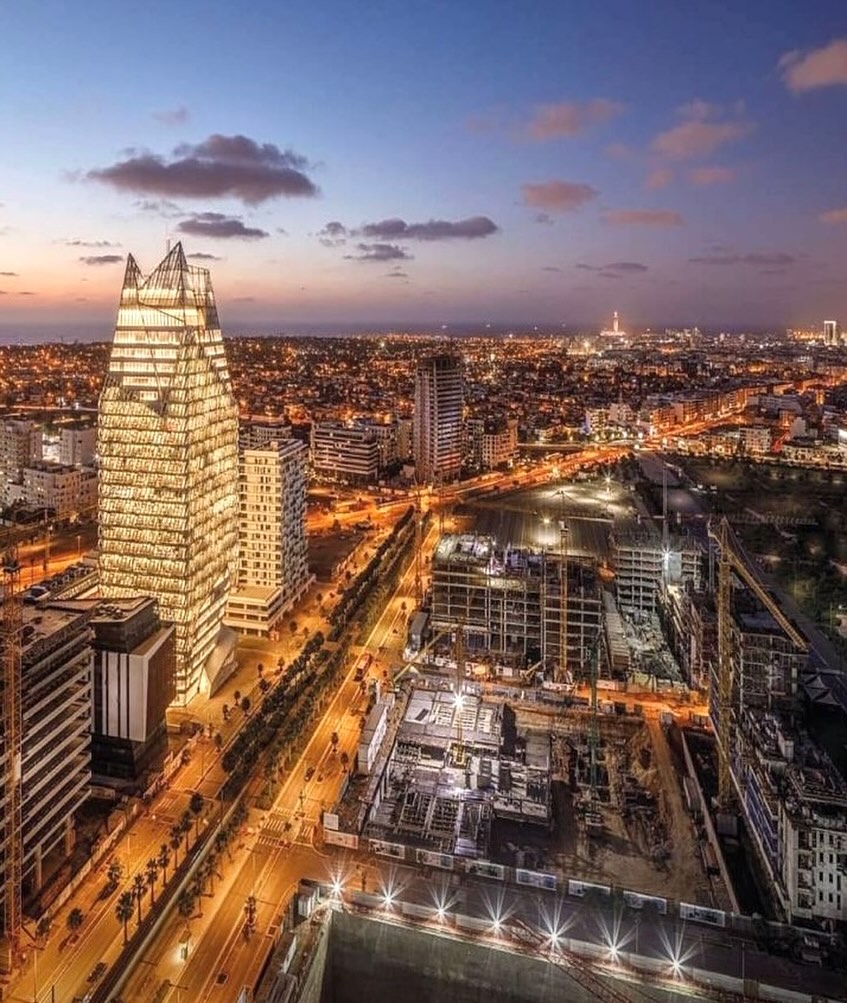
Casablanca — Economic Powerhouse
Morocco’s largest city and financial capital. Casablanca is home to the country’s main stock exchange, major banks, and one of the largest ports on the Atlantic coast of Africa. The Hassan II Mosque — the world’s seventh largest — sits dramatically on a promontory over the sea. Tangier — Northern Gateway
Overlooking the Strait of Gibraltar where the Atlantic meets the Mediterranean, Tangier is Morocco’s primary link to Europe. The city hosts a major deep-water port, the high-speed TGV rail terminus, and a booming industrial zone (Tanger Med). Agadir — Atlantic Resort City
Rebuilt after a devastating 1960 earthquake, Agadir is Morocco’s premier beach resort, combining a long sandy beach with hotel infrastructure, a fishing port and good road connections to the Anti-Atlas and southern coast. ⛰️ Northern Morocco — Mountain & Mediterranean Cities
Tétouan — The White Dove
Tucked between the Rif Mountains and the Mediterranean, Tétouan preserves strong Andalusian heritage — its medina, added to the UNESCO World Heritage List in 1997, reflects the architectural legacy of Moorish exiles from Granada. Chefchaouen — The Blue Mountain Town
One of Morocco’s most photographed destinations, Chefchaouen is famous for its blue-washed alleyways and laid-back atmosphere high in the Rif Mountains. Small enough to explore on foot in a day, it rewards slower travel with artisan shops, hiking trails and a genuine mountain pace. Al Hoceima — Mediterranean Bay
Framed by dramatic limestone cliffs and a protected national park, Al Hoceima is one of Morocco’s most scenic coastal towns. Its beaches, coves and relatively uncrowded character attract travellers seeking the Mediterranean away from the busier northern resorts. 🌊 Atlantic Coastal Cities
Essaouira — Historic Fortified Port
Built on a rocky promontory with powerful Atlantic trade winds, Essaouira is a UNESCO-listed fortified city famous for its blue and white medina, active fishing harbour and thriving arts scene. The Gnaoua World Music Festival held here each June draws around half a million visitors. Safi — Port & Pottery Centre
Safi is both a working phosphate and fishing port and the reference city for Morocco’s traditional pottery. Its hilltop kasbah and Portuguese-era fortress offer views across a city that balances industrial activity with genuine artisan craftsmanship. Kénitra — Modern Atlantic Port
Located near the mouth of the Sebou River, Kénitra is an important industrial and logistics hub in the greater Rabat-Casablanca corridor, with a fast-growing automotive and aerospace manufacturing sector. 🏺 Southern Morocco — Desert & Oasis Gateways
Taroudant — The Walled Market Town
Encircled by some of the best-preserved ramparts in Morocco, Taroudant is often called “little Marrakech” — smaller, calmer and without the tourist crowds. Its two souks and tanneries give a glimpse of traditional Souss Valley craftsmanship. Tiznit — Silver & Heritage
Tiznit is the centre of Morocco’s Berber silver jewellery tradition. The medina’s souk des bijoutiers (jewellers’ market) is one of the most authentic in the south, and the surrounding Anti-Atlas countryside makes Tiznit a good base for exploring the region. Guelmim — Sahara Gateway
Known historically as the “gateway to the Sahara,” Guelmim sits at the transition between the Anti-Atlas and the desert. Its camel market — held on Saturdays — is one of the last authentic dromedary trading markets in Morocco. Dakhla — Atlantic Sahara Peninsula
Built on a narrow 40 km peninsula with a large protected lagoon, Dakhla is Morocco’s most remote major city and has developed a reputation as a world-class destination for kitesurfing, windsurfing and desert exploration. 🏜️ Southeastern Saharan Cities
Ouarzazate — Film Capital & Desert Hub
Sitting at 1,160 m on the southern slopes of the High Atlas, Ouarzazate is the starting point for the Route of a Thousand Kasbahs and home to CLA Studios, where productions including Lawrence of Arabia, Gladiator and Game of Thrones were filmed. The Aït Benhaddou ksar, a UNESCO site, lies 30 km away. Errachidia — Ziz Valley Centre
The main administrative city of the southeastern region, Errachidia connects the High Atlas mountain passes with the Ziz Valley oases and serves as a practical base for exploring the palm groves and ksour of the desert transition zone. Zagora — Desert Route Town
The famous sign reading “Tombouctou 52 jours” (Timbuktu 52 days by camel) captures Zagora’s role as a departure point for historic caravan trails. The Drâa Valley palm groves stretching south from the city are among the most beautiful in Morocco. Merzouga — Erg Chebbi Dunes
A small village at the edge of the Erg Chebbi — Morocco’s most dramatic dune field reaching 150 m high — Merzouga is the premier destination for desert camps, camel treks at sunset, and stargazing in one of North Africa’s darkest skies. 🗺️ Interactive Map of Morocco’s Cities
The map below plots the main cities covered in this guide. Where is Morocco exactly? Situated in northwestern Africa at the crossroads of the Atlantic and the Mediterranean — the map makes this geography immediately clear. Click any marker to see the city name, region and a brief description. Morocco — Cities by Region Click any marker for city details · Use +/- controls or pinch to zoom
Imperial Cities Major Urban Centers Coastal Cities Desert & Southern Northern Cities
📊 Morocco’s 12 Administrative Regions
Morocco is officially divided into twelve administrative regions, each with a regional capital and grouped into provinces and prefectures. Population figures are approximate 2024 estimates. | Region | Major Cities | Population (approx. 2024) | Geographic Character |
|---|---|---|---|
| Tangier-Tétouan-Al Hoceïma | Tangier, Tétouan, Al Hoceima, Fnidek | 4.03 million | Mediterranean & Atlantic coast |
| Oriental | Oujda, Nador, Berkane, Taourirt | 2.29 million | Eastern border & plateaus |
| Fès-Meknès | Fez, Meknes, Taza, Sefrou | 4.47 million | Historic heart & Middle Atlas |
| Rabat-Salé-Kénitra | Rabat, Salé, Kénitra, Khemisset | 5.13 million | Capital area & Atlantic plain |
| Béni Mellal-Khénifra | Beni Mellal, Khénifra, Kasba Tadla | 2.53 million | Central Atlas & agricultural lands |
| Casablanca-Settat | Casablanca, Settat, Berrechid, El Jadida | 7.69 million | Economic core & Atlantic corridor |
| Marrakech-Safi | Marrakech, Safi, Essaouira, Youssoufia | 4.89 million | Atlas foothills & coastal strip |
| Drâa-Tafilalet | Errachidia, Ouarzazate, Zagora, Tinghir | 1.66 million | Oases & Saharan valleys |
| Souss-Massa | Agadir, Taroudant, Tiznit | 3.02 million | Southern coast & plains |
| Guelmim-Oued Noun | Guelmim, Tan-Tan | 0.45 million | Transition to Saharan areas |
| Laâyoune-Sakia El Hamra | Laayoune, Boujdour, Tarfaya | ~0.37 million | Atlantic Sahara corridor |
| Dakhla-Oued Ed-Dahab | Dakhla | ~0.15 million | Southern Atlantic Sahara |
🧭 Suggested Itineraries Across Moroccan Cities
Imperial Cities Circuit
Route Fez → Meknes → Rabat → Casablanca
Duration 3–5 days
The classic introduction to Morocco’s historic core — UNESCO medinas, monumental architecture and the modern capital, connected by good rail and road links. Southern Desert Loop
Route Marrakech → Ouarzazate → Merzouga → Zagora
Duration 4–6 days
Over the High Atlas via Tizi n’Tichka, through kasbah valleys and palm groves to the Erg Chebbi dunes — the most popular road trip in Morocco. Atlantic Coast Journey
Route Casablanca → Essaouira → Agadir → Tiznit
Duration 3–4 days
Fishing ports, art cities, long beaches and silver jewellery markets — the Atlantic façade in a compact, scenic drive southward. Northern Highlights
Route Tangier → Chefchaouen → Tétouan
Duration 2–3 days
Strait of Gibraltar views, the iconic blue city of Chefchaouen and the Andalusian-heritage medina of Tétouan — Morocco’s most scenic northern triangle. Plan Your Morocco City Itinerary Get a personalised route across Morocco’s cities and regions from a certified tourism professional — tailored to your pace, budget and interests.
📱 WhatsApp +212 671 437 971 ❓ Frequently Asked Questions — Morocco Cities
How many administrative regions does Morocco have?
Morocco is officially divided into 12 administrative regions, each with its own regional council and capital. Below the regional level, the country is organised into 75 provinces and 13 prefectures, which are further divided into communes.What are the four imperial cities of Morocco?
The four imperial cities are Fez, Marrakech, Meknes and Rabat. Each served as the royal capital during different dynasties in Moroccan history. All four hold significant architectural and cultural heritage — three have UNESCO World Heritage medinas.What is the largest city in Morocco by population?
Casablanca is Morocco’s largest city, with an urban population of approximately 3.2 million (2024 estimate). It is the country’s economic capital and main port, though Rabat serves as the political and administrative capital.What are the main cities in southern Morocco?
Key cities in southern Morocco include Agadir (main tourist hub), Taroudant (walled market town), Tiznit (silver jewellery), Guelmim (Sahara gateway), Laayoune and Dakhla (far southern Atlantic coast).Are the population figures in this guide official census data?
No. All population figures are approximate 2024 estimates intended as indicative reference values for planning and comparison. They are not official census data and should not be cited as such. Morocco’s official census authority is the Haut-Commissariat au Plan (HCP).Which Moroccan city is best for a first-time visitor?
Marrakech is the most common entry point for first-time visitors — well connected by direct international flights, compact enough to explore on foot, and offering the most concentrated mix of medina life, riads, food markets and day trips (Atlas, desert, Essaouira). Casablanca is the main hub for onward travel if flying via Mohammed V Airport. Note on data: All population figures are approximate 2024 estimates derived from publicly available regional and urban growth data. They are indicative only and should not be cited as official census results. Morocco’s official demographic authority is the Haut-Commissariat au Plan (HCP). Geographic and administrative information reflects the current 12-region structure established by the 2015 territorial reform.