If you are looking up the Morocco travel advisory, you have probably picked your dates already and want to know one thing before paying for flights: is the U.S. government telling you to stay away? It is not. Morocco sits on the same advisory level as France, Spain and Italy, and this page explains what that level asks of you, what it does not, and the few checks worth doing before you fly.
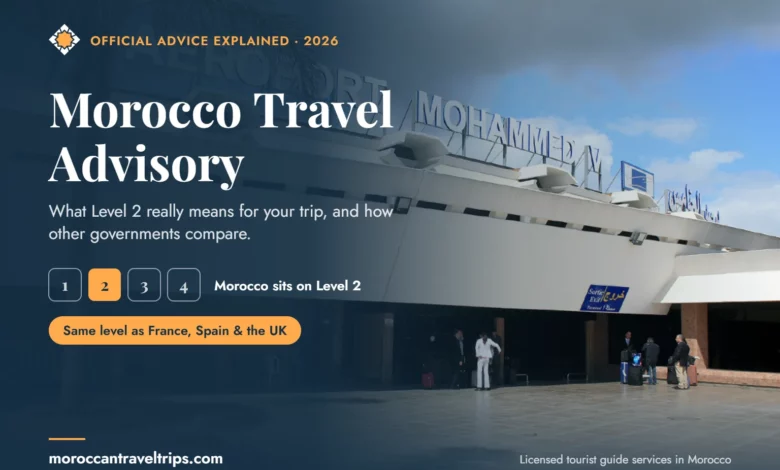
The U.S. Department of State rates Morocco Level 2, Exercise Increased Caution, the same level it gives France, Spain, Italy, Germany and the United Kingdom. The current advisory was reissued on 21 April 2025 after a routine review, applies one level to the whole country and does not advise against visiting any Moroccan city or region.
What the U.S. advisory says today Contents ↑
The current page for Morocco is short. It gives one level for the entire country, Level 2: Exercise Increased Caution, and carries the date 21 April 2025 with a note that it was reissued after a periodic review with minor edits. In State Department language, that note means the page was reviewed on schedule, not rewritten because something happened.
There are no separate regional levels on the Morocco page, which is not the case for every country on the list. A traveller heading to Marrakech, Fes, Chefchaouen, the Atlas villages, Merzouga, Agadir or Dakhla reads exactly the same advice.
The advisory lives on travel.state.gov, under Morocco in the country list. Open the official version shortly before you book: screenshots and copies shared online go out of date, and the date printed at the top of the page is the only one that counts.
The four levels, in plain words Contents ↑
The State Department uses the same four levels for every country it covers. They are written as instructions, which is why the wording can sound sterner than the trip it describes.
- 1 Exercise Normal Precautions The lowest level. Any international trip carries some risk, and the usual care applies.
-
2
Exercise Increased Caution
Stay more aware of your surroundings. Travel goes ahead as planned. Morocco is here, alongside:
- Morocco
- France
- Spain
- Italy
- Germany
- United Kingdom
- 3 Reconsider Travel Think carefully about whether the trip is necessary.
- 4 Do Not Travel The highest level, where the U.S. government advises against going.
Level 2 is where several of Europe’s best-known destinations sit. It is the same level Americans fly under every week for a city break in Paris, Barcelona or Rome, usually without ever opening the advisory.
How other governments rate Morocco Contents ↑
Each government writes its own advice on its own scale, and only the U.S. numbers its levels. Comparing the wording side by side, and checking which other countries share it, tells you more than any single number.
| Government | Rating for Morocco | Same rating as |
|---|---|---|
| United States | Level 2, Exercise Increased Caution | France, Spain, Italy, Germany, UK |
| Canada | Exercise a high degree of caution | France |
| Australia | Exercise a high degree of caution | France |
| United Kingdom | No advice against travel | No numbered scale |
The British Foreign, Commonwealth & Development Office does not grade countries. Its Morocco page sets out practical guidance on entry, local laws and health, and does not advise against travel to the country. Canada and Australia both use a four-step scale, and the second step is the one they also give France. If you travel on another passport, the same method works: find your own foreign ministry’s page, read the overall rating first, then the sections that match your itinerary.
Marrakech, Fes, the desert and the coast Contents ↑
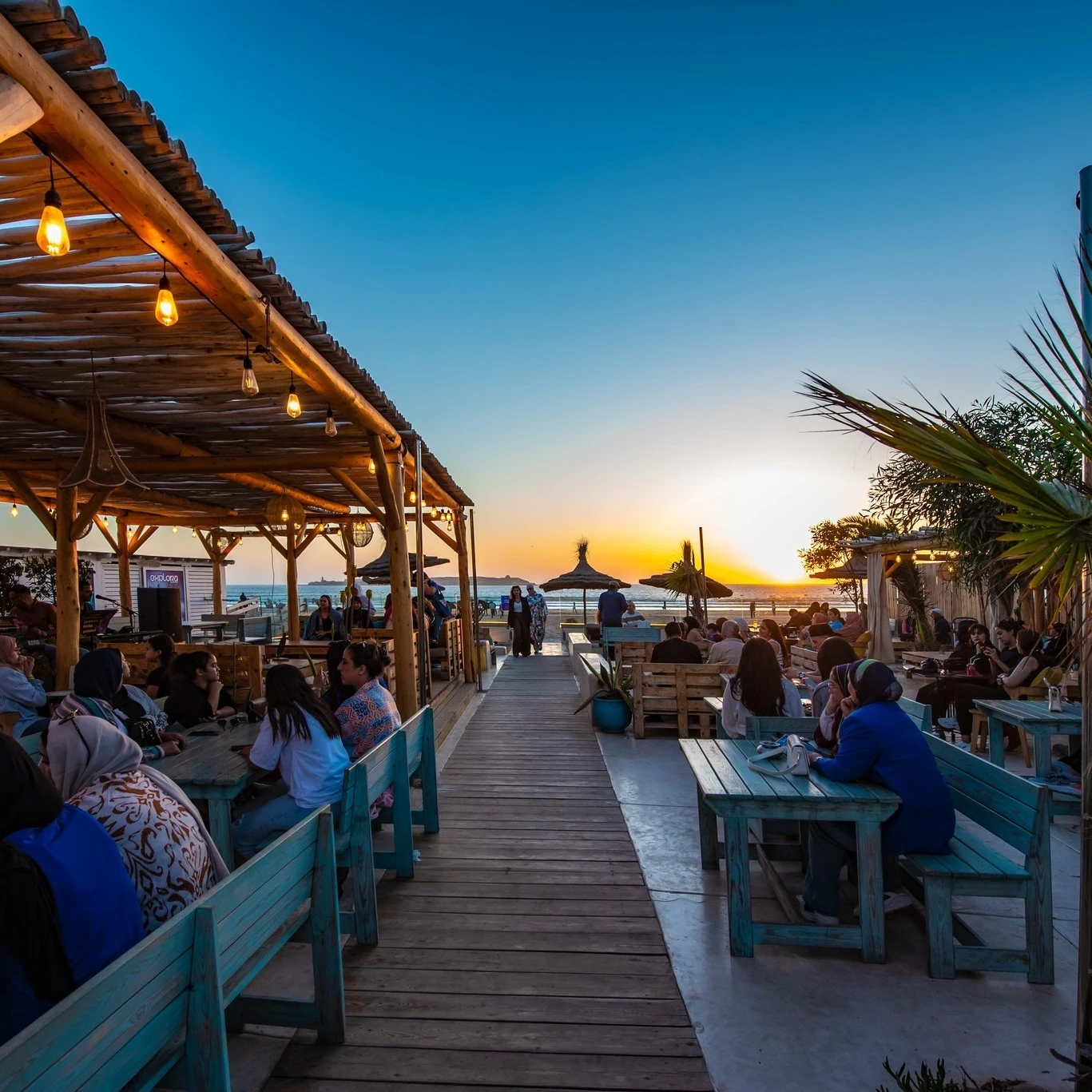
People often search for a separate Marrakech travel advisory. There isn’t one. The U.S. page does not split Morocco into zones, so the Red City, the imperial cities, the Atlas valleys, the dunes of Merzouga and Zagora and the Atlantic coast from Essaouira down to Dakhla all fall under the same Level 2.
What does change from one place to the next is the pace. The medinas of Marrakech and Fes are dense and lively, with plenty of people offering directions or a visit to a shop. Chefchaouen and Essaouira are calm and easy to walk. Desert camps are remote by design and booked in advance. For the city most visitors start with, our page on how Marrakech feels by day and after dark goes street by street.
What Level 2 changes for your trip Contents ↑
Very little. There is no extra paperwork, no change to the visa-free stay for U.S. citizens and no special procedure at the airport. Two things are still worth a minute of your time.
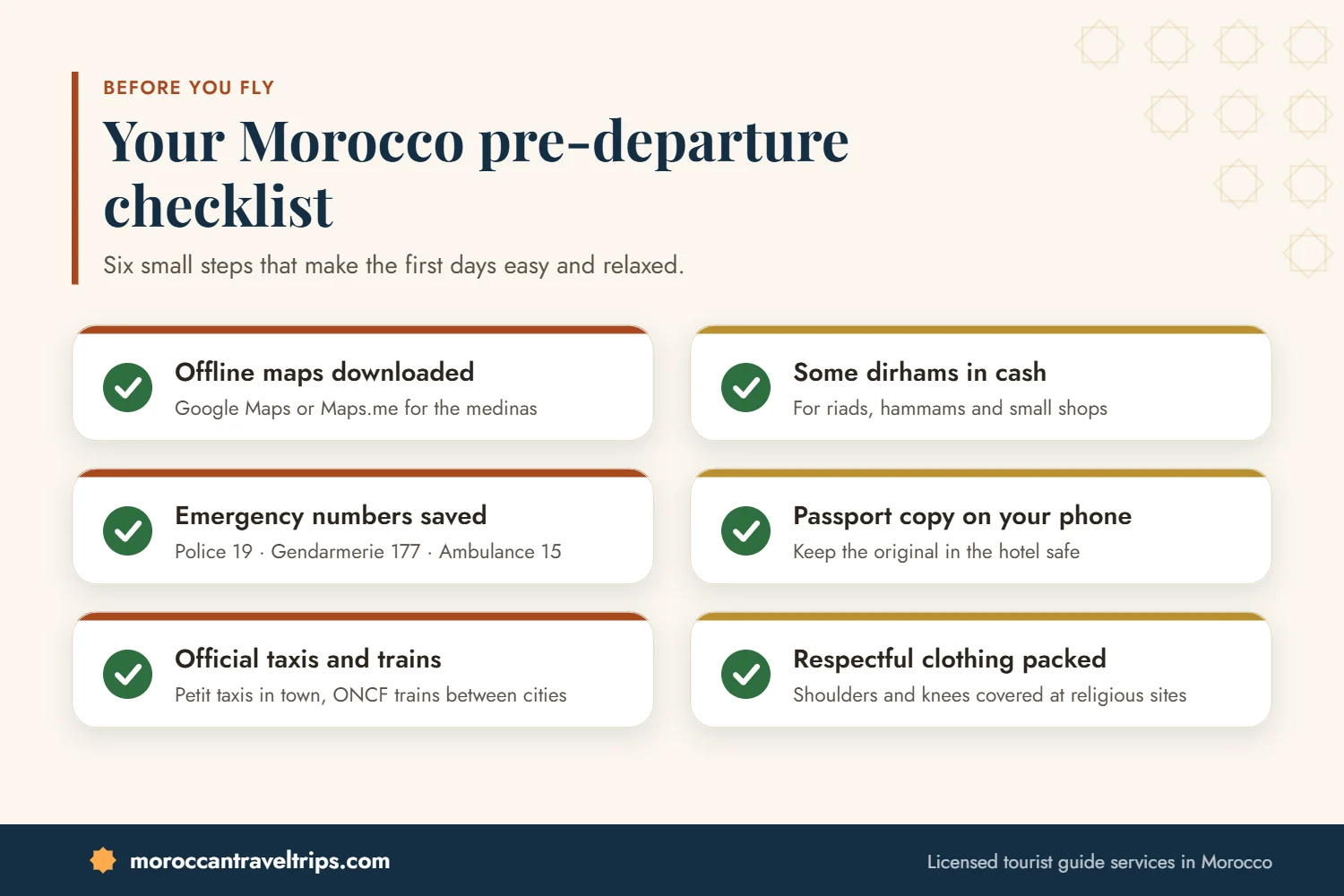
The first is travel insurance. Some policies refer to official travel advice in their terms, often in the cancellation section, so read the wording of yours before you buy rather than after. The second is the set of habits that makes sense in any busy destination: phone and wallet zipped in crowded squares, official taxis, a photo of your passport on your phone.
Most of what visitors actually deal with is commercial, not criminal: an unofficial guide who attaches himself to you near a medina gate, a shop tour you never asked for, a taxi meter that stays off. Ten minutes with the tricks visitors run into most often before you land is time well spent.
Entry checks for U.S. passport holders Contents ↑
The advisory and the entry rules sit on two different State Department pages, and on the day you fly, the second one matters more. The Morocco country information page lists three conditions:
- your passport must be valid for at least six months on the day you enter Morocco,
- it needs at least one blank page for the entry stamp,
- no visa is required for a stay of up to 90 days.
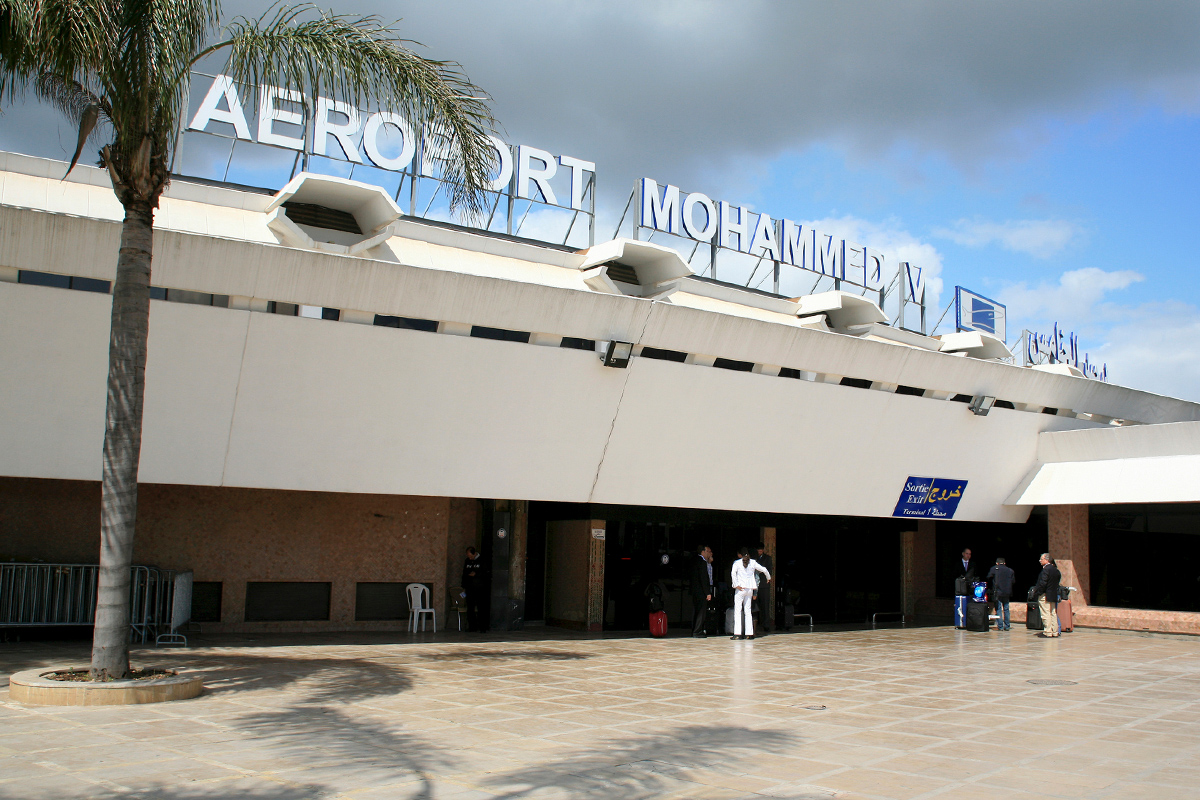
U.S. citizens can also enroll in the Smart Traveler Enrollment Program, a free State Department service that sends you updates from the U.S. mission in Morocco and lets it reach you in an emergency. For consular help, the U.S. Consulate General in Casablanca is the office that serves American citizens; the Embassy in Rabat does not offer consular services. The advisory lists the consulate on +212 5226 42000, with an after-hours emergency line on +212 537 63 72 00.
Customs, currency and health formalities are covered in our guide to entry rules for U.S. citizens.
Local rules worth knowing Contents ↑
The country information page also lists a handful of local rules, and one of them catches visitors more than any other: photography. The State Department asks travellers not to photograph palaces, diplomatic missions, government buildings or other sensitive sites, and to ask the relevant Moroccan authorities when in doubt. If someone in uniform signals no, the camera goes down and that is the end of it.
People are a different matter from buildings. Many are happy to be photographed when asked first, and some will say no, which deserves the same respect. Our notes on taking portraits respectfully cover the medina, the souks and the countryside.
What visitors find once they land Contents ↑
Morocco welcomed a record 19.8 million visitors in 2025, according to the Ministry of Tourism, and the main routes are organised around them. Airports, train stations and the busiest medinas have a visible police presence, including tourist police in the most visited parts of Marrakech and Fes, and Moroccan security services are known for their professionalism. Our region by region look at safety in Morocco goes into more detail.
What shapes a first visit is orientation more than anything else. The Marrakech medina is a maze of lanes with few street signs and no shortage of people offering to show you the way. Tour guiding is a licensed profession in Morocco, and a licensed guide carries an official badge issued by the Ministry of Tourism.
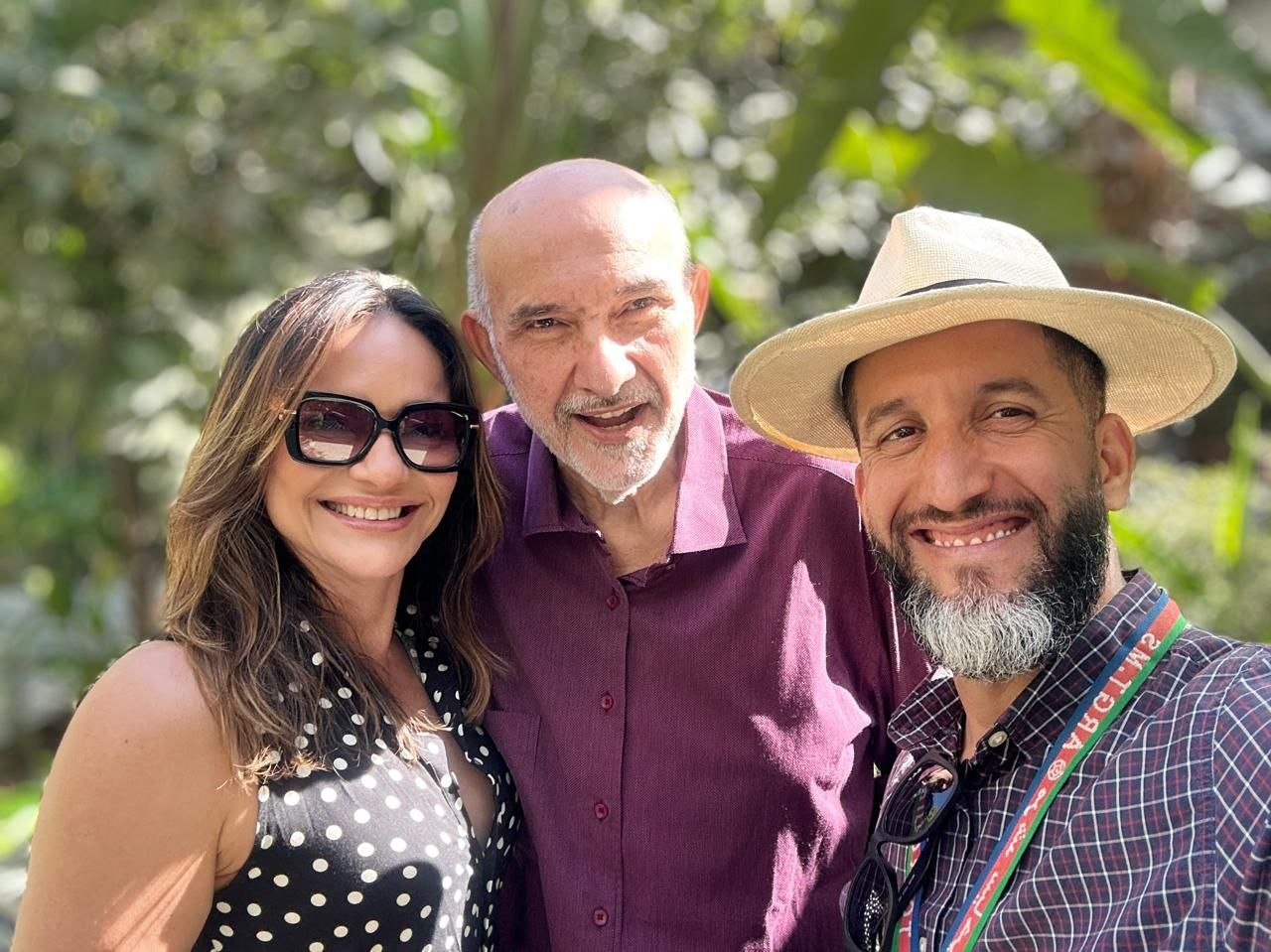
For a first morning in the old city, walking with one turns the lanes into something you understand rather than something you navigate, and it settles the question of who to follow. That is the reason many travellers begin with a guided walk through the Marrakech medina and explore on their own afterwards.
Mistakes people make with advisories Contents ↑
- Reading a copy instead of the page. Blog posts and shared screenshots quote levels that may be out of date. The official page and its date are the reference.
- Reading Level 2 as a warning not to go. Exercise Increased Caution and Do Not Travel are two full steps apart.
- Assuming the advisory affects entry. It does not change visa rules, passport rules or flights.
- Renewing a passport too late. The six months of validity are counted from the day you enter Morocco, not from the day you book.
- Following the first person who offers to guide you. Ask to see the official badge, or arrange a guide before you arrive; our note on finding a licensed guide in Marrakech explains what to check.
Questions travelers ask Contents ↑
Is there a travel advisory for Morocco right now?
Yes, as there is for every country the State Department covers. Morocco is at Level 2, Exercise Increased Caution, the same level as France, Spain and Italy. The current text was reissued on 21 April 2025 after a routine review. Check the date on the official page before you book, because levels can change.
Is Morocco Level 2 or Level 3?
Level 2. Level 3, Reconsider Travel, is one step higher and does not apply to Morocco. The Morocco page has no separate regional levels either, so the whole country, from Tangier to Dakhla, is covered by the same Level 2 advice.
Has the Morocco travel advisory changed in 2026?
As of November 2026 the level is unchanged: Level 2, with the current text dated 21 April 2025. The State Department reviews advisories on a regular cycle, so a new date at the top of the page does not necessarily mean a new level. Compare the level, not only the date.
Will a Level 2 advisory affect my travel insurance?
It depends entirely on the policy. Some insurers refer to official travel advice in their terms, often in the cancellation section, while others do not mention it. Read your own wording, or ask the insurer directly, before you buy rather than after something goes wrong.
Do I need to register with the U.S. Embassy before traveling to Morocco?
It is not required. Enrolling in the free Smart Traveler Enrollment Program takes a few minutes, sends you updates from the U.S. mission in Morocco and lets the consulate contact you in an emergency. It is worth doing if you will be away for more than a few days or travelling outside the main cities.
What should I do if I lose my passport in Morocco?
Contact the U.S. Consulate General in Casablanca, which handles passport services for American citizens; the Embassy in Rabat does not. A photo of your passport’s data page on your phone speeds things up. Your hotel or riad can help you report the loss to the police.
Three checks before you book Contents ↑
Open the Morocco page on travel.state.gov and note the level and the date. Check that your passport will still have six months of validity on the day you land. Read the cancellation section of your insurance. Those three steps take a quarter of an hour, and they answer the questions an advisory raises far better than any summary can.
Then plan the trip you came for: the souks and gardens of Marrakech, a night under the stars near the dunes, the blue lanes of Chefchaouen or the wind on the ramparts of Essaouira.
- U.S. Department of State, Bureau of Consular Affairs: Morocco Travel Advisory, Level 2, reissued 21 April 2025
- U.S. Department of State: Morocco International Travel Information, entry requirements and local laws
- Government of Canada: Travel advice and advisories, Morocco
- Australian Government, Smartraveller: Morocco
- UK Foreign, Commonwealth & Development Office: Foreign travel advice, Morocco
- Ministry of Tourism, Handicrafts and Social and Solidarity Economy: tourist arrivals for 2025
Official advice changes. The institution’s own page is the reference on the day you travel.
This page is published by Moroccan Travel Trips, operated by PROMYTHIC TOURS SARL AU, which offers licensed tourist guide services in Morocco. It summarises the official government pages listed above and does not replace them.