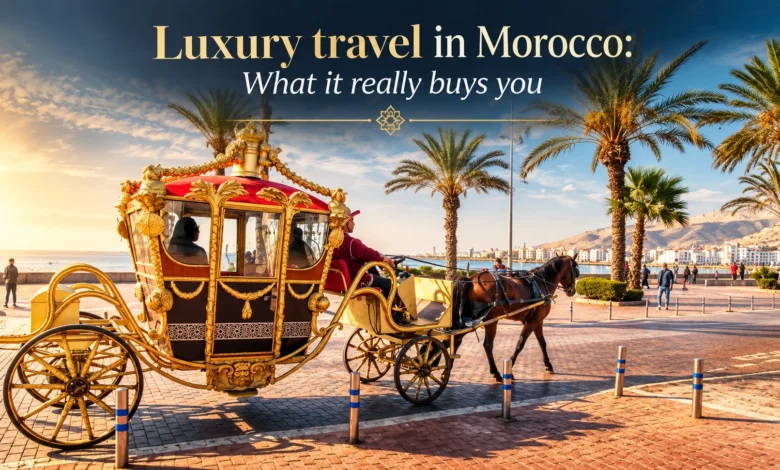
Luxury travel in Morocco is easy to sell and surprisingly hard to deliver. The photographs are always the same: a lantern-lit courtyard, a white tent on an orange dune, a rooftop with the Koutoubia behind it. What separates a trip that lives up to those pictures from one that quietly disappoints is almost never the price. It is a handful of practical decisions taken weeks before anyone lands in Marrakech.
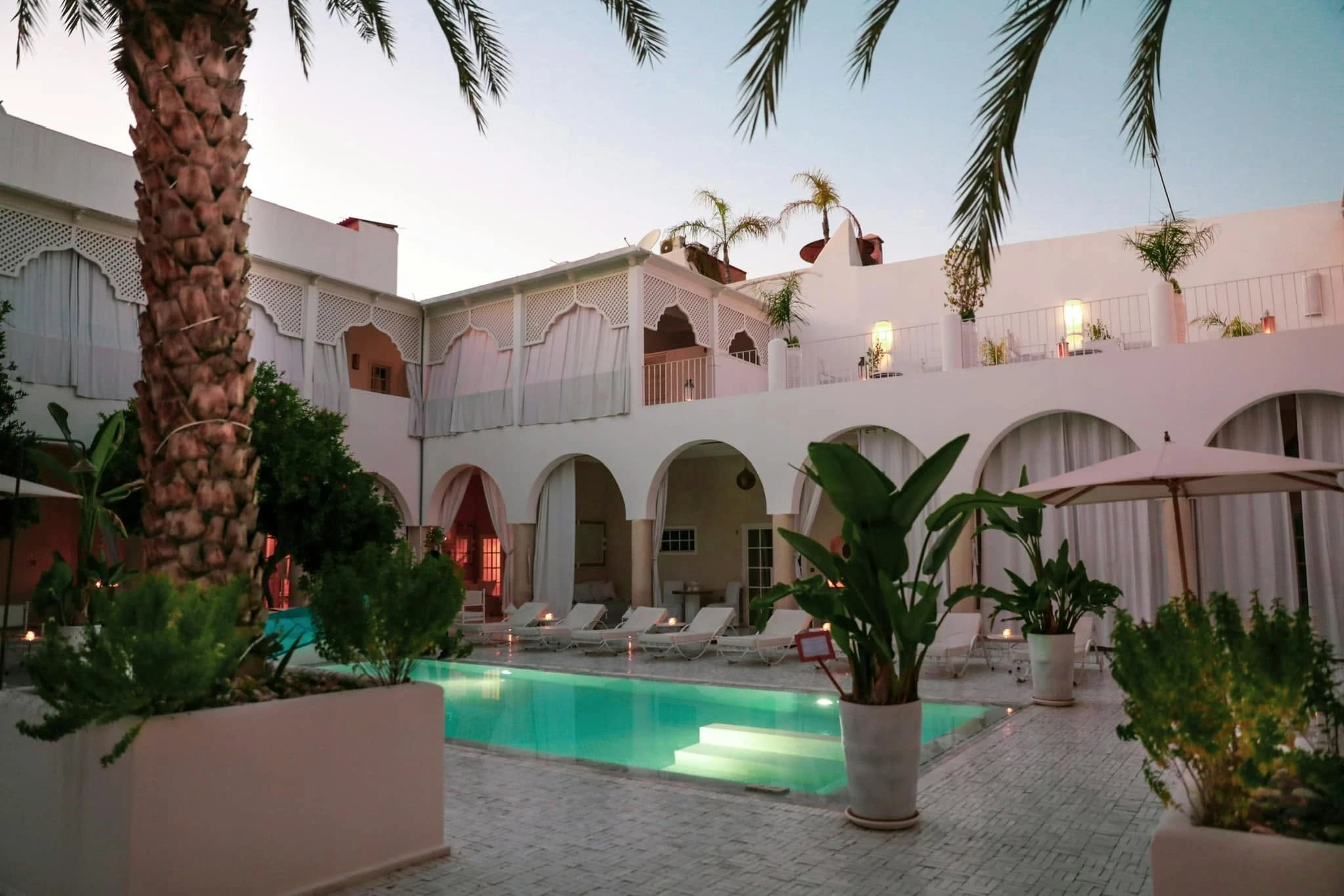
A high-end trip through Morocco usually runs from around 200 euros per person per day, covering a private vehicle with a driver, licensed guides, upper-tier riads or hotels, and a genuine desert camp. Seven days covers Marrakech and the Sahara comfortably, ten adds Fes, fourteen lets you take the coast without rushing.
Spend your budget on the parts of the trip you cannot fix once you arrive: the driver, the guide, the camp, and the food. Riads photograph well and are easy to change at the last minute. A badly sited desert camp, a guide who does not speak your language properly, or a driver who runs an hour late every morning will shape the whole week, and no upgrade will undo it.
- Typical budget
- From about 200 euros per person, per day
- Comfortable length
- 7, 10 or 14 days
- Best seasons
- March to May, October to November
- Transport
- Private vehicle with driver, chosen before departure
- Guiding
- Licensed guide per city and per activity
- Best for
- Couples, honeymoons, families wanting privacy
Starting pointWhat luxury actually buys you here Contents ↑
In most destinations, paying more buys a better room. In Morocco it buys something less photogenic and far more useful: control over your own day. A private vehicle means you leave the Ourika Valley when the light turns instead of when the group finishes lunch. A licensed guide means the medina stops being a maze at the exact moment you would otherwise start looking at your phone. A well-run camp means the last hour of daylight in the Sahara belongs to you rather than to a queue for a camel.
That is the honest definition of luxury Morocco tours: fewer people between you and the country. Thread counts and rose petals follow, and they are pleasant, but nobody remembers them a year later. What people remember is the afternoon they were the only ones on a road, or the dinner that turned out to be genuinely good.
Before bookingThe two questions everyone asks first Contents ↑
After years of arranging private Morocco travel, we can predict the first two questions of almost any client planning a high-end trip. What car will I be in, and which riads and hotels are you putting me in. Both are fair, and both deserve a straight answer rather than a brochure.
On the vehicle, the answer should be a choice, not an announcement. A couple crossing the Atlas wants something different from a family of five with luggage for two weeks, and a group heading to Merzouga in August wants air conditioning that copes with the Draa Valley at three in the afternoon. Any operator arranging a luxury trip to Morocco should offer you options and let you pick, then name the exact vehicle before you pay. If the answer is a vague category, ask again.
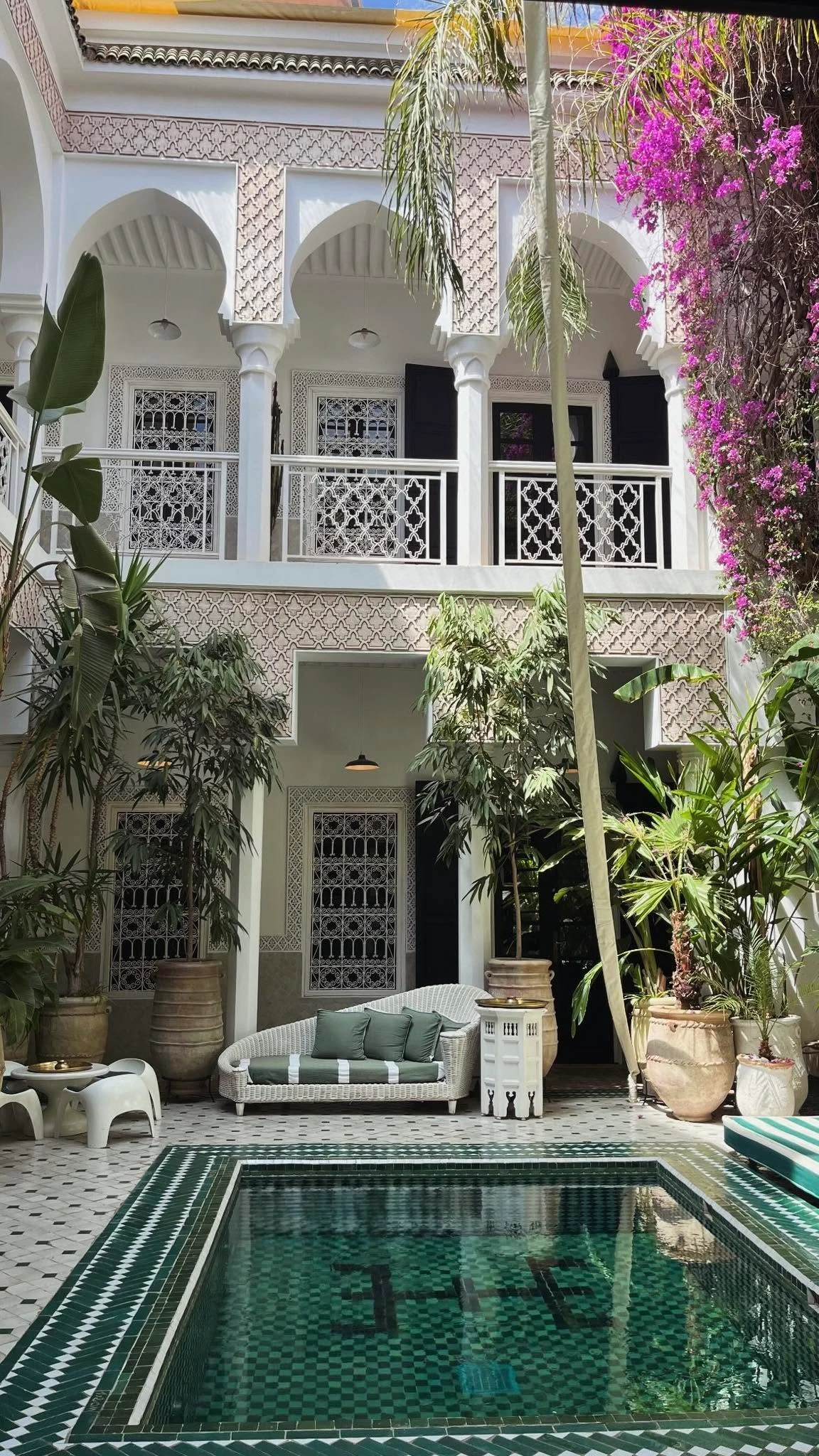
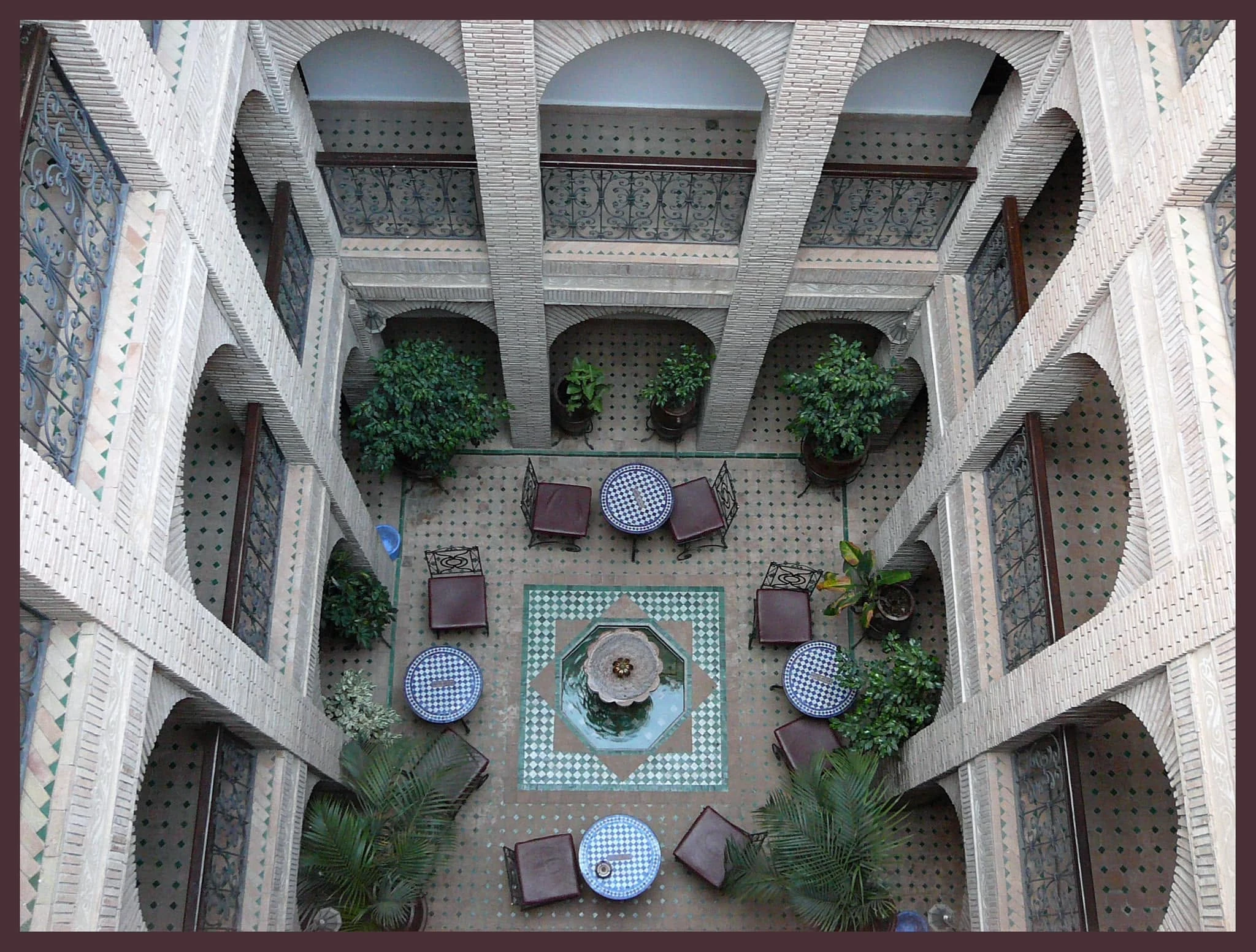
On accommodation, insist on names, not categories. Requesting a riad in the medina rather than a hotel in Gueliz changes your morning completely, and the two are not interchangeable. It is also the easiest part of a trip to adjust later, which is why we tell people not to let it dominate the planning.
The real weak pointWhere these trips actually go wrong: the food Contents ↑
If you asked us to name the single most common disappointment on expensive Moroccan itineraries, it would not be a room, a road or a guide. It would be dinner. Guests arrive expecting the country’s food to be a highlight and are served the same tagine and couscous every evening, cooked for a foreign palate, in three different places that all describe themselves as fine dining.
The cause is structural. Half-board packages hand your evenings to whoever you happen to be sleeping above, and hotel kitchens on a fixed menu have no reason to take risks. The fix is unglamorous: keep at least half your dinners free, ask for the regional dish rather than the safe one, and treat one or two meals as an activity in their own right rather than something that happens after the activity.
This is worth saying plainly because it is the part of luxury travel Morocco brochures never mention. Say in advance what you actually eat, what you dislike, and whether anyone in the party avoids something. A kitchen told two weeks ahead will cook around it. A kitchen told at the table will bring you an omelette.
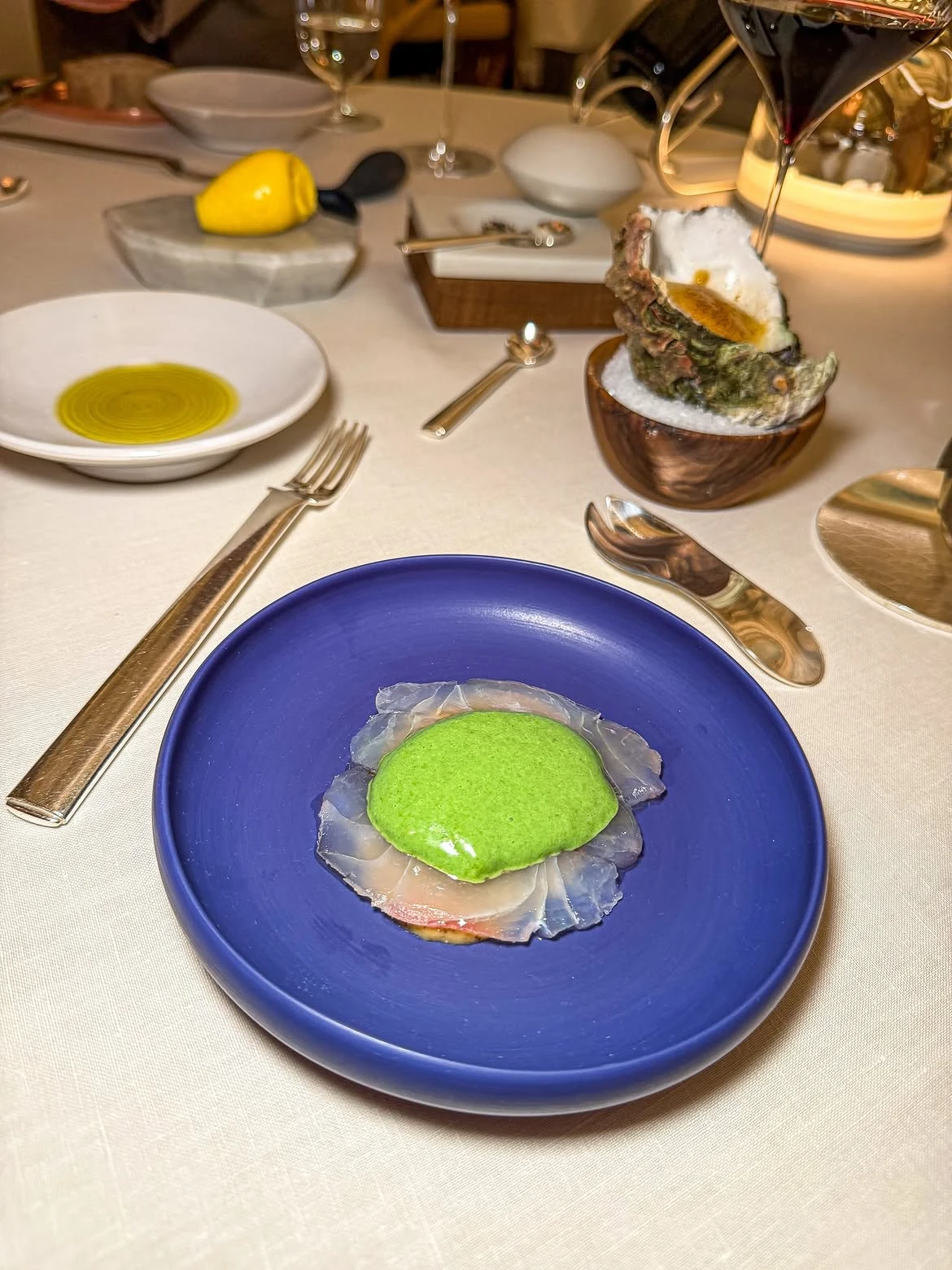
Private luxury food tour in Marrakech
Half an evening spent eating what people here actually eat does more for a first-time visitor than another rooftop with a view. It also recalibrates the rest of the week: once you know what good tanjia tastes like, you order better everywhere else.
See the food tourSecond weak pointThe second failure point: time Contents ↑
The other recurring complaint is punctuality. Not dramatic failures, just a slow erosion: the driver arrives twenty minutes late, the first stop runs long, and by mid-afternoon the day has lost the hour you needed for the thing you actually came for. Over a week it adds up to a missed sunset, a rushed medina, and a photograph you never took.
Departure times are worth treating as part of the booking rather than a detail sorted out the night before. Agree them in writing, and pick them for the light rather than for breakfast. In the Atlas, leaving Marrakech at eight instead of nine is the difference between a quiet valley and a busy one. On the road to Merzouga, that same hour decides whether you reach the dunes before or after the sun drops behind them.
It is also a fair question to put to any operator before you commit. Who exactly is driving, how long have they worked with you, and what happens if they are late. The answer tells you a great deal, and it is worth reading our notes on hiring a driver you can rely on before you sign anything.
Where you sleepRiads, hotels, and knowing which one you want Contents ↑
Luxury riads and international hotels solve different problems. A riad puts you inside the old city, behind a door that muffles the street, usually with a handful of rooms and staff who learn your name by the second morning. It also means an inconvenient arrival, luggage carried the last stretch on foot, and a certain amount of noise that no amount of money removes.
A five-star hotel in the new city gives you space, a proper pool, parking at the door and predictability. Families with young children and travellers with mobility concerns are almost always happier there. Couples on a honeymoon almost always prefer the riad, and often split the stay: two nights in the medina, then two nights outside the walls for the pool and the quiet.
Wherever you land, ask for the room, not the property. In a riad, a courtyard room and a top-floor room are different holidays. Our guide to choosing a riad in Marrakech covers what to look for before you commit.
The SaharaReading a desert camp before you book it Contents ↑
Almost every camp near Merzouga now calls itself luxury, and the photographs have converged to the point of being useless. Three things actually separate them, and none of them show up well on a website.
Materials. Real camps use heavy canvas, proper beds, insulated flooring and bathrooms plumbed rather than improvised. Thin fabric is fine in October and miserable in January, when the temperature drops far more sharply after sunset than most visitors expect.
Siting. This is the one that decides your evening. A camp set deep among the dunes gives you silence and a horizon with nothing on it. A camp parked at the edge, twenty minutes from the road, gives you headlights, generators and other people’s music. Ask how far into the erg the camp sits and how you reach it.
What is served. Whether you are handed a bottle of water and sugary tea, or a proper drinks service and a dinner cooked on site, tells you more about the operation than any star rating. It is also the detail that most reliably predicts everything else.
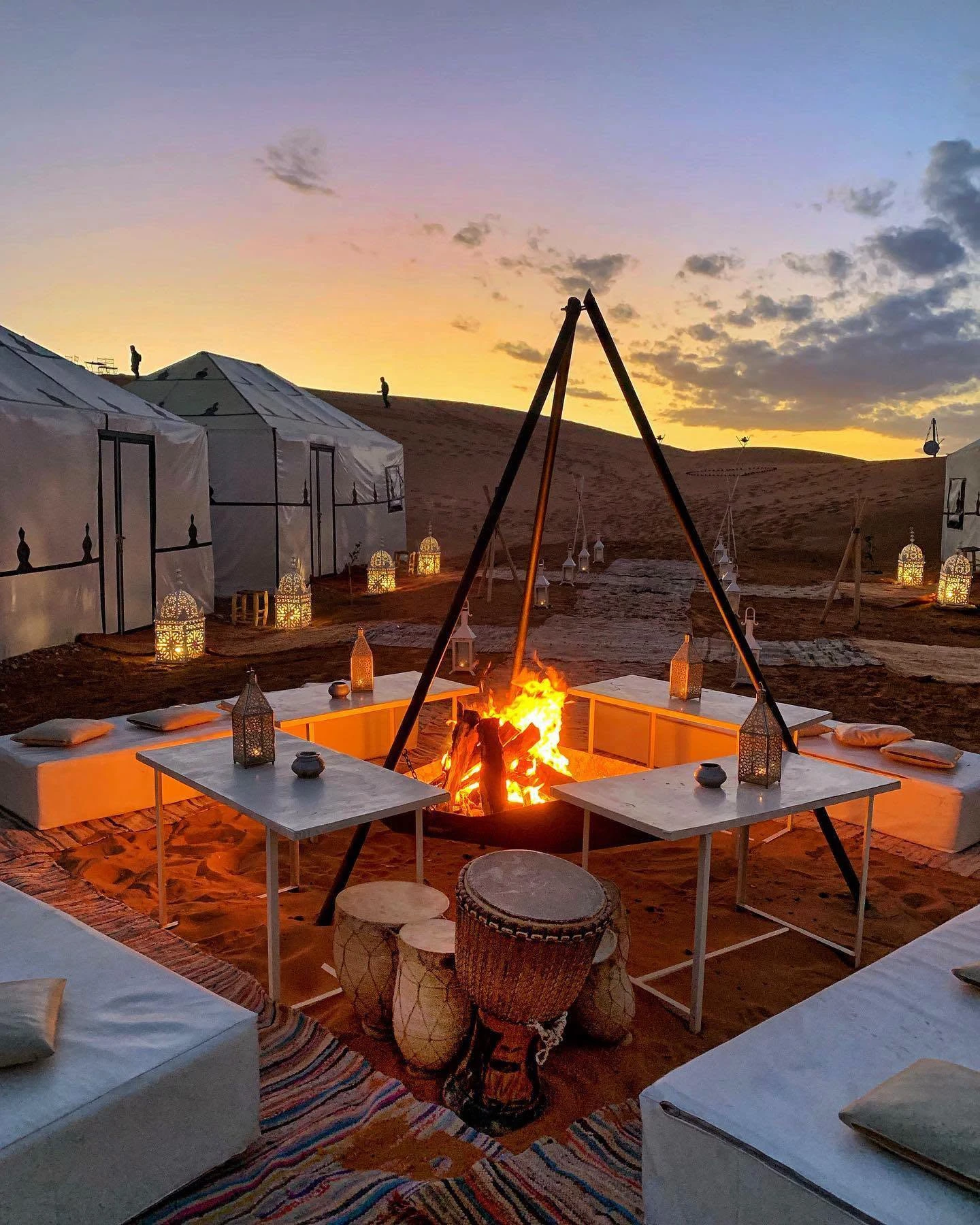
Ask for the camp’s position relative to the last village, not just its name. Two camps advertised identically can sit forty minutes apart, and that gap is the difference between a night of complete silence and a night listening to a generator somewhere behind the ridge.
None of this makes the Sahara a guaranteed highlight for everyone. If long drives exhaust you, the round trip from Marrakech is genuinely demanding, and our honest take on whether the desert is worth the journey is worth reading before you build a week around it.
Private three-day Marrakech to Merzouga desert tour
Run privately, the drive stops where you want it to and reaches the dunes with the light still usable. Two nights out of three are spent moving, which is the honest trade-off of any Sahara trip from Marrakech.
See the itinerary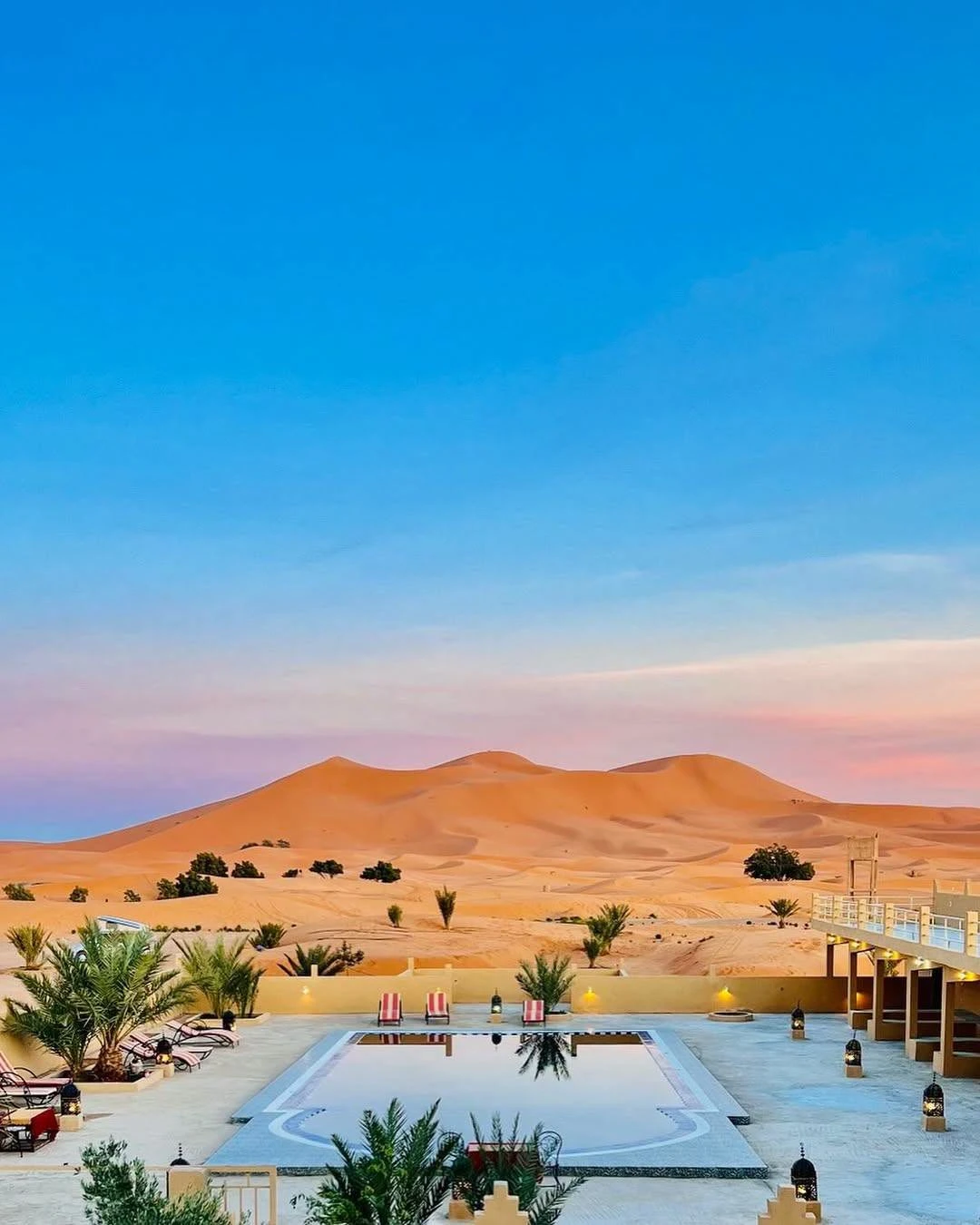
GuidingGuides, languages, and why one guide is not enough Contents ↑
A licence is not a formality here. Guiding in Morocco is regulated, and a licensed guide has been examined on the history and architecture of the place they work in. That is the difference between a walk through the Marrakech medina that explains what you are looking at and a walk that ends in a shop.
Language matters more than people expect. Our Marrakech guiding is handled by a licensed guide working in English, French and Spanish, which sounds like a detail until you are standing in the Ben Youssef madrasa listening to an explanation delivered in a language nobody in your group speaks comfortably.
The other principle is specialisation. The person who should walk you through a medina is not the person who should take you up a mountain trail or across the erg. Each activity has its own guide, and stitching them together is exactly what a tailor made Morocco tour is supposed to do. Ask which guide handles which day, and in which language, before you accept an itinerary.

The routeChoosing the cities, and skipping some Contents ↑
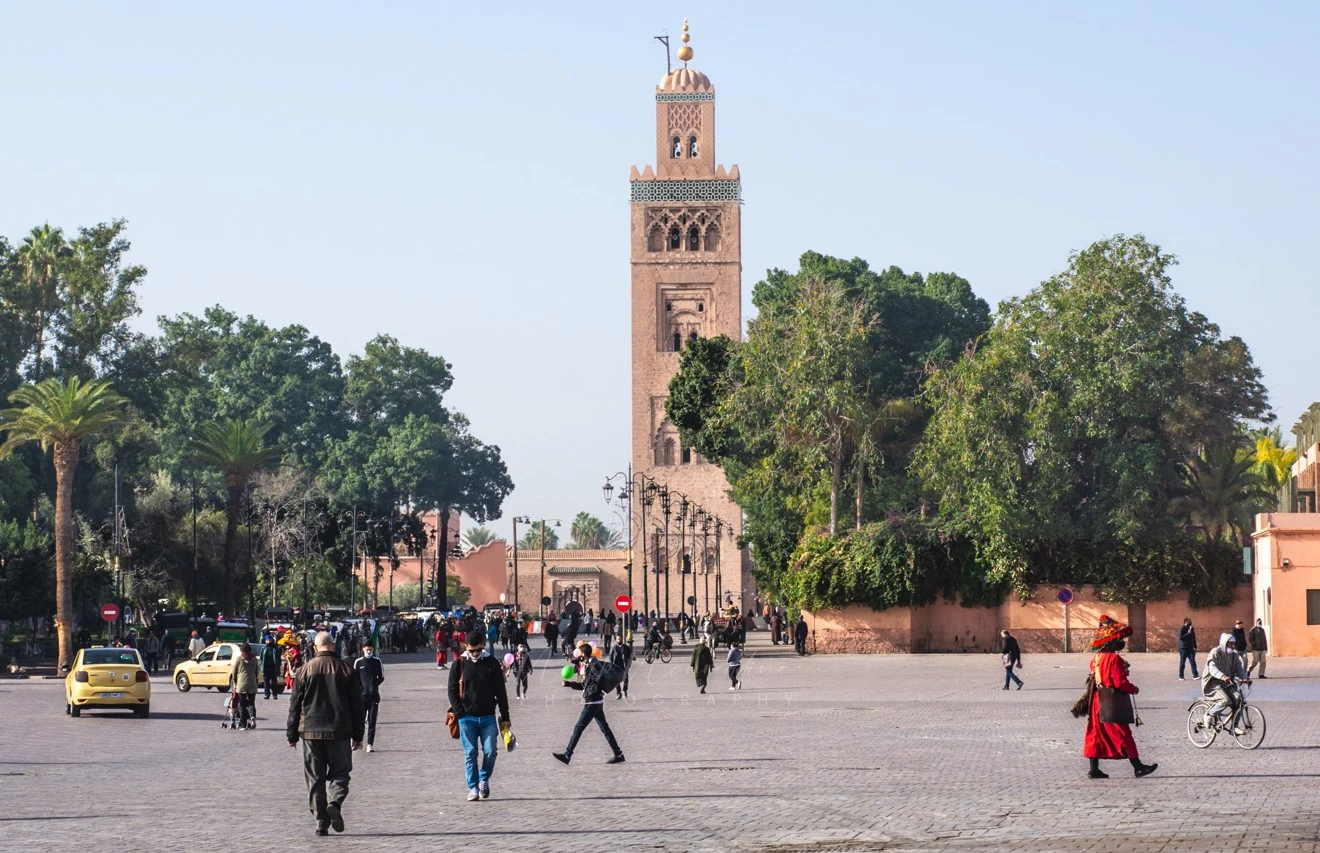
Most luxury Morocco itineraries are built from the same set of pieces, and the skill is in leaving things out. Marrakech is where nearly everyone starts, and two nights is the minimum that lets you see it rather than pass through. Fes rewards a slower pace and a good guide more than any other city in the country, and it disappoints anyone who gives it a single afternoon.
Essaouira works beautifully as a coastal pause after the desert, with wind, fish and none of Marrakech’s intensity. Chefchaouen is genuinely lovely and genuinely far, which is why it belongs to two-week trips rather than one-week ones. Tangier has become interesting again and suits travellers arriving from Spain. Rabat is calm, green and underrated. Casablanca is a working city with a remarkable mosque and, for most visitors, one night is plenty.
The mistake we see most often is trying to hold all of them. Four bases in fourteen days produces a better trip than seven, and the difference is measured in hours not spent in a car. Our guide to how many days Morocco really needs goes into the arithmetic.
LengthSeven, ten or fourteen days Contents ↑
The three common shapes work differently, and the choice is really about how much driving you are willing to accept.
| Criterion | 7 days | 10 days | 14 days |
|---|---|---|---|
| Covers | Marrakech, Atlas, Sahara | Adds Fes and the Middle Atlas | Adds the coast and the north |
| Bases | Two or three | Three or four | Four or five |
| Longest drive | A full day to the dunes | A full day, twice | Spread out, none brutal |
| Best for | First visit, honeymoon | The balanced choice | Families, second visits |
| Weak point | Fes is missing | Little slack for rest days | Needs real commitment |
If you are choosing between them, ten days is the one we recommend most often. Seven is enough for a honeymoon that wants Marrakech and one unforgettable night in the Sahara, and fourteen is where families stop feeling rushed.
BudgetWhat it costs, and where the money goes Contents ↑
As a working figure, a private trip at this level starts at around 200 euros per person per day. That covers the vehicle and driver, licensed guiding, upper-tier accommodation and a real desert camp. Larger groups bring the per-person figure down, since the vehicle and the guide cost the same whether two or five people use them.
Where the money goes matters more than the total. Private transport and guiding usually take the largest share, accommodation next, and food far less than visitors assume. That distribution is worth knowing, because it tells you what to protect when you trim. Cutting the guide to upgrade a room is almost always the wrong trade. Our detailed breakdown of what a week in Morocco costs sets out the numbers by category.
One small thing that catches people out: tipping is customary and expected at every level of service here, and the amounts are modest but frequent. Carrying small notes is worth the trouble, and small notes are worth collecting whenever you break a larger one.
TimingWhen to come, and when not to Contents ↑
Spring, from March to May, and autumn, from October to November, are the two windows where everything works at once: the Sahara is comfortable, the Atlas is walkable, and Marrakech is warm without being punishing. These are also the months when the better riads and camps fill first, which is the practical reason to book early rather than a sales line.
High summer is the honest problem. July and August in Marrakech and the desert interior are severe, and a luxury vacation in Morocco built around walking tours in that heat will not feel luxurious whatever you pay. It can be done well, but it has to be built differently: coastal bases, early starts, and afternoons that belong to the pool. Winter is quieter and often lovely in the cities, though desert nights are genuinely cold and a camp with poor insulation shows its weakness immediately.
Before you commitQuestions to ask before you pay a deposit Contents ↑
- Which exact vehicle, and can I choose from more than one option?
- Who is driving, and how long have they worked with you?
- Are the guides licensed, and which languages does each one actually work in?
- Which camp, how far from the road, and what is served in the evening?
- Which nights are half-board, and which evenings are mine?
- What time do we leave each morning, agreed in writing?
- What can still be changed once the trip has started?
An operator who answers all seven without hedging is worth working with. The last question matters more than it looks: the best private Morocco travel plans leave room to abandon a stop that is not working and spend the afternoon somewhere better.
QuestionsCommon questions Contents ↑
Is a private tour worth it compared with a small group?
For most people at this budget, yes, and the reason is timing rather than exclusivity. Private travel lets you leave early for the light, linger where you want to and cut a stop that is not working. If your dates are fixed and your group is two people, the cost gap is at its widest, so compare carefully.
Can I spend just one night in the desert?
You can, and most people do. Be clear about the trade-off: from Marrakech it means two long driving days around a single night in the dunes. Flying into Errachidia or Ouarzazate shortens the road considerably if the drive is what worries you.
How far ahead should I book for spring or autumn?
Several months for the better riads and camps in March, April, October and November. The properties that fill first are the small ones, which are exactly the ones people want. Vehicles and guides are easier to secure late than rooms are.
Is Morocco a good honeymoon destination in high summer?
It can be, provided the trip is built for the heat. Essaouira and the coast stay manageable when Marrakech and the interior do not. A honeymoon built around midday walking tours in July is a difficult week regardless of how much it costs.
Do luxury hotels and riads accept cards?
At this level, almost always. Cash still matters for tips, small purchases, rural stops and anything bought in a souk. Carry more small notes than feels necessary and you will not think about it again.
Can we change the itinerary once we have arrived?
With a private trip, yes, within reason. Accommodation booked in advance is fixed, but the shape of a day is not. Tell your driver or guide the evening before rather than on the morning itself and most changes are straightforward.
Where to startBuild the trip around the things you cannot fix later Contents ↑
If you take one thing from all of this, make it the order of decisions. Fix the route and the pace first, then the driver and the guides, then the camp, then the food, and let the rooms fall into place last. That sequence is what separates a luxury Morocco holiday that works from an expensive one that almost does.
Tell us what you actually want and we will propose a route, or bring your own and we will build around it. Both approaches work, and the second one usually produces the better trip.
Moroccan Travel Trips is a local agency based in Marrakech, operating as PROMYTHIC TOURS SARL AU. The recommendations above come from trips we arrange and accompany ourselves, including the parts that do not always go to plan.