“There are places that change you quietly — not with grand gestures, but with the weight of silence and a sky so dense with stars you feel strangely small and whole at the same time. The Sahara is one of those places.”
What Makes the Sahara Desert So Special? ↑ Top
The Sahara Desert is the world’s largest hot desert, stretching across more than 9 million square kilometres of North Africa. Yet for most travellers, the name evokes not geography, but feeling — a particular kind of awe that is hard to describe before you’ve stood inside it.
In Morocco specifically, the desert isn’t some remote, inaccessible wasteland. It is a living landscape shaped by millennia of Berber culture, ancient caravan routes, and the quiet rhythms of people who have called this place home long before tourism existed. Understanding the physical features of Morocco — from the Atlas Mountains to the vast erg dunes — helps appreciate just how dramatically the terrain shifts as you travel deeper south.
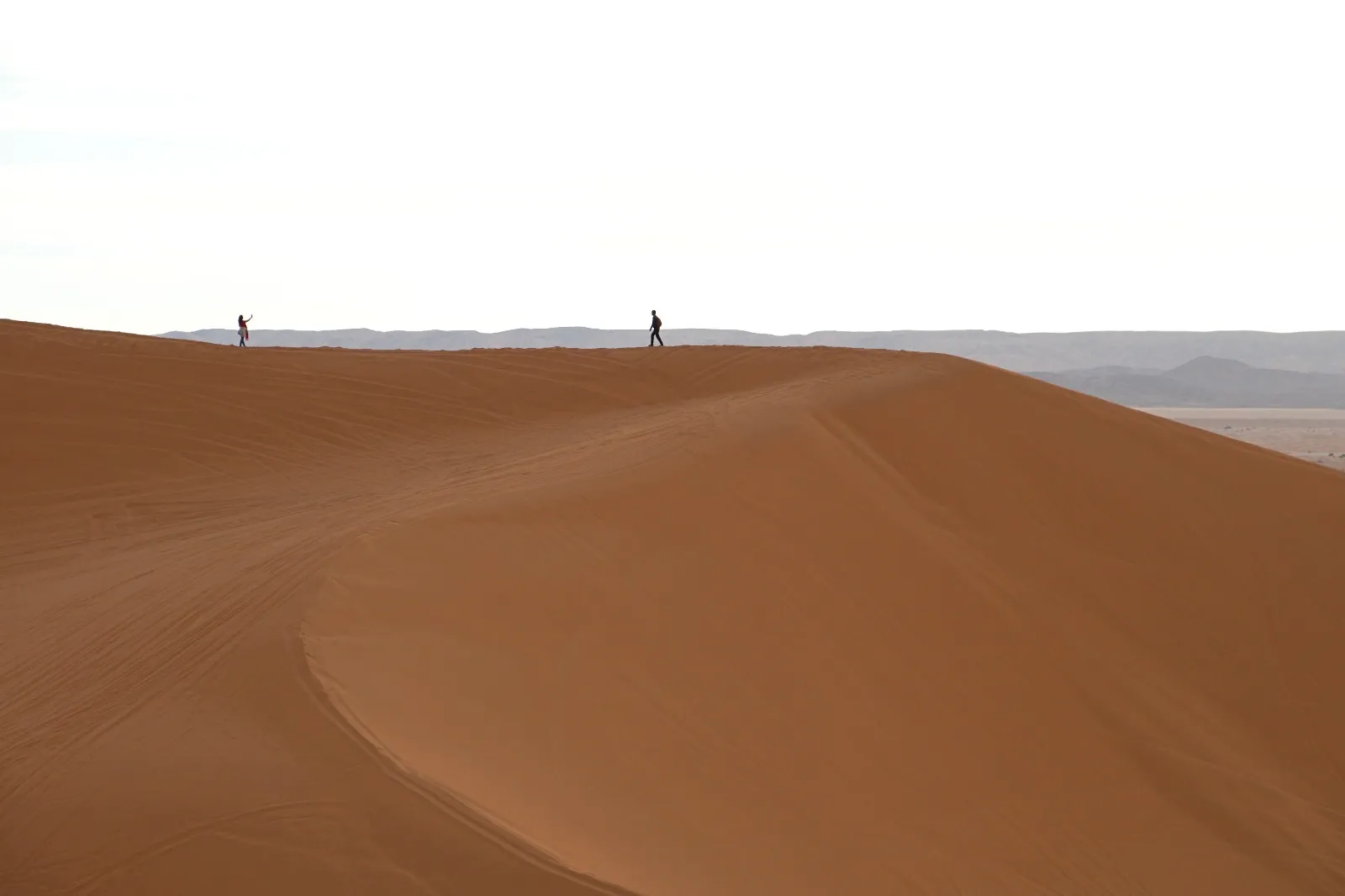
What sets the Moroccan Sahara apart from other desert destinations is the accessibility of its most dramatic scenery. Towns like Merzouga and M’Hamid el Ghizlane sit right at the edge of towering erg dunes, meaning you don’t need days of trekking to find yourself in a landscape that looks lifted from a dream.
Is the Sahara Desert in Morocco Worth Visiting? ↑ Top
Short answer: yes, overwhelmingly. But the more honest answer is — it depends on how you approach it.
Travellers who arrive with inflated expectations of complete solitude sometimes find the more touristy parts of Erg Chebbi busier than expected, especially during peak months. But those who venture even slightly beyond the main camel-ride strips — with a knowledgeable guide — discover a desert that feels genuinely untouched.
Morocco is a country that rewards curiosity. Whether you’re exploring the imperial cities, bargaining in ancient medinas, or watching a sunrise over the Sahara from the top of a 150-metre dune, the country consistently delivers experiences that stay with you. The desert, in particular, tends to be the highlight that people mention first when asked about their trip — often years later.
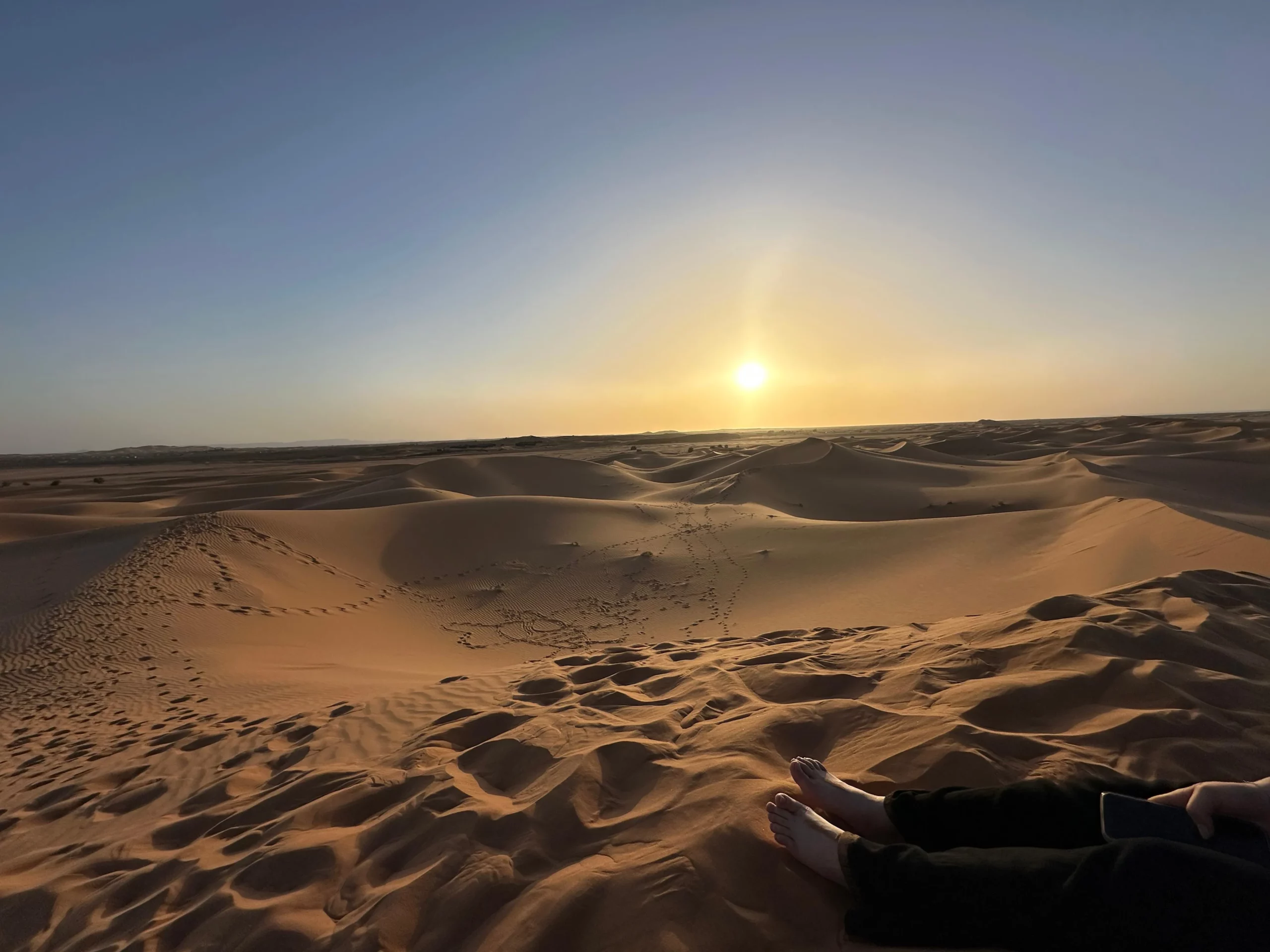
Few natural spectacles rival the colour shift over Sahara dunes at golden hour. Completely free, completely unforgettable.
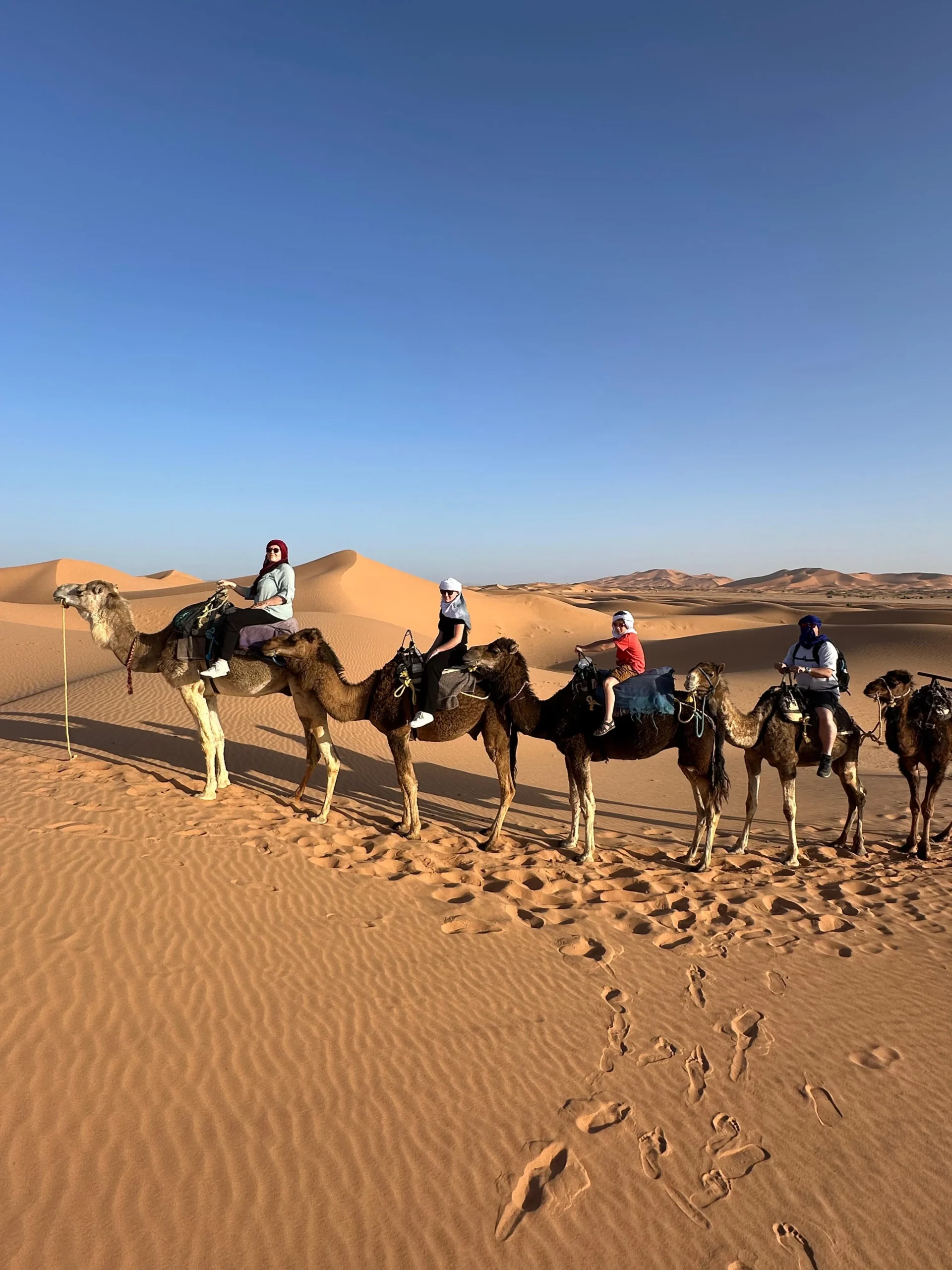
A 2-hour or overnight camel journey through the erg is the most immersive way to understand the desert’s scale.
Zero light pollution means skies so dense with stars they seem three-dimensional. One of Earth’s best stargazing spots.
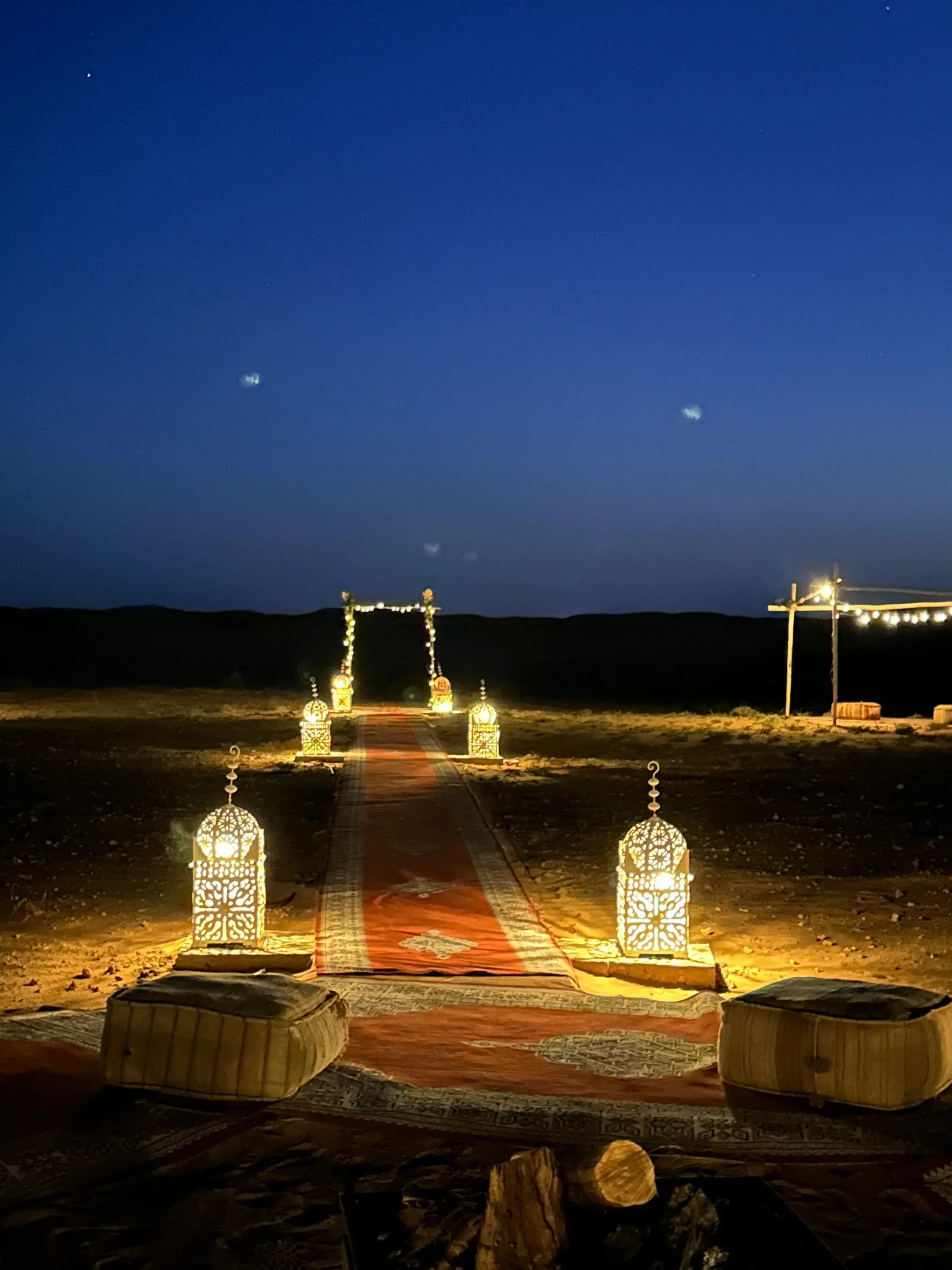
Luxury glamping camps offer four-poster beds, Berber music, and lantern-lit dinners in the middle of the dunes.
What to Expect: Experiences & Highlights ↑ Top
Erg Chebbi — The Classic Sahara Experience
Located near the small town of Merzouga in southeastern Morocco, Erg Chebbi is the destination most people picture when they think of the Moroccan Sahara. The dunes here rise dramatically — some reaching over 150 metres — and their colour shifts from pale gold to burnt ochre depending on the light and the time of day.
You can arrange a camel trek directly from town, stay overnight in a tented camp at the foot of the dunes, or wake before dawn and climb the highest ridge on foot to watch the sun emerge. Each of these is, in its own way, a life-changing 20 minutes.
Erg Chigaga — For Those Seeking Solitude
Further west, near M’Hamid el Ghizlane, the Erg Chigaga dune field is less visited and consequently more raw. Getting there requires a 4×4 journey across a flat, gravelly desert (called reg), which is itself part of the experience. If you’re after a deeper, quieter immersion — fewer tourists, more authentic Berber interaction — this is the better choice.
Cultural Encounters You Won’t Find Elsewhere
The desert communities of southern Morocco — predominantly Amazigh (Berber) and descended in part from ancient trans-Saharan traders — carry traditions that survive largely intact. Sitting inside a nomadic tent over mint tea, listening to gnawa music around a fire, or watching a local family prepare a traditional tagine over coals — these moments are genuinely irreplaceable.
Pros & Cons of Visiting the Sahara Desert ↑ Top
Being realistic helps you plan better. Here’s an honest breakdown of what to expect:
✓ Reasons to Go
- Unmatched natural beauty — dunes, silence, and starlit skies
- Authentic Berber culture and hospitality
- Relatively easy access from Marrakech or Fez
- Range of options — budget to luxury glamping
- Combines well with other Moroccan highlights
- Safe, well-trodden tourist route
- Transformative, story-worthy experience
✗ Potential Drawbacks
- Long drive from major cities (10–12 hrs from Marrakech)
- Peak-season crowds near main dune entry points
- Extreme heat June–August (often 40°C+)
- Sandstorms can occasionally disrupt plans
- Some camps are overpriced for what they offer
- Cold at night in winter — can surprise unprepared travellers
The takeaway: the challenges are real but manageable, especially with good preparation and a reliable local guide who knows the terrain and the seasons.
When Is the Best Time to Visit the Sahara Desert? ↑ Top
Peak season. Warm days (28–32°C), cool nights. Perfect for camel treks and camping. Book well in advance.
Quiet & cold. Daytime is pleasant (18–22°C) but nights drop sharply. Fewer tourists and better deals.
Spring sweet spot. Warm, wildflowers briefly appear after winter rains. Light crowds and good conditions.
Not recommended. Extreme heat (40–50°C). Camel treks are dangerous. Only for heat-adapted travellers.
October through April is the generally accepted window for visiting the Sahara Desert comfortably. If you’re wondering about safety across Morocco, the desert region is considered one of the calmer, more straightforward areas to navigate — especially with an organised tour or local guide.
How to Get to the Sahara Desert in Morocco ↑ Top
For those unfamiliar with the country’s geography, it’s worth first understanding where Morocco is located — it sits at the northwestern edge of Africa, bordered by the Atlantic Ocean, the Mediterranean Sea, and Algeria. The Sahara occupies its southeastern reaches, accessible from the main cities via several routes.
From Marrakech (Most Popular Route)
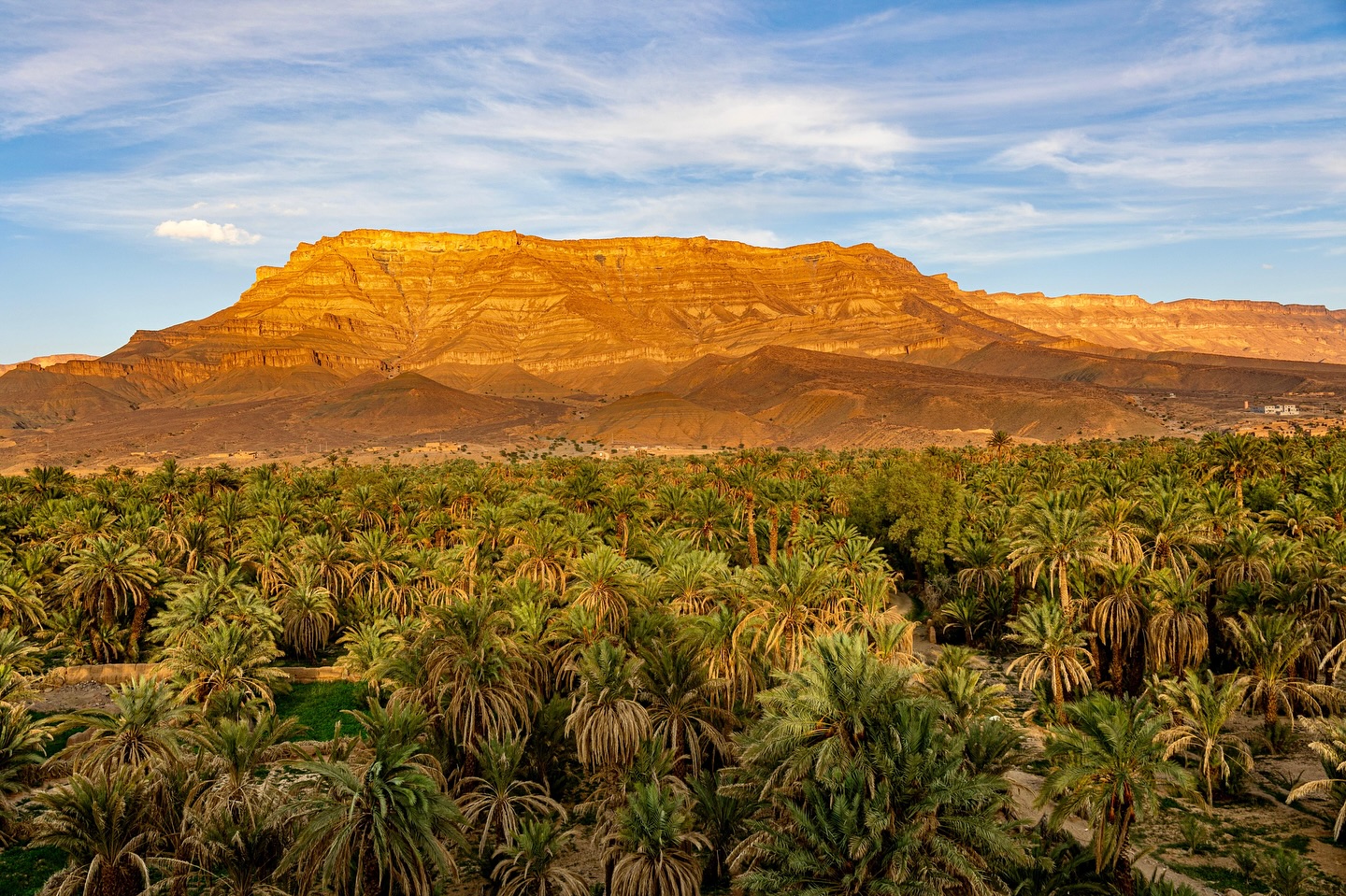
The classic 3-day tour from Marrakech to Merzouga is the most travelled route, passing through the High Atlas Mountains (including Tizi n’Tichka pass), the kasbahs of Aït Benhaddou, the Draa Valley palm groves, and the Dades and Todra gorges before arriving at the dunes. The journey is as rewarding as the destination.
From Fez (Northern Approach)
A 2–3 day drive from Fez through the Middle Atlas, Ifrane, Midelt, and the Ziz Valley offers a completely different perspective on the country’s interior, finishing at Merzouga or Erfoud.
By Private Car or Organised Tour
Public transport exists but is slow and indirect. Most visitors opt for a private tour with a driver-guide, or rent a 4×4 if they have off-road experience. The roads to Merzouga are now fully tarmacked; reaching Erg Chigaga requires a 4×4 from M’Hamid.
Practical Tips Before You Go ↑ Top
Money & Budget
Morocco uses the Moroccan Dirham (MAD). Before your trip, review what currency Morocco uses and current exchange rates. ATMs are available in Merzouga town, but it’s wise to carry cash before heading further into the desert, where card payments are rarely possible.
A well-equipped overnight desert camp with dinner, breakfast, and a camel trek typically costs between 600–1,500 MAD per person depending on comfort level. Budget options exist; so do genuinely luxurious glamping experiences.
What to Pack
A light cotton scarf or shesh (Tuareg-style headwrap) is essential — it protects against sun, wind, and sand equally. Sunscreen with SPF 50+, a refillable water bottle, and a warm layer for desert nights (even in spring) should be non-negotiable items in your bag.
Respect the Environment
The Sahara ecosystem is delicate. Stay on established paths during dune treks, avoid using single-use plastics, and choose operators who demonstrate responsible practices. Leave the desert exactly as you found it.
Talk to a Licensed Local Guide ↑ Top
One of the most effective ways to ensure your Sahara desert trip exceeds expectations is travelling with a licensed professional who knows the terrain intimately — someone who can read the weather, connect you with authentic communities, and handle logistics so you focus entirely on the experience.
Licensed by the Moroccan Ministry of Tourism
Plan Your Sahara Desert Trip with a Certified Expert
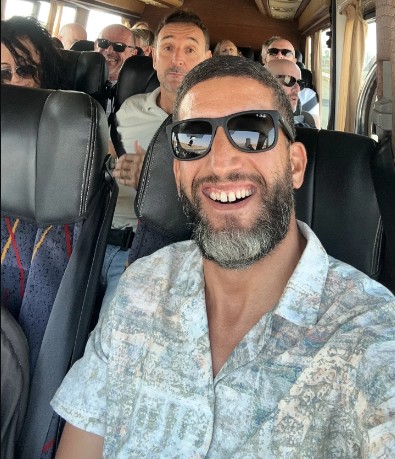
Mouhssine is a certified tour guide licensed by Morocco’s Ministry of Tourism, specialising in desert itineraries across the Sahara. His deep local knowledge, Berber heritage, and commitment to personalised travel make him a trusted companion for first-timers and experienced travellers alike.
Whether you’re planning a 2-day camel trek, a luxury camp experience, or a custom multi-week road trip through southern Morocco, Mouhssine can help you design the trip that fits exactly what you’re looking for.
Chat on WhatsAppFrequently Asked Questions ↑ Top
Final Verdict: Is the Sahara Desert Worth It? ↑ Top
There’s a reason the Sahara Desert consistently ranks among the most memorable travel experiences in the world — and among those who’ve visited Morocco specifically, it’s rarely the cities or the food or even the souks that come up first in conversation. It’s the dunes.
Is the Sahara desert worth it? For the vast majority of travellers who make the journey, the answer is an unconditional yes. The logistical investment — the long drive, the early start, the layers of planning — dissolves the moment you stand on the crest of a dune with nothing but amber sand and open sky in every direction.
What you take away isn’t a photograph, though you’ll take hundreds. It’s something quieter and more lasting: the memory of a place that asked nothing from you except to show up and pay attention.
Connect directly with a Ministry of Tourism–licensed guide and start planning your desert journey today — tailored to your pace, your budget, and what you actually want to see.
Plan My Desert Trip