Moroccan Etiquette for Tourists: Everything You Need to Know Before You Go
Customs, dress codes, dining manners, and social norms — your essential guide to traveling respectfully through Morocco.
Morocco is one of the most captivating destinations in the world — a country where ancient medinas, sweeping desert dunes, and centuries-old traditions exist side by side with a modern, welcoming spirit. But like any culturally rich place, it comes with its own set of social codes. Understanding Moroccan etiquette for tourists isn’t just about avoiding awkward moments; it’s about deepening your connection with the people and places that make this country truly unforgettable.
1. Dress Code & Modesty in Morocco
↑One of the first things to understand about Moroccan culture and etiquette is the importance of modest dress. Morocco is a predominantly Muslim country, and while it is far more liberal than some of its regional neighbors, dressing respectfully shows genuine appreciation for local values — and you’ll often be received far more warmly for it.
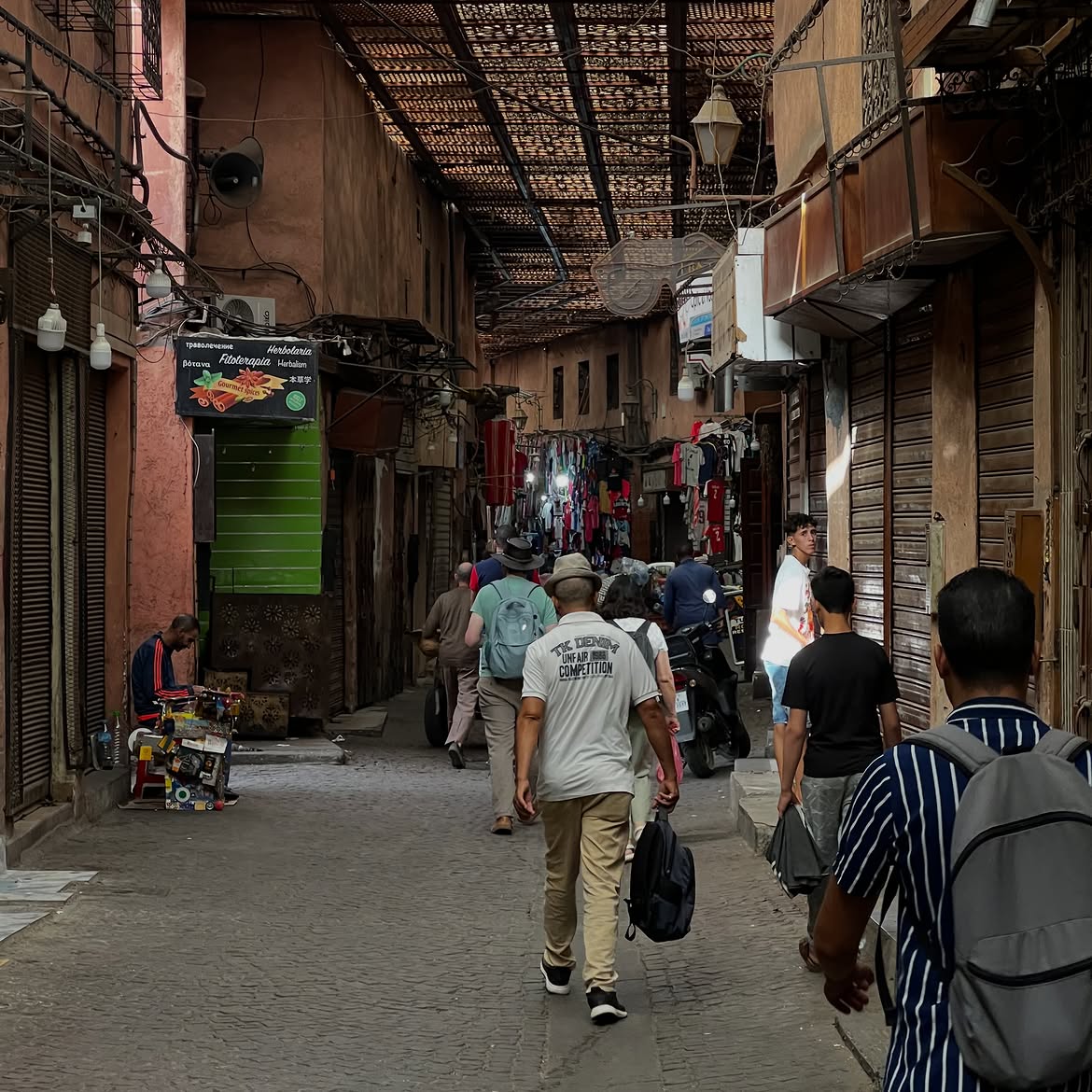
In larger cities like Marrakech, Casablanca, or Rabat, you’ll see a wide spectrum of dress — from traditional djellabas to Western-style outfits. Still, when exploring medinas, visiting religious sites, or traveling to smaller towns and rural areas, covering your shoulders and knees is strongly advisable.
- Women: loose trousers or long skirts, tops that cover the shoulders — a light linen scarf is a versatile travel companion.
- Men: avoid wearing shorts in traditional neighborhoods and religious settings; light trousers work well year-round.
- Beach towns like Essaouira or Agadir are more relaxed — swimwear is fine on the beach itself.
- Pack a layer for evenings; temperatures can drop quickly, especially in the mountains and desert.
Dressing thoughtfully as a tourist in Morocco doesn’t mean sacrificing comfort — it simply means being mindful of where you are. Think of it as part of the cultural experience, not a restriction.
2. Greeting Customs & Social Interactions
↑Moroccans are famously hospitable, and greetings are taken seriously. When you walk into a small shop, meet a local host, or enter someone’s home, a warm “As-salamu alaykum” (Peace be upon you) or simply “Salam” goes an incredibly long way. The standard reply is “Wa alaykum as-salam.”
Physical greetings vary by gender and context. Among men, a handshake followed by placing the right hand over the heart is common and warmly received. Between women, or between friends of the same gender, cheek kisses are the norm. As a foreign tourist, however, don’t assume physical contact with members of the opposite sex is expected — wait for a cue from your Moroccan acquaintance, and a simple smile with a hand-over-heart gesture is always appropriate.
- Always greet the eldest person in a group first — it’s a sign of respect.
- Learning even five words of Darija (Moroccan Arabic) or French delights locals.
- Eye contact during greetings signals sincerity and confidence.
- Never rush a greeting; small talk and pleasantries are culturally meaningful, not filler.
Time flows differently in Morocco. Relationships are built slowly and genuinely. If someone invites you for mint tea, accept — it’s rarely just about the tea.
3. Dining Etiquette & Food Culture
↑Being invited to share a meal in a Moroccan home is one of the greatest privileges a traveler can experience. Food is communal, generous, and deeply symbolic. Tagine, couscous, harira soup, and bastilla aren’t just dishes — they’re expressions of heritage and care.
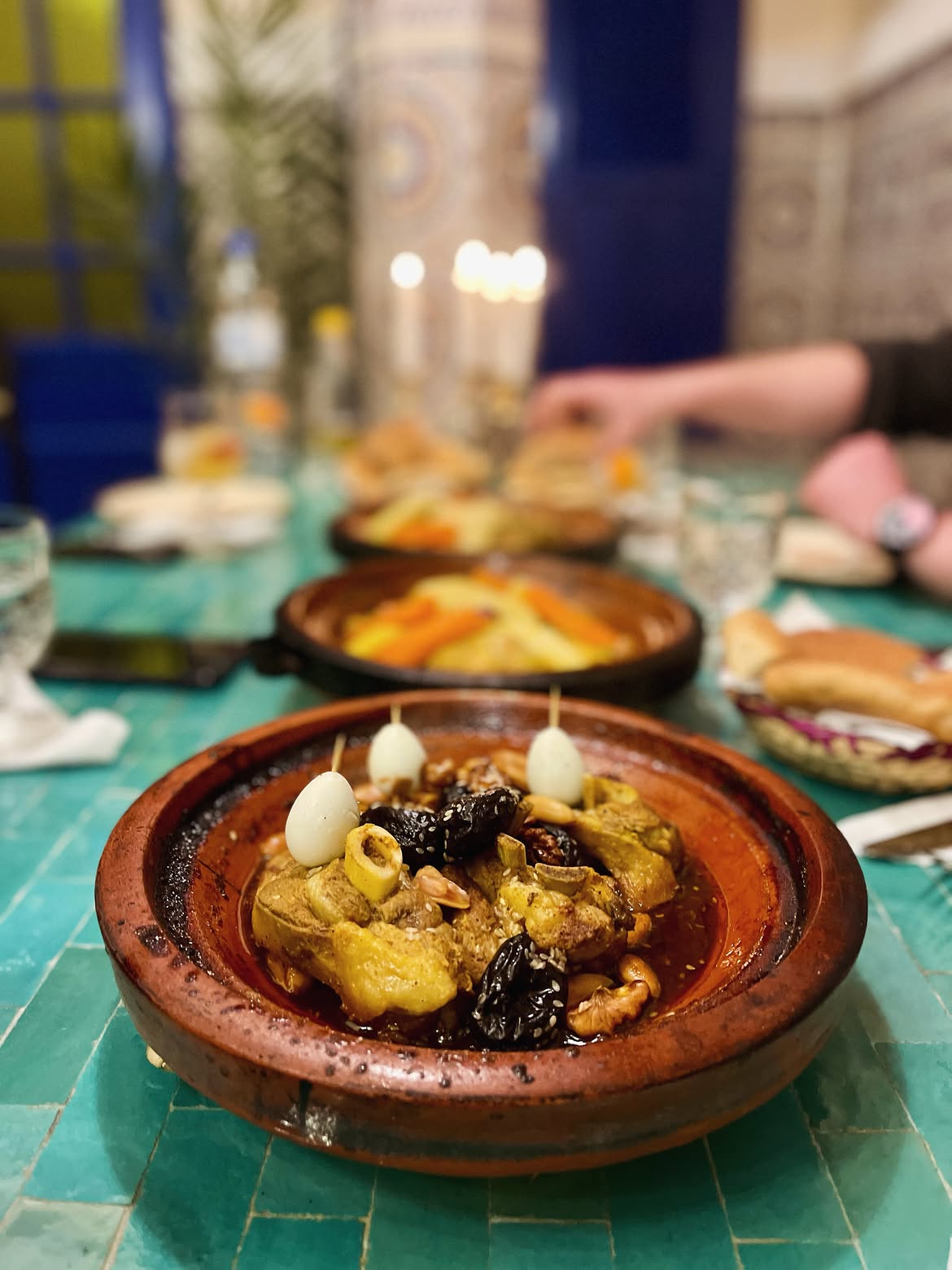
- Always eat with your right hand — the left hand is considered unclean in traditional settings.
- At a traditional table, eat from the section of the communal dish closest to you, not from the center.
- Never refuse food outright; tasting a little of what’s offered honors your host.
- Bread (khobz) is sacred — don’t throw it away or place it on the floor.
- Mint tea poured from a height is a tradition — the froth is intentional and a sign of skill.
- Complimenting the food is always appreciated: “Bnin bzzaf” means “very delicious” in Darija.
In restaurants, the dining etiquette for tourists in Morocco is relaxed. You can use cutlery freely. Tipping is appreciated but not obligatory — more on that below.
4. Mosques, Shrines & Sacred Spaces
↑Morocco’s religious architecture is among the most breathtaking on earth, from the Hassan II Mosque in Casablanca to the medieval mosques of Fes. However, the vast majority of mosques in Morocco are closed to non-Muslims. The Hassan II Mosque is a notable exception and one of the few open to visitors on guided tours.
- Remove your shoes before entering any religious or traditional space.
- Dress modestly — women should cover their hair in certain contexts.
- Speak quietly and avoid using flash photography.
- During prayer times (five times daily), be especially discreet near mosques.
- Jewish quarters (Mellah) and synagogues can often be visited; local guidance is recommended.
5. Photography Etiquette in Morocco
↑Morocco is a photographer’s paradise — the light, the colors, the faces tell stories that need no caption. But photographing people without their consent is both disrespectful and, in some cases, likely to cause real conflict. This is perhaps one of the most important aspects of Morocco travel etiquette that visitors overlook.
- Always ask before photographing a person — “Mumkin tsawer?” means “May I take a photo?” in Darija.
- If someone declines, respect their decision immediately and without argument.
- Some people, especially in tanneries and dye pits, may ask for a small tip if you want to photograph them at work — this is fair and common.
- Photographing military buildings, police officers, or government facilities is strictly prohibited.
- Royal palaces can be photographed from outside, but use common sense about when guards are present.
The best portraits often come from genuine connection — take time to chat, share a laugh, and the camera will follow naturally.
6. Bargaining in Souks & Markets
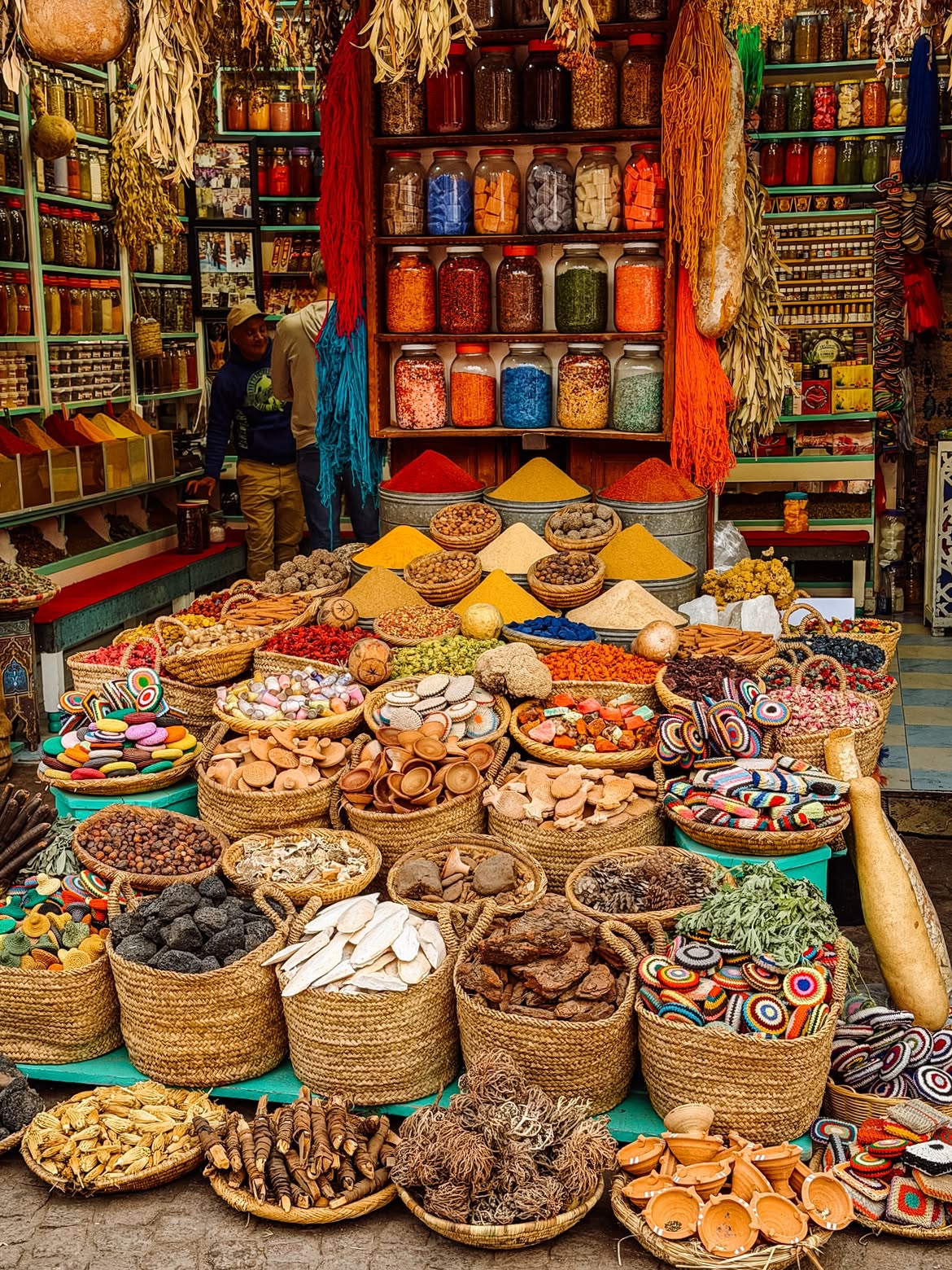
↑Haggling in the souks of Morocco is not just acceptable — it’s an art form, a social ritual, and in many ways, a form of entertainment. When a shopkeeper gives you a price, it is almost always a starting point, not a final offer. Negotiating is expected.
That said, there’s an etiquette to it. Bargaining is playful, not adversarial. Never lowball so aggressively that you insult the craftsman who spent weeks on a handmade carpet. A good rule of thumb is to counter at 50–60% of the initial ask and find a middle ground you both feel good about.
- Show genuine interest but don’t appear desperate — calm curiosity is your best negotiating posture.
- If you agree on a price, you are expected to buy. Walking away after a handshake deal is considered rude.
- Fixed-price shops (often labelled “prix fixe”) exist — don’t haggle there.
- Shopping with a licensed local guide often helps you avoid tourist markups.
- Know what currency Morocco uses and carry small denominations of dirhams.
7. Social Taboos & Cultural Sensitivities
↑Every culture has its unspoken rules, and understanding them transforms a good trip into a great one. Morocco is a complex, layered society — respectful tourists are welcomed with genuine warmth, but a few missteps can create unnecessary friction.
- Alcohol is available in licensed hotels, restaurants, and bars — but drinking in public or near mosques is inappropriate.
- Avoid criticizing the king, the royal family, or Islam — these topics are deeply sensitive.
- Accept hospitality graciously; refusing tea or food multiple times can be seen as unfriendly.
- Use your right hand when passing or receiving items.
- Pointing at people with your finger is considered impolite — gesture with your whole hand instead.
- LGBTQ+ travelers should be aware that same-sex relationships are not legally recognized; discretion is strongly advised.
8. Tipping Culture & Using Currency Wisely
↑Morocco runs on the Moroccan Dirham (MAD). Understanding what currency Morocco uses and how to handle money in local settings is a key part of traveling with confidence. Exchange money at banks or official bureaux de change rather than on the street.
Tipping is not mandatory but is warmly appreciated across the hospitality sector. In Morocco, a small gesture of appreciation carries significant weight in people’s daily lives.
- Restaurants: 10–15% of the bill is a generous and welcome tip.
- Tour guides: 100–200 MAD per day for a half-day tour is appropriate; more for full-day or multi-day experiences.
- Hotel staff & housekeeping: 10–20 MAD per night is common.
- Parking attendants, hammam attendants, and anyone who helps you: 5–20 MAD is sufficient.
- Always tip in dirhams rather than foreign currency when possible.
9. Visiting Morocco During Ramadan
↑Ramadan is one of the most spiritually significant times in the Islamic calendar, and experiencing it in Morocco is genuinely remarkable. The atmosphere at sunset (iftar) in a Moroccan medina is something that stays with you forever. However, it comes with specific etiquette for tourists.
During daylight hours, Muslims fast from food, water, and smoking. As a non-Muslim visitor, you are not expected to fast, but eating, drinking, or smoking conspicuously in public during the day is considered disrespectful and may even be illegal in some contexts.
- Eat and drink discreetly — inside your hotel room or in designated tourist areas is safest during the day.
- If invited to join an iftar (the meal that breaks the fast at sunset), accept — it’s a profound honor.
- Business hours shift significantly; expect some shops and services to open later and close earlier.
- The evenings come alive with music, food, and celebration — Ramadan nights are magical for tourists.
10. Safety, Respect & Peace of Mind
↑Many visitors wonder whether Morocco is safe to visit for tourists before planning their trip. The short answer is yes — Morocco is generally a safe and tourist-friendly country with a well-developed hospitality infrastructure. That said, like any destination, being street-smart and culturally aware makes a real difference.
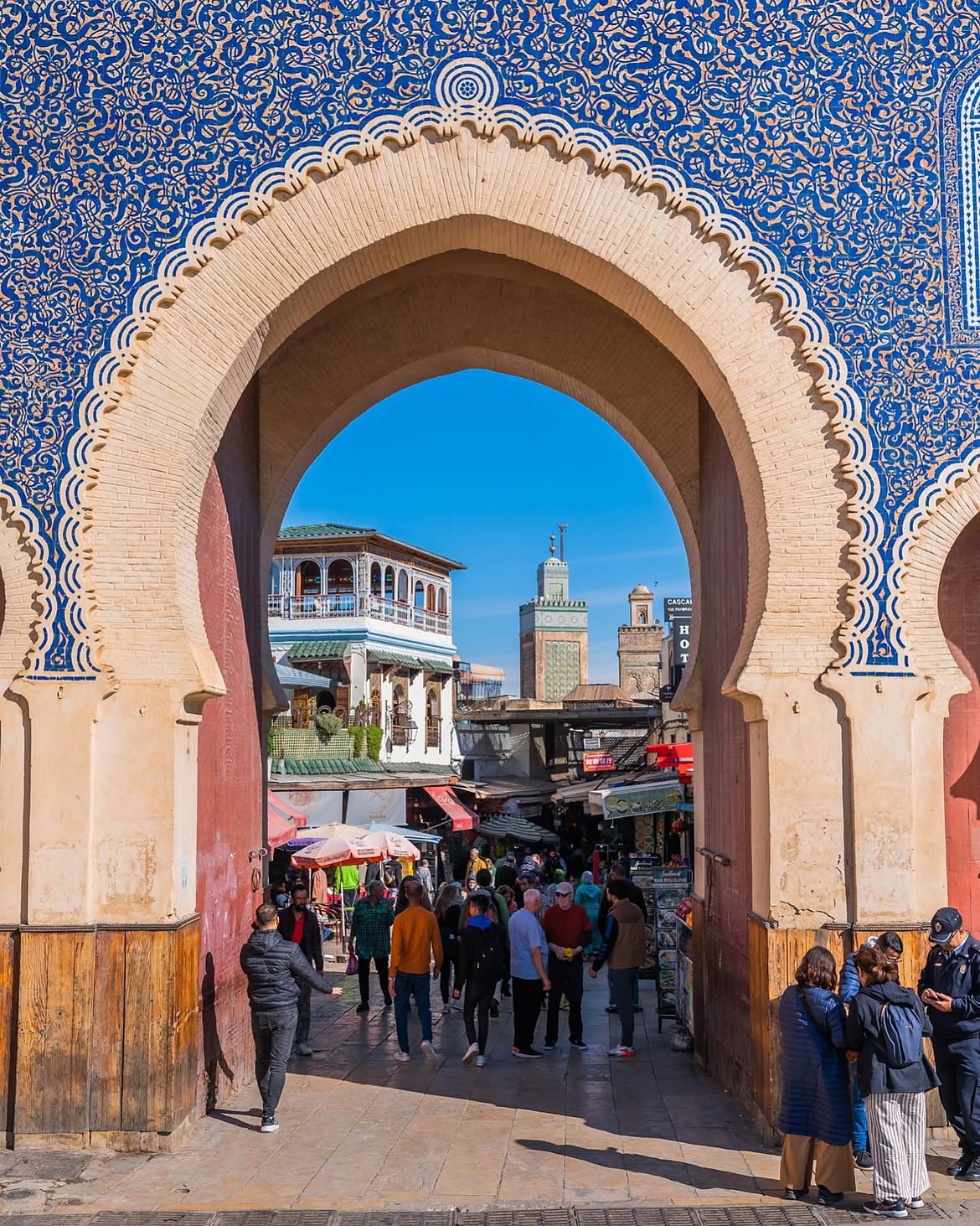
Morocco spans an extraordinary range of physical features — from Atlantic coastlines and the Rif Mountains to the vast Sahara. Whether you’re trekking in the Atlas or wandering through the cities of Morocco like Fes, Chefchaouen, or Marrakech, staying respectful and informed is your best travel insurance.
- Beware of unofficial “guides” in major medinas who approach you unsolicited — always use licensed guides.
- Keep a digital copy of your passport and travel documents.
- Agree on taxi fares before getting in or ask the driver to use the meter.
- Solo female travelers should dress modestly and consider traveling with a licensed guide in smaller towns.
- Trust your instincts, and don’t be afraid to politely but firmly say no to persistent vendors.
11. Plan Your Trip with a Licensed Local Guide
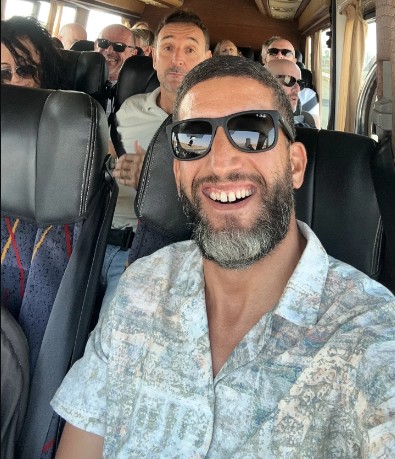
↑The best way to truly understand Moroccan etiquette, culture, and hidden gems is to explore with someone who lives and breathes it every day. A licensed guide doesn’t just show you places — they translate the country for you, navigate the unwritten rules, and open doors that no guidebook can.
12. Final Thoughts: Travel Morocco with Respect & Curiosity
↑Morocco rewards the curious and the respectful. Understanding Moroccan etiquette for tourists isn’t about following a rigid rulebook — it’s about approaching this extraordinary country with the same openness and warmth that Moroccans themselves offer to the world. Dress thoughtfully, greet sincerely, eat slowly, haggle playfully, and ask before you photograph. Do these things, and Morocco will give you far more than any itinerary could promise.
From the labyrinthine alleys of Fes to the sand seas of Merzouga, from the blue streets of Chefchaouen to the Atlantic ramparts of Essaouira — every corner of this country has a story. Go hear it, respectfully and fully.