Best Places in Morocco
to Stay Long-Term
From ancient medinas to Atlantic breezes — a practical, honest guide to Morocco’s finest long-stay destinations for expats, nomads, and slow travelers.
Morocco has quietly become one of the world’s most compelling long-stay destinations. Whether you’re a digital nomad hunting for affordable internet cafés and co-working spaces, a retiree drawn by warm winters and Mediterranean-style living, or simply someone who fell in love with the country on a first visit and never quite wanted to leave Morocco has something real to offer.
But not every Moroccan city suits every lifestyle. The bustling chaos of Marrakech is worlds apart from the windswept calm of Essaouira. Fez’s ancient medina runs on a rhythm that can either ground you or overwhelm you. Agadir offers resort comforts, while Taghazout has quietly evolved into a surfer-nomad hub with genuine infrastructure. And Tangier, long misunderstood, is enjoying a quiet renaissance that makes it one of North Africa’s most interesting cities to put down temporary roots.
This guide is built on ground-level experience. It covers the best places in Morocco to stay long-term, looking honestly at costs, connectivity, community, lifestyle, and the practical realities that matter once the tourist-brain switches off. You can also explore Moroccan Travel Trips for broader destination inspiration and planning resources.
Why Morocco for a Long-Term Stay? ↑
Before diving into specific cities, it’s worth stepping back and asking: why Morocco at all? Understanding where Morocco sits geographically already hints at the answer it occupies a rare sweet spot between Europe, Africa, and the Arab world, just 14 kilometers from Spain at its closest point.
Practically speaking, Morocco offers a standard of living that punches well above what the price tag suggests. Monthly costs for a comfortable life a furnished apartment, groceries, dining out, local transport can range from roughly €600 to €1,400 depending on your city and lifestyle, making it genuinely affordable for those earning in euros, dollars, or pounds.
The country also benefits from a relatively stable political environment, year-round appealing weather in most regions, and a government that has increasingly positioned itself as expat-friendly. Fast 4G and growing 5G coverage means remote work is increasingly viable, and the time zone (UTC+1 year-round since 2018) is perfectly aligned with European working hours.
It’s worth checking our Morocco travel tips for first timers if you’re still at the exploratory stage getting a feel for the country before committing to a longer stay is always wise.
1. Marrakech — The Red City ↑
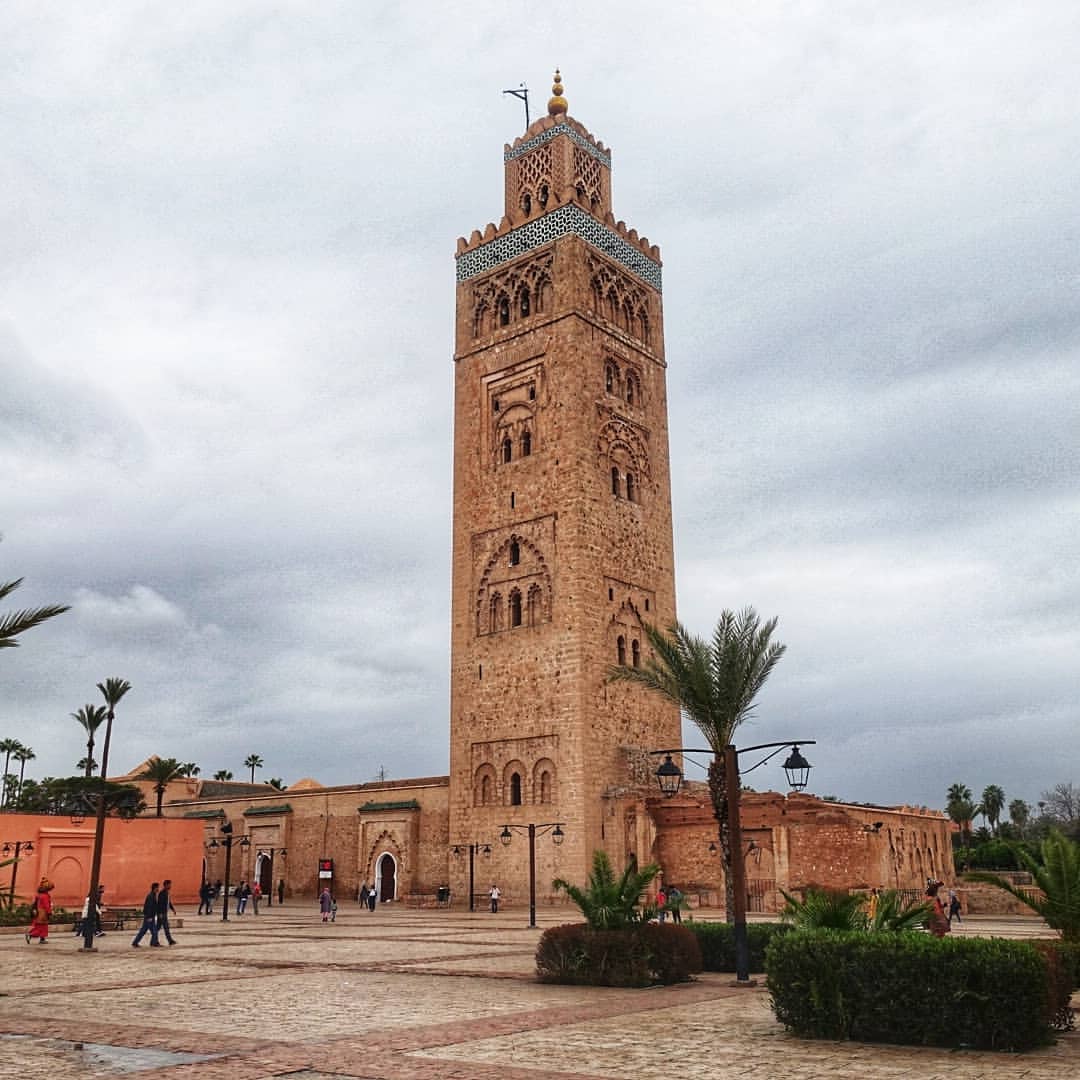
Marrakech
Marrakech is the name most people mention first, and for good reason. It’s Morocco’s most internationally connected city, with direct flights to dozens of European capitals, a large and well-established expat community, and infrastructure that has genuinely matured over the past decade.
The city splits into two worlds. The medina — the ancient walled city — is all winding alleyways, atmospheric riads, and the sensory overload of Jemaa el-Fna square. Living here means surrendering to noise and narrow streets in exchange for some of the most beautiful and historically rich accommodation on earth. A riad in the medina can be rented for anywhere from €400 to over €1,000 a month depending on size and quality.
The Guéliz and Hivernage neighborhoods offer a contrasting modern experience wide boulevards, rooftop restaurants, co-working spaces, international supermarkets, and a pace of life that doesn’t require earplugs. Guéliz in particular has emerged as the go-to base for long-stay residents who want Morocco’s cultural richness without living inside a heritage site.
Summers in Marrakech are genuinely hot July and August regularly push above 38°C. This is when much of the local expat community migrates toward the coast. If you’re planning a long-stay specifically in summer, you may want to reference our piece on the best places in Morocco in summer, as coastal alternatives like Essaouira or Agadir become significantly more comfortable.
- Largest international expat community
- Direct flights across Europe
- Rich cultural and culinary scene
- Strong infrastructure and services
- Growing co-working ecosystem
- Extreme summer heat
- Tourist-inflated prices in the medina
- Can feel overwhelming long-term
- Traffic congestion in newer areas
2. Fez — The Soul of Morocco ↑
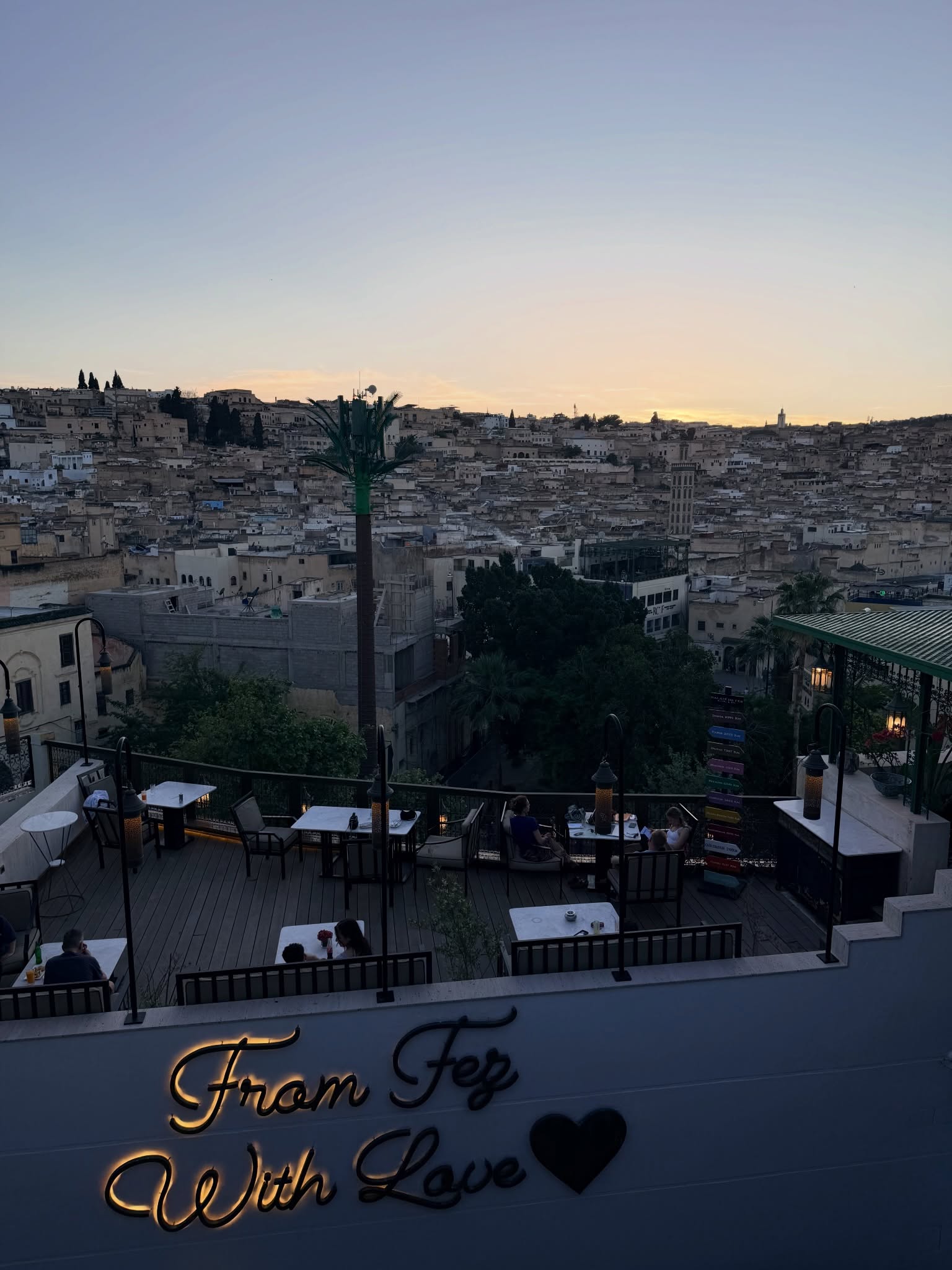
Fez
If Marrakech is Morocco’s international face, Fez is its heart. The Fes el-Bali medina is UNESCO-listed and is arguably the world’s largest car-free urban area a medieval maze that has remained functionally intact for over a thousand years. For those who want genuine cultural immersion, few places on earth offer what Fez does.
Long-stay costs are meaningfully lower than Marrakech. A comfortable riad apartment in the medina can be found for €300–600 per month, while the newer Ville Nouvelle district offers modern apartments at €350–700. The overall cost of living is gentle: local restaurants, fresh produce markets, and public transport keep daily expenses modest.
The trade-off is connectivity — both physically (Fez’s international airport has fewer direct routes than Marrakech or Casablanca) and socially (the expat community is smaller and more scattered). That said, Fez has a large student population thanks to its university scene, which gives it an intellectual energy that many long-term residents find deeply appealing. Arabic language learners in particular often choose Fez precisely because the Darija spoken here is considered among the richest dialects.
Winters can be cool and occasionally rainy — noticeably different from Morocco’s Saharan south. If you want guaranteed warmth year-round, Fez is not your best bet. But if you’re willing to layer up for a few months in exchange for everything else this city offers, the reward is extraordinary.
- Lowest cost of living among major cities
- Unmatched cultural and historical depth
- Quieter, more authentic pace
- Strong Arabic-learning environment
- Fewer international flights
- Small expat community
- Cooler, wetter winters
- Medina navigation is genuinely challenging
3. Essaouira — Atlantic Calm ↑
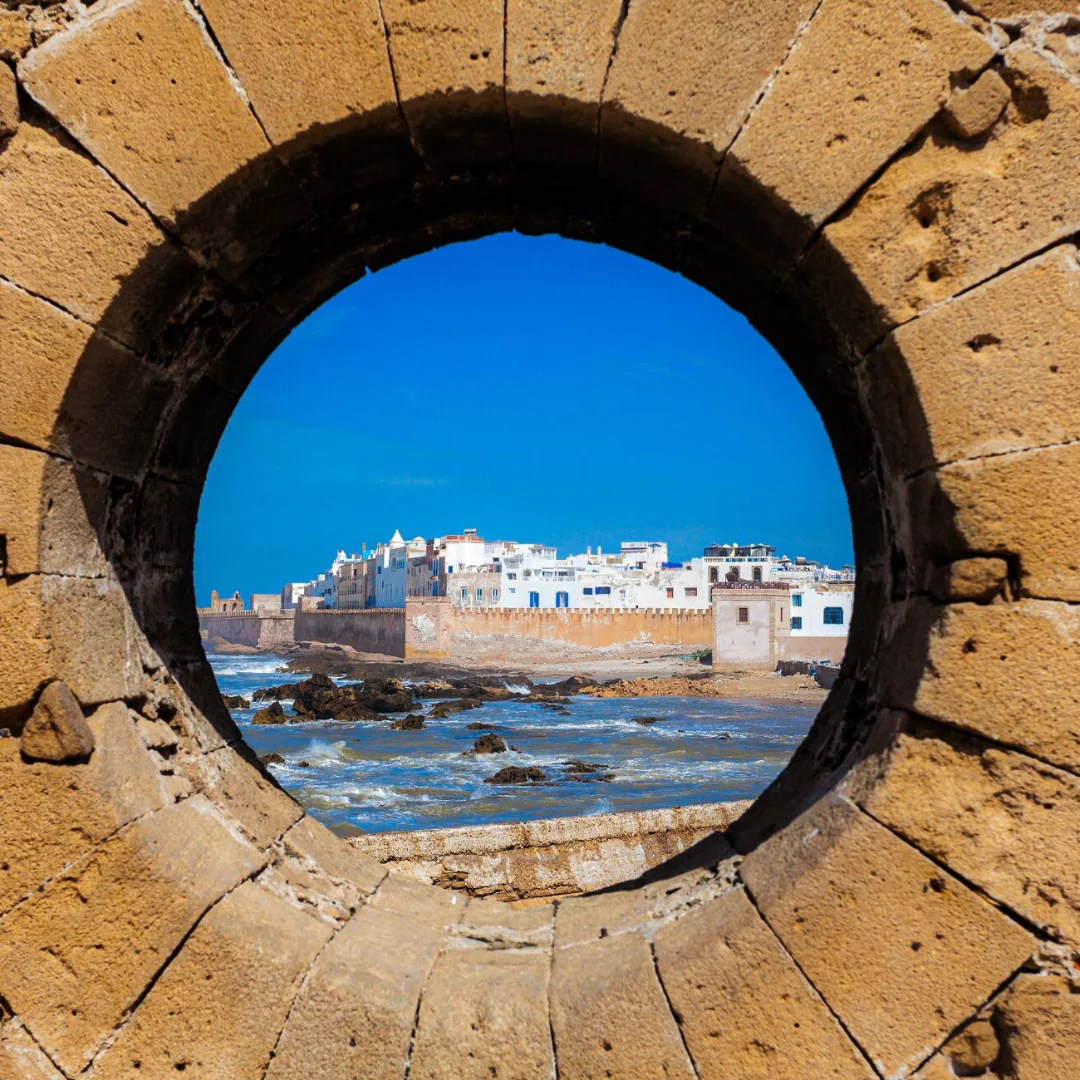
Essaouira
Essaouira has a spell it casts on certain people — and those people tend not to leave. The blue-and-white walled medina, the constant Atlantic wind, the fish grills along the port, the artists and musicians who have made it their home — there’s a quality of life here that’s difficult to quantify but immediately felt.
Known as the “Wind City of Africa,” Essaouira’s ocean breezes keep temperatures remarkably stable throughout the year, hovering between roughly 17°C and 24°C regardless of season. This makes it one of the very few places in Morocco where a long-term stay is genuinely comfortable all year without climate-driven migrations. It’s also one of the best places in Morocco in summer — while Marrakech bakes, Essaouira stays breezy and mild.
The expat community skews artistic and unhurried — painters, writers, yoga teachers, and retired Europeans who value tranquility over convenience. Riad apartments can be found for €350–650 per month. The medina is compact enough to walk everywhere, fresh seafood is absurdly affordable, and the pace of life encourages the kind of deep rest that’s genuinely hard to find.
The limitation is practical: Essaouira has no airport with regular international connections (Marrakech is the nearest hub, about 2.5 hours away), and the town’s size means shopping, medical services, and professional networking are limited. It’s ideal for independent remote workers and retirees — less so for anyone who needs regular urban infrastructure.
- Year-round mild temperatures
- Charming, walkable medina
- Strong creative expat community
- Excellent seafood at low prices
- No direct international airport
- Limited medical and urban services
- Persistent wind bothers some people
- Small-town constraints
4. Agadir — Modern Comfort on the Coast ↑
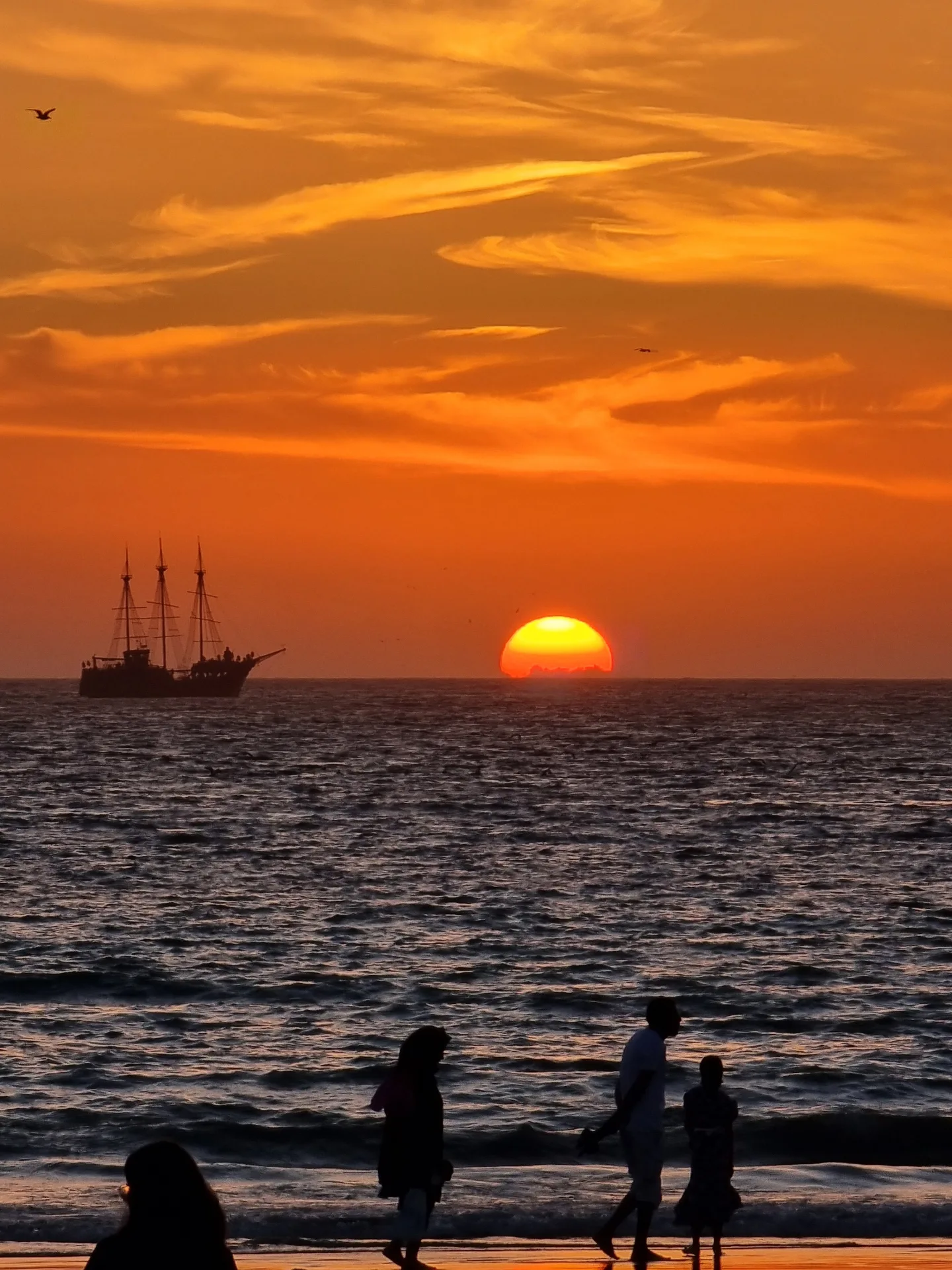
Agadir
Agadir is the most modern city on this list — rebuilt almost entirely from scratch after a devastating 1960 earthquake, which means it looks nothing like the historic Morocco many visitors imagine. Wide roads, modern apartment blocks, manicured beach promenades, and a climate that averages over 300 sunny days a year make it Morocco’s closest equivalent to a European coastal resort town.
For long-term stays, Agadir hits a practical sweet spot. The city has strong infrastructure: a busy international airport, excellent supermarkets (including European chains), good private hospitals, and reliable high-speed internet. The cost of living is slightly higher than Fez or Essaouira but notably lower than equivalent coastal cities in Spain or Portugal. A decent apartment near the beach runs €500–900 per month.
Retirees, in particular, find Agadir very liveable — it has large communities of French, German, and Dutch long-term residents, several expat-oriented social clubs, golf courses, and a pace of life that’s genuinely relaxed without sacrificing convenience. The beach is exceptional: a 9-kilometer arc of golden sand that never quite crowds to Spanish-resort levels.
The cultural trade-off is real, though. Agadir lacks the medina atmosphere that defines Morocco’s character for most visitors. If what you loved about Morocco was its ancient texture and traditional life, Agadir may feel too modern, too polished, and too removed from the country’s soul.
- Best year-round beach climate
- Modern infrastructure and hospitals
- Large, well-established expat network
- International airport
- Lacks traditional Moroccan character
- Higher cost than inland cities
- Can feel generic in the resort zone
5. Tangier — The Gateway City Reborn ↑
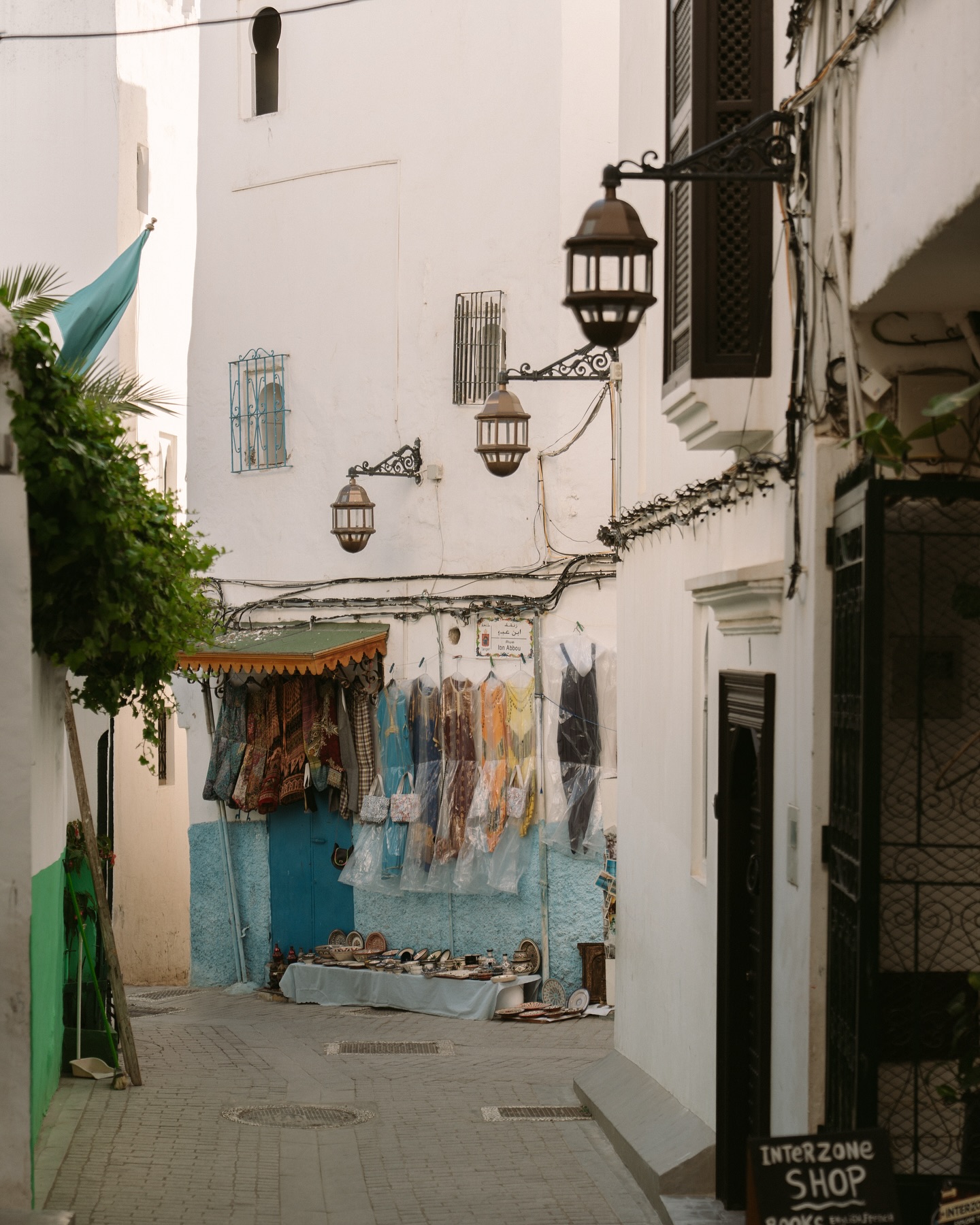
Tangier
Tangier has undergone a remarkable transformation. Once carrying a reputation as a rough port city and before that, as a glamorous den of international intrigue in the mid-20th century it has emerged in recent years as one of Morocco’s most genuinely exciting cities. Massive investment in infrastructure, a new financial quarter, a renovated corniche, and the port development have fundamentally changed the city’s feel.
The strategic location is unmatched: Tangier sits at the meeting point of the Mediterranean and the Atlantic, with Spain visible on clear days. Ferries cross to Tarifa in as little as 35 minutes, making Tangier the only Moroccan city where a spontaneous weekend in Europe is realistic. The international airport now handles dozens of routes across Europe.
The medina of Tangier — the Kasbah and the old international zone — retains genuine character without being overcrowded. Apartment rentals in good neighborhoods run €450–850 per month. Winters are mild but noticeably wetter and greyer than the south, which is the primary climatic compromise. But for those prioritizing European access, cosmopolitan energy, and a city that genuinely feels like it’s going somewhere, Tangier is increasingly hard to overlook.
- 35-minute ferry to Spain
- Cosmopolitan, fast-changing city
- Strong internet infrastructure
- Mediterranean + Atlantic setting
- Wetter, greyer winters
- Still transitioning; some rough edges
- Less Moroccan cultural immersion
6. Taghazout — The Nomad’s Shore ↑
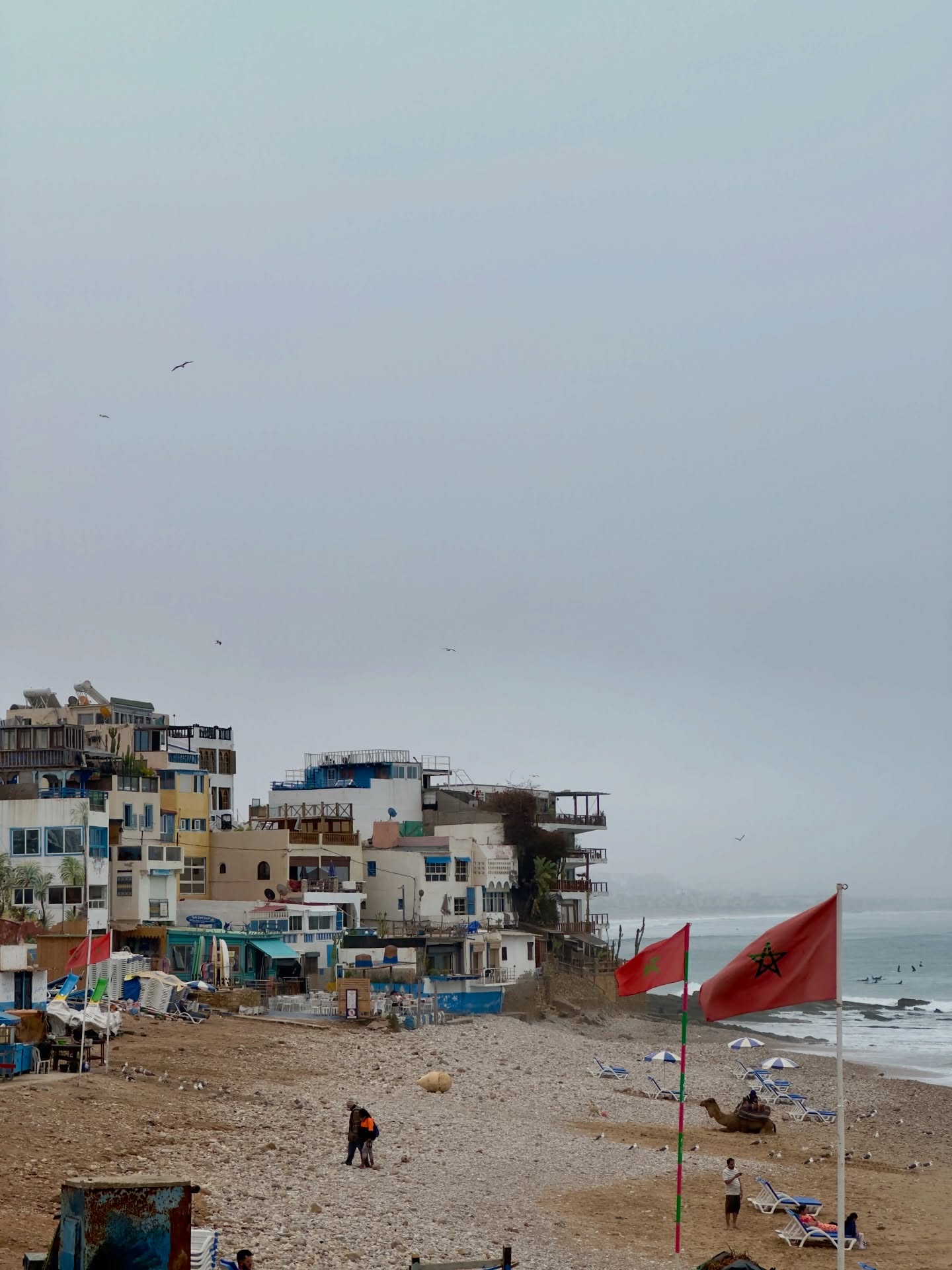
Taghazout
Taghazout, 20 kilometers north of Agadir, has evolved from a sleepy fishing village into one of Morocco’s most talked-about long-stay destinations for younger remote workers and surf enthusiasts. The waves at breaks like Anchor Point and Hash Point attract riders from around the world, and the infrastructure surf schools, yoga studios, co-working spaces, and a string of good cafés with reliable Wi-Fi has followed.
Life in Taghazout is genuinely affordable. Monthly costs including accommodation (often a shared villa or apartment with a rooftop terrace) run €500–900. The village is compact and sociable the kind of place where you inevitably know most of the long-term residents within a week. The community skews young, international, and active.
It’s not for everyone. The town is small, medical facilities are limited (Agadir is 25 minutes away for anything serious), and the social scene revolves largely around surfing and wellness culture. Anyone seeking urban diversity or a range of cultural activities will quickly exhaust what Taghazout offers. But for those whose priorities align with it ocean access, low costs, outdoor lifestyle, and a genuinely warm community it’s one of the best-kept semi-secrets for long-term stays in Morocco.
7. Chefchaouen The Blue City Surprise ↑
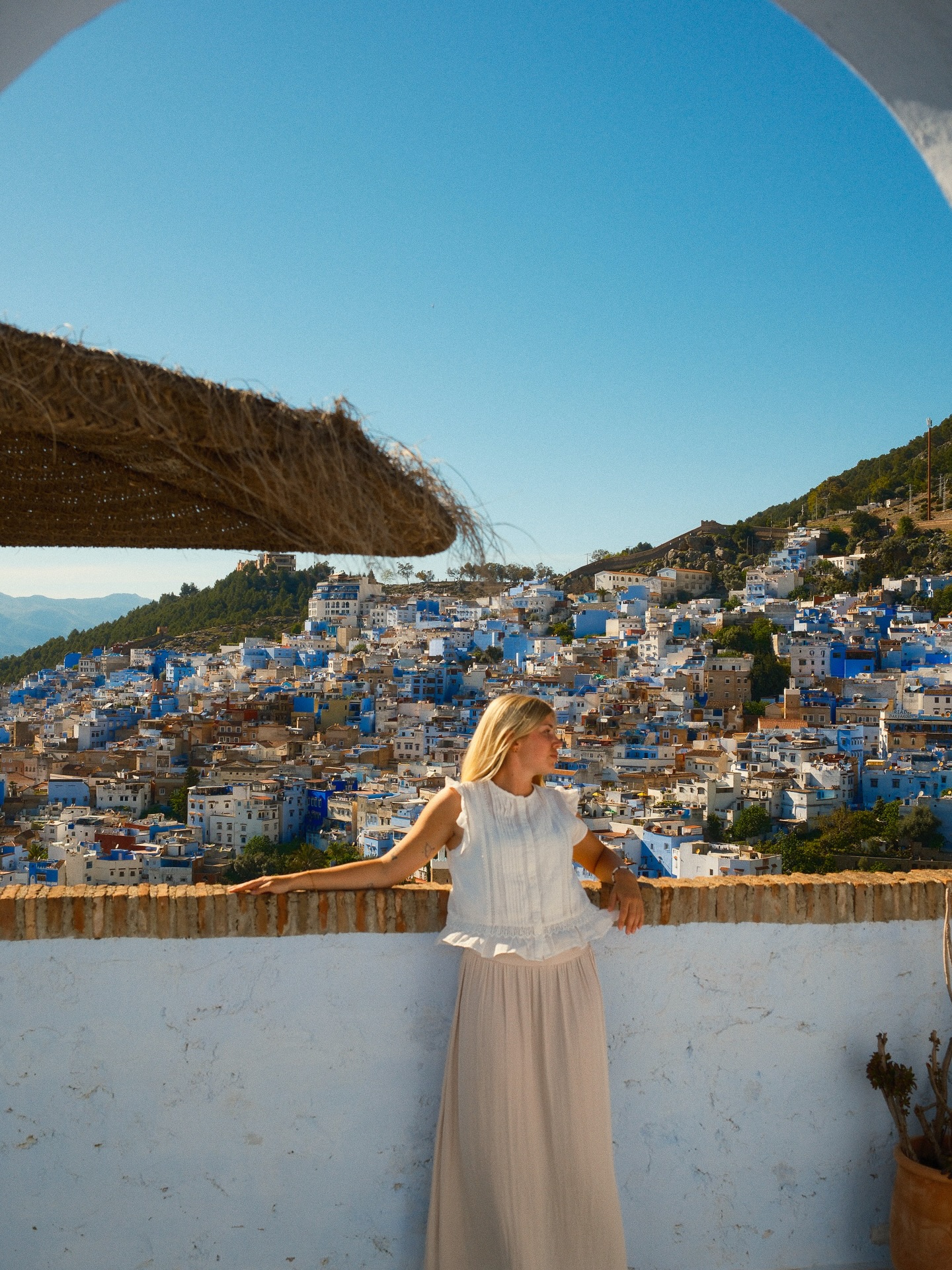
Chefchaouen
Most people know Chefchaouen from Instagram its distinctive blue-and-white medina is one of Morocco’s most photographed places. Fewer people think of it as a long-stay destination. Those who have tried it often describe a quality of life that’s difficult to explain: extremely low costs, extraordinary mountain scenery, a laid-back pace, and a medina small enough to feel genuinely like home.
Monthly costs in Chefchaouen are among the lowest in Morocco a furnished apartment runs €250–500, and daily food costs are minimal. The Rif Mountains provide a cooler, greener setting than the country’s lowlands, and hiking trails extend in every direction. Winters are cold and occasionally snowy, which is the primary climatic challenge.
The practical limitations are significant: internet speeds are adequate but not exceptional, medical facilities are basic, and connections to major cities require several hours of mountain road driving. It’s a destination best suited to writers, artists, or retirees who genuinely want to slow down and don’t need urban infrastructure. For those, it can be one of the most rewarding long-stay choices in all of Morocco.
If you’re wondering whether Morocco is the right choice for your particular travel style, our guide on Morocco for solo travelers offers perspectives that apply equally to long-stay planning.
City Comparison at a Glance ↑
| City | Monthly Cost | Internet | Climate | Expat Scene | Best For |
|---|---|---|---|---|---|
| Marrakech | €700–1,400 | Very Good | Hot summers | Large | All-rounder |
| Fez | €500–900 | Good | Cool winters | Small | Immersion seekers |
| Essaouira | €500–900 | Good | Mild year-round | Growing | Artists / retirees |
| Agadir | €700–1,300 | Excellent | Sunny & warm | Large | Comfort seekers |
| Tangier | €550–1,000 | Excellent | Wetter winters | Growing | Europe-linked nomads |
| Taghazout | €500–900 | Good | Sunny Atlantic | Young | Surfers / nomads |
| Chefchaouen | €400–700 | Decent | Cool mountain | Tiny | Writers / retreat |
Practical Tips for a Long-Term Stay in Morocco ↑
Visas and Residency ↑
Most Western nationalities can enter Morocco visa-free for up to 90 days. Extending beyond this typically requires exiting and re-entering a straightforward process given Morocco’s borders with Spain (Ceuta, Melilla) or ferry crossings. Morocco doesn’t currently offer a dedicated digital nomad visa, though the government has signaled interest in developing one. Long-term legal residency requires a Carte de Séjour, which involves local bureaucracy but is achievable.
Finding Accommodation ↑
For long-term stays, monthly rates are almost always negotiable particularly for stays of three months or more. Local platforms, Facebook expat groups, and on-the-ground searching once you arrive consistently produce better deals than international booking sites. In most cities, a furnished one-bedroom apartment in a good area runs €350–750 per month when negotiated locally.
Internet and Remote Work ↑
Morocco’s internet infrastructure has improved substantially. Marrakech, Agadir, Casablanca, and Tangier all have strong 4G coverage and growing 5G rollout. Co-working spaces are now present in all major cities. For video calls and remote work, a local SIM card from Maroc Telecom or Orange Morocco is essential data is inexpensive and reliable in urban areas.
Healthcare ↑
Private healthcare in Morocco’s larger cities is genuinely good and affordable by Western standards. International travel insurance is strongly recommended for any stay over a few weeks. Agadir and Marrakech have the strongest private hospital infrastructure; smaller towns should be approached with this limitation in mind.
Cost of Living Reality Check ↑
The often-quoted figure of €500–600 per month is achievable but typically represents a fairly basic lifestyle shared accommodation, cooking most meals, limited travel. A comfortable, independent lifestyle in a city like Marrakech or Agadir with your own apartment, occasional dining out, and a social life realistically runs €900–1,400. Still very affordable by European standards, but worth setting expectations clearly before you arrive.
Plan Your Long Stay with a Licensed Guide ↑

Choosing the right city for a long-term stay in Morocco is one of the most important decisions you’ll make and the wrong choice can cost you months of frustration. Mouhssine is a certified Moroccan travel guide with deep knowledge of the country’s regions, neighborhoods, and practicalities. Whether you need help narrowing down your city, finding the right neighborhood, navigating local bureaucracy, or simply understanding what life here really looks like day-to-day you can reach him directly on WhatsApp.
Chat on WhatsAppFrequently Asked Questions ↑
What is the cheapest city in Morocco to live long-term?
Can foreigners rent apartments long-term in Morocco?
Is Morocco safe for long-term residents?
Which Moroccan city is best for digital nomads?
What is the best time of year to begin a long stay in Morocco?
Morocco rewards those who give it time. The cities and towns in this guide each offer something distinct — from Marrakech’s cosmopolitan energy to Chefchaouen’s mountain quiet, from Tangier’s European gateway position to Essaouira’s timeless Atlantic rhythm. The best long-stay destination is ultimately the one that matches your specific priorities: climate, budget, community, connectivity, and cultural depth.
If you’re still in the planning phase, start with first-timer travel tips and consider a two to three week exploratory visit before committing. Morocco is best understood on the ground and once you’ve spent a few weeks here, the right city for you tends to become obvious.
For tailored, on-the-ground advice from a licensed professional, don’t hesitate to reach out to Mouhssine ELIOUJ via WhatsApp his knowledge of Morocco’s regions and practicalities is exactly the kind of resource that makes the difference between a frustrating relocation and a genuinely fulfilling one.