for First Timers
Why Morocco Should Be on Your Bucket List
TopThe Morocco travel tips for first timers you will find in most guides are well-meaning but paper-thin. They tell you to bargain, to dress modestly, to drink bottled water. All true — but Morocco rewards the traveler who goes deeper than a checklist. This guide is written for people who want to understand the country before they set foot in it, not just survive it.
Morocco sits at one of the world’s great crossroads — Africa meets the Mediterranean, Arab culture blends with Amazigh heritage, French colonial architecture stands beside centuries-old medinas, and Atlantic surf rolls beneath the same sky that borders the Sahara. What makes it exceptional for a first visit is not just the diversity of landscapes, but the density of it: you can wake up in a mountain village, have lunch in an ancient imperial city, and watch the sun melt into the desert from a sand dune — all in 48 hours.
That said, Morocco is not a destination that holds your hand. The medinas are deliberately labyrinthine, the price of everything is negotiable, and the gap between an authentic experience and a tourist trap is often just one wrong turn or one misplaced trust. This is precisely why good preparation — and good guidance — changes everything.
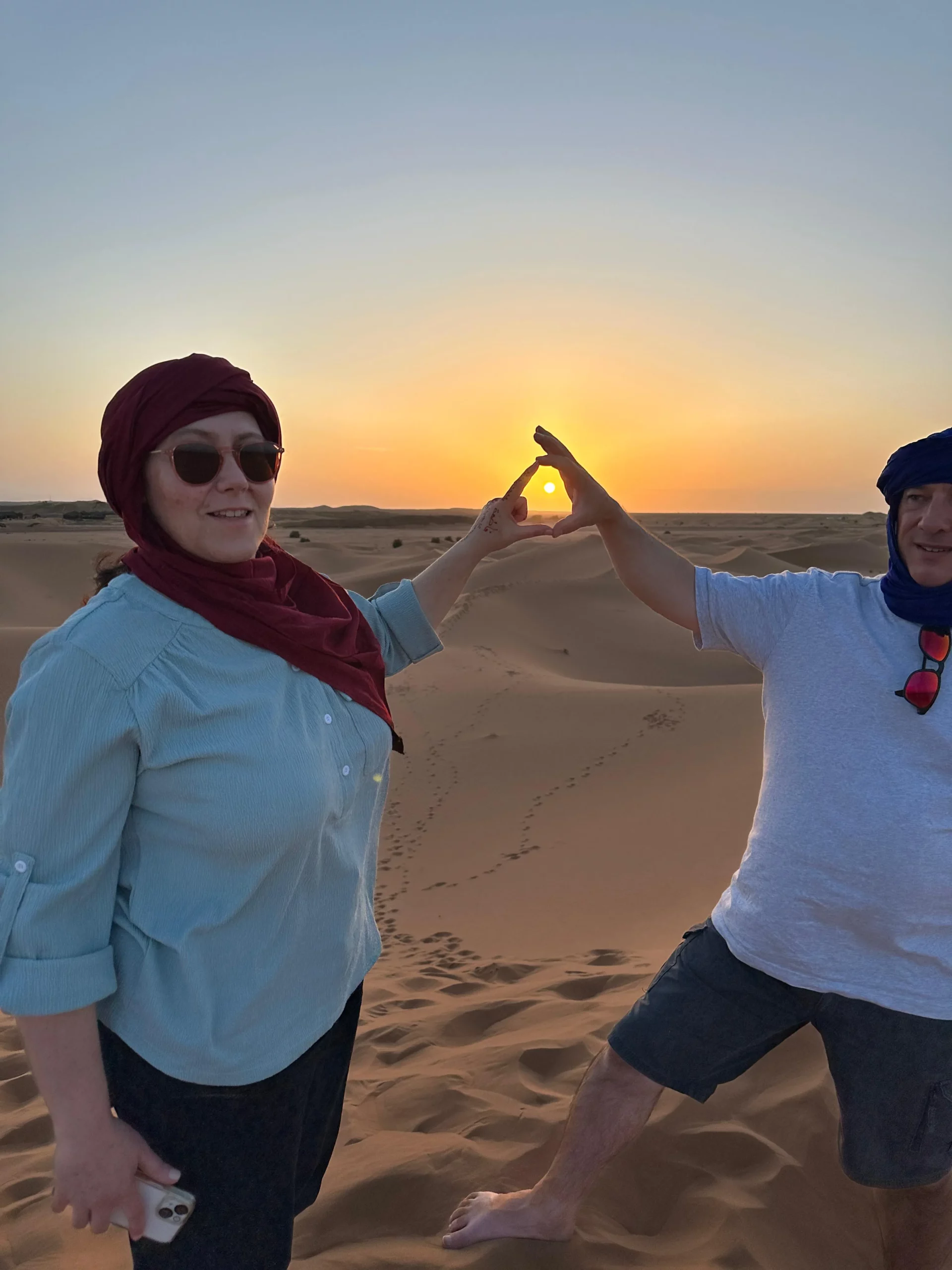
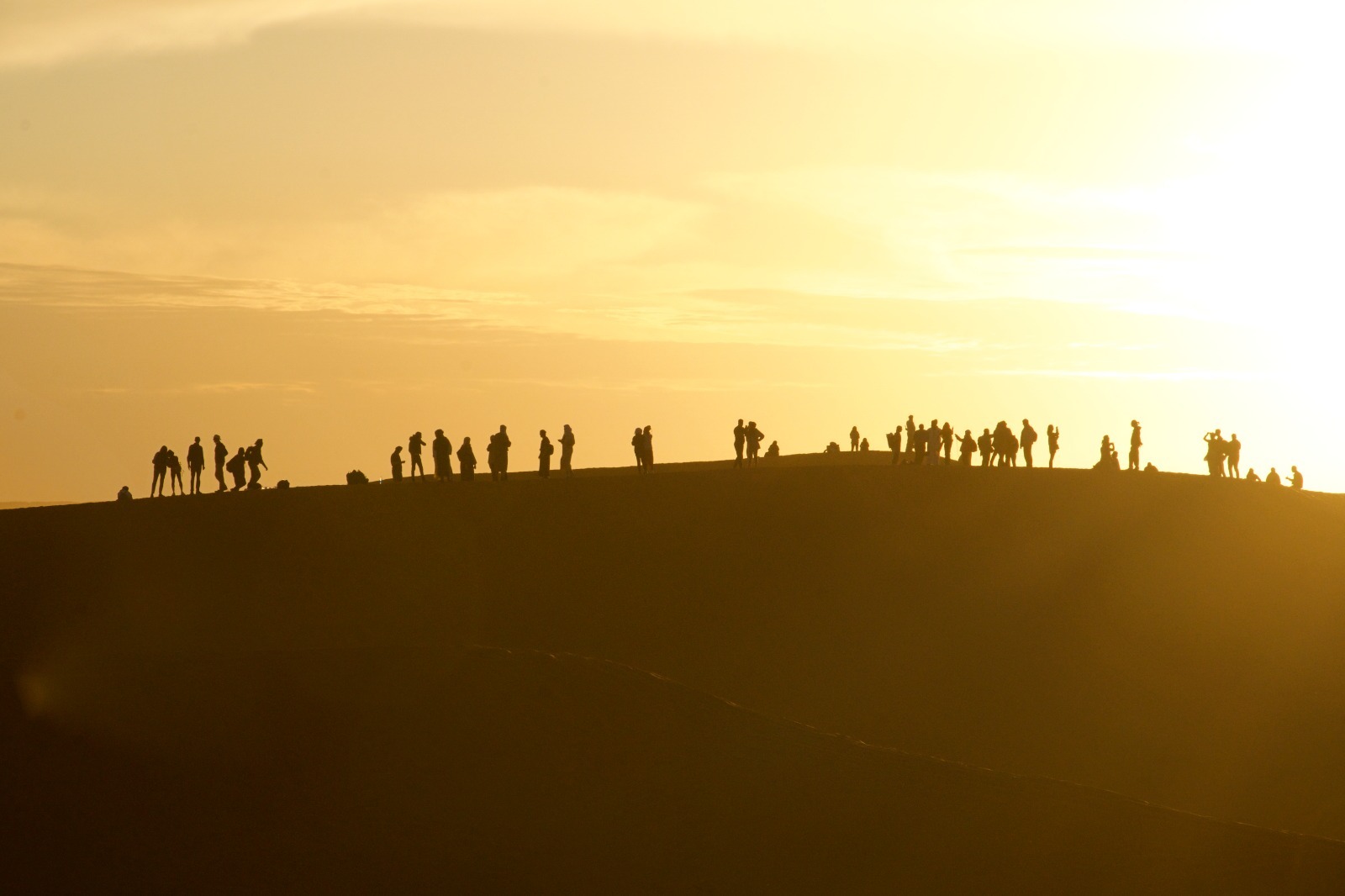
Morocco’s light at golden hour is something photographers travel specifically to capture — and it costs nothing to stand on a rooftop terrace and watch it happen.
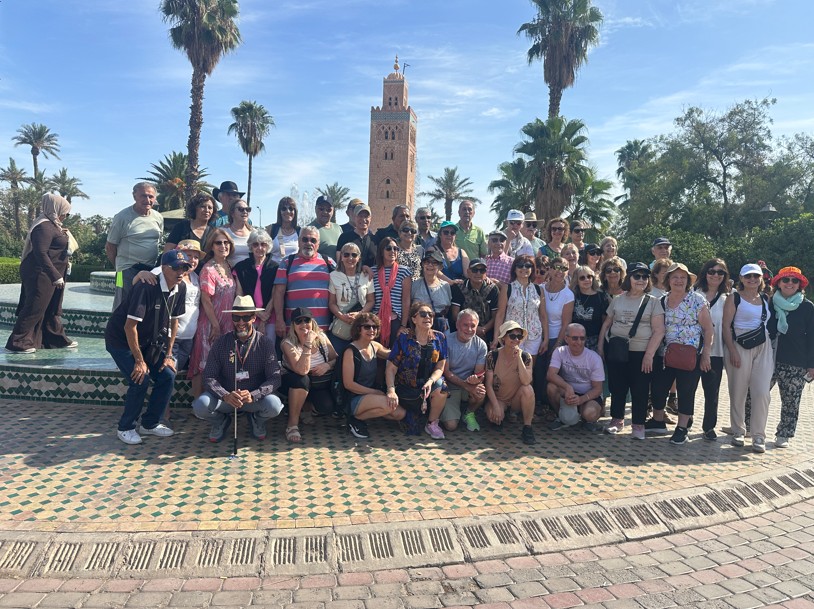
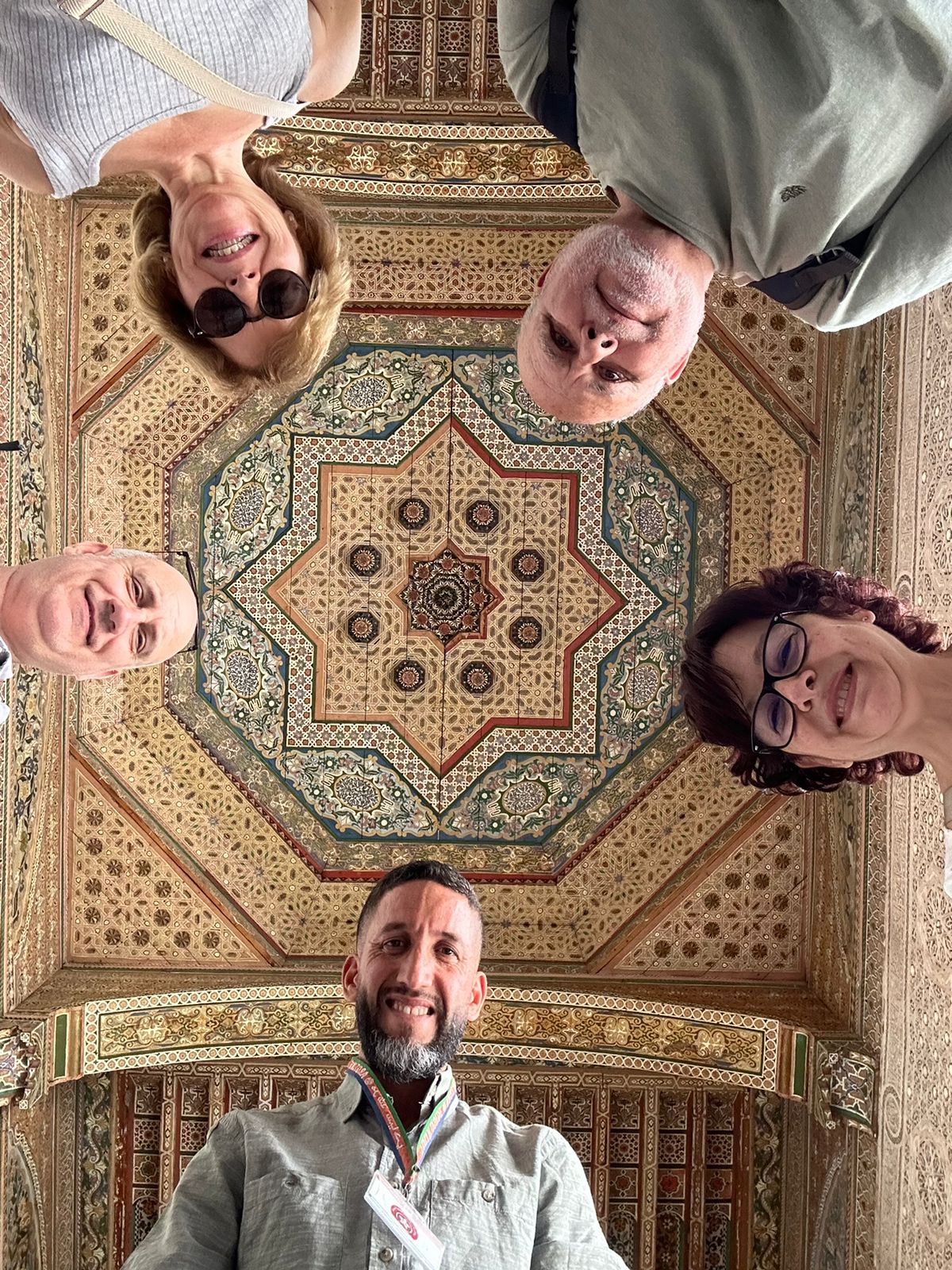
The difference between a confusing labyrinth and a living, breathing story is usually the person standing next to you who knows it.
Best Time to Visit Morocco
TopOne of the most practical Morocco travel tips for first timers is to get the timing right — because a poor choice of month can genuinely undermine the trip. Morocco’s climate shifts dramatically depending on where you are: the Atlantic coast stays mild almost year-round, the High Atlas sees proper snow from December through March, and the Saharan south becomes dangerously hot from June onwards. Our dedicated guide on the best time to visit Morocco covers every region in detail, but here is the essential breakdown for planning purposes.
| Season | Months | Rating | What to Expect |
|---|---|---|---|
| Spring | March – May | Best | Wildflowers carpet the valleys, hiking temperatures are ideal, and the Sahara is warm without being brutal. The most complete season for first-timers covering multiple regions. |
| Autumn | Sept – Nov | Best | Warm days, genuinely cool evenings, and thinner crowds after summer. The desert is at its most comfortable. Marrakech and Fès feel calmer than peak season. |
| Winter | Dec – Feb | Good | Coastal cities and the imperial capitals stay mild and pleasant. Ski resorts open in the Atlas. Desert nights drop sharply — bring layers if you are heading south. |
| Summer | June – Aug | Avoid South | Interior cities like Marrakech and Fès can hit 42°C. Coastal towns — Essaouira especially — stay breezy and enjoyable. Not the season to attempt the Sahara. |
Where to Go: Top Cities & Regions
TopMorocco’s cities each carry a completely distinct character — and one of the most common first-timer mistakes is trying to rush through all of them in a single trip. Two days in Marrakech is not enough. Two days in Fès is not enough. The cities reveal themselves slowly, through the same alley you walk three times before noticing the tiled fountain hidden in the corner. Choose fewer places and go deeper — you can always come back.
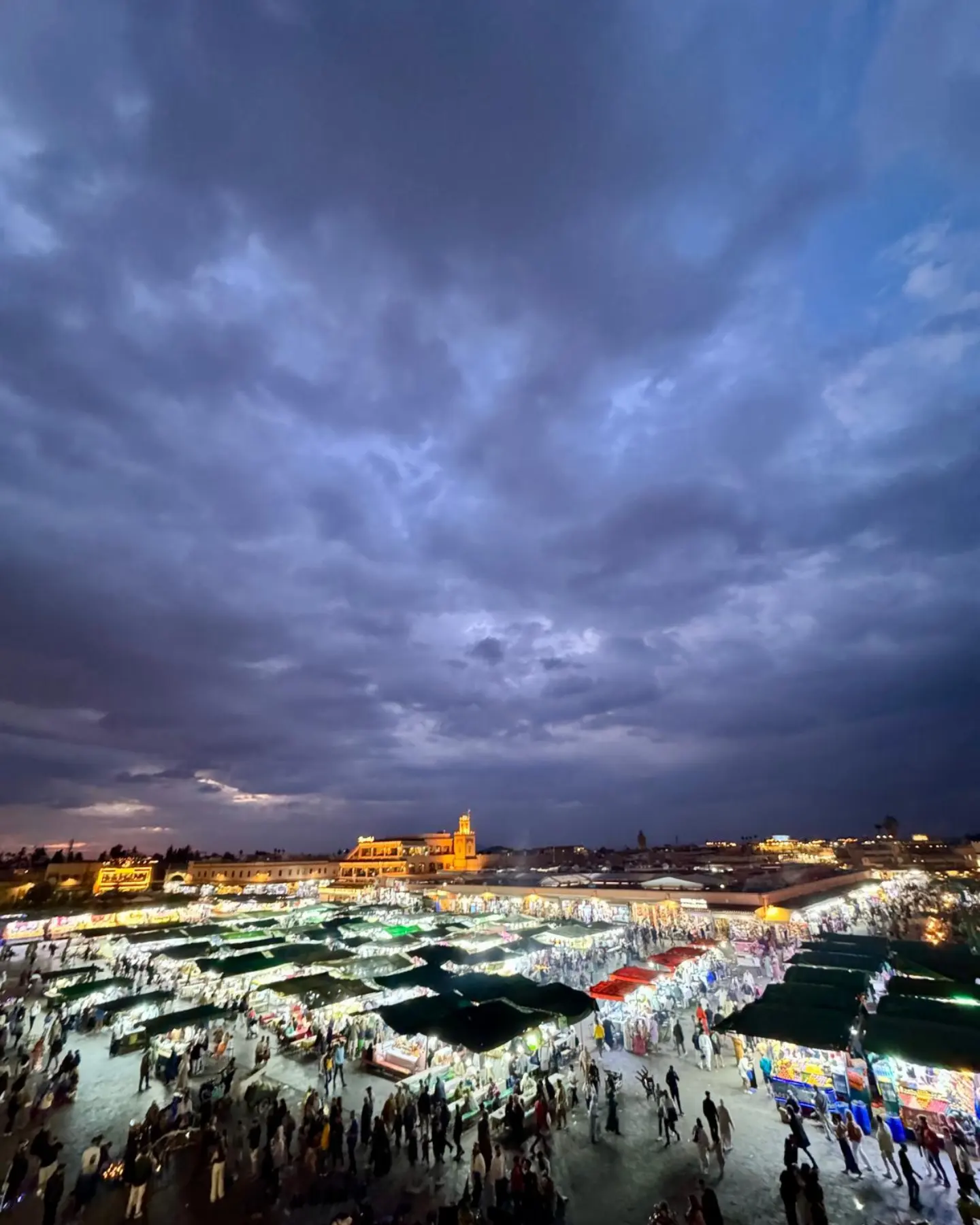
The natural starting point for most first-timers. The Djemaa el-Fna square transforms completely after dark — stay for the storytellers and the smoke from the food stalls. Give it at least three nights to breathe.
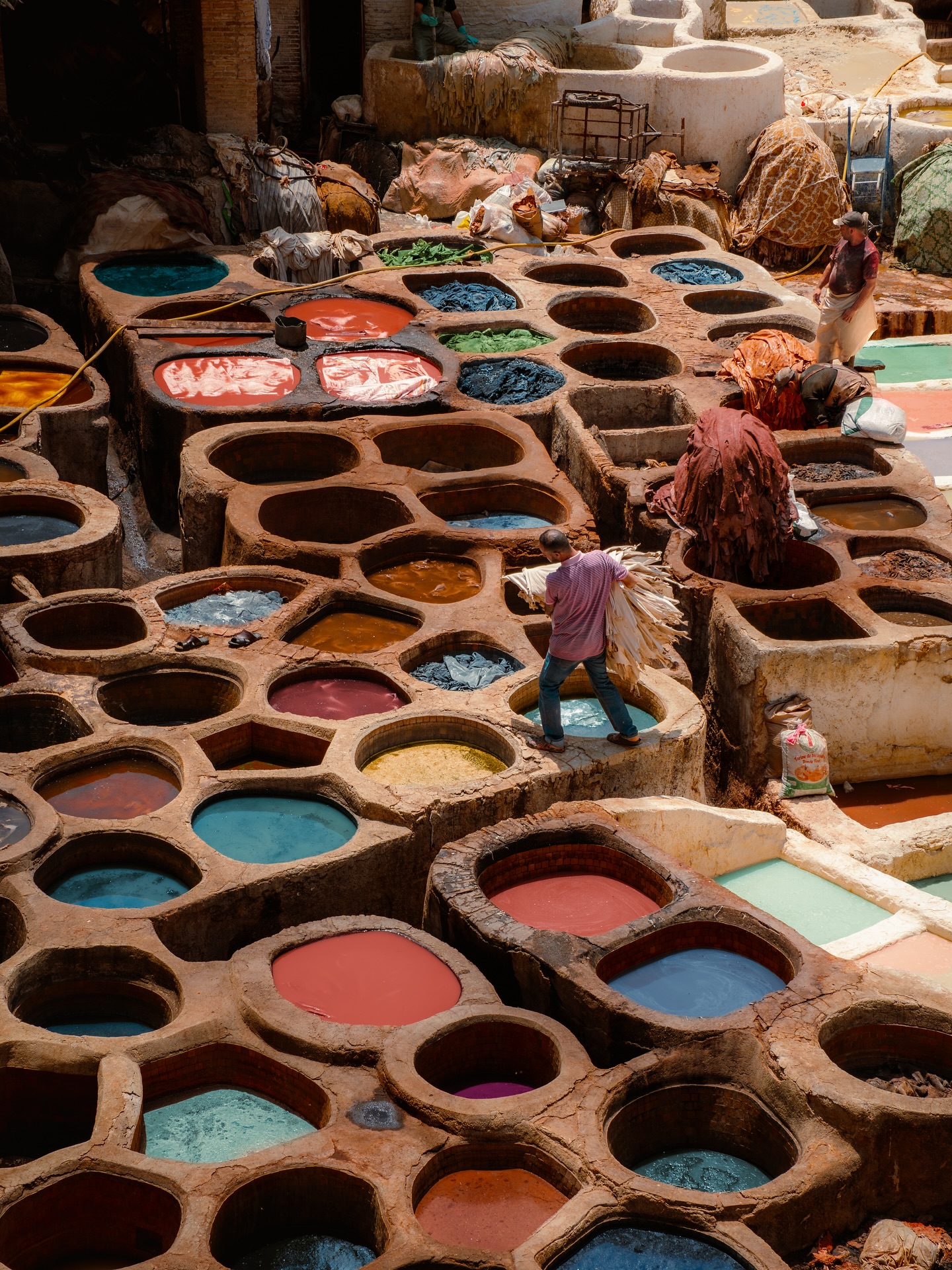
The world’s largest car-free urban area. The Chouara tanneries are the obvious stop, but the real Fès is found in the side streets around the Bou Inania Madrasa at dawn, when the city belongs to you.
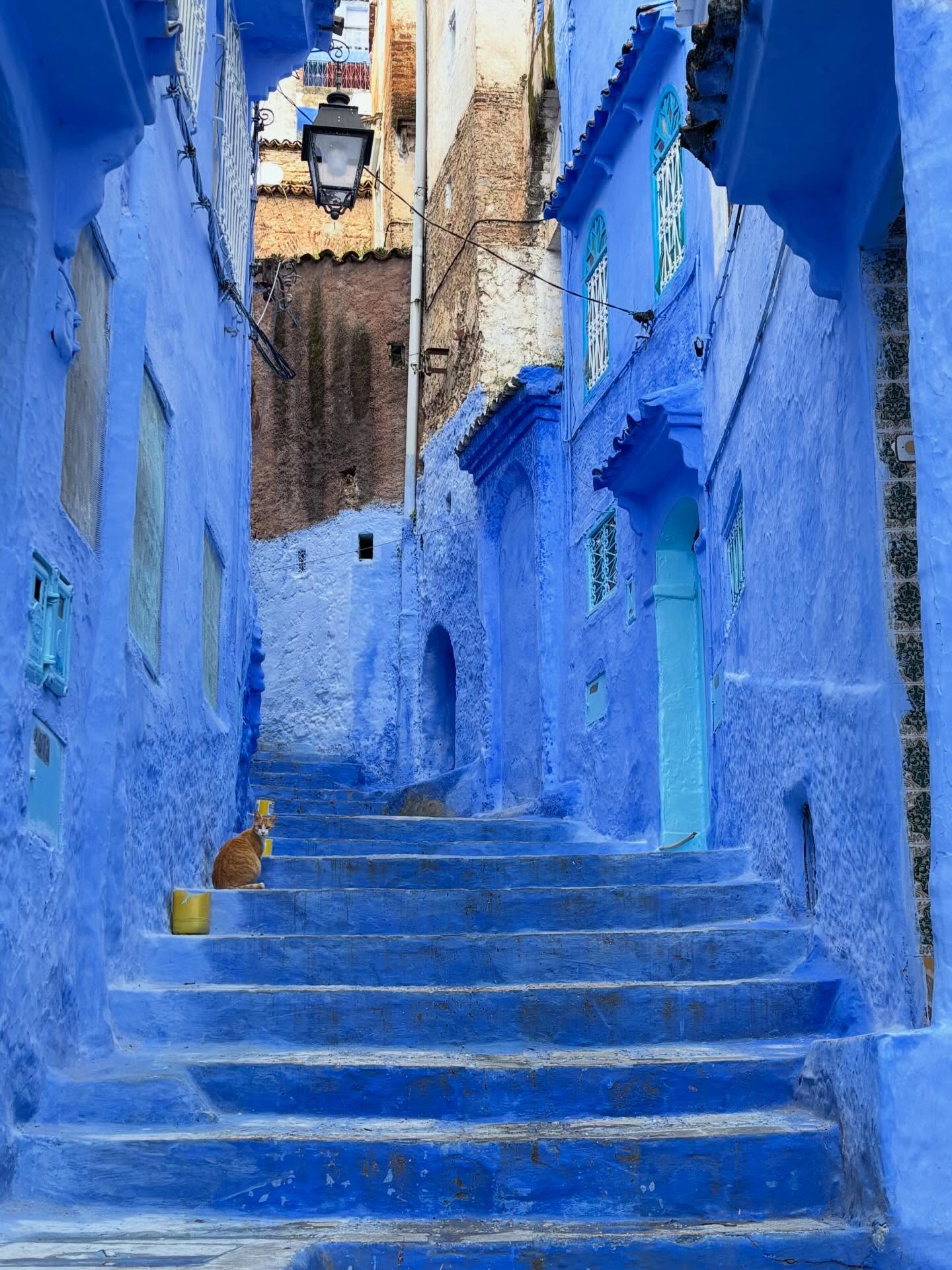
The famous blue medina is real — but what surprises people is the silence. No car horns, no souk pressure. Just painted alleyways, cats on window ledges, and some of Morocco’s most honest cooking.
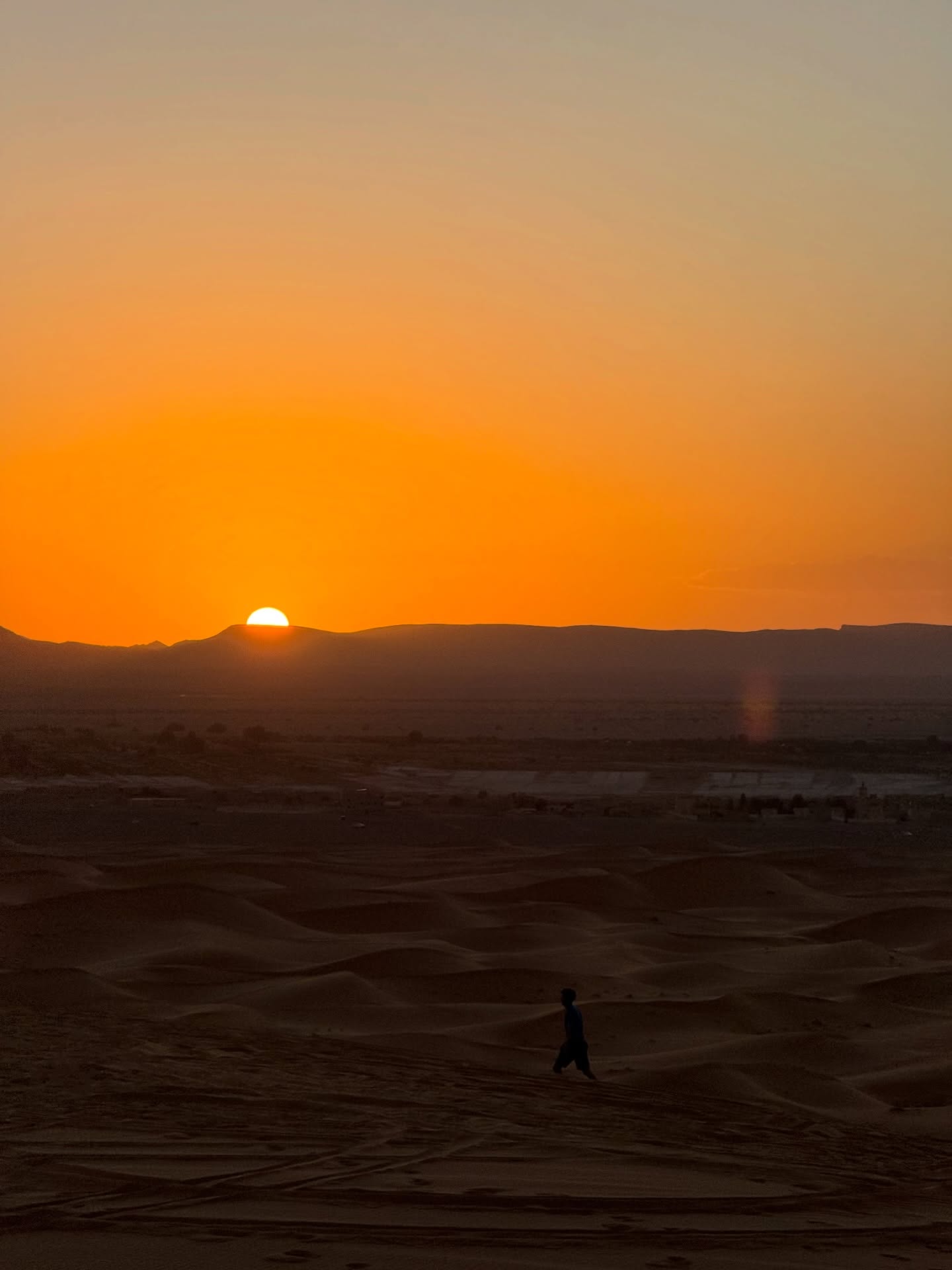
The Erg Chebbi dunes rise 150 metres above the desert floor. The overnight camel trek and camp is a first-timer rite of passage — but book through a vetted operator, not the first tout you encounter.
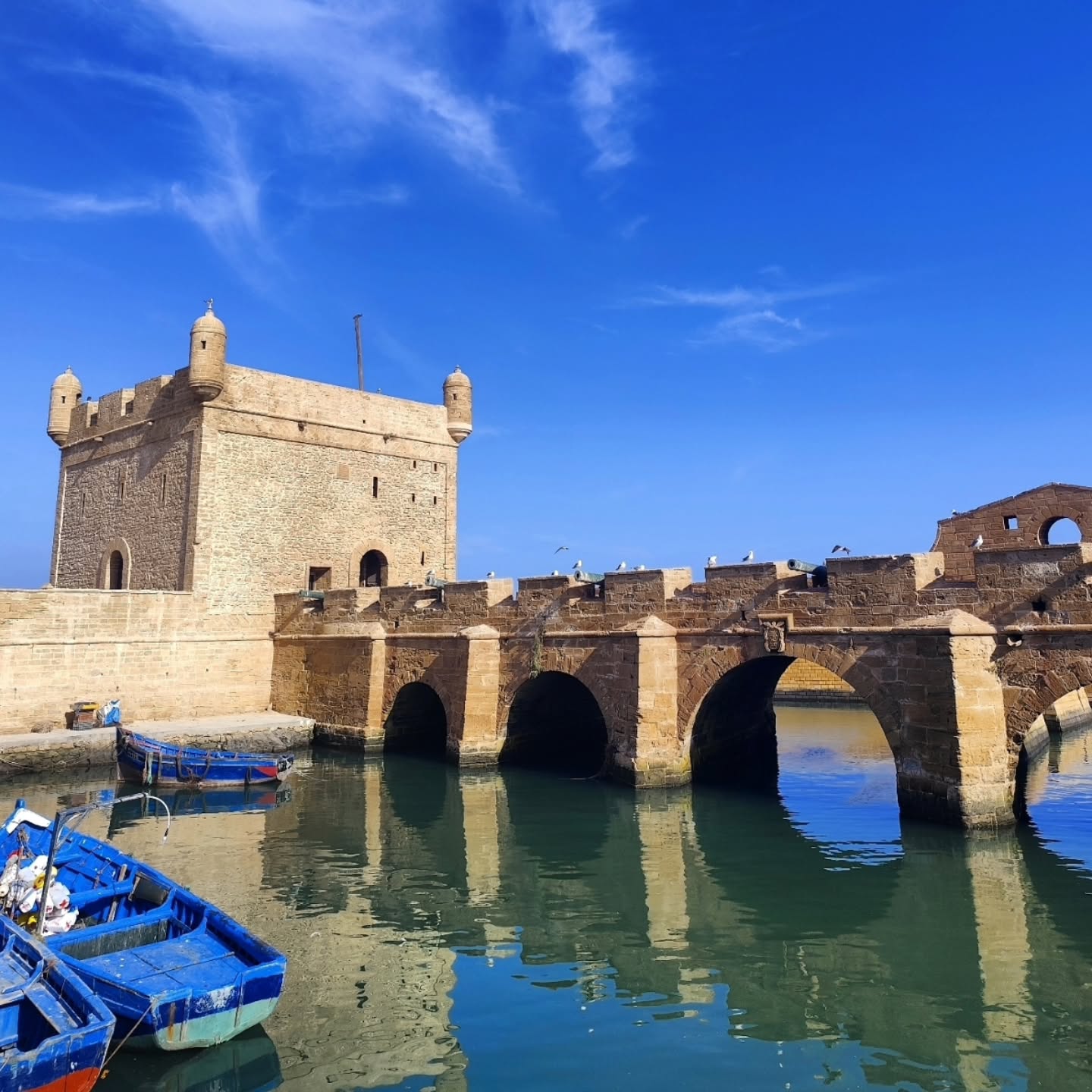
Morocco’s most relaxed coastal city. The ramparts overlook the Atlantic, the medina is free of the hard-sell pressure you find inland, and the grilled fish at the port market costs almost nothing and tastes extraordinary.
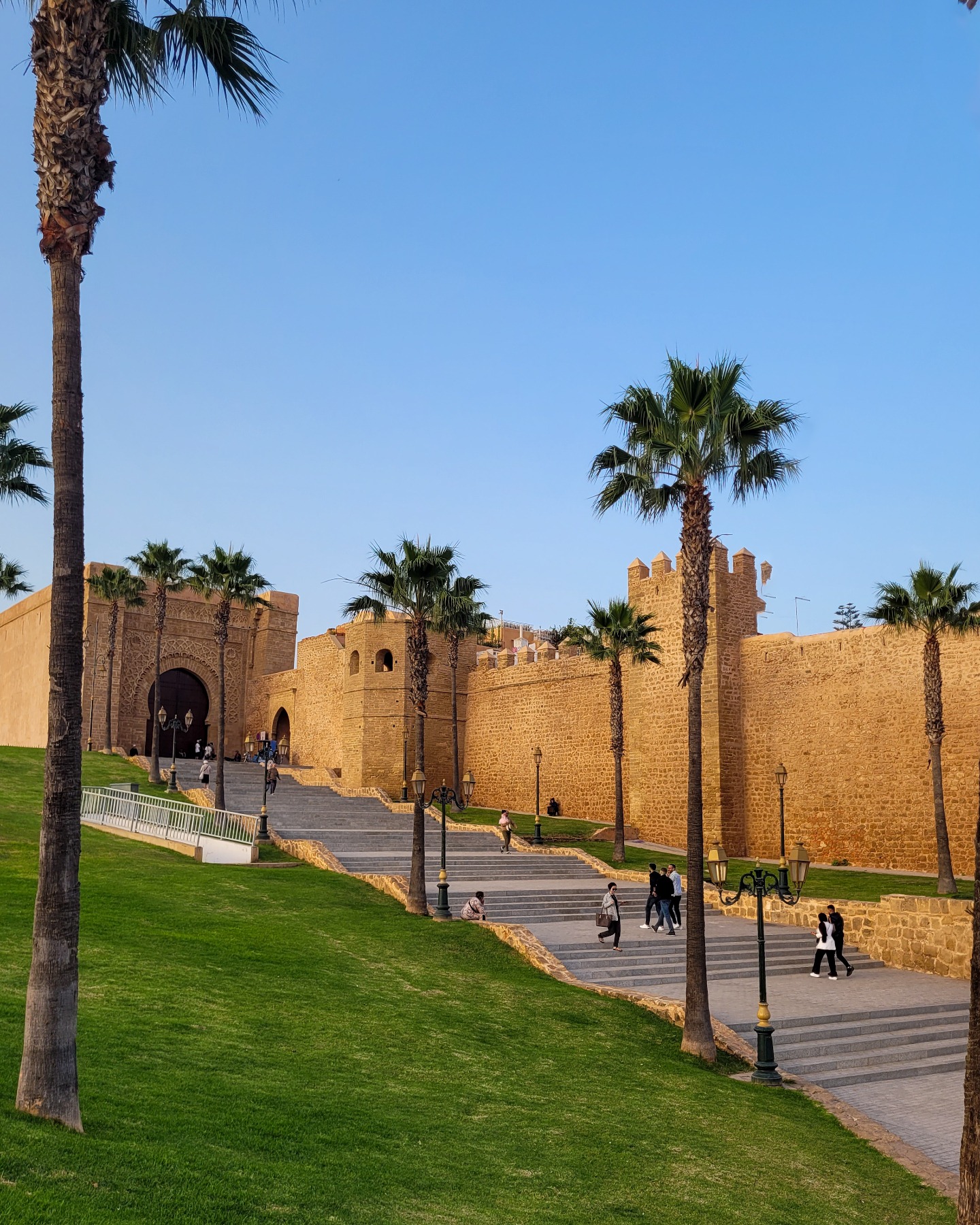
Morocco’s underrated capital. The Kasbah of the Udayas is quieter and more authentic than anything you find in the tourist centres. Worth a half-day stop on the Casablanca–Fès train corridor.
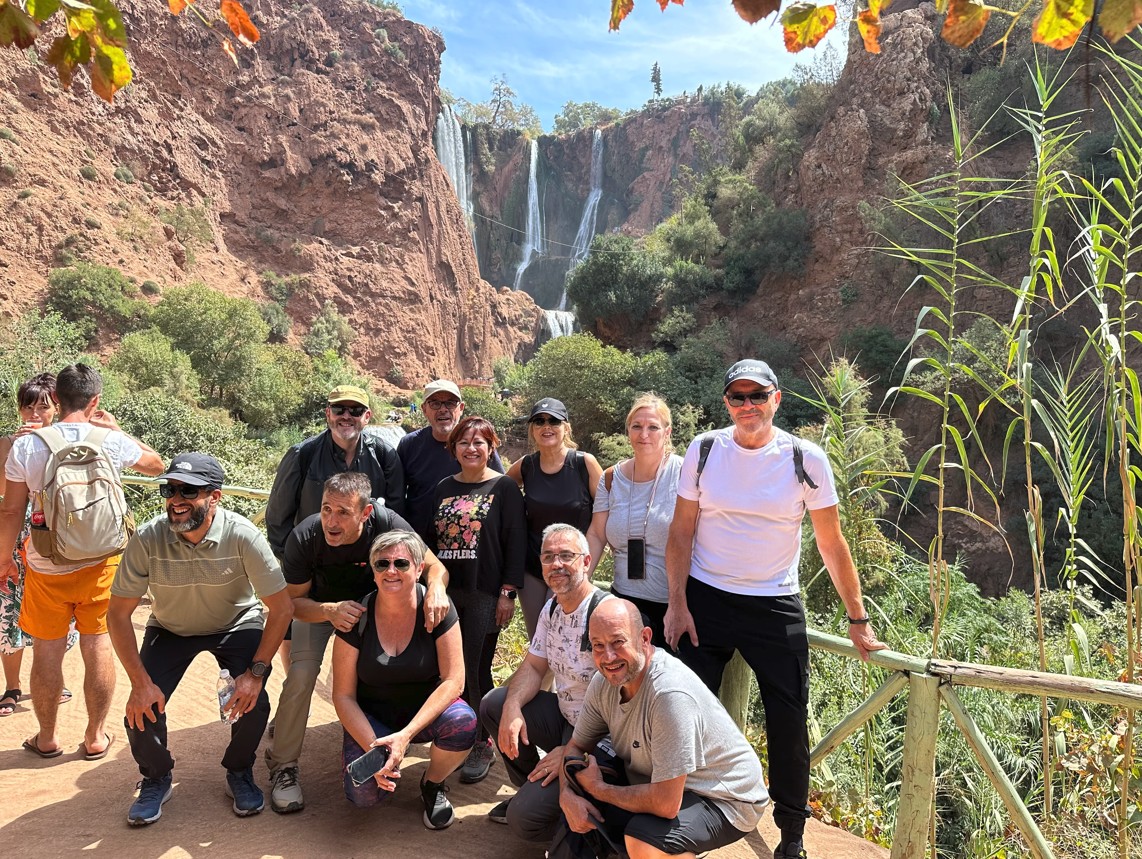
The Ouzoud Waterfalls — three hours from Marrakech — are among Morocco’s most spectacular natural sites and still largely unknown to first-time visitors who stick to the standard circuit.
If you have fewer than ten days, resist the temptation to tick every city on the list. A week spent properly in two or three places — with time to wander, eat, and actually talk to people — is worth far more than a blurred sprint through six. Morocco is a country you return to. The goal of your first trip is to leave wanting to come back, not exhausted and grateful it is over. A licensed local guide can design a realistic itinerary that makes the most of limited time and plants the seeds for the next visit.
Read up on Morocco’s physical features before you plan your route. Driving distances between cities look manageable on a map but the Atlas mountain roads — beautiful as they are — do not cooperate with ambitious schedules. Budget generously for transit time.
Currency, Budget & Money Tips
TopUnderstanding what currency Morocco uses is your first practical step. The official currency is the Moroccan Dirham (MAD). It is a closed currency — meaning you cannot purchase dirhams outside Morocco — so exchange at the airport on arrival or withdraw from ATMs in any city (they are reliable and widespread). Bureau de change offices in medinas often display good rates but quote commissions separately — always ask for the final amount before handing over your cash.
Approximate exchange rates — always check live rates before travel.
- Hostel dorm or guesthouse: 100–200 MAD
- Street food & local eateries: 60–100 MAD
- Bus or shared taxi: 20–80 MAD
- Entrance fees: 20–70 MAD
- Riad or boutique hotel: 500–1200 MAD
- Restaurant meals: 150–350 MAD
- Private driver or train: 100–400 MAD
- Guided experiences: 150–500 MAD
Is Morocco Safe for First-Time Travelers?
TopMorocco is, by most objective measures, a safe destination for tourists. Millions of visitors travel here each year without incident, and violent crime targeting foreigners is genuinely rare. That said, the honest version of this answer — the one that actually prepares you — requires distinguishing between safety and comfort. For the full picture, read our guide on Is Morocco Safe to Visit for Tourists.
- Persistent unofficial “guides” at medina entrances
- Overcharging at restaurants near major squares
- Mint tea shop “hospitality” leading to carpet pressure
- Taxi drivers refusing meters or quoting tourist prices
- Pickpocketing in Djemaa el-Fna and bus stations
- Visible police presence in all tourist areas
- Very low rates of violent crime
- Genuinely warm and hospitable local culture
- Brigade Touristique (Tourist Police) in major cities
- Well-established tourism infrastructure
Staying Healthy During Your Trip
TopThe single most common health complaint among first-time visitors to Morocco is a stomach upset — almost always caused by tap water or food washed in it. Knowing how to avoid getting sick in Morocco is genuinely one of the most useful Morocco travel tips for first timers you will find, because a day lost to illness in this country is a real cost. On the water question specifically: tap water in Morocco is treated in major cities and technically meets safety standards, but the shift in mineral composition alone is enough to cause digestive disruption for travelers who are not accustomed to it. Drink bottled or filtered water throughout your stay and avoid ice in drinks unless you are confident about the establishment.
- Bottled or filtered water only — always
- No ice in drinks at unverified cafés
- Wash hands frequently; carry sanitiser
- Eat at busy, well-reviewed local restaurants
- Peel your own fruit; avoid pre-cut street portions
- Pack oral rehydration sachets just in case
- Sunscreen SPF 50+ — Morocco’s UV is intense
- Stay well-hydrated in desert and mountain zones
- Travel insurance covering medical evacuation is essential
- Basic first-aid kit for any remote area travel
No vaccinations are officially required to enter Morocco. Most travel health authorities recommend being current on routine immunisations; Hepatitis A and typhoid boosters are often advised for extended stays or rural travel. Consult your GP or travel clinic at least four to six weeks before departure.
Culture, Etiquette & Local Customs
TopMorocco is a predominantly Muslim country with a deep and layered culture that is not simply “exotic backdrop.” Understanding a few norms — not as restrictions, but as context — changes the quality of every interaction you have. Moroccans are genuinely hospitable, and even a small gesture of cultural awareness signals respect in a way that opens conversations, invitations, and experiences that no itinerary can plan for. On the practical question of what to wear, our dedicated guide on what to wear in Morocco covers every context, from medina to desert to beach.
- Greet with “Salam Alaikum” — it will be answered warmly
- Accept mint tea when offered; refusing can read as dismissal
- Dress modestly in medinas and near religious sites
- Remove shoes before entering a home or a mosque
- Ask before photographing people — and accept a no
- Use your right hand for eating and passing objects
- Eat, drink or smoke in public during Ramadan daytime
- Enter mosques (most are closed to non-Muslims)
- Display excessive public affection
- Photograph military, police, or government buildings
- Lose your temper or raise your voice in public
- Assume that the first bargaining refusal is the final answer
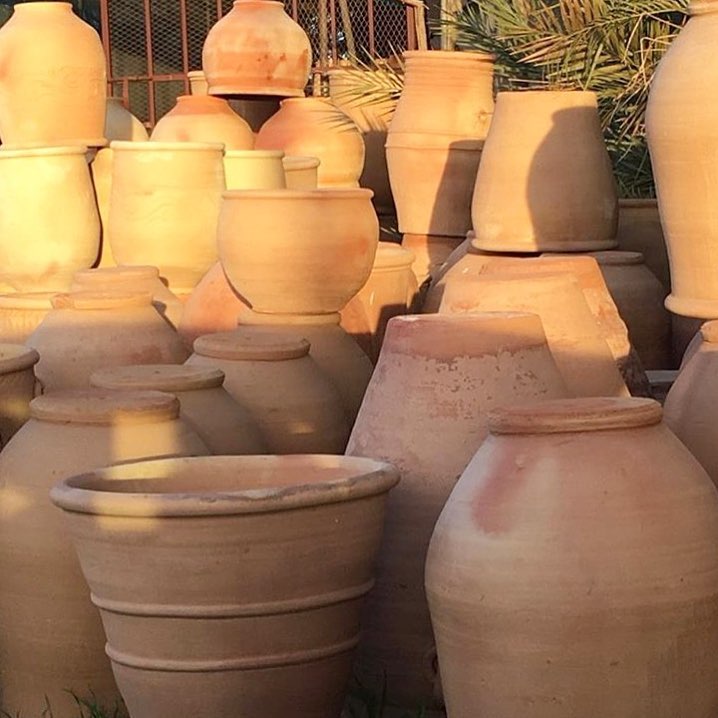
Morocco’s traditional crafts — zellige tilework, hand-beaten copper, hand-knotted rugs — are not performances for tourists. They are working trades practiced by families who have done this for generations.
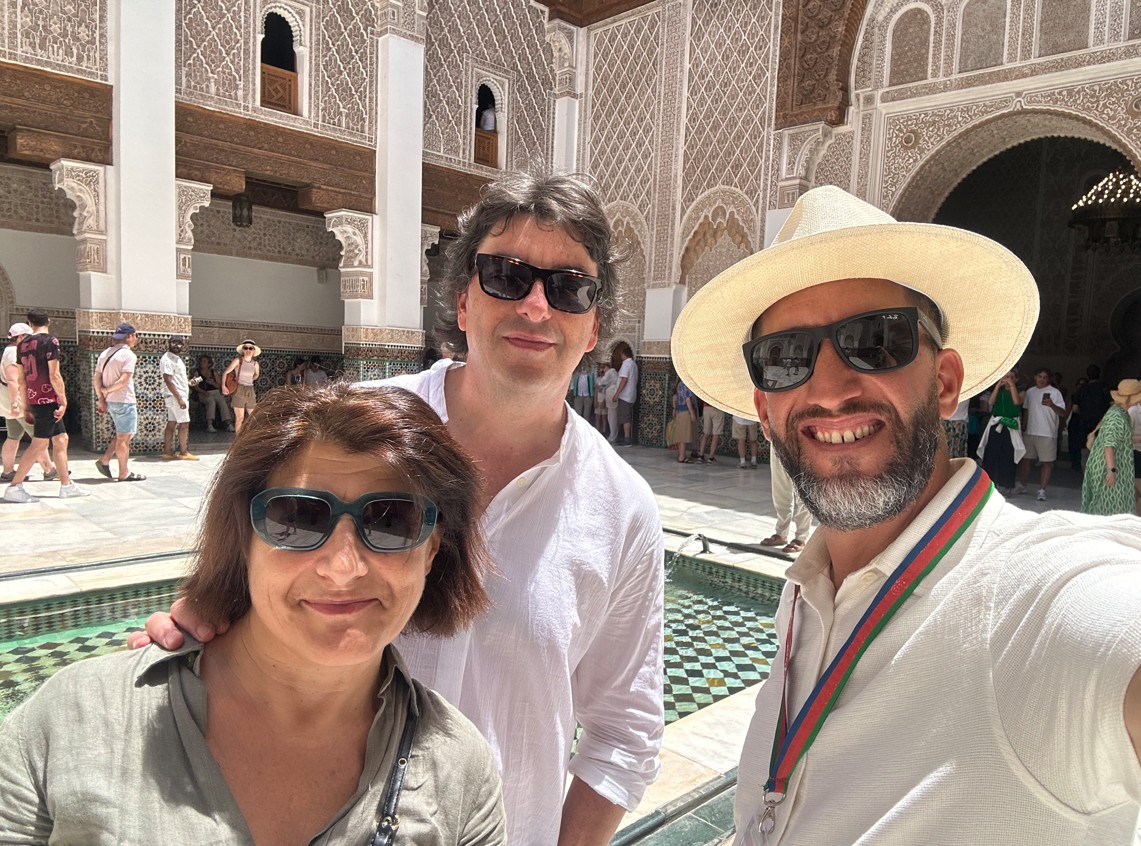
A licensed guide at the Madrasa Ibn Yusuf — the architecture alone is remarkable, but understanding what you are looking at transforms the experience entirely.
Moroccan Food: What to Eat & Drink
TopMoroccan cuisine earns its global reputation. It is built on preserved lemons, argan oil, ras el hanout, saffron, and the slow patience of a tagine that has been cooking since morning — flavors that layer and deepen in a way that fast food never can. For a thorough breakdown of what to order and what to avoid, our guide on what to eat in Morocco and what to avoid covers every category. The rule of thumb on where to eat: follow the locals, not the tourist boards. If the menu has photos and is printed in four languages, walk past it.
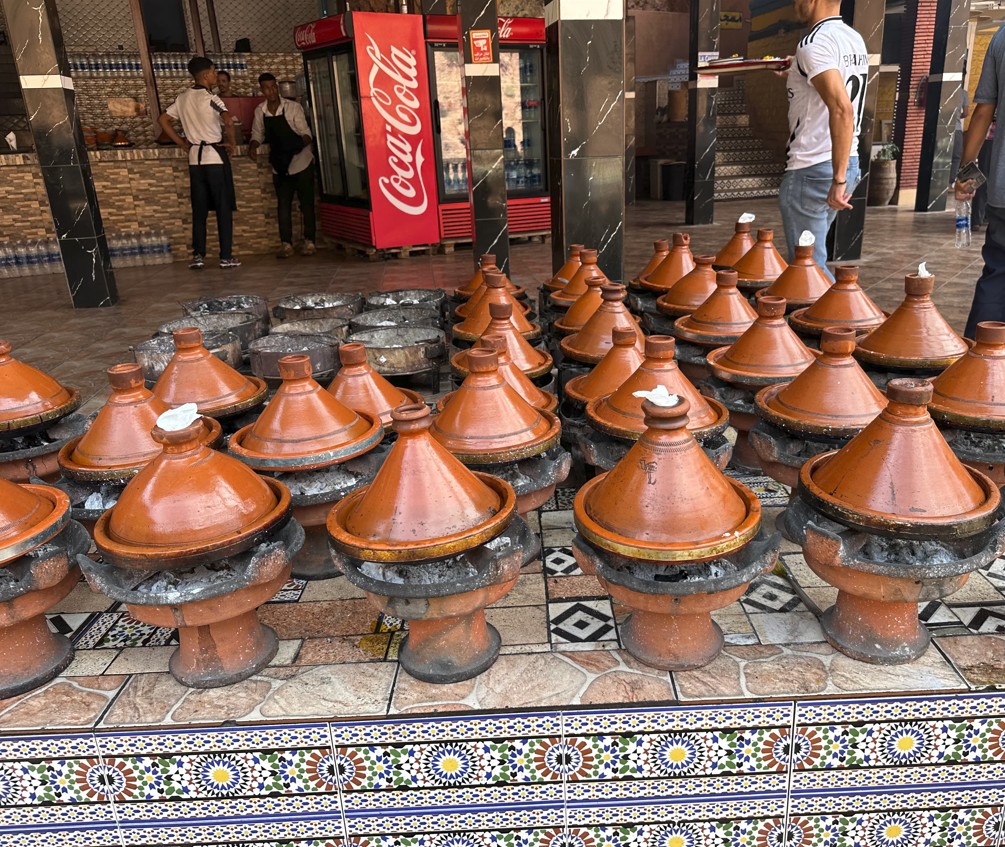
Morocco’s defining dish — slow-cooked under a conical clay lid until the meat falls apart. Lamb with prunes and almonds, chicken with preserved lemon and olives, or a vegetable version fragrant with cumin and coriander. Every region cooks it differently.
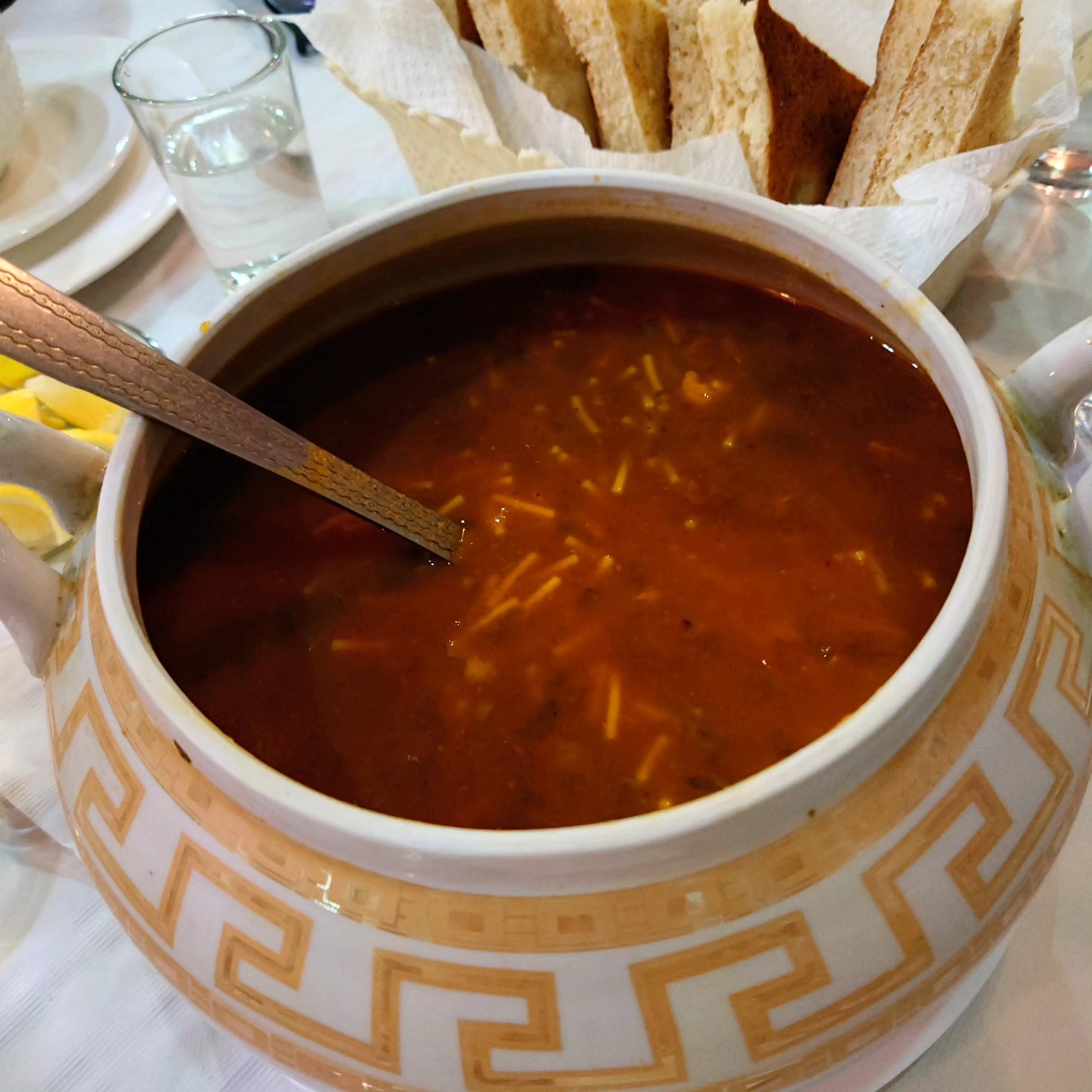
A deeply satisfying tomato, lentil, and chickpea soup spiced with ginger, coriander, and a squeeze of lemon. Traditionally eaten to break the Ramadan fast, but served year-round at local eateries for next to nothing. Order it for breakfast.
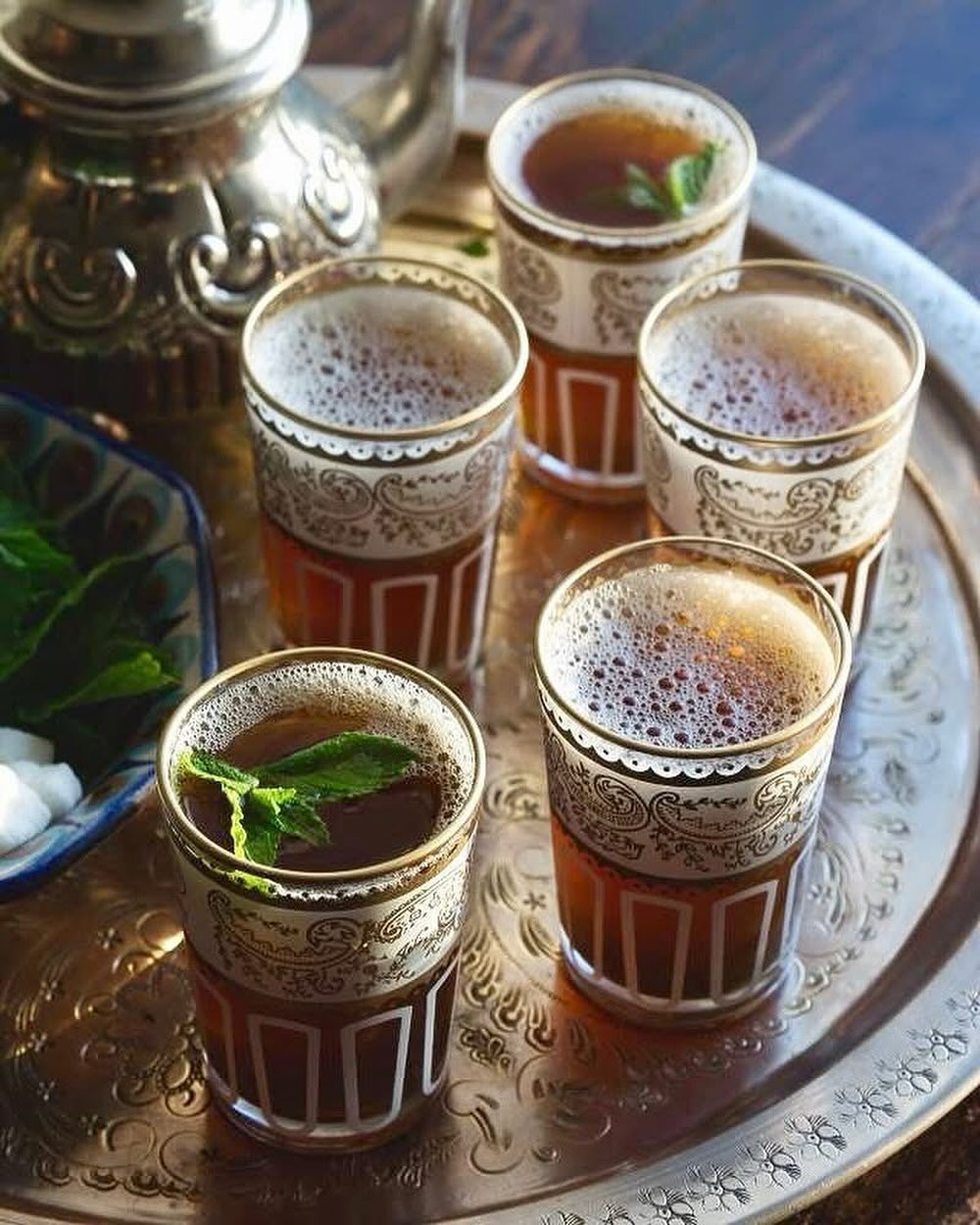
The cornerstone of Moroccan hospitality. Poured from height to create a froth, it is sweet, strong, and served everywhere — from desert camp to carpet shop. Accepting a glass is accepting a relationship. Never rush it.
Getting Around Morocco
TopMorocco’s transport network is more capable than many first-timers expect. Knowing which option suits each leg of your journey saves time, money, and the kind of frustration that can derail an otherwise good day.
| Option | Best For | Cost Range | Notes |
|---|---|---|---|
| ONCF Trains | Casablanca, Rabat, Fès, Marrakech corridor | 80–350 MAD | Comfortable, air-conditioned, and punctual. The Al Boraq high-speed line links Casablanca and Tangier in under two hours. Book online in advance. Full details in our guide on traveling by train in Morocco. |
| CTM / Supratours Bus | Long-distance inter-city routes | 50–250 MAD | Reliable, air-conditioned, and the only option for cities not on the rail network. Book at least a day ahead for popular routes. |
| Grand Taxi | Short inter-city routes | 15–80 MAD | Shared taxis that depart when all six seats are full. Faster than buses for shorter hops. Agree your share of the fare before getting in. |
| Petit Taxi | In-city travel | 10–50 MAD | Always insist on the meter. If the driver refuses, get out and find another — there will always be one. Colors vary by city. |
| Rental Car | Atlas routes, rural areas, the south | 250–600 MAD/day | The only practical way to explore the countryside and Atlas villages properly. A 4×4 is strongly recommended for anything south of Ouarzazate. |
What to Pack for Morocco
TopThe golden rule is pack light, pack versatile. Morocco’s range of environments — medina streets, mountain trails, desert camps, Atlantic beaches — means layers and adaptable clothing matter more than volume. For a full, season-by-season breakdown of what to wear across different contexts, see our guide on what to wear in Morocco.
- Lightweight, loose-fitting long tops
- Trousers or long skirts for medinas and rural areas
- Comfortable walking sandals and one pair of closed shoes
- A warm layer or jacket (Atlas, desert nights, winter coast)
- A light scarf — modesty, dust, and mountain chill
- Swimwear (coastal hotels and riad pools)
- SPF 50 sunscreen — expensive and hard to find locally
- Insect repellent for rural and southern areas
- Reusable water bottle + purification tablets as backup
- Stomach medication and oral rehydration sachets
- Photocopies of your passport stored separately
- Type C/E plug adapter for all Moroccan sockets
Tourist Mistakes to Avoid in Morocco
TopMost problems first-time visitors encounter in Morocco are entirely avoidable with a little forewarning. Our full guide on tourist mistakes in Morocco goes into detail, but here are the ones that matter most from the moment you arrive.
- Trusting anyone who approaches you unsolicited offering to “help you find your riad”
- Getting into a petit taxi without first confirming the meter is running or agreeing a price
- Drinking tap water or accepting ice in drinks at unverified places
- Wearing revealing clothing in medinas and conservative rural areas
- Paying the first asking price in souks without attempting to negotiate
- Booking the cheapest available desert tour without checking operator credibility
- Assuming that speaking your language makes someone an official or trustworthy guide
- Trying to visit too many cities on a short trip instead of going deep into fewer places
Travel with a Licensed Local Guide
TopHere is one of the Morocco travel tips for first timers that genuinely separates a good trip from a great one: find a licensed guide — and understand why the distinction matters more than it might seem.
Every major medina entrance in Morocco has people who will offer to guide you. They speak your language, they seem friendly, and the offer feels convenient. But an unlicensed guide’s goal is a commercial one — they earn commissions from carpet shops, leather goods sellers, and restaurants, and their routing reflects that. Your interests and theirs rarely align. You end up pressured, rushed, and feeling like you were managed rather than guided.
A licensed guide — certified by the Moroccan Ministry of Tourism — is a different proposition entirely. They have completed formal training in Moroccan history, culture, and tourism. They operate under a professional framework that holds them accountable. And crucially, they tend to work in this field because they are genuinely passionate about sharing Morocco with people who want to understand it, not just photograph it. A licensed guide can take you to the exact tannery overlook at the moment the light is right, explain what you are seeing in the dye pits and why, then walk you to a lunch spot that has no tourist sign outside it but where the couscous on Friday afternoon is worth traveling for.
If your time in Morocco is limited, a licensed guide becomes even more valuable. Rather than spending precious days navigating confusion, they build you an itinerary calibrated to exactly the time you have — focused, purposeful, and designed to leave you wanting to return, not exhausted from over-packing your schedule.
We recommend Mouhssine ELIOUJ, a licensed guide certified by the Moroccan Ministry of Tourism, with extensive experience across Morocco’s iconic and off-the-beaten-path destinations. Whether you want a deep dive into a single city or a tailor-made route through the imperial centres, the Atlas, and the desert, Mouhssine designs itineraries that fit your time and your interests — not a template.
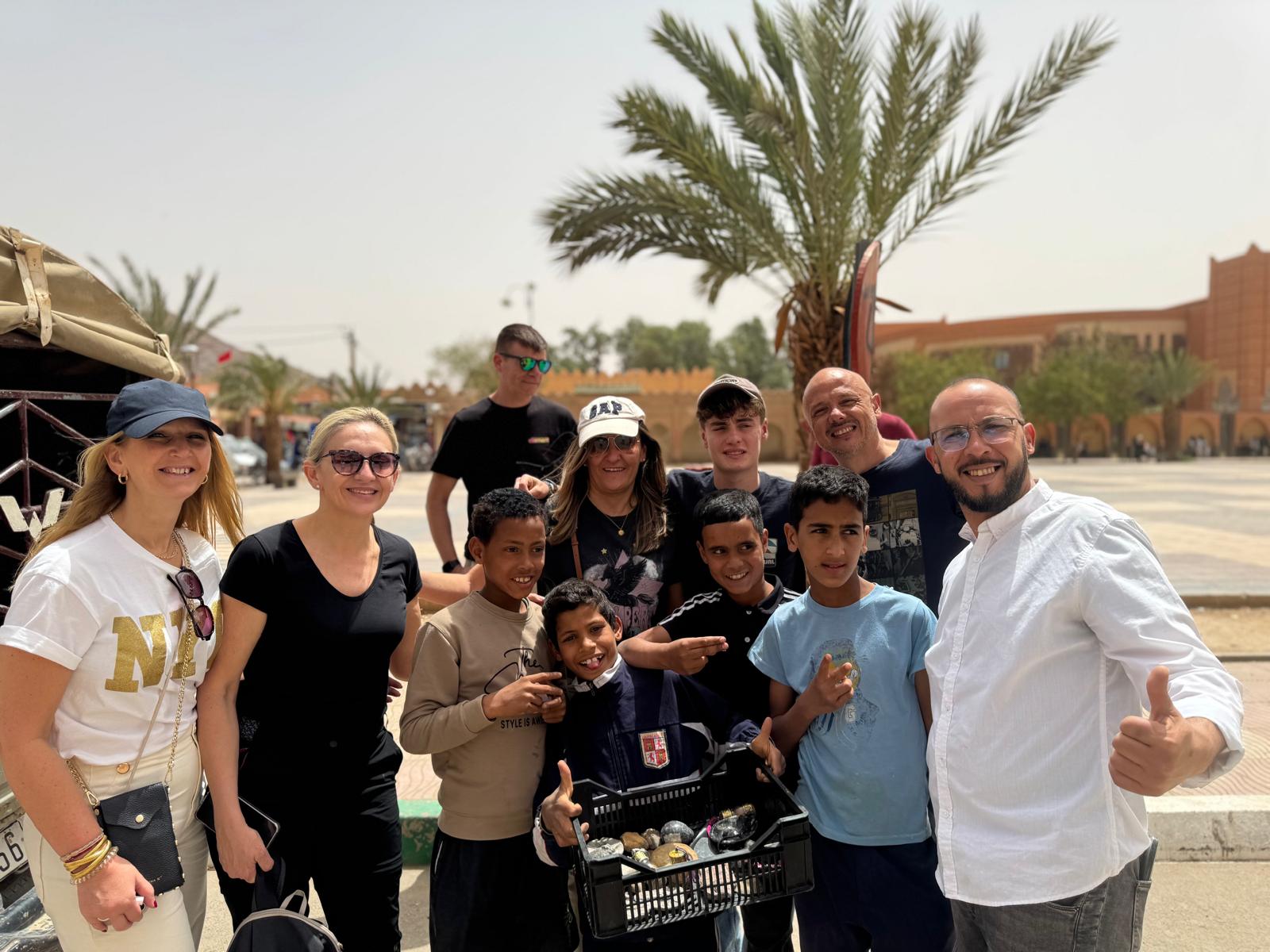
A guided stop in Erfoud on the way to the Erg Chebbi dunes — the region’s geology, history, and practical logistics make far more sense with someone who has made this journey hundreds of times.
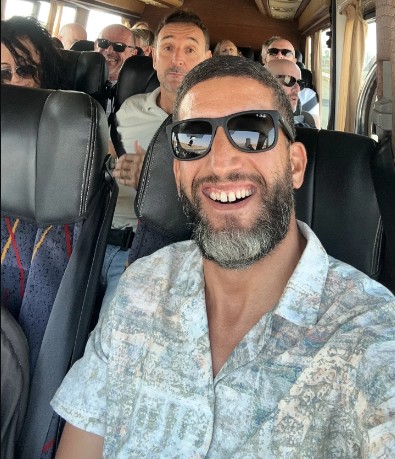
Mouhssine specialises in crafting custom Morocco itineraries for first-time and returning travellers — whether that means three focused days in Fès, a week in the south between the Atlas and the Sahara, or a complete cross-country route. Certified, experienced, and genuinely invested in showing you the Morocco that most tourists never find.
WhatsApp MouhssineFrequently Asked Questions
TopDo I need a visa to visit Morocco?
Citizens of the EU, USA, UK, Canada, and many other countries can enter Morocco visa-free for up to 90 days. Requirements do change, so verify the current rules with your nearest Moroccan embassy or consulate before travel — especially if you are connecting through a third country. The Moroccan National Tourism Office also publishes up-to-date entry information and destination guidance.
What language is spoken in Morocco?
Morocco’s official languages are Arabic and Amazigh (Berber). Darija — the Moroccan Arabic dialect — is what you will hear spoken in the streets. French is widely used in business, signage, and tourism. Spanish is common in the north. English is increasingly spoken among younger Moroccans in the major cities and tourist areas.
How many days do I need in Morocco?
A week covers two to three cities comfortably without rushing. Two weeks opens up the Sahara and a coastal stop. Three weeks or more allows for slower travel, the Atlas villages, and genuine off-the-beaten-path exploration. The honest advice: whatever time you have, do fewer places more thoroughly. Morocco does not reward the sprint.
Can I drink the tap water in Morocco?
Tap water in major cities is treated and technically meets standards, but the change in mineral content causes stomach issues for many visitors. Our full guide on whether you can drink tap water in Morocco explains the risks in detail. The safest approach for your entire trip: bottled or filtered water only.
Is Morocco good for solo travel?
Morocco is well-suited to solo travel. The tourist infrastructure is developed, riads and guesthouses naturally facilitate meeting other travelers, and the train and bus networks connect the main cities reliably. Solo female travelers should take the same precautions they would in any unfamiliar destination — modest dress, confident body language, and reputable accommodation choices make a tangible difference.
What are the best souvenirs to buy in Morocco?
Invest in genuinely handmade items: hand-knotted Berber rugs, thuya wood boxes from Essaouira, handmade babouche slippers in leather, argan oil (buy from a women’s cooperative for quality assurance), ras el hanout spice blends, zellige tilework, and hand-beaten brass or copper lanterns. Avoid anything labelled “Made in China” in the medina stalls — unfortunately it exists and is common.
What is the best time to visit Morocco for a first trip?
Spring (March to May) and autumn (September to November) are the optimal windows. Temperatures are comfortable across all regions, the desert is accessible, and the crowds have not yet peaked. April and October are the single best months for a first visit. See the full best time to visit Morocco guide for month-by-month detail.
Your First Trip to Morocco — Make It Count
The best Morocco travel tips for first timers all point in the same direction: slow down, trust carefully, and stay open. The moments that define a Moroccan trip are rarely the ones on the itinerary — they are the tea you shared with a stranger in a souk, the silence of the desert before dawn, the smell of orange blossom drifting across a riad courtyard. No guide can plan those. But good preparation means you will be present enough to notice them when they happen.