We use cookies to keep this site working, and — with your permission — to understand how it is used, remember your preferences and show relevant offers. You can accept all, reject the non-essential ones, or choose by category.
Is Moroccan food spicy? What every tourist should know
🌶 Moroccan Food Guide
Is Moroccan Food Spicy? What Every Tourist Should Know
The honest, nuanced answer — from the spice souks of Marrakech to the coastal tagines of Essaouira. What flavors to expect, what to watch out for, and how to navigate Moroccan cuisine like a confident traveler.
Moroccan food is aromatic and richly spiced — but not hot-spicy in the way most tourists fear. If you’re picturing the tongue-on-fire sensation of a Thai curry or a Mexican habanero salsa, you can breathe easy. The vast majority of traditional Moroccan dishes are built around warm, fragrant spices like cumin, cinnamon, ginger, and saffron rather than raw chili heat.
That said, spice is part of the Moroccan table. Harissa — a fiery red pepper paste — is almost always present as a condiment, and some regional dishes do carry genuine heat. The distinction is that the heat is almost always optional or on the side, giving every guest control over their experience.
Bottom line for tourists: You will not be ambushed by unexpected heat in most Moroccan restaurants. Spice in Morocco is about depth and warmth, not fire. Even sensitive eaters tend to enjoy Moroccan cuisine comfortably.
If you’re curious about what awaits you before you travel, learning where Morocco is located and its culinary geography is a great starting point — the country’s position between the Mediterranean, Sahara, and Atlantic shapes its food culture profoundly.
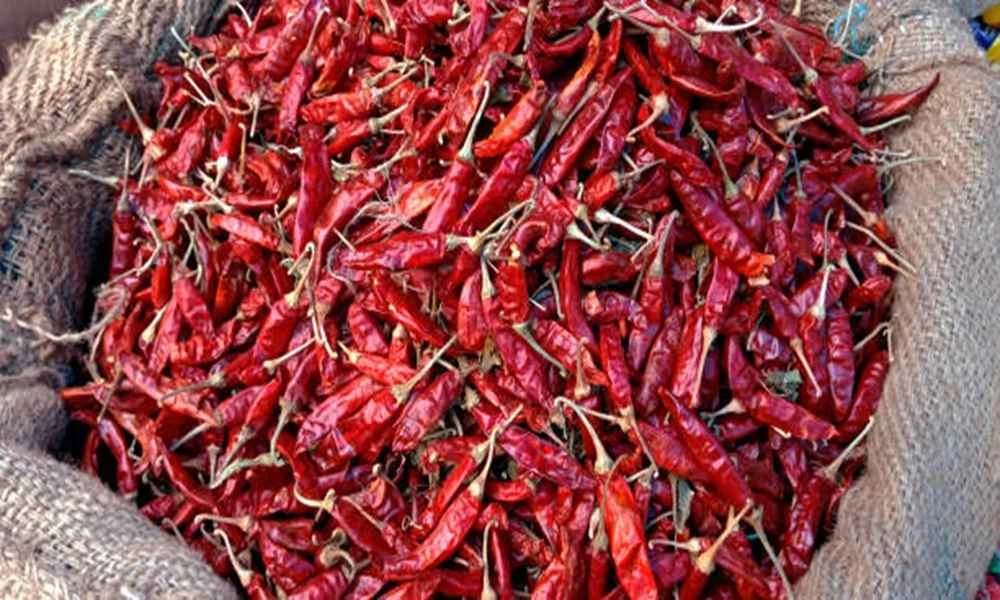
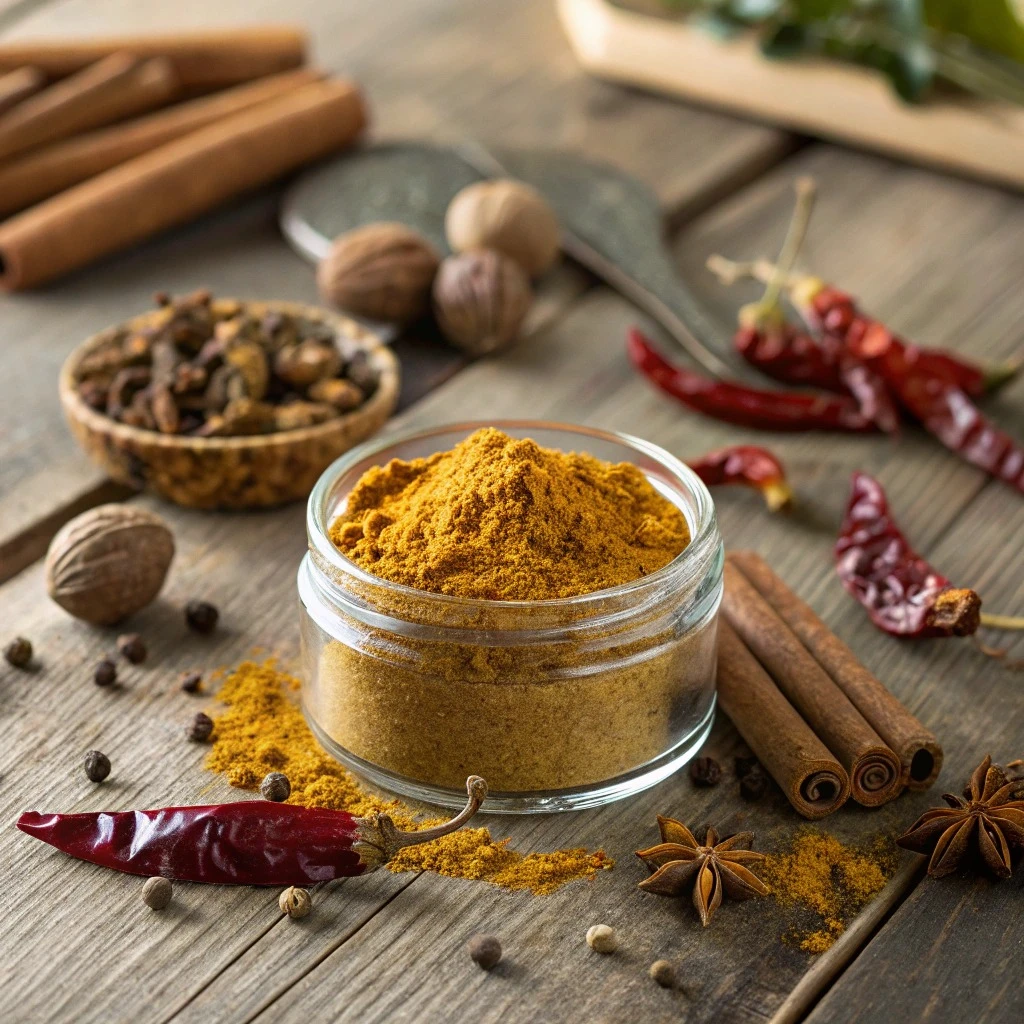
Walking through any Moroccan medina souk, you’ll encounter open sacks overflowing with vivid powders in amber, saffron-yellow, and deep crimson. These spices are the soul of the cuisine. Understanding them helps you know exactly what to expect on your plate.
Cumin
Earthy and warm, used on grilled meats, lentils, and street-food snacks. No heat.
Ras el Hanout
Morocco’s signature blend — up to 30 spices. Warm, perfumed, complex. Rarely spicy.
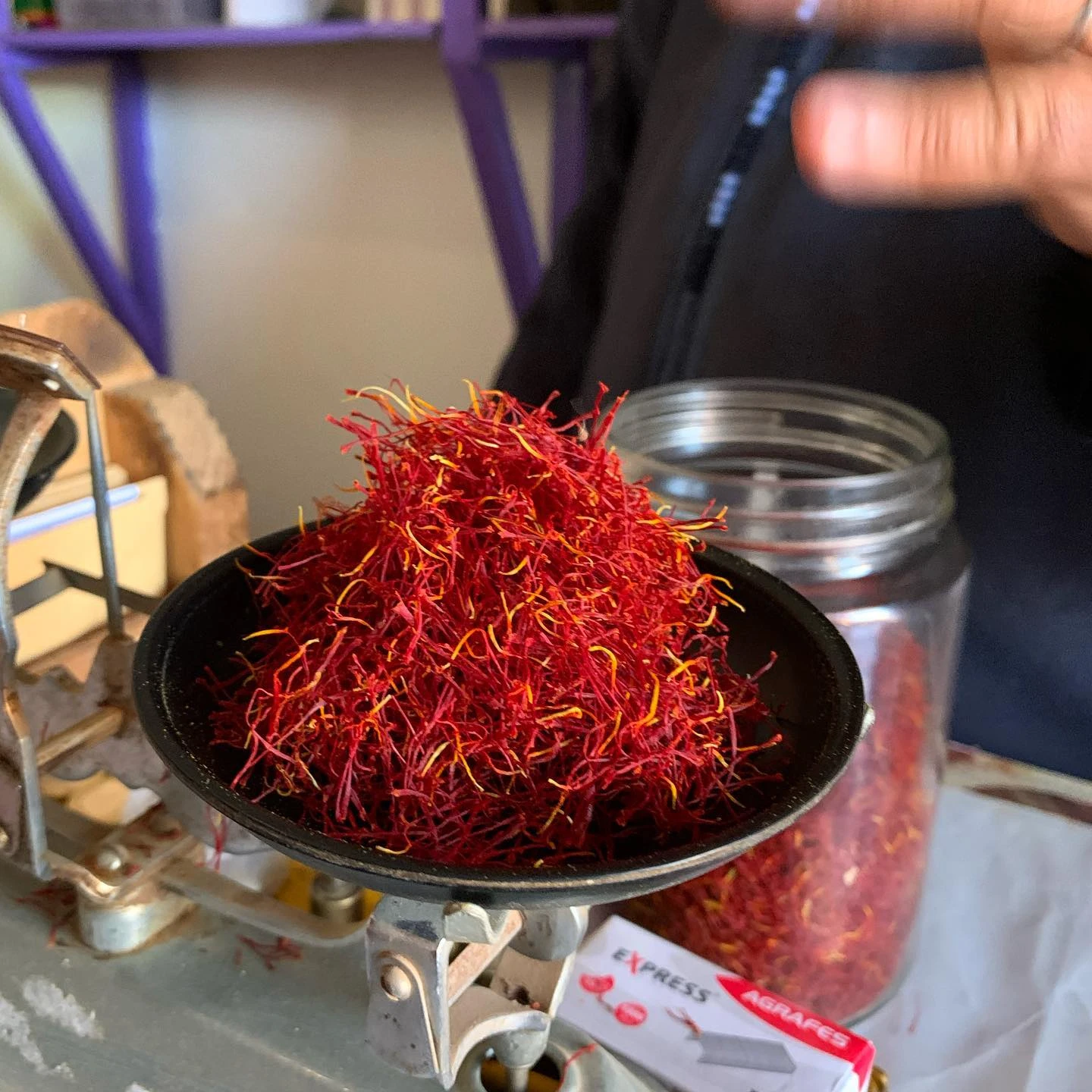
Saffron
Floral and subtle, it gives dishes a golden hue and delicate fragrance. No heat at all.
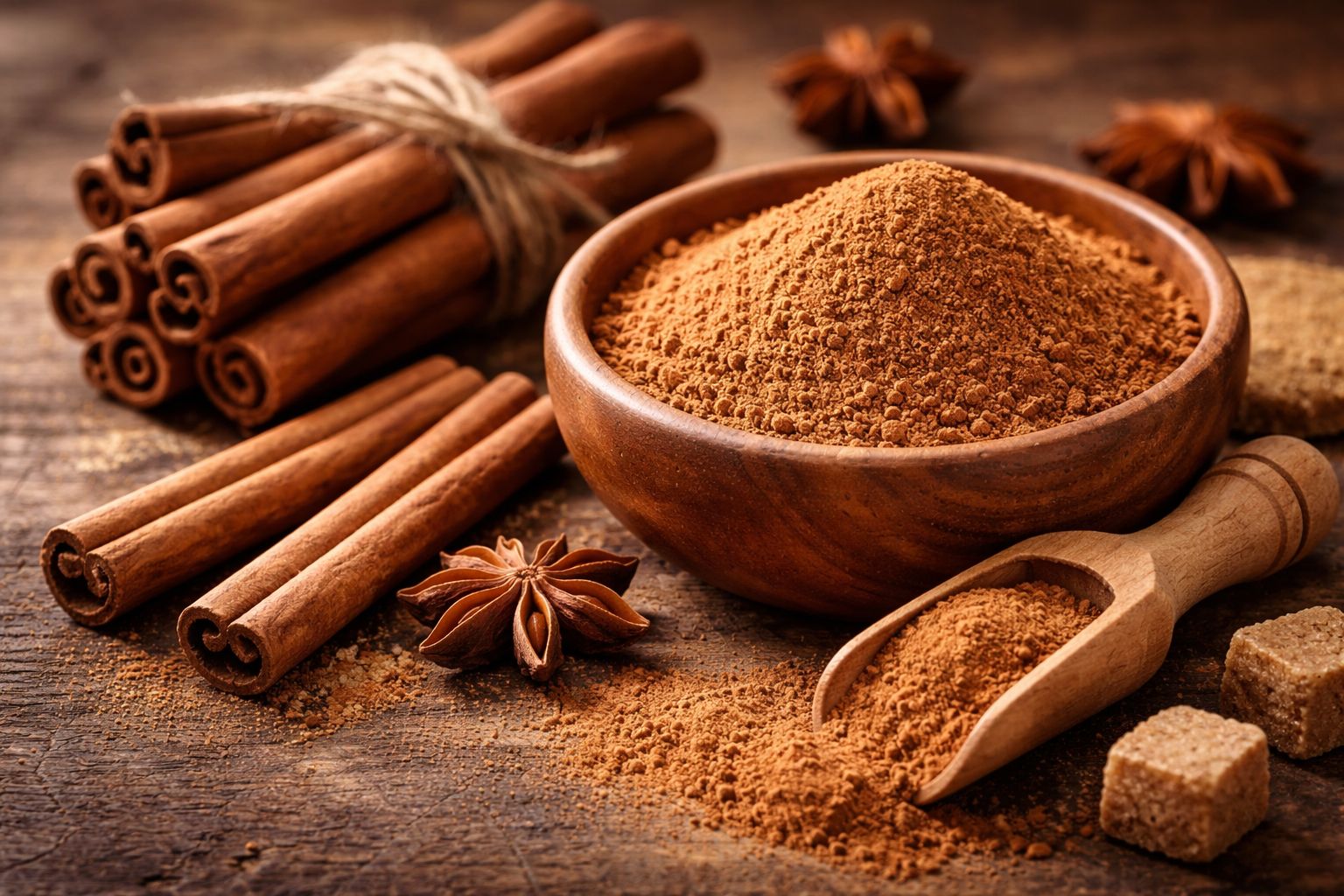
Cinnamon
Used in both savory and sweet dishes — especially in bastilla and lamb tagines.
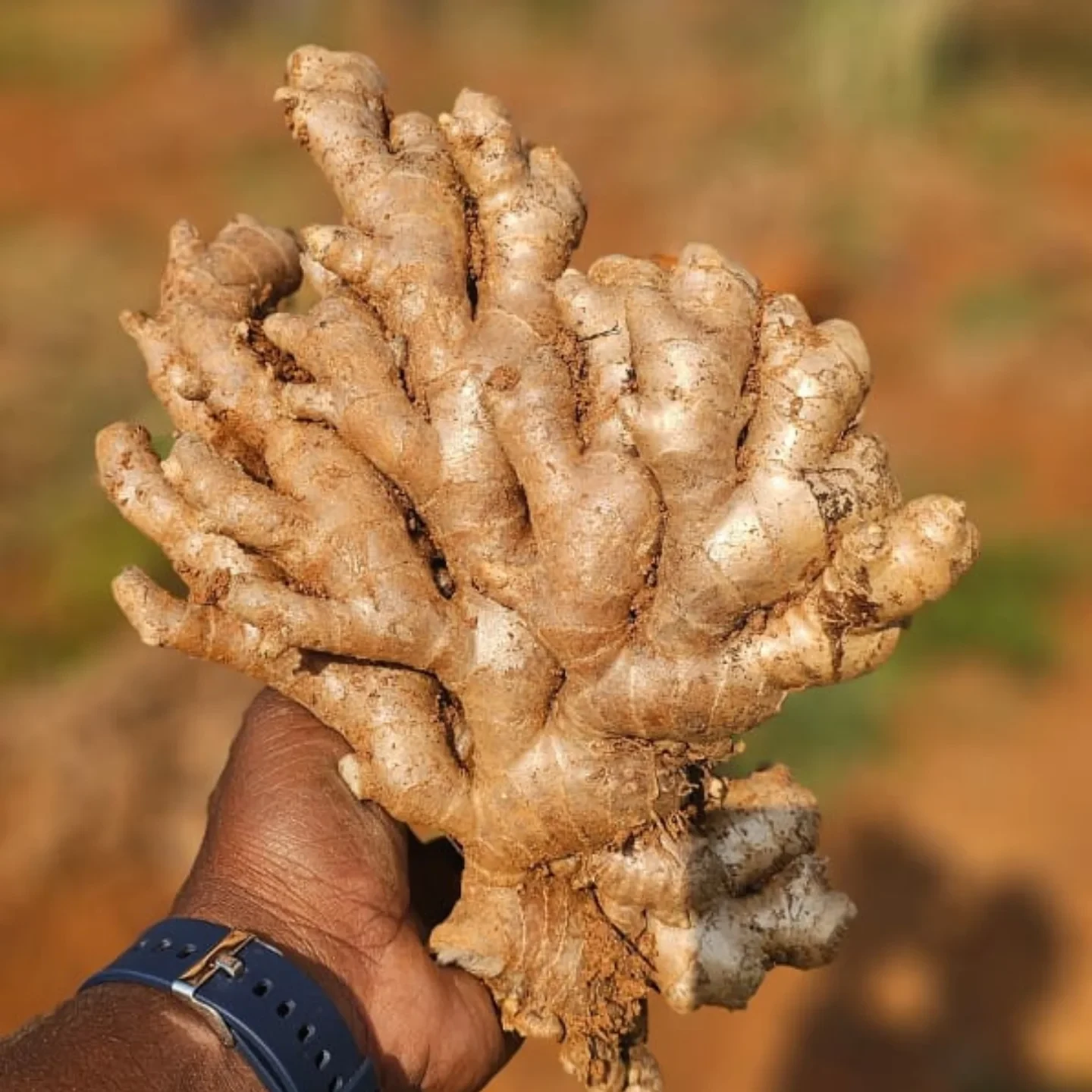
Ginger
Ground and dried, adds a gentle warmth to tagines and soups. Mild heat level.
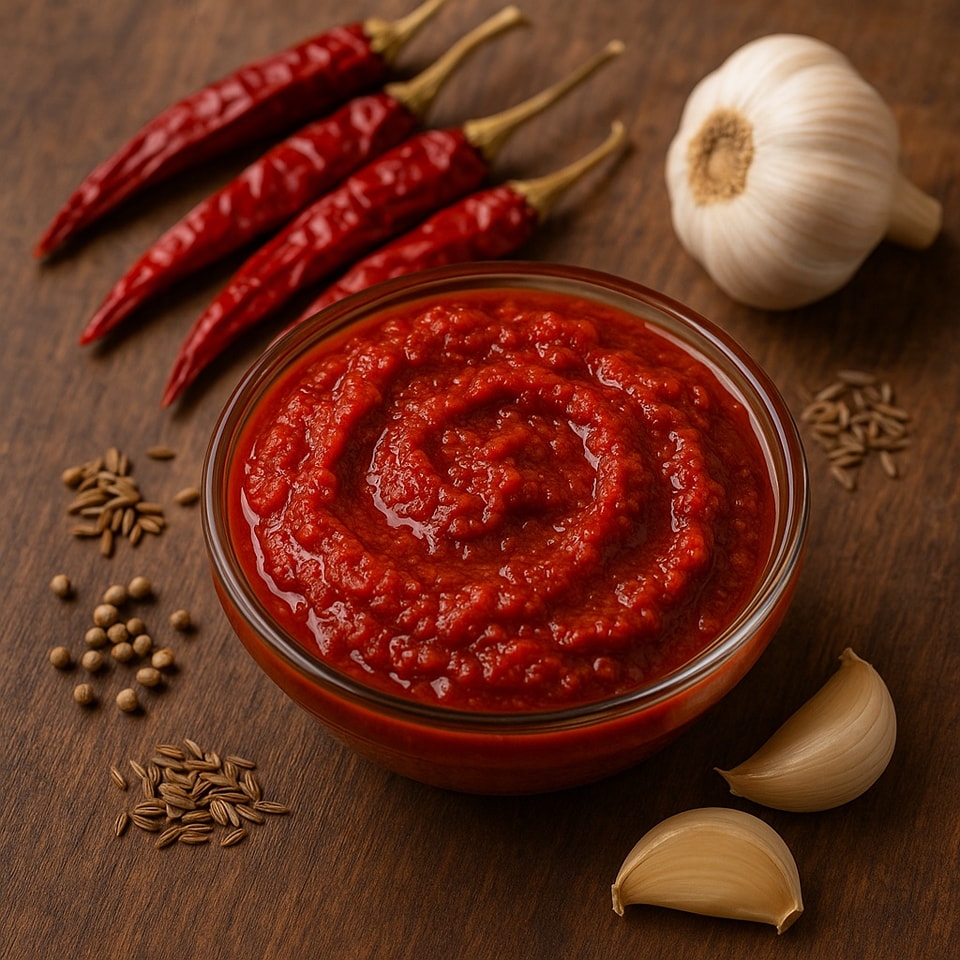
Harissa
The one genuinely fiery element — a chili-based paste served as a condiment. Optional.
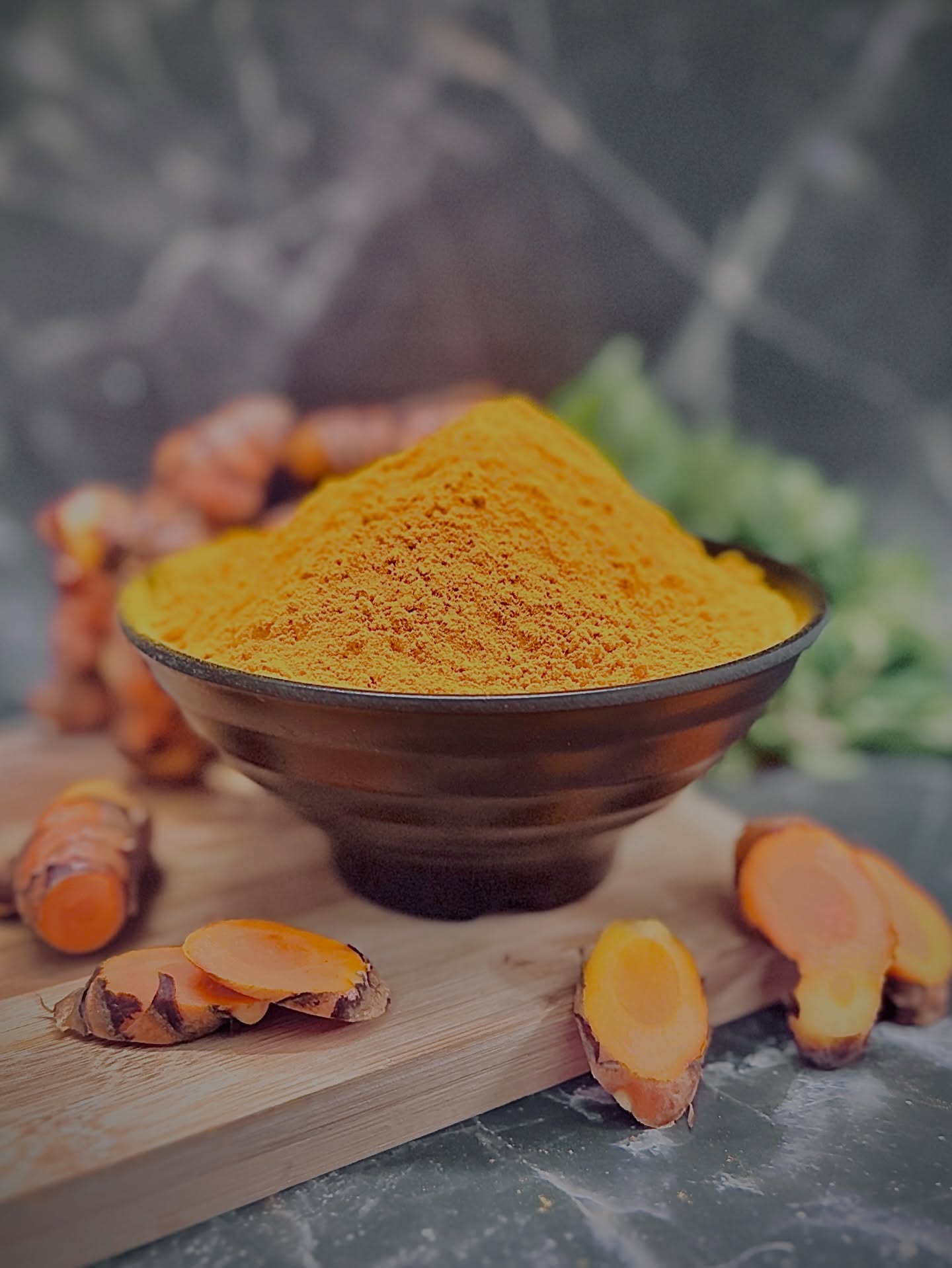
Turmeric
Gives color and earthiness. Anti-inflammatory and commonly used in vegetable dishes.
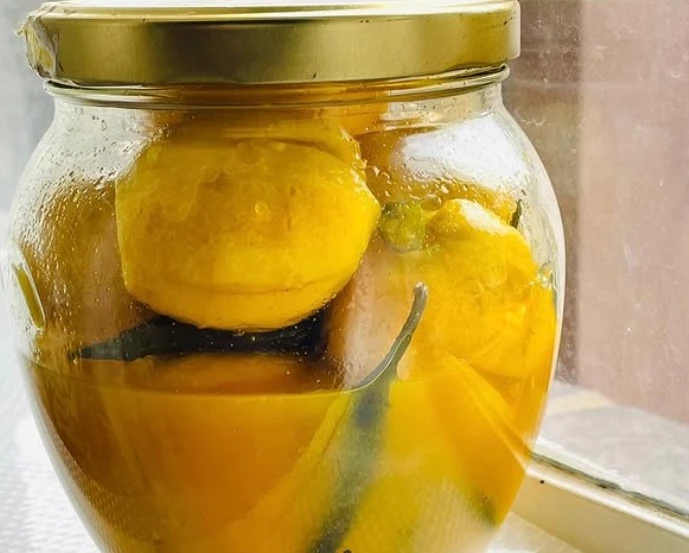
Preserved Lemon
Technically not a spice, but a flavor cornerstone — salty, citrusy, and utterly Moroccan.
The spice blends in Moroccan cooking are sophisticated layered constructions designed to build flavor, not pain. This sets Moroccan cuisine apart from many other North African and Middle Eastern traditions that lean heavier on chili.
Here’s a practical breakdown of the most common Moroccan dishes tourists encounter, and where they sit on the heat scale. For a deeper look at each, see our complete guide to what to eat in Morocco.
Dish
Description
Heat Level
Tagine (Lamb/Chicken)
Slow-cooked with olives, preserved lemon, and aromatic spices
Couscous
Steamed semolina with vegetables and merguez sausage
Harira Soup
Tomato, lentil and chickpea soup — a Moroccan staple
Bastilla (B’stilla)
Flaky pastry with pigeon or chicken, almonds, and cinnamon
Merguez Sausage
Spiced lamb sausage — one of the spicier options
Zaalouk
Smoky eggplant and tomato salad with cumin
Chicken Chermoula
Marinated with herbs, cumin, paprika, and lemon
Harissa Tagine
Tagines prepared with harissa paste — explicitly spicy
The Moroccan tagine in particular is one of the most tourist-friendly dishes in the world — complex in flavor, gentle on heat, and deeply satisfying. It’s the dish almost every first-time visitor to Morocco falls in love with.
Morocco is not a monolith. The country stretches from the Mediterranean coast down through the Atlas Mountains to the Saharan south, and the cuisine shifts meaningfully across these regions. If you’re planning to explore several of Morocco’s cities, here’s what to expect in terms of spice from place to place.
🌊 Coastal Cities (Essaouira, El Jadida)
Seafood-forward, lightly spiced. Chermoula marinades and grilled fish dominate. Very accessible for sensitive palates.
🏙️ Imperial Cities (Fes, Marrakech)
Richer, more complex spice profiles with ras el hanout. Occasional heat in street food. Tourist restaurants are usually mild.
🏔️ Atlas Mountain Villages
Hearty and comforting — lamb tagines with preserved lemon, couscous with seven vegetables. Minimal heat, maximum warmth.
🏜️ Saharan South (Zagora, Merzouga)
Influenced by sub-Saharan spice routes. Some dishes carry more heat and bold cumin notes. Ask before ordering.
Traveler’s note: The further south and east you travel in Morocco, the more pronounced the spice and occasional heat can become. Northern and coastal cooking tends to be gentler and more herb-forward.
Whether you love bold flavors or prefer mild food, Morocco has plenty for everyone. A few simple habits make all the difference in navigating Moroccan cuisine confidently.
1
Always ask about harissa separately. In most restaurants and dars, harissa is served as a condiment — not cooked into dishes. Simply skip it or leave it on the side, and your meal will be completely mild.
2
Use “lahmar” (less spicy) when ordering. Saying “shwiya lahmar” (a little less spicy) in Darija or simply “pas épicé” in French is understood everywhere and will be respected with a smile.
3
Street food varies more than restaurant food. Stalls grilling kefta and merguez in a medina may season more heavily. When in doubt, watch what locals add to their plates before diving in.
4
Stick to bottled water. While the spices won’t burn you, it’s wise to avoid tap water in Morocco to keep your stomach settled throughout your trip.
5
Embrace the experience — go for a riad dinner. Traditional homes converted into guesthouses (riads) serve some of the most carefully prepared Moroccan food, usually balanced perfectly for international guests.
6
Carry your own currency. Markets and small food stalls are cash-only. Knowing what currency Morocco uses before you arrive avoids unnecessary stress when you want to try something delicious on the street.
On the subject of visiting Morocco in general — many tourists wonder about safety before they arrive. If that’s on your mind, our guide on whether Morocco is safe to visit covers everything you need to know before booking.
Nothing beats exploring Moroccan food culture with someone who grew up eating it. A licensed local guide can take you inside the medina’s hidden food stalls, introduce you to dishes you’d never find in tourist menus, and help you understand the story behind every spice.
Ministry of Tourism – Licensed Guide
Mouhssine ELIOUJ
Certified Moroccan Tour Guide · Réf. No. 2898
Ready to explore Morocco’s culinary scene firsthand? Mouhssine is a Ministry of Tourism–licensed guide with deep knowledge of Moroccan food culture, medina markets, and traditional cooking. Reach out directly via WhatsApp to plan your food tour or customize any itinerary.
Not at all in the same way. Indian cooking — especially dishes from regions like Rajasthan or Andhra Pradesh — can reach intense heat levels. Moroccan food relies on warmth and complexity rather than capsaicin-driven heat. The spice philosophy is closer to Persian or Turkish cuisine: layered, aromatic, and subtle.
Absolutely. Moroccan food is generally very family-friendly. Dishes like chicken tagine, couscous with vegetables, and harira soup are mild enough for young children. The key is to keep harissa away from their plates and to order standard preparations rather than specifically spiced versions.
Dishes prepared with harissa are the spiciest. Some versions of merguez sausage also carry significant heat. In southern regions near the Sahara, certain meat preparations feature bold chili notes borrowed from sub-Saharan spice traditions. If you specifically want heat, these are the ones to seek out.
Ras el hanout — Morocco’s most iconic spice blend — is fragrant, complex, and warm, but not hot. It typically contains cinnamon, ginger, cardamom, coriander, turmeric, and sometimes dried rose petals. Heat is rarely a prominent component. It’s one of the most nuanced spice blends in the world.
Morocco is genuinely excellent for plant-based eaters. The cuisine includes a rich array of vegetable tagines, lentil soups, chickpea dishes, roasted salads, and fresh bread. Markets overflow with seasonal produce, and spicing is always gentle. Street food like msemen (flatbread) and bissara (fava bean soup) are both vegan staples.
🫖
A Cuisine Worth Every Flavor
Moroccan food is a feast for the senses — vibrant, aromatic, and deeply human. The spice question almost always resolves itself the moment travelers sit down to their first tagine. Far from overwhelming, Moroccan cuisine tends to become an immediate favorite. Come hungry, stay curious, and let the flavors speak for themselves.