🌍 Morocco Travel Health · 2026 Guide
How to Avoid Getting Sick in Morocco
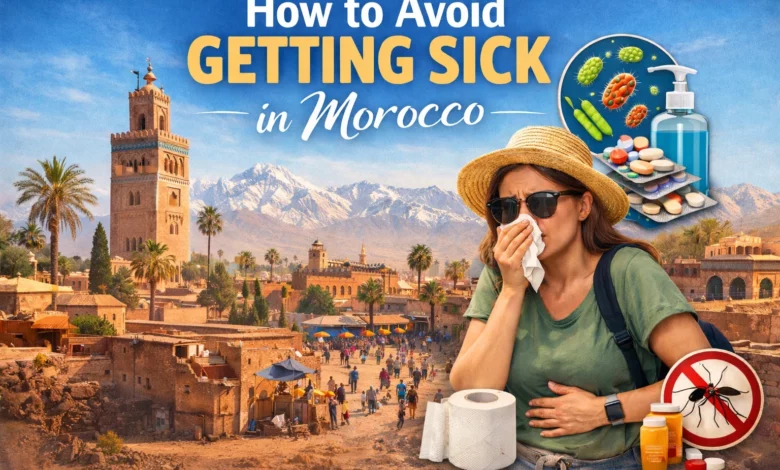
Planning a trip to Morocco is exciting — the medinas, the Sahara, the coastal breeze of Essaouira. But like any destination, it comes with its own health considerations. The good news? With the right preparation, you can visit Morocco and feel great from start to finish. This guide covers everything you need to know about how to avoid getting sick in Morocco, from what to eat and drink to protecting yourself against the sun and unfamiliar bacteria.
Water & What to Drink Safely ↑
One of the first questions travelers ask is: can you drink tap water in Morocco? The short answer is — it depends on where you are and how sensitive your stomach is. Technically, the tap water in major cities like Marrakech, Casablanca, and Fez is treated and considered technically potable. But the pipes it travels through, the local mineral content, and the fact that your gut is simply not used to the local bacteria means that drinking tap water is one of the most common reasons tourists end up feeling unwell.
⚠️ Important
To stay safe and avoid getting sick in Morocco, always drink bottled or filtered water throughout your trip — even when brushing your teeth, especially in rural areas or riads with old plumbing.Safe Hydration Tips
- Buy sealed bottled water from reputable brands (Sidi Ali, Ain Saïss, Oulmès).
- Avoid ice in drinks unless you’re at a high-end hotel that confirms it’s made from filtered water.
- Use bottled water for brushing your teeth if you have a sensitive stomach.
- Carry a reusable bottle with a built-in filter such as a LifeStraw bottle for longer treks.
- Fresh-squeezed orange juice (especially in Marrakech’s Djemaa el-Fna) is generally safe and delicious — just watch that they don’t add tap water.
- Mint tea is safe and heavily consumed by locals — the boiling process makes it perfectly fine to drink.
✅ Pro Tip
Staying properly hydrated is one of the simplest yet most powerful ways to stay healthy in Morocco, especially in summer when temperatures can reach 45°C in the Sahara. Drink at least 2–3 litres per day.Street Food & Restaurant Safety ↑
Moroccan cuisine is extraordinary — fragrant tagines, couscous loaded with vegetables, bastilla, harira soup. The food scene is one of the real highlights of visiting. But knowing where and how to eat safely is key to avoiding getting sick in Morocco.
Street food is not something to avoid entirely — in fact, some of the best and safest meals are eaten at outdoor stalls that cook food fresh in front of you. What matters is observing the setup before ordering.
Choose Freshly Cooked Food
Hot, freshly prepared food carries less bacterial risk. Go for tagines, grilled meats, and soups made to order.
Look for Busy Stalls
High turnover means the food doesn’t sit around. If locals are eating there, it’s usually a reliable sign of quality and freshness.
Be Cautious with Raw Salads
Raw vegetables washed in tap water can upset your stomach. Ask if salads are washed in treated water or skip them early in your trip.
Seafood: Coastal Only
Enjoy seafood in coastal cities like Essaouira, Agadir, or Casablanca. Avoid shellfish from inland restaurants.
ℹ️ Good to Know
Moroccan Msemen (flatbread), kefta brochettes, and harira soup are crowd favourites that are both safe and authentic. Don’t let food anxiety stop you from tasting the real Morocco.Preventing Traveler’s Diarrhea ↑
Traveler’s diarrhea is the most common ailment among visitors to Morocco — and it’s often caused not by food poisoning but simply by exposure to new bacteria that your gut hasn’t encountered before. Many travelers wonder will I get sick in Morocco? The reality is that about 20–30% of first-time visitors experience some digestive upset, but most cases are mild and manageable if you’re prepared.
Prevention Strategies
- Pack oral rehydration salts (ORS) — if you do get an upset stomach, this is the most effective first-line treatment.
- Consider taking probiotics (like Lactobacillus) for 1–2 weeks before your trip to build gut resilience.
- Eat yogurt (lben) during your trip — it’s widely available and contains beneficial bacteria that help your gut adapt.
- Wash your hands thoroughly before meals, especially after visiting souks or touching money.
- Carry antibacterial hand gel and use it liberally.
- Avoid dairy products that haven’t been pasteurized — this includes some market stalls selling fresh milk or cream.
⚠️ Pack These Medications
Loperamide (Imodium) for diarrhea management, Azithromycin or Ciprofloxacin (prescription, for bacterial infections), and activated charcoal tablets. Consult your doctor before travel about what to bring.It’s also worth noting that being part of a well-organised tour led by a licensed guide significantly reduces your exposure to risky food or water situations — local expertise goes a long way in knowing exactly which places are genuinely safe to eat.
Sun, Heat & Dehydration ↑
Morocco’s climate is intense. Even in spring or autumn, the sun beats down hard, and the Southern regions — Merzouga, Zagora, Ouarzazate — can feel punishing during midday hours. Heatstroke and sunburn are more common causes of ruined trips than food-related illness.
The physical geography of Morocco creates hugely varied microclimates: the coastal Atlantic breeze can be deceptive while the interior Saharan air dries you out faster than you realise.
SPF 50+ Every Day
Apply broad-spectrum sunscreen every morning and reapply every 2 hours when outdoors — even on cloudy days.
Cover Up
Lightweight long-sleeved shirts and a wide-brim hat are your best defence. Local djellabas are practical and culturally respectful.
Rest Between Noon and 3pm
Plan your sightseeing around peak heat. Medina exploration is best early morning or late afternoon.
Know the Signs of Heatstroke
Dizziness, confusion, rapid heartbeat, no sweating — move to shade immediately, rehydrate, and seek medical help if symptoms persist.
Vaccinations & Medical Preparation ↑
Morocco doesn’t require any mandatory vaccinations for entry, but your travel medicine doctor will likely recommend several based on your trip duration, itinerary, and personal health history. Preparation well in advance is part of how to avoid getting sick in Morocco before you even board your flight.
Recommended Vaccinations
- Hepatitis A — Highly recommended; transmitted through contaminated food and water.
- Typhoid — Recommended especially if visiting rural areas or eating from local markets.
- Hepatitis B — If you may need medical care or are visiting for extended periods.
- Rabies — Recommended for those spending time in rural areas or near animals (stray dogs and cats are common in medinas).
- Tetanus / Diphtheria / Pertussis — Ensure your routine vaccinations are up to date.
- COVID-19 — Follow current guidelines from your home country’s health authority.
✅ Timing
Visit your GP or travel clinic at least 4–6 weeks before departure to allow time for vaccine series to complete and for any side effects to settle.Also consider purchasing comprehensive travel insurance that covers emergency medical evacuation — while Morocco has good medical facilities in major cities, remote areas can be far from adequate care. It’s one of the most important safety considerations tied to whether Morocco is safe to visit for tourists.
Hygiene Habits That Make a Real Difference ↑
Good hygiene is unglamorous but genuinely powerful. Morocco’s souks and medinas are vibrant and packed — surfaces are touched constantly, and basic handwashing discipline alone can drastically reduce your risk of picking up bugs.
🧳 Daily Hygiene Checklist for Travelers
- Wash hands before every meal
- Use antibacterial gel after touching money
- Avoid touching your face in crowded areas
- Use toilet seat covers in public toilets
- Carry your own tissue/wet wipes
- Change clothes if you’ve been sweating heavily
- Keep wounds clean and covered in dusty environments
- Avoid walking barefoot in hammam changing areas
- Don’t share water bottles or eating utensils
- Dispose of waste properly in the Sahara
Be particularly cautious in hammams (traditional bathhouses), which are a wonderful cultural experience but require basic precautions: wear flip-flops, avoid touching your face, and make sure the establishment is reputable — your guide or riad can point you to the best options.
It’s also worth being aware of common tourist scams in Morocco, which sometimes involve being taken to unreliable restaurants or low-quality accommodations — all of which can indirectly increase your health risks.
Altitude, Climate Changes & the Atlas Mountains ↑
If your itinerary includes the High Atlas Mountains — particularly Toubkal (4,167m), the highest peak in North Africa — altitude sickness becomes a real consideration. Symptoms typically include headache, nausea, dizziness, and fatigue, and they appear at elevations above 2,500m.
- Ascend gradually — don’t rush from sea level to the summit in one day.
- Stay well hydrated; avoid alcohol at altitude.
- Speak to your doctor about Acetazolamide (Diamox) if you’re prone to altitude sickness.
- Recognise the signs of Acute Mountain Sickness (AMS) and descend immediately if symptoms worsen.
Additionally, temperature swings in Morocco are dramatic — it can be hot in Marrakech’s medina during the day and cold in the mountains the same evening. Always layer up and pack a proper rain jacket for any Atlas excursion, regardless of the season.
Pharmacies & Medical Care in Morocco ↑
Moroccan pharmacies (pharmacies) are well-stocked, widely available in cities and towns, and pharmacists typically speak French and sometimes English. They can provide many medications over the counter that would require a prescription in Europe or North America — making them a useful first port of call for common ailments like stomach upsets, headaches, or minor infections.
What to Pack in Your Travel Health Kit
First Aid Basics
Plasters, antiseptic cream, tweezers, sterile gauze, medical tape.
Stomach Remedies
Imodium, ORS sachets, antacids, charcoal tablets, anti-nausea medication.
Sun & Skin
SPF 50+ sunscreen, aloe vera gel, lip balm with SPF, insect repellent.
General Medicines
Paracetamol, antihistamines, eye drops, any prescription medications in sufficient quantity.
ℹ️ Medical Facilities
Casablanca, Rabat, and Marrakech have good private clinics with English-speaking staff. In smaller towns or rural areas, care is more limited. Travel insurance with medical evacuation cover is strongly recommended for all Morocco trips.Get Local Expertise: Talk to a Licensed Guide ↑
No guide or article can fully replace the insight of a knowledgeable local who travels Morocco every day. A licensed guide doesn’t just show you the sights — they know which restaurants are genuinely safe, which street food stalls are trustworthy, and how to navigate the souks without ending up in a tourist trap that could also risk your health.
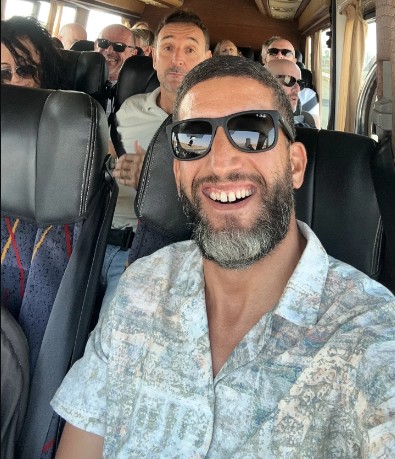
Mouhssine Eliouj
🏅 Licensed by the Moroccan Ministry of Tourism · Ref. No. 2898
Mouhssine is a certified, Ministry-licensed guide with years of experience leading international travelers safely across Morocco — from the Marrakech medina to the dunes of Merzouga. He can advise you on safe eating spots, local health considerations, itinerary planning, and so much more — all via a simple WhatsApp message.
Chat on WhatsAppFrequently Asked Questions ↑
✅ Final Thought
Morocco is a genuinely wonderful destination to visit, and health concerns should not overshadow your excitement. With the right preparation — vaccinations, safe water habits, sun protection, and a little local knowledge — most travellers experience Morocco in full and return home healthy, happy, and hungry for more.