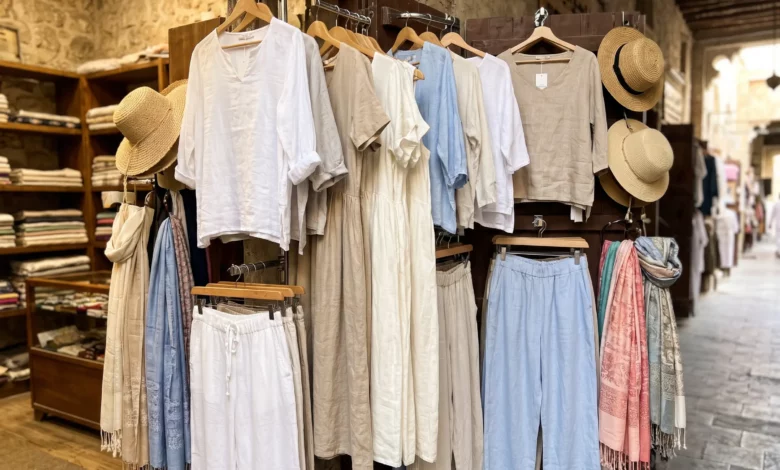
For Morocco, pack light, loose clothes that cover shoulders and knees, comfortable closed shoes for the medina, a warm layer for evenings (essential in the desert and the mountains, and in winter everywhere), a Type C or E plug adapter, sun protection and a bank card that works abroad. Most other things are easy to buy here.
Most Morocco packing lists are written for one trip that nobody actually takes: a week that is somehow hot, cold, sandy, snowy and beach-ready at once. The real Morocco packing list depends on two things, the month and where you sleep. A July city break in Marrakech and a January night in a Merzouga camp share about half their luggage, and the other half is what people get wrong.
Use the checklist builder below to make your own list, then read on for the reasoning behind each item and the things you can safely leave at home.
Build your Morocco packing listContents ↑
Choose when you travel and where you are going. The list updates as you tap, ticks are saved on this device, and the print button gives you a clean paper copy.
A general checklist from moroccantraveltrips.com, not official advice. Entry rules depend on your nationality: check your government’s travel pages before you go.
Essentials for every tripContents ↑
Your passport comes first, with a photo of its main page saved on your phone and in your email. Entry rules depend on your nationality and can change, so check them on your own government’s travel pages; American travellers can start with our page on Morocco entry requirements for US citizens.
Money is simpler than people expect. The dirham is generally obtained in Morocco itself, from ATMs and exchange offices after you land, so bring a bank card that works abroad, a second card kept separately, and a little cash in euros or dollars for the first hours. Our guide to ATMs in Morocco explains which machines are easiest for foreign cards, and the tipping guide has a calculator that tells you how many small notes to carry.
For electronics, Morocco uses Type C and E sockets at 220 V. Most visitors from outside continental Europe need a simple plug adapter; our plug adapter checker tells you in one click by country. Add a power bank for long medina days and make sure your phone is unlocked if you plan to buy a local SIM card.
Keep a small health pouch: your regular medication in its original packaging with the prescription, hand sanitiser, a pack of tissues (paper is not always provided in public toilets), plasters and sunscreen. Our pages on tap water and avoiding stomach trouble cover the rest; for anything medical, ask your doctor or pharmacist before you leave.
Clothes that work in the medinaContents ↑
There is no dress law for visitors, but loose clothes that cover the shoulders and knees are more comfortable in the heat, attract less attention in the old towns and are respectful in villages. Linen and cotton beat synthetics. A light scarf earns its place for everyone: shade for the neck, a cover against dust, an extra layer in an air-conditioned bus.
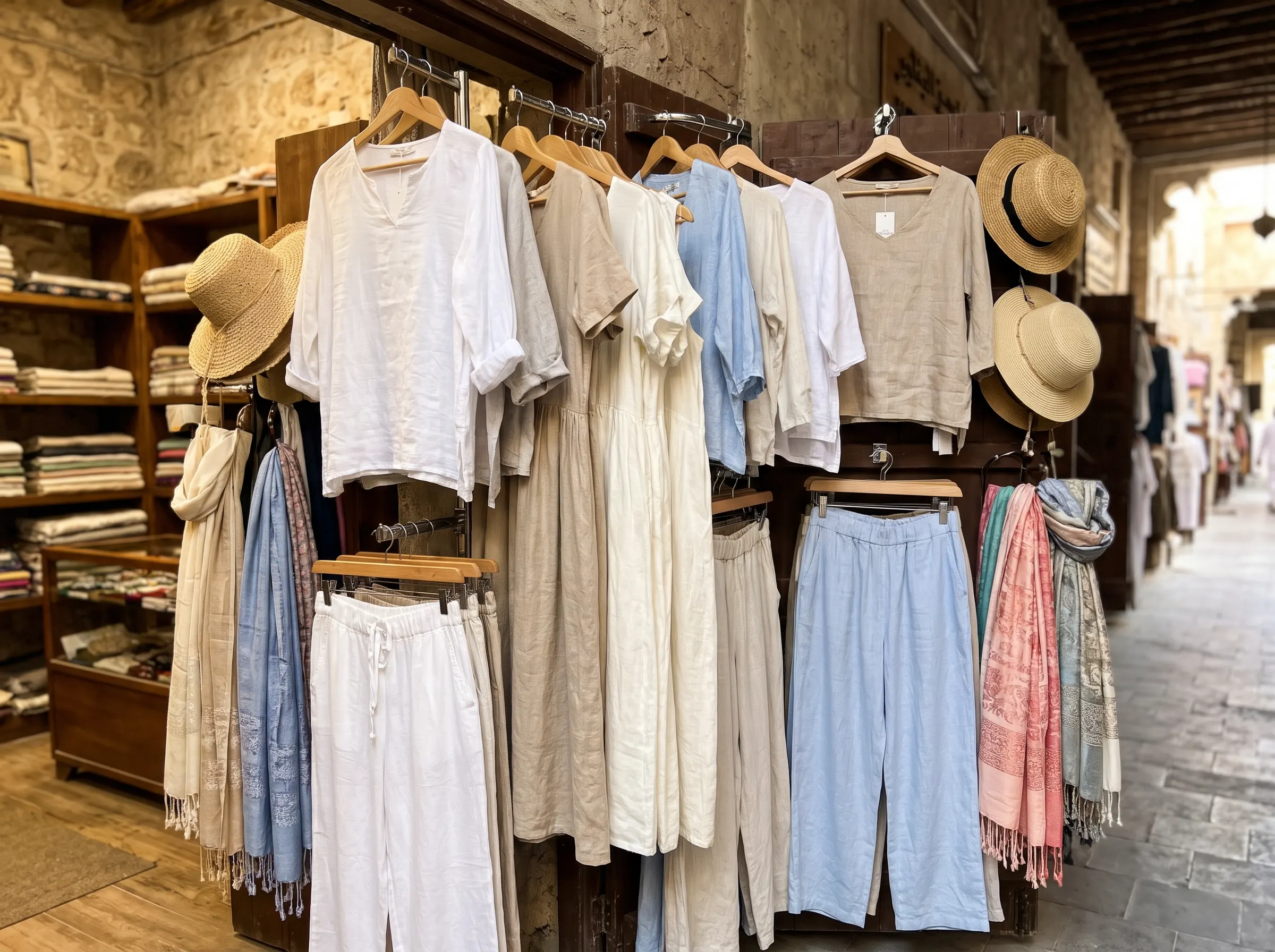
Shoes matter more than outfits. Medina lanes are uneven, sometimes wet, and you will walk far more than you plan. Bring closed, already broken-in walking shoes and keep sandals for the riad and the beach. For outfit ideas, see what to wear in Morocco and the dedicated guide on what to wear in Morocco as a woman.
What to add for each seasonContents ↑
Morocco is not hot all year. Winter evenings in Marrakech are cool, old riads are cold inside, and the desert and the mountains are colder still. Summer is the opposite problem in the interior, while the Atlantic coast stays mild and windy. The best time to visit Morocco guide goes month by month.
| Season | Cities and medinas | Desert and mountains |
|---|---|---|
| Dec to Feb | Warm jumper, light jacket, socks and warm sleepwear for the riad | Insulated jacket, hat, gloves; snow is possible in the High Atlas |
| Mar to May | Layers: T-shirts plus a light jacket for evenings | Fleece for the night; rain layer in the mountains |
| Jun to Aug | Breathable linen, wide-brimmed hat, high-protection sunscreen | Light long sleeves against the sun; a light layer for desert nights |
| Sep to Nov | Summer clothes early on, a light jacket from late October | Fleece for nights, warmer layers by November |
Packing for a night in the SaharaContents ↑
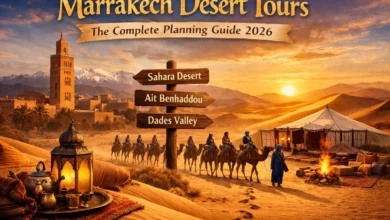
The desert surprises people twice: the heat of the sand by day in summer, and how fast the temperature falls after sunset, especially between November and February. Pack a warm layer even if the afternoon feels like summer. A head torch helps in camp, a scarf or cheche protects against wind and sand, and zip bags keep phones and cameras clean. Most camps let you leave the big suitcase in the vehicle, so carry a small overnight bag.
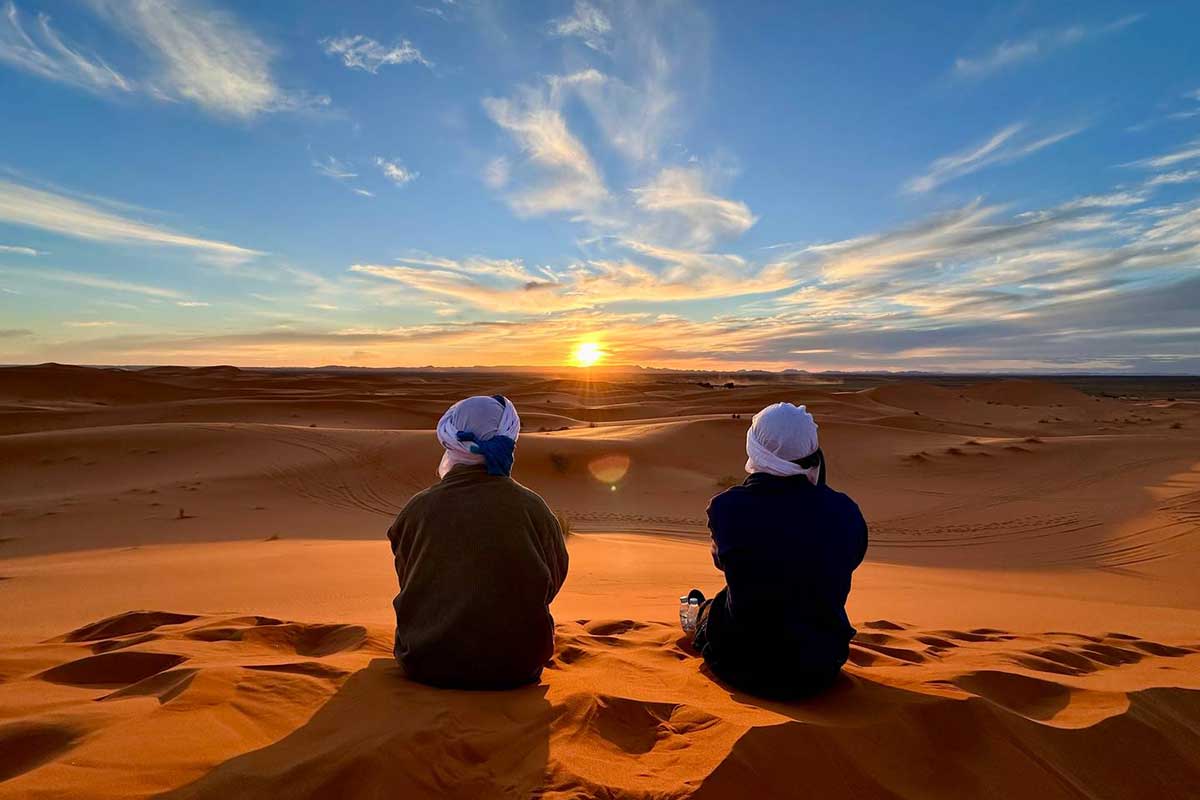
Wondering whether the trip is right for you at all? Our honest answer is in is the Sahara desert worth it.
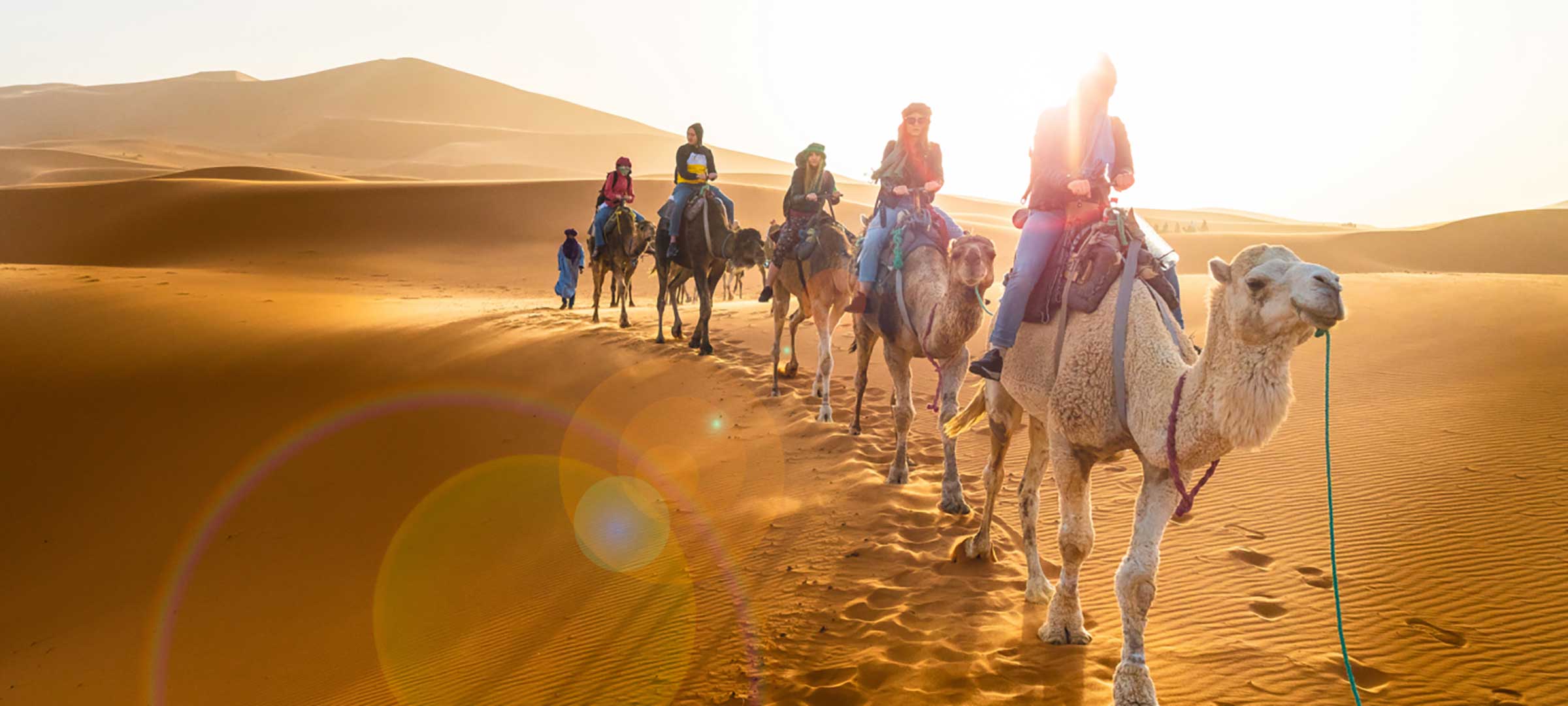
Two nights on the road and in the dunes, with time to repack between the riad and the camp.
See the itineraryPacking for the Atlas MountainsContents ↑
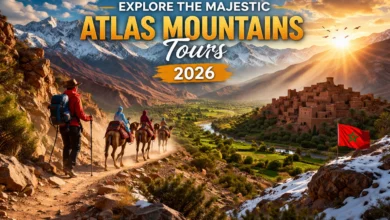
A day walk around Imlil or the Ourika Valley needs proper shoes with grip, a daypack, water, a rain jacket and a warm layer, because temperatures drop quickly with altitude. A summit trek such as Toubkal is a different trip: broken-in hiking boots, a warm sleeping layer for the refuge, gloves and a hat in every season, and in winter the technical gear your mountain guide asks for. Local mountain guides in these regions will tell you exactly what the route needs before you set off.
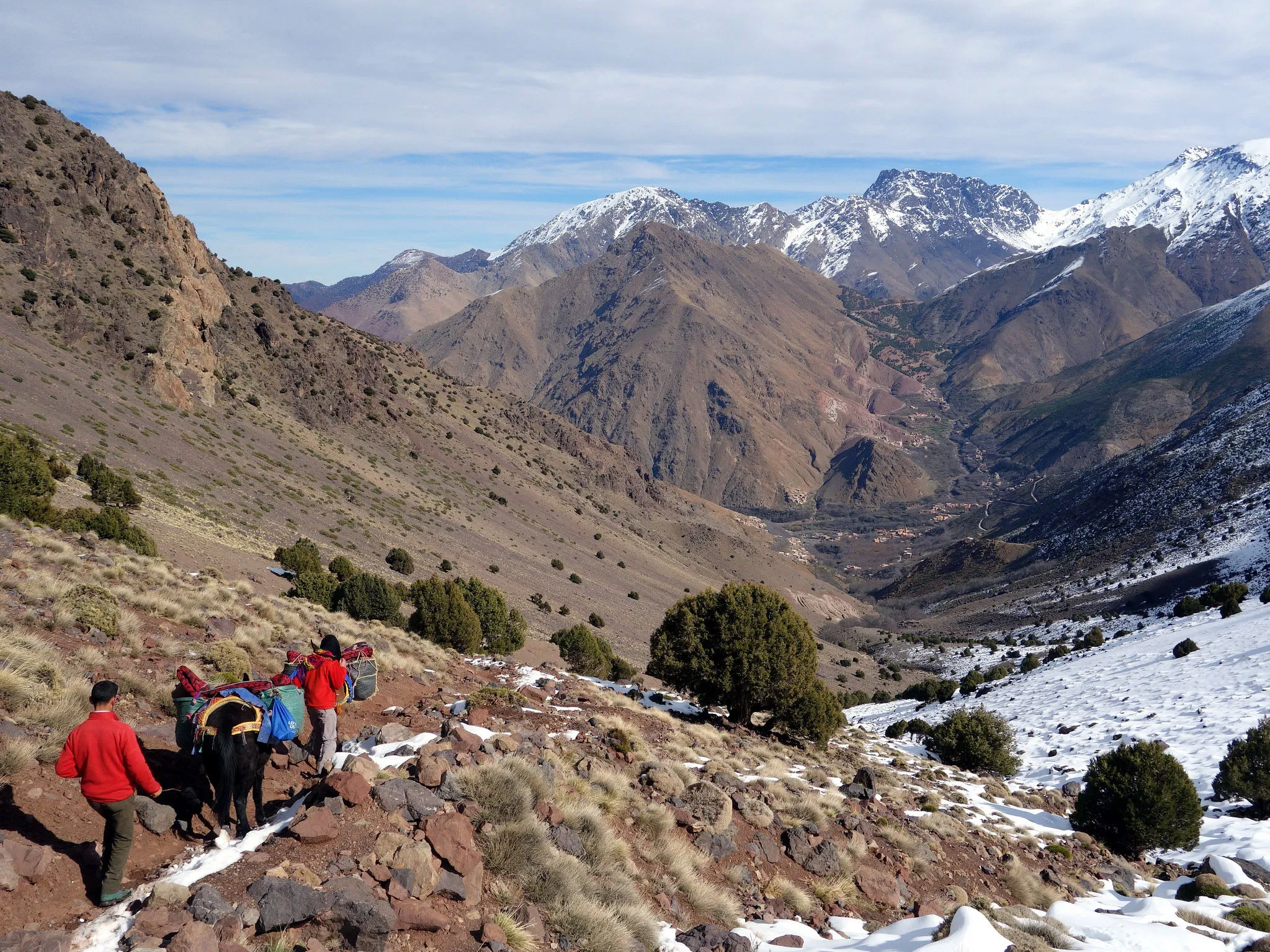
For the two-day ascent, see the Toubkal summit trek from Marrakech.
The coast: Essaouira and AgadirContents ↑
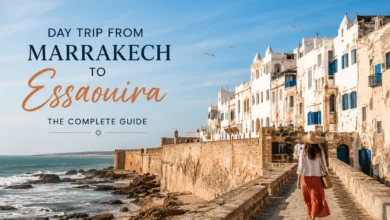
The Atlantic is cooler than the interior and Essaouira is famously windy, so a windproof jacket is worth more there than a second swimsuit. Bring swimwear and a cover-up for the walk from the beach. If you are only visiting for the day, our day trip from Marrakech to Essaouira guide explains what the day looks like.
What to leave at homeContents ↑
- A drone. Bringing one into Morocco requires prior authorisation, and drones arriving without it are held at the airport. Check the official rules well before you travel, or simply leave it at home.
- Single-voltage hair tools from North America or Japan. At 220 V they burn out; pack dual-voltage models or buy one here.
- Expensive jewellery and too many valuables. Nothing about Morocco calls for them, and less to watch means a more relaxed medina.
- A full toiletries bag. Pharmacies and shops in every city stock the basics.
- Empty space you do not have. Leave room in the suitcase for what you will buy; almost everyone goes home heavier.
What to buy once you are hereContents ↑
Several things are better bought on arrival. A cotton scarf or cheche for the desert costs little in any souk. Black soap and a kessa glove for the hammam are sold everywhere, as are leather babouches for the riad, sun hats and light linen shirts. For prices and what to look for, see things to buy in the Marrakech souk.
Packing questions travellers askContents ↑
Can I wear shorts in Morocco?
You can, and no rule forbids it, but knee-length or longer is more comfortable in the medinas and in villages, where most people dress modestly. Short shorts draw attention in the old towns. In resorts, on the beach and in your riad nobody minds.
Do I need a jacket in Morocco?
From November to March, yes, at least a light one for evenings, and a warm one for the desert or the mountains. In summer a light layer is enough for the interior, but take a windproof jacket for Essaouira and the coast at any time of year.
Should I bring cash or a card?
Both. Cards work in many hotels and larger shops, but taxis, cafés, souks and tips run on cash. The usual approach is to take dirhams from ATMs after landing and keep a backup card in a separate place.
Is a backpack or a suitcase better for Morocco?
For a riad deep in the medina, a backpack or a small wheeled case is easier, because cars cannot reach the door and lanes are uneven. If you have a large suitcase, the riad can usually arrange a porter with a cart from the nearest gate.
What shoes should I pack for Morocco?
One pair of comfortable closed walking shoes is the priority, plus sandals for the riad or beach. Add hiking boots only if you are trekking in the Atlas; for a desert night, closed shoes or sandals both work, but sand gets very hot in summer.
Can I buy what I forgot in Morocco?
Almost always. Pharmacies, supermarkets in the new towns and souk stalls cover toiletries, clothes, adapters, scarves and sunscreen. Specific medication and specialist trekking gear are the exceptions, so bring those from home.
Pack for the month, not for the brochureContents ↑
Packing well for Morocco comes down to respecting two facts: the country is cooler than its reputation for half the year, and its old towns reward comfortable, covered clothes and good shoes. Build your list with the checklist above, leave space for the souks, and the rest can be found here when you need it. If your trip includes guided days, the tipping guide is the next useful read.