Is Marrakech Safe for Solo Female Travelers?
An honest, up-to-date guide covering everything you actually need to know before you go, from navigating the medina to getting around after dark.
The Honest Answer: Is Marrakech Safe? ↑ Contents
The short answer is yes, and quite a few thousand solo female travelers discover that every single year. But “safe” in Marrakech means something slightly different from “safe” in, say, Amsterdam. The city has its own rhythms, its own social codes, and understanding them upfront makes an enormous difference.
Marrakech is Morocco’s most visited city, welcoming over four million tourists annually. A significant portion of those visitors are solo travelers, and many of them are women traveling alone. Serious violent crime against tourists is genuinely rare, and the infrastructure for visitors, from riads and guided tours to licensed taxis and multilingual signage, has improved dramatically over the last decade.
That said, petty nuisances do exist: persistent vendors in the souks, unsolicited “guides” near the medina gates, and occasional catcalling in quieter streets. None of these are dangerous, but knowing how to handle them calmly is part of traveling smart here. This guide covers all of it.
You can read a broader overview of safety across Morocco for tourists for wider context, or get a sense of where Morocco sits geographically if you are still in the early planning stage.
Safety by the Numbers ↑ Contents
Numbers put things in perspective. Morocco consistently ranks among the safer countries in Africa and the MENA region for international visitors, and Marrakech sits near the top of that list domestically.
Morocco’s government has also invested heavily in tourist police presence, particularly around Jemaa el-Fnaa square and the main medina circuits, over the past several years. Uniformed officers are a visible and reassuring presence in the most frequented areas.
A Moment That Speaks for Itself ↑ Contents
Sometimes a single image captures what a thousand words of reassurance cannot. When Scotland played Morocco, a Scottish fan traveled to Marrakech to support her national team. She watched the match live at Jemaa el-Fnaa, cheering freely among hundreds of local spectators and fellow tourists, in a completely relaxed and welcoming atmosphere.

A Scottish fan cheering her team at Jemaa el-Fnaa, Marrakech, in a relaxed and welcoming atmosphere.
There was no harassment, no incident, just football, mint tea, and the warmth that Marrakech is genuinely known for among those who have spent time here. That kind of shared public moment, a woman from abroad celebrating her team among locals, is not unusual. It happens regularly, and it tells you something real about the social environment.
Getting Around During the Day ↑ Contents
During daylight hours, a solo woman traveling Marrakech can move around with genuine freedom. The main tourist circuits, including the souks, the major mosques, the Bahia Palace, and the Majorelle Garden, are all well-frequented and feel comfortable to walk.
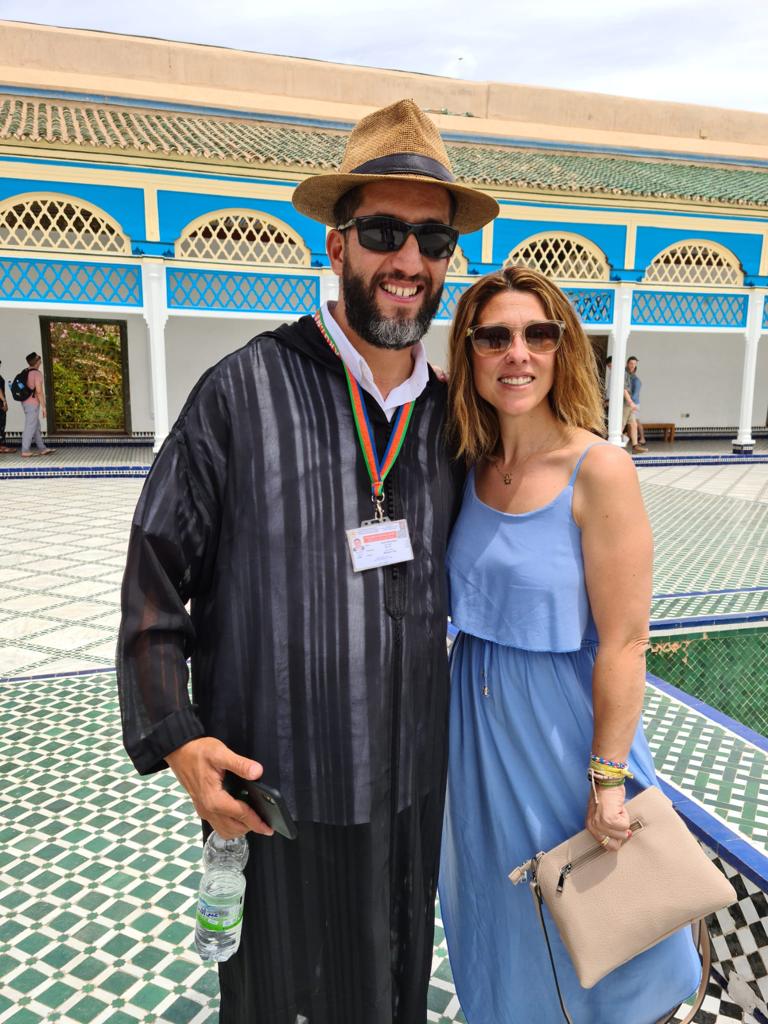
Exploring Bahia Palace with a local guide gives you a much richer experience of the medina.
- The medina is at its busiest and safest between 9am and 6pm. Use this window for souk exploration.
- Stick to wider, better-lit streets in the medina rather than narrow residential alleys.
- If someone offers to “show you the way,” politely decline unless they are your pre-arranged guide.
- Carry a downloaded offline map (Maps.me or Google Maps offline) to avoid looking lost and checking your phone constantly.
- Cafes, riads, and hotel lobbies are always available as a calm retreat if you need one. Local staff are used to tourists and happy to help.
One tip many experienced female solo travelers in Marrakech mention: doing a walking tour on your first morning changes everything. Once you understand how the medina is laid out, the disorientating quality that makes the narrow streets feel overwhelming quickly becomes manageable.
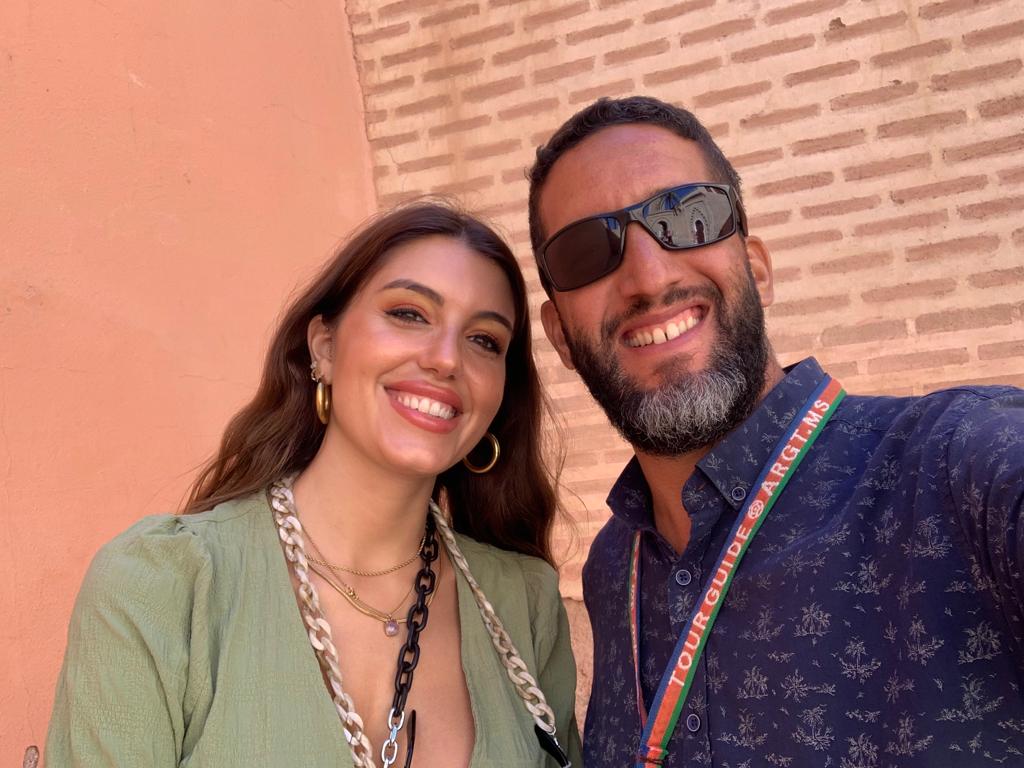
A licensed guide helps you read the medina, not just navigate it.
What About After Dark? ↑ Contents
Is Marrakech safe at night for a woman alone? It depends on where you are. The honest breakdown:
- Jemaa el-Fnaa and its surrounding restaurants
- Rooftop terraces in the medina
- Gueliz (the modern French-built district)
- The area around your riad if well-located
- Quiet medina side streets after 9pm
- Moving between distant neighborhoods on foot
- Any area you are not yet familiar with
- Routes that take you away from street lighting
Taxis in Marrakech are inexpensive and easy to arrange through your accommodation. A ride from most points in the medina to Gueliz or vice versa costs only a few dirhams. Ask your riad to call one rather than flagging down a random cab on a quiet street, particularly late at night.
The key rule that most experienced female solo Morocco travelers repeat: do not follow anyone into an unlit or quiet area, no matter how confident or friendly they seem. This applies to informal “guides,” people claiming to know a shortcut, or anyone who approaches you repeatedly. Walk past them calmly and firmly.
What to Wear as a Woman in Marrakech ↑ Contents
Marrakech is a Muslim-majority city, and while it is far more relaxed about dress than many other cities in the region, modest clothing does make a tangible difference to your experience. This is not about restriction, it is simply about fitting naturally into the social fabric of the place.
- Lightweight trousers or long, loose skirts are ideal for the medina and souks.
- Covering your shoulders reduces attention in the more traditional parts of the old city.
- Breathable linens and cottons work best in the Marrakech heat.
- A light scarf in your bag is useful both as a cover-up and sun protection.
- In Gueliz and modern restaurants, dress norms are closer to European standards.
- Beachwear and very revealing clothing are best reserved for private pool areas.
Walking with confidence is just as important as what you wear. Vendors and street touts respond to hesitation. If you walk purposefully, make brief eye contact when needed, and respond to persistent approaches with a calm, clear “No, thank you,” the interaction usually ends there. You do not need to be rude. A firm, unhurried refusal is almost always enough.
If you feel uncomfortable at any point, the most effective thing you can do is simply step into a shop, cafe, or riad. Local people respect these spaces, and the staff will always be on your side.
Common Scams and How to Avoid Them ↑ Contents
The most common issues solo female travelers encounter in Marrakech are not safety threats, they are tourist scams. These are worth knowing about so that you can spot them instantly.
Someone approaches you near the medina gates offering to show you around. At the end, they demand payment. Response: decline from the start, or arrange a guide through your hotel.
A woman near the square applies henna before you have agreed. The price quoted afterward is far higher than discussed. Response: only sit down with an artist if you have agreed the price clearly in advance.
Your “free” guide or new friend happens to know a cousin who sells carpets. You find yourself in a high-pressure showroom. Response: if it happens, you can always leave. You are never obligated to buy anything.
A driver quotes you a very high flat fare or does not use the meter. Response: always ask for the meter (compteur), or arrange rides through your accommodation.
None of these are dangerous. They are inconveniences. Knowing they exist means you will recognize them in the first five seconds and navigate past them easily.
Best Areas to Stay for Solo Women ↑ Contents
Where you stay shapes your entire experience. These neighborhoods work particularly well for solo female travelers in Morocco:
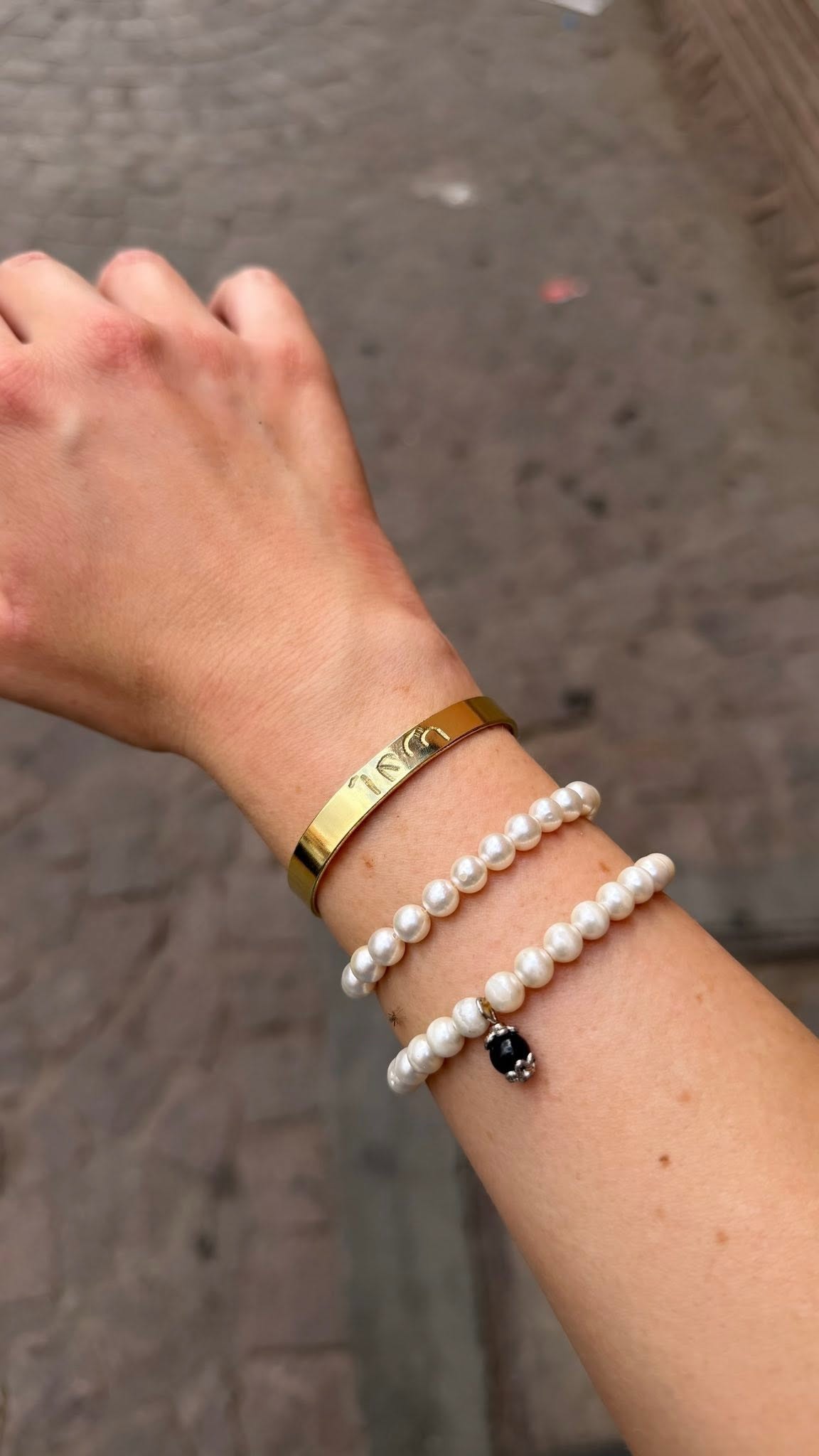
Shopping in the souks is one of the great pleasures of Marrakech, and far more relaxed than first-timers expect.
Book a Licensed Local Guide ↑ Contents
Many women traveling alone in Marrakech find that spending their first day with a licensed guide transforms the rest of their trip. You learn how the medina is structured, where the good spots are, which streets to use, and which approaches to sidestep gracefully. After one morning with a knowledgeable local, most solo visitors feel genuinely at home in the old city.
A licensed guide also means you are not relying on the informal “helpers” who congregate near medina gates, some of whom have their own commercial agendas. The Ministry of Tourism license is your assurance that your guide is professionally trained, legally registered, and accountable.
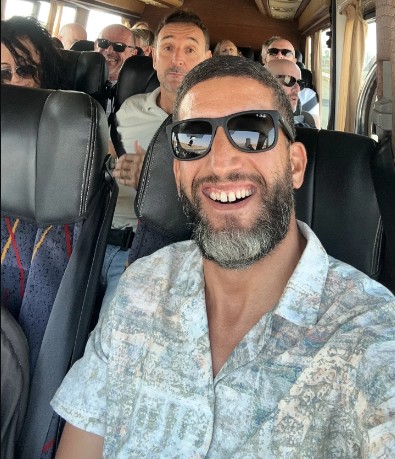
Mouhssine is a Ministry of Tourism licensed guide based in Marrakech, with years of experience accompanying solo travelers, couples, and families through the medina, the Atlas foothills, and beyond. He speaks English, French, and Arabic, and is widely praised for being knowledgeable, patient, and genuinely good company. Many first-time solo female visitors book a morning tour with him and end up extending it.
Chat on WhatsAppWhat Solo Female Travelers Say About Marrakech ↑ Contents
Beyond statistics and travel advice, the most useful thing is hearing from women who have actually been there. Here is what some of them said:
Frequently Asked Questions ↑ Contents
Yes. Thousands of women travel to Marrakech alone each year. The city is well set up for independent travelers: riads with supportive staff, clear tourist areas, easy transport, and a broad community of fellow solo visitors. It takes a little cultural awareness and practical preparation, but it is absolutely achievable.
In terms of serious crime, yes. Violent incidents involving tourists are genuinely rare, and Marrakech has a strong tourist police presence. The main challenges for women are low-level: persistent vendors and occasional catcalling. These are manageable with confidence and a few simple strategies.
Modest, lightweight clothing works best in the medina: loose trousers or a long skirt, covered shoulders. In Gueliz (the modern district) dress codes are more relaxed. A light scarf is always useful. This is not about restriction, it is simply about blending in and having a more comfortable experience.
The busy, well-lit parts of the city, including Jemaa el-Fnaa and its surrounding area, rooftop restaurants, and Gueliz, are perfectly fine at night. Quiet, narrow medina alleys after 9pm are best avoided on foot. Taxis are cheap and easy to arrange through your accommodation for evening travel.
Yes, Jemaa el-Fnaa is one of the safest places to be in Marrakech after dark. It fills with people throughout the evening, from locals eating at the food stalls to tourists watching the performers. There is a constant police presence here. Enjoy the atmosphere freely, just keep track of your belongings in the crowd.
Generally, yes. Morocco is one of the safer countries in Africa and the broader region for international travelers. Cities like Marrakech, Fez, and Essaouira welcome large numbers of solo female visitors every year. Harassment does exist and is worth preparing for, but serious crime is rare. You can read our full guide to Morocco safety for tourists for a country-wide overview, and our dedicated guide to the safest cities in Morocco for women.
Yes. Morocco’s tourism sector has continued to grow in 2026, and investment in tourist infrastructure and safety has grown alongside it. The main travel advisories from UK, US, Canadian, and EU governments rate Morocco as a standard-precaution destination, with no heightened warnings for the Marrakech region.
Yes, with a small caveat on pricing. Small red taxis (petits taxis) are the standard for getting around and are generally safe. Ask them to use the meter (compteur) or agree on the fare before you get in. Your riad can call a trusted driver for you, which is the most hassle-free option, especially at night.
The most effective approach is simple awareness. Decline all unsolicited guide offers near medina gates. Agree prices before any transaction, whether a henna design, a photo with a snake charmer, or a market purchase. Never follow a stranger to a “cousin’s shop.” And if a deal feels strange, walk away. Knowing these patterns in advance means you will recognize them instantly rather than being caught off guard.
Absolutely, especially during the day. The medina and all the main attractions are walkable for solo women. An offline map, modest clothing, and a calm, purposeful manner will get you comfortably through the most visited areas. At night, stick to busier streets or use a taxi. That is the same advice that applies in most major cities worldwide.
Marrakech rewards female solo travelers who approach it with a little preparation and genuine curiosity. The city is vibrant, layered, and full of things that do not exist anywhere else on earth. The challenges are real but manageable. The rewards, from a breakfast of msemen and argan oil honey in a sunlit riad courtyard to watching the square come alive at dusk, are absolutely worth it.
If you want to start your trip with the confidence of having someone knowledgeable on your side, reach out to Mouhssine via WhatsApp before you arrive. A short morning walk with a licensed guide on day one will change the shape of everything that follows.