
Morocco Travel Guide · Summer Edition
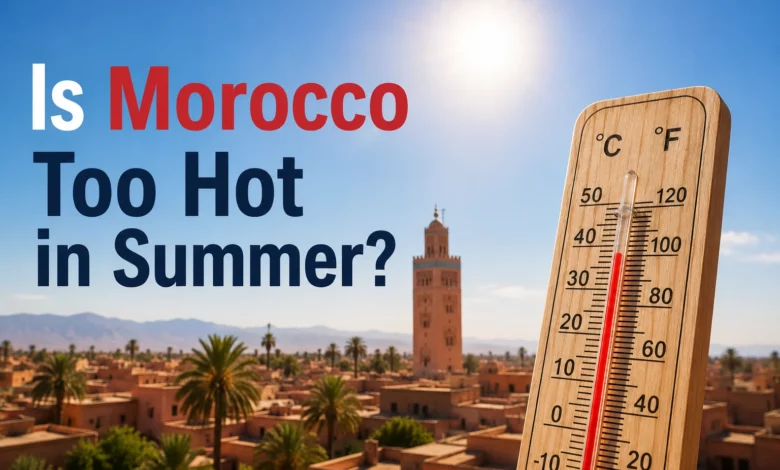
Is Morocco Too Hot in Summer?
Honest temperatures, regional differences, and everything you need to travel comfortably under the Moroccan sun.
Every year, travelers ask the same question before booking a summer trip: is Morocco too hot? The short answer is that it depends on where exactly you are going and what you are planning to do. Morocco is a country of striking geographical contrasts, and its summer climate is every bit as varied as its landscape. The Atlantic coast can feel refreshingly breezy while the desert south bakes under an unforgiving sun, all on the same afternoon.
This guide breaks down the heat region by region, gives you real temperature figures, and shares practical strategies for making the most of a summer visit, whether that means chasing ocean winds in Essaouira, exploring the medinas before the midday heat builds, or planning a desert adventure at the right time of day.
Understanding Morocco’s Summer Climate
Back to topMorocco sits at the crossroads of the Atlantic Ocean, the Mediterranean Sea, and the Sahara Desert. That geography creates three very different summer experiences within the same country. The coastal fringe benefits from cool upwelling currents that keep temperatures moderate. The interior plateau and mountain regions heat up considerably but lose that warmth quickly at altitude. The pre-Saharan and desert zones experience genuine extreme heat that demands respect and planning.
Summer in Morocco officially runs from June through September. Humidity is generally low inland, which makes even high temperatures feel more bearable than similar figures in humid coastal climates like Florida or Southeast Asia. That said, 38°C in Marrakech is still 38°C, and pretending otherwise would be misleading.
Before exploring the country, it helps to understand Morocco’s physical features, because the Atlas Mountains, the Atlantic coastline, and the Saharan basin all shape local weather in profoundly different ways.

Morocco’s summer light is intense and golden across the medinas and beyond.
Temperature by Region: A City-by-City Look
Back to topOne of the most useful things to know before visiting Morocco in summer is that average temperatures vary by as much as 15 to 18 degrees Celsius between the coast and the desert interior. The following snapshot covers the main destinations most travelers consider.
Marrakech
38°C
July average high
Essaouira
24°C
July average high
Fès
37°C
July average high
Agadir
28°C
July average high
Ouarzazate
40°C
July average high
Chefchaouen
30°C
July average high
| City | Region Type | July High (°C) | July Low (°C) | Summer Comfort Level |
|---|---|---|---|---|
| Essaouira | Atlantic Coast | 24 | 17 | Excellent |
| Agadir | Atlantic Coast | 28 | 20 | Very Good |
| Tangier | Northern Coast | 29 | 20 | Good |
| Chefchaouen | Mountain | 30 | 16 | Good |
| Casablanca | Atlantic Metro | 29 | 20 | Good |
| Fès | Interior Plain | 37 | 20 | Manageable |
| Marrakech | Interior Plain | 38 | 22 | Manageable |
| Ouarzazate | Pre-Saharan | 40 | 22 | Challenging |
| Merzouga (Sahara) | Desert | 44 | 24 | Extreme |
If you want a broader overview of Moroccan destinations before narrowing your itinerary, a look at the full list of cities in Morocco can help you understand which areas fit your travel style and heat tolerance.
The Coastal Escape: Cool Cities by the Sea
Back to top Essaouira’s famous Atlantic winds make it one of the most comfortable summer destinations in Morocco.
Morocco’s Atlantic coastline is something of a best-kept secret for summer travel. The cold Canary Current flows close to shore, and the prevailing trade winds that kite surfers love also serve as a natural air conditioning system for entire coastal cities. Essaouira, in particular, is so reliably breezy in summer that locals call it “the windy city of Africa.” Temperatures hover comfortably in the low-to-mid twenties even in the height of August.
Agadir offers a different coastal experience, more resort-oriented with a long sandy beach, and while slightly warmer than Essaouira, still nowhere near the inland heat. Tangier in the far north combines Mediterranean and Atlantic influences for a mild summer that has attracted European visitors for decades.
If you find intense heat genuinely uncomfortable, planning your Morocco trip around these coastal hubs, with inland excursions timed to early morning, gives you the best of both worlds.
Marrakech and the Interior in Summer
Back to topMarrakech has a reputation for summer heat that is, in some ways, well earned. July and August regularly see daytime highs between 37 and 42°C. That is undeniably hot. But Marrakech also has a long tradition of managing that heat gracefully, and the city’s design reflects centuries of adaptation.
The narrow lanes of the medina create natural shade. Riads are designed around interior courtyards where air circulates and temperatures stay noticeably cooler than the street outside. The souks, covered overhead with wood lattice or fabric, feel dramatically different from open plazas. And by late evening, the entire city comes alive in ways that feel completely different from the lethargic midday hours.
The Moroccan rhythm in summer
Travelers who adjust to local rhythms generally find Marrakech perfectly enjoyable even in peak summer. The key is embracing the siesta logic: do your sightseeing from 7am to 11am, retreat to your riad or a shaded café for the middle of the day, then head back out from 5pm onwards when the light turns golden and the heat finally backs down.
The Djemaa el-Fna square genuinely comes alive after dark in summer. Evening temperatures in Marrakech regularly drop to the low twenties, and those open-air dinner experiences under the stars are among the most memorable moments Morocco offers.
Fès follows a similar pattern. The medina there, a UNESCO World Heritage Site and one of the world’s great living medieval cities, is dense with narrow alleyways that block direct sun for much of the day. It is hot, but navigable with the right approach and timing.
Marrakech at dusk reveals a different city from its scorching midday self.
The Sahara in Summer: What to Expect
Back to topThis is where honesty matters most. The Sahara in summer is extremely hot. Temperatures in and around Merzouga, Zagora, and M’Hamid regularly exceed 44°C during the day. The famous Erg Chebbi dunes can feel like standing next to an open oven. Sand temperatures themselves go far higher than air temperatures.
Does that mean you should not go? Not necessarily. Plenty of travelers visit the desert in summer and come back with extraordinary experiences. The key is adjusting completely: camel rides and dune walks happen before 7am or after 6pm. The middle of the day is for rest, shade, and plenty of water. And the desert at dawn and dusk in summer has a particular quality of light that is genuinely spectacular.
Summer Sahara logistics
If a desert trip is on your list, go with a guide who knows the terrain and timing. Rushing into the desert without acclimatization, adequate water, or appropriate clothing in July or August is where summer travel in Morocco can become genuinely risky. With preparation, it is a remarkable experience. Without it, it can be dangerous.
Ouarzazate, the so-called “door of the desert,” acts as a staging point for Sahara trips and also merits time on its own. At 40°C in summer it is hot, but its wide open streets and kasbah architecture were literally built to handle this kind of heat.
The Sahara at dawn is otherworldly, and far more approachable than the same landscape at 2pm.
Practical Tips for Traveling Morocco in Summer
Back to top- Start every day early. The first two to three hours after sunrise are consistently the most comfortable for outdoor sightseeing, markets, and walking. This rhythm works in every Moroccan city from Chefchaouen to Ouarzazate.
- Stay hydrated deliberately. The dry heat inland can dehydrate you faster than you feel thirsty. Carry at least a liter of water at all times, and supplement with fresh-squeezed orange juice from medina vendors, which are everywhere and inexpensive.
- Use riads to your advantage. Traditional riad architecture is genuinely effective. An interior courtyard with a fountain drops ambient temperature by several degrees compared to the street outside. Book accommodation that uses this design.
- Plan afternoon rest into your itinerary. Fighting the midday heat is pointless. Schedule visits to museums, hammams, or simply rest at your accommodation between noon and 4pm. This is not laziness; it is local wisdom practiced for centuries.
- Know the exchange and budget. Understanding what currency Morocco uses and carrying enough Moroccan dirhams means you can always duck into a café for a cold drink without scrambling for change.
- Keep safety in mind. Read up on whether Morocco is safe for tourists as part of your planning. The country is welcoming and well-visited, but good preparation always makes a difference.
- Build in coastal recovery days. If your itinerary includes Marrakech or the desert, bookending those sections with a few days in Essaouira or Agadir gives your body time to reset in cooler temperatures.
- Wear sun protection seriously. The Moroccan summer sun is intense. SPF 50, a hat with a wide brim, and sunglasses are not optional at midday. Sunburn here arrives faster than most visitors expect.
What to Wear in Morocco’s Heat
Back to topClothing choice in Moroccan summer is one of those things where comfort, practicality, and cultural awareness genuinely align. Light, breathable, and slightly loose-fitting clothes in natural fabrics like linen or cotton protect you from the sun, keep you cooler than exposed skin in direct sunlight, and are appropriate in both modern and traditional parts of the country.
Shorts and sleeveless tops are not the best choice for visiting medinas or religious sites regardless of the heat, both because they draw unwanted attention and because covering up actually keeps you cooler when walking in direct sun. A light linen shirt with long sleeves might feel counterintuitive on a 38°C day, but it genuinely works better than a tank top for temperature management.
For a complete breakdown of appropriate and practical summer outfits, the dedicated guide on what to wear in Morocco covers everything from footwear to layering for cool evenings. Women traveling solo or in pairs will find the specific guide on what to wear in Morocco for women especially useful, as it addresses cultural nuances alongside practical advice.
Light, loose natural fabrics are the default among both locals and experienced visitors in Moroccan summer.
Is Summer in Morocco Really Worth It?
Back to topFor many travelers, summer is the only available window. School schedules, work calendars, and European holiday traditions push enormous numbers of people toward July and August regardless of ideal travel conditions. The good news is that summer in Morocco has genuine advantages that are worth acknowledging alongside the honest heat warnings.
Advantages of visiting in summer
Crowds at major sites are real but not overwhelming compared to peak season in Europe. The summer light in Morocco is extraordinary for photography, long golden hours that stretch into the evening. Festival culture thrives in summer: the Gnaoua World Music Festival in Essaouira typically takes place in June, and many smaller cultural events fill the calendar through July and August.
Prices for accommodation, particularly in Marrakech, can actually be lower in peak summer than in the more temperate shoulder seasons, as some international travelers avoid the heat. Riads that would otherwise be fully booked often have availability, and negotiations on tours and experiences are sometimes more flexible.
Who summer Morocco is genuinely ideal for
Coastal travelers who want beaches and culture without European resort prices. Photographers chasing light. Festival-goers. Travelers with no flexibility in their schedules who want a genuine, unfiltered Moroccan experience rather than postponing indefinitely. And, frankly, anyone curious about what where Morocco is really means in terms of climate and culture, because this country’s summer is like nowhere else in the world when you experience it on its own terms.
Talk Directly to a Licensed Local Guide
Back to topReading about Morocco’s summer climate is one thing. Getting real, up-to-date, personalized advice from someone who lives and works in the country year-round is another. Mouhssine Eliouj is a licensed Moroccan tour guide who specializes in Marrakech and Essaouira, two of the destinations most relevant to summer planning. He can advise on timing, local conditions, and building an itinerary that works with the heat rather than against it.
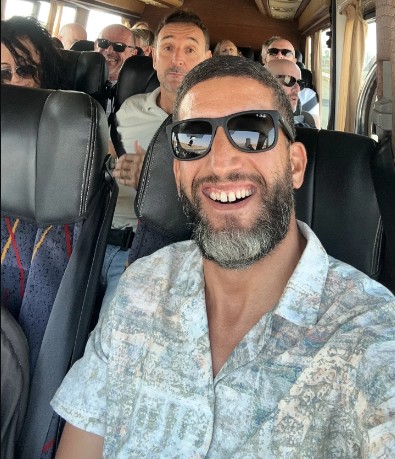
Licensed by the Moroccan Ministry of Tourism
Mouhssine Eliouj
Official License No. Réf. 2898 · Marrakech & Essaouira Specialist
Chat on WhatsAppFrequently Asked Questions
Back to topIs Morocco too hot to visit in summer?
It depends on the region. Coastal cities like Essaouira remain very pleasant with temperatures around 24°C, while inland destinations like Marrakech reach 38 to 42°C and the Sahara can exceed 44°C. With the right planning, summer travel in Morocco is very manageable.
What is the hottest month in Morocco?
July and August are consistently the hottest months, particularly in the interior and desert regions. June and September are noticeably more moderate and often considered the sweet spot for summer travel.
Is Marrakech safe and accessible in summer?
Absolutely. Marrakech operates year-round and its traditional architecture is well adapted to the heat. Adjusting your schedule to early mornings and evenings makes the experience very comfortable even at peak summer temperatures.
Which Moroccan city is coolest in summer?
Essaouira consistently wins this category, benefiting from Atlantic ocean winds that hold temperatures in the low-to-mid twenties. Agadir and Tangier are also noticeably cooler than the interior.
What should I wear when visiting Morocco in summer?
Light, breathable natural fabrics that offer modest coverage work best. Loose linen or cotton layers protect from the sun, keep you cooler than bare skin in direct sunlight, and are appropriate across different cultural settings. Full guidance is available in the dedicated article on what to wear in Morocco.
Can I visit the Sahara desert in summer?
Yes, with proper planning and a knowledgeable guide. Desert activities are shifted to early morning and after sunset when temperatures become approachable. Midday in the Sahara in summer requires rest, shade, and significant hydration.
Morocco in summer is not a monolithic experience. It is a country where you can be genuinely chilly in a coastal breeze and genuinely roasted in the pre-Saharan sun within the same day’s drive. The travelers who come back dissatisfied usually approached it as a single destination with a single climate. The ones who come back planning their return understood that Morocco’s summer is something to be navigated with intelligence and curiosity.
Build your itinerary around the heat rather than against it. Let the cooler coasts anchor your schedule and use the intense interior for the short, precise visits that make Marrakech, Fès, and the desert worth experiencing in any season. Pack light, drink water, embrace the Moroccan rhythm of early mornings and late evenings, and you will find that the question “is Morocco too hot in summer?” has a satisfying and nuanced answer: not if you know what you are doing.

Some areas in Morocco are very hot, especially in the southeast. But despite that, the weather is wonderful.
Thanks for breaking down the summer heat by region. As someone planning to visit Marrakech in August, the practical tips about staying hydrated and booking a riad with a pool were very helpful. It feels like honest advice rather than just trying to sell a tour.
I appreciate that you mentioned coastal cities like Agadir and Essaouira as cooler alternatives. This article helped me change my itinerary from three days in Marrakech to more time on the coast, which sounds much more comfortable.