
Morocco Travel Guide · 2026 Edition
Do You Need Cash in Morocco in 2026?
A practical, honest breakdown of when to carry dirhams, where cards work fine, and how to avoid the most common money mistakes tourists make every year.
Morocco’s Payment Reality in 2026 ↑ Top
If you’re planning a trip to Morocco and wondering whether to load up on dirhams before you land, the short answer is: yes, but probably less than you think. Morocco in 2026 sits in an interesting middle ground. Larger cities like Casablanca, Marrakech, and Fez have seen a real expansion in card acceptance at hotels, upscale restaurants, and some tourist-facing shops. Yet large portions of daily life, from street food stalls to medina artisans to small guesthouses in rural areas, still run entirely on cash.
The Moroccan dirham (MAD) is the currency you’ll use for everything local. It’s a closed currency, meaning you can’t obtain it outside the country in meaningful amounts, and you can’t legally take large amounts back home. Budget for exchange and ATM withdrawals as part of your trip planning.
Where Cash Is Still King ↑ Top
Knowing where you’ll definitely need physical dirhams will help you avoid unnecessary stress. In the medinas, small riads, local souks, and any market stall, cash is the only option. No one is going to pull out a card reader while you’re negotiating a leather bag or a kilo of argan oil. The same goes for street food vendors, local hammams, and petits taxis in most Moroccan cities.
Rural areas are another story entirely. If your itinerary includes mountain villages in the High Atlas, remote desert camps near Merzouga, or coastal towns beyond the main tourist trail, plan to carry enough dirhams to last the entire time. Card readers and even ATMs are either absent or unreliable in these zones. Running out of cash there is genuinely inconvenient in a way that running out in Marrakech simply isn’t.
Other situations where cash remains essential:
- Entry fees to some heritage sites, gardens, and smaller museums
- Tips for guides, drivers, and riad staff (expected and appreciated in cash)
- Shared taxis (grand taxis) between cities or towns
- Parking attendants, local porters, and informal services
- Grocery shops and fresh produce markets outside tourist zones
Where Cards Are Accepted ↑ Top
Card acceptance has genuinely improved across Morocco’s main tourist destinations. Most international-standard hotels, riads with a strong online presence, and restaurants in the nouvelle ville (new town) areas of Marrakech, Casablanca, and Rabat now handle Visa and Mastercard without issue. Some accept American Express, though it remains less reliable.
Larger supermarkets like Marjane and Carrefour typically accept cards. Tourist-oriented craft cooperatives and some larger shops in the medinas have also started offering card payment, usually through a small terminal that may or may not have a reliable connection. When a shop offers you the choice, always pay in dirhams rather than your home currency to avoid poor dynamic currency conversion rates.
If you’re curious about how cashless-friendly a specific city is becoming, it’s worth reading about whether Marrakech is truly going cashless yet — the reality is more nuanced than headlines suggest.
ATMs in Morocco: What to Know ↑ Top
ATMs are widely available in Moroccan cities and tourist hubs. The main banks you’ll encounter are Attijariwafa Bank, CIH Bank, Banque Populaire, and BMCE (now Bank of Africa). All of them work with international Visa and Mastercard networks. For a full guide on how to use them, which ones to prefer, and what withdrawal limits to expect, see this detailed ATM in Morocco guide.
A few things worth knowing before your first withdrawal:
- Moroccan ATMs typically dispense 100 MAD and 200 MAD notes, with per-transaction limits that vary by bank (commonly 2,000 to 4,000 MAD)
- ATM fees apply both from the local bank and often from your home bank, so consolidate withdrawals when possible
- Some machines run out of notes on weekends and holidays, especially in smaller towns
- Avoid airport ATMs if possible, as rates and fees tend to be less favorable
- Always use ATMs attached to or inside bank branches for better security
How Much Cash Should You Carry? ↑ Top
There’s no universal number, but a reasonable daily cash budget for a mid-range independent traveler in Morocco currently sits somewhere between 300 and 600 MAD per day, depending on your spending style. This covers street food, local transport, entrance fees, tips, and medina shopping without relying on any card payments.
If you’re staying in upscale hotels and eating at restaurants that accept cards, your cash requirement drops. If you’re in a rural area, on a desert tour, or planning significant souk shopping, you’ll want more on hand. Keeping 500 to 1,000 MAD as an emergency buffer beyond your daily budget is always sensible, particularly outside the major cities.
For exchange, licensed bureaux de change offer competitive rates without commission in most medinas. Hotels exchange money too, but almost always at a worse rate. Never change money with someone who approaches you in the street, regardless of how good the rate sounds — this remains a common scam.
Quick-Reference Payment Table ↑ Top
| Situation | Cash Needed? | Notes |
|---|---|---|
| International hotels & riads | Sometimes | Most accept cards, always confirm at check-in |
| Local guesthouses & small riads | Usually yes | Many cash-only, especially in rural areas |
| Upscale restaurants | Sometimes | Cards more common in new town areas |
| Street food & local cafés | Yes | Always cash |
| Medina souks & artisan shops | Yes | Some larger shops now have terminals |
| Supermarkets (Marjane, Carrefour) | Not required | Cards generally accepted |
| Petit taxis | Yes | Cash only, ask for meter use |
| Grand taxis (shared) | Yes | Always cash |
| Heritage sites & museums | Mostly yes | Major sites increasingly accept cards |
| Desert camps & rural stays | Yes | Stock up before leaving cities |
| Tips for guides & staff | Yes | Cash preferred and expected |
Money Tips That Will Save You Stress ↑ Top
Travel safety and financial awareness often go hand in hand. Morocco is generally a safe destination for tourists, but having your money situation sorted prevents you from being caught off-guard in moments that scammers specifically look for.
Split your cash between different pockets or bags. Don’t carry everything in one wallet, and avoid flashing large notes in busy market areas. Carry small bills whenever possible, as getting change for a 200 MAD note at a street stall can be genuinely difficult, and vendors sometimes claim they have none even when they do.
Notify your bank before you travel so your card isn’t blocked on first use abroad. Set up your bank’s app on your phone so you can monitor transactions in real time. If your card has a zero-foreign-fee option, this is the trip to use it.
Plan Your Trip With a Licensed Local Guide ↑ Top
Navigating Morocco’s medinas, markets, and money realities is far easier with someone who knows the terrain. Whether you want help with currency exchange spots, fair prices in the souks, or a fully guided city tour, connecting with a licensed professional makes a real difference.
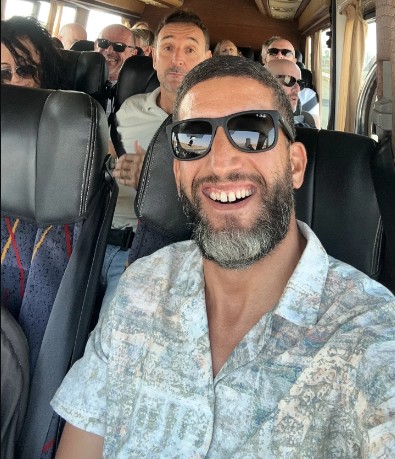
Mouhssine ELIOUJ
Ministry of Tourism · License No. 2898Mouhssine is a Ministry of Tourism-certified guide based in Marrakech with deep knowledge of the city and surrounding regions. He helps visitors navigate everything from the best exchange bureaux to off-the-beaten-path experiences that no app can replicate.
Chat on WhatsApp
The section about card payments versus cash was exactly what I was looking for. I like how you explained where cards are usually accepted and when it’s safer to carry small bills. It makes budgeting for my trip much easier.